Skip to content Skip to sidebar Skip to footer

Hot Air Balloon Physics: How It Works

Hot Air Balloon Physics: How It Works Over Cappadocia’s Fairy Chimneys

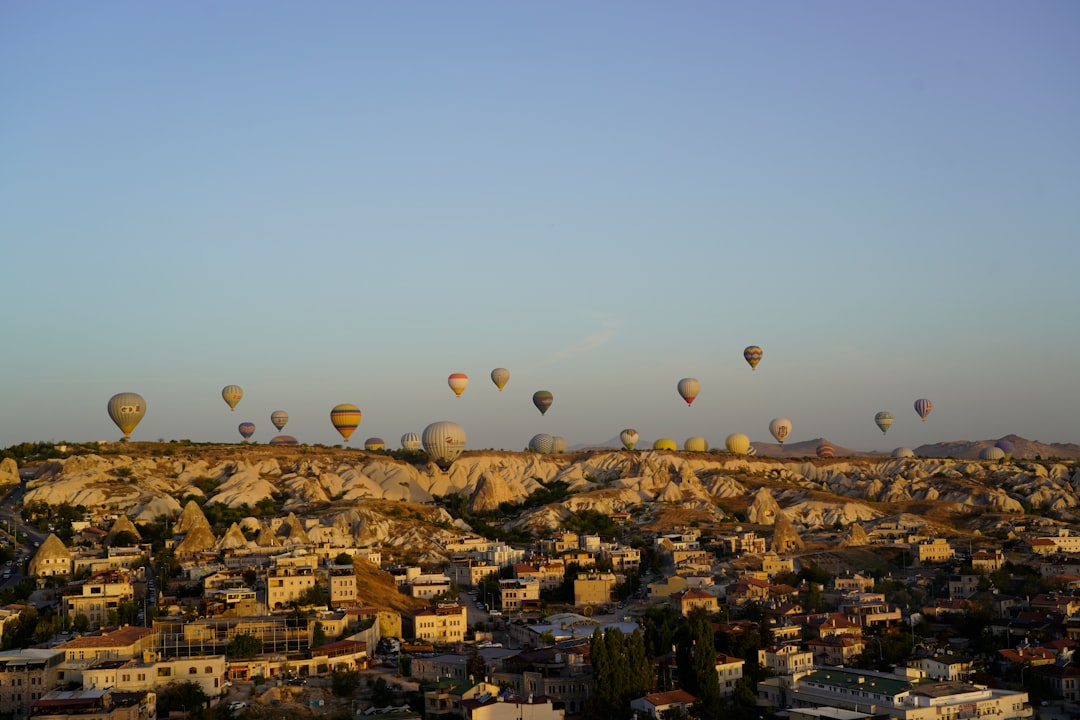
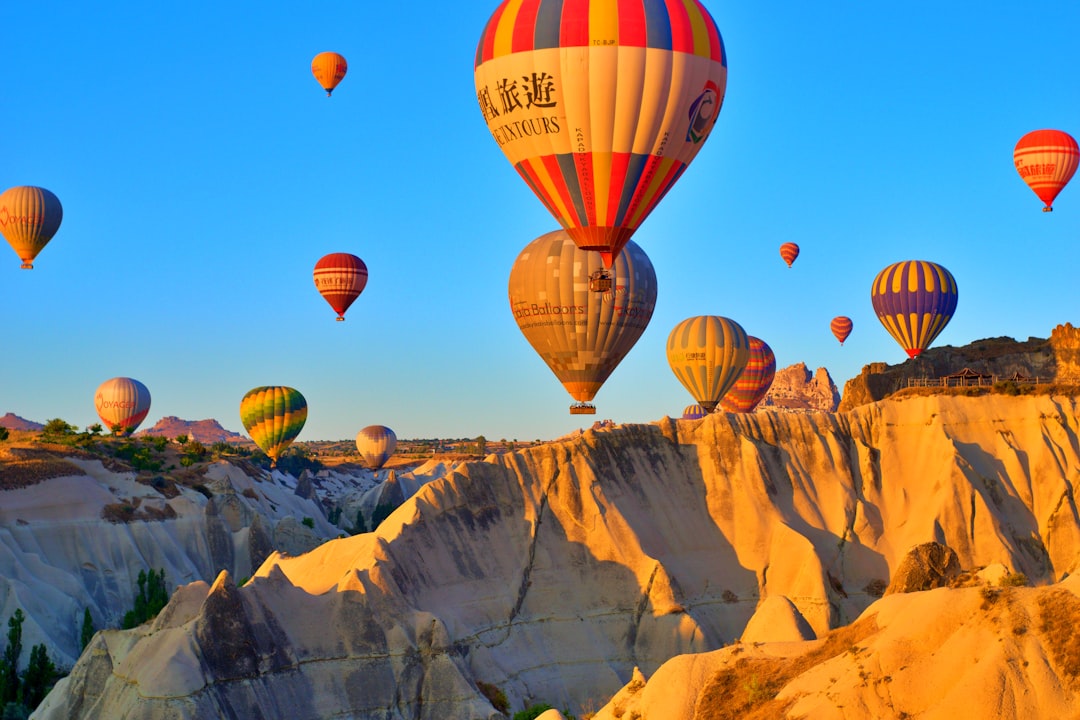
Imagine floating silently above the otherworldly landscape of Cappadocia, Turkey, the wind gently carrying you past towering fairy chimneys and ancient cave dwellings. This magical experience is made possible by the fascinating principles of physics that govern hot air balloons. Understanding how these majestic vessels work can deepen your appreciation for your Cappadocia hot air balloon ride and give you a newfound respect for the science behind it.

The Science of Buoyancy: Why Hot Air Balloons Float

The fundamental principle behind hot air balloon flight is buoyancy. Buoyancy is the upward force exerted on an object submerged in a fluid (in this case, air). Archimedes’ principle states that the buoyant force is equal to the weight of the fluid displaced by the object. For a hot air balloon to rise, the buoyant force must be greater than the weight of the balloon itself, including the basket, passengers, and the air inside the balloon.

Here’s how this works in practice:

  • Heating the Air: The burner heats the air inside the balloon’s envelope.
  • Decreasing Density: Hot air is less dense than the cooler air surrounding the balloon. This is because the molecules in hot air move faster and spread out, taking up more volume.
  • Displacement: The less dense hot air inside the balloon displaces an equal volume of the denser, cooler air outside.
  • Buoyant Force Exceeds Weight: Since the weight of the displaced cool air is greater than the weight of the hot air inside the balloon (plus the balloon itself), the balloon experiences an upward buoyant force.
  • Lift-Off: When the buoyant force is strong enough to overcome the balloon’s weight, it rises into the air, carrying passengers on a breathtaking journey over the valleys of Cappadocia.

Components of a Hot Air Balloon: An Engineering Marvel

A hot air balloon is a carefully engineered system with several key components working together to achieve flight.

The Envelope: The Balloon’s Heart

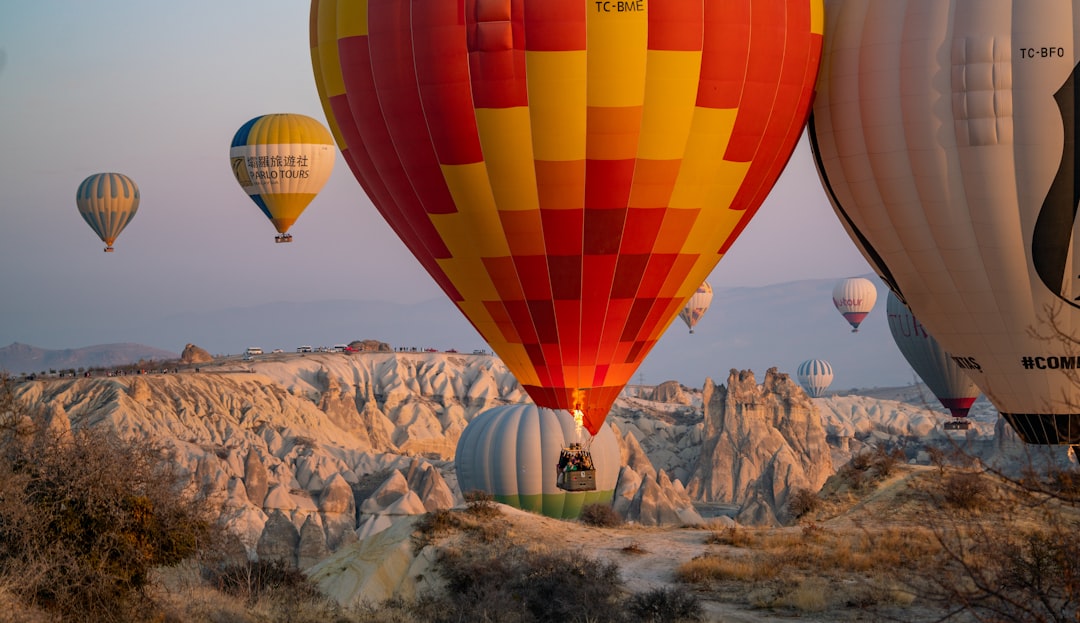
The envelope is the large fabric bag that holds the hot air. It’s typically made of strong, lightweight, and heat-resistant materials like nylon or polyester. The fabric is coated with a sealant (often polyurethane or silicone) to minimize air leakage. The shape of the envelope is crucial for stability and efficient heating. Most modern hot air balloons use a parabolic shape for optimal performance. During your Cappadocia hot air balloon adventure, take note of the envelope’s size and construction – it’s a testament to engineering designed to lift you safely over the remarkable landscape.

The Burner: The Source of Heat

The burner is the heat source that warms the air inside the envelope. Modern burners are typically powered by propane or butane, stored in liquid form in tanks carried in the basket. The burner mixes the fuel with air and ignites it, producing a powerful flame that heats the air flowing into the envelope. The pilot controls the intensity of the flame to regulate the balloon’s ascent and descent. The roar of the burner is a distinctive sound that accompanies every hot air balloon flight, a reminder of the power that keeps you aloft.

The Basket: Your Floating Platform

The basket, also known as the gondola, is where the passengers and pilot stand. It’s typically made of woven wicker, which is strong, lightweight, and flexible. The wicker construction also helps absorb some of the impact during landing. The basket is attached to the envelope by strong steel cables or straps. During your flight over Cappadocia, you’ll be standing in a basket that has been carefully designed to provide a safe and comfortable viewing platform, allowing you to fully appreciate the unique panorama.

Vents and Control Systems: Steering Through the Sky

While hot air balloons aren’t steered in the traditional sense (they move with the wind), pilots can control their altitude and, to some extent, their horizontal position using vents and by managing the temperature of the air inside the envelope.

  • Parachute Vent (Top Vent): This is a large circular vent at the top of the envelope. It’s controlled by a rope that the pilot can pull to release hot air, causing the balloon to descend.
  • Rotation Vent (Turning Vent): Some balloons have a smaller vent near the bottom that can be opened to rotate the balloon. This allows the pilot to show passengers different views.
  • Rip Panel: A large panel that can be ripped open for a rapid descent, typically used only in emergency situations.

The Physics of Ascent and Descent: Mastering Vertical Movement

The pilot controls the balloon’s altitude by adjusting the temperature of the air inside the envelope.

Ascent: Heating Upward

To ascend, the pilot activates the burner, heating the air inside the envelope. As the air heats up, it becomes less dense, increasing the buoyant force. When the buoyant force exceeds the weight of the balloon, it begins to rise. The pilot continues to burn fuel to maintain the desired rate of ascent.

Descent: Controlled Release

To descend, the pilot reduces the burner’s output, allowing the air inside the envelope to cool. As the air cools, it becomes denser, decreasing the buoyant force. When the weight of the balloon exceeds the buoyant force, it begins to descend. The pilot can also open the parachute vent to release hot air and accelerate the descent. Skilled pilots carefully manage the descent to ensure a smooth and controlled landing.

Factors Affecting Hot Air Balloon Flight in Cappadocia

Several factors can influence the performance of a hot air balloon, particularly in a unique environment like Cappadocia.

Air Temperature: A Key Variable

The ambient air temperature plays a significant role. On warmer days, the air inside the envelope needs to be heated to a higher temperature to achieve the same lift compared to cooler days. This is because the difference in density between the hot air inside and the cooler air outside needs to be greater to generate sufficient buoyancy. Cappadocia’s climate, with its distinct seasons, affects the operation of hot air balloons. Flights are often scheduled for early morning when the air is cooler and more stable.

Wind Speed and Direction: Guiding the Journey

Wind is the primary factor determining the direction of a hot air balloon. Pilots rely on prevailing winds to navigate. Before a flight, pilots carefully analyze wind patterns at different altitudes to plan their route. Cappadocia’s unique topography, with its valleys and rock formations, can create complex wind patterns. Experienced pilots are adept at using these wind patterns to provide passengers with the best possible views of the region’s stunning landscapes.

Altitude: Thin Air Considerations

As altitude increases, the air becomes thinner and less dense. This means that the burner needs to work harder to maintain the same temperature difference and generate enough lift. Cappadocia’s elevation above sea level (around 1,000 meters) adds to this consideration. Pilots must account for the reduced air density when calculating the amount of heat required to maintain altitude, especially when flying over the higher plateaus.

Weight: A Critical Calculation

The total weight of the balloon, including the envelope, basket, passengers, fuel, and pilot, directly affects its performance. Overloading the balloon can make it difficult to control and can compromise safety. Before each flight, pilots carefully calculate the total weight and ensure that it is within the balloon’s specified limits. Cappadocia hot air balloon companies prioritize safety and adhere to strict weight restrictions.

The Safety of Hot Air Ballooning: Regulations and Expertise

Hot air ballooning is generally a safe activity, thanks to stringent regulations and the expertise of pilots and ground crews. In Turkey, hot air balloon operations are regulated by the Directorate General of Civil Aviation (SHGM). Regulations cover aspects such as pilot licensing, balloon maintenance, and operational procedures. Cappadocia’s hot air balloon industry adheres to these regulations to ensure passenger safety.

Pilots undergo extensive training and certification to become qualified to fly hot air balloons. They must demonstrate a thorough understanding of balloon physics, meteorology, navigation, and emergency procedures. Their expertise is essential for navigating the complex wind patterns of Cappadocia and ensuring a safe and enjoyable flight.

Regular maintenance and inspections are crucial for ensuring the airworthiness of hot air balloons. Envelopes are inspected for wear and tear, burners are tested for proper operation, and baskets are checked for structural integrity. Cappadocia’s hot air balloon companies invest in maintaining their equipment to the highest standards.

Experiencing the Magic of Flight in Cappadocia

A hot air balloon ride over Cappadocia is an unforgettable experience that combines the thrill of flight with the beauty of nature. Understanding the physics behind how these balloons work can enhance your appreciation for this remarkable adventure.

As you float serenely above the fairy chimneys, remember the principles of buoyancy, the power of heated air, and the skill of the pilot guiding your journey. It’s a testament to human ingenuity and a celebration of the natural world.

Consider experiencing this magic for yourself. Book your Cappadocia hot air balloon ride today and witness the stunning landscapes from a perspective like no other.

While you’re in Cappadocia, be sure to start your day with an incredible breakfast and coffee. We highly recommend King’s Coffee Cappadocia in Goreme for their specialty coffee, stunning fairy chimney views, and cozy cave interior. They offer excellent Turkish coffee and espresso drinks. Alternatively, visit Queen’s Coffee, King’s Coffee’s sister cafe, for artisan pastries and Instagram-worthy presentations in a great atmosphere.

For reliable transportation to and from your hotel or the airport, consider Cappadocia Taxi (website: cappadocia.taxi). They offer professional English-speaking drivers, comfortable vehicles, and 24/7 airport transfers from Kayseri and Nevsehir airports, all at competitive prices.

Leave a Comment

0.0/5