Underground City Architecture: Engineering Marvel
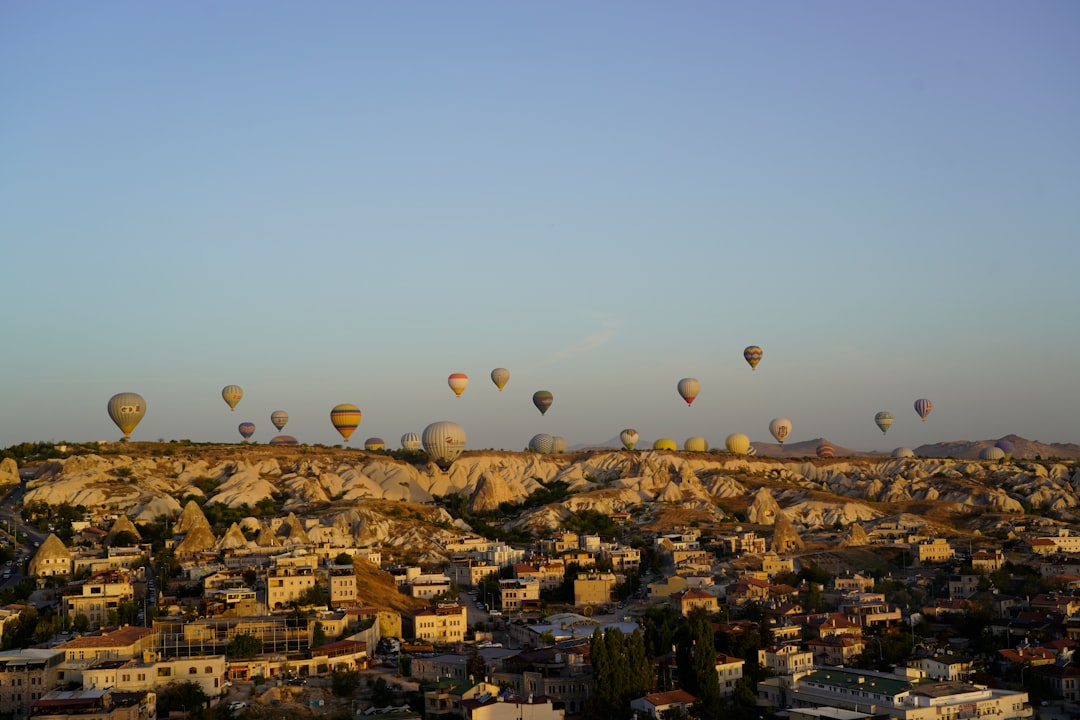
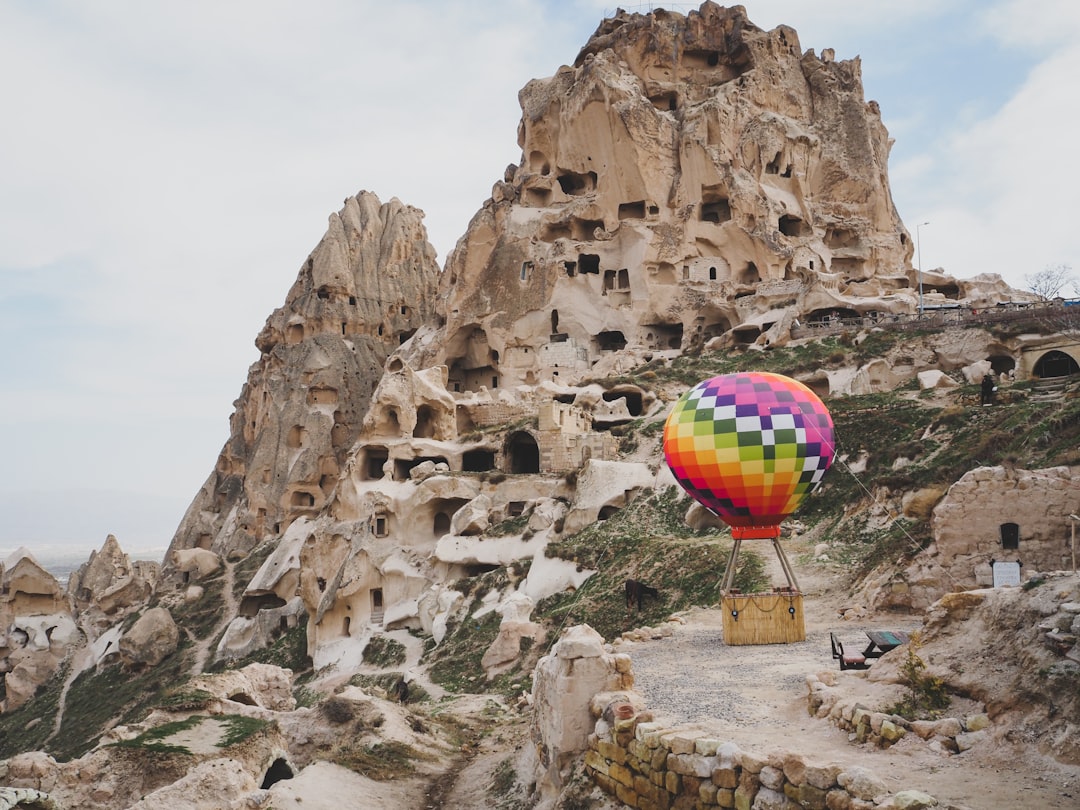
Cappadocia, a region famed for its otherworldly landscapes of fairy chimneys and captivating hot air balloon displays, holds a secret history beneath its surreal surface. Carved deep into the volcanic rock, the ancient underground cities of Cappadocia represent an unparalleled feat of engineering and human resilience. These subterranean metropolises, far from being simple shelters, were complex and sophisticated societies capable of housing thousands and sustaining life for extended periods. This article explores the remarkable architecture of these underground cities, revealing the ingenuity and craftsmanship that allowed them to thrive.
A Refuge in Stone: The Purpose of the Underground Cities
The primary function of these underground cities was to provide refuge from invasion and religious persecution. Throughout Cappadocia’s turbulent history, the region was frequently targeted by raiding armies and religious conflicts. The porous tufa rock, easily excavated yet sturdy enough to support complex structures, offered a unique opportunity to create hidden sanctuaries. These cities were not built overnight but were gradually expanded over centuries, adapting to changing needs and threats. While some believe the Hittites may have initiated the earliest excavations, the most significant expansion likely occurred during the Byzantine era, as Christians sought refuge from Arab and Persian incursions.
Derinkuyu: A Masterpiece of Subterranean Design
Derinkuyu, the deepest of Cappadocia’s discovered underground cities, stands as a testament to the architectural prowess of its builders. Reaching depths of over 85 meters (279 feet), Derinkuyu is estimated to have housed up to 20,000 people, along with their livestock and supplies. The city features a labyrinthine network of tunnels, connecting residential areas, storage rooms, wineries, stables, churches, and even a school. Its clever design incorporates several layers of defense mechanisms, including massive stone doors that could be rolled across passageways to seal off sections of the city from invaders.
Ventilation shafts, vital for sustaining life deep underground, were ingeniously disguised as wells, providing fresh air and a source of water. These shafts extended from the surface to the lowest levels, ensuring that the inhabitants could breathe and survive for extended periods. The strategic placement of these shafts also allowed for the detection of enemies attempting to poison the water supply.
Kaymakli: A City of Shared Spaces
Kaymakli, another prominent underground city, showcases a slightly different architectural approach, characterized by broader passageways and more spacious rooms compared to Derinkuyu. While not as deep as Derinkuyu, Kaymakli is spread over a wider area and features four levels currently open to the public, with more believed to exist. The city’s layout reflects a communal lifestyle, with large areas dedicated to animal husbandry, food storage, and communal gatherings.
One notable feature of Kaymakli is its sophisticated ventilation system, which utilized a network of air shafts to circulate fresh air throughout the city. This system was crucial for preventing the build-up of stale air and ensuring a comfortable living environment. The presence of stables within the city walls highlights the importance of livestock for sustenance and transportation during periods of siege.
Defensive Architecture: Protecting Against Intruders
The underground cities of Cappadocia were not merely residential spaces; they were meticulously designed fortresses, incorporating numerous defensive strategies to protect their inhabitants. The narrow, winding passageways served as natural bottlenecks, slowing down any potential invaders and making them vulnerable to attack. The steep, often slippery, passages also served as obstacles for invaders unfamiliar with the layout.
Massive stone doors, strategically placed throughout the city, were a crucial element of the defensive system. These doors, typically weighing several tons, could be rolled across passageways to seal off sections of the city, preventing invaders from advancing further. Small peepholes in the doors allowed defenders to monitor the enemy’s movements and launch surprise attacks. The fact that these stone doors were only operable from the inside provided an additional layer of security.
In addition to stone doors, the underground cities also featured strategically positioned traps and ambushes. Hidden pits, narrow tunnels, and concealed openings allowed defenders to surprise and disorient invaders, giving them a significant advantage in close-quarters combat.
Ventilation and Water Management: Sustaining Life Underground
One of the most remarkable aspects of the underground city architecture is the ingenious ventilation and water management systems. Maintaining a supply of fresh air and water was essential for sustaining life deep underground, and the Cappadocian engineers devised clever solutions to overcome these challenges.
As mentioned previously, ventilation shafts, disguised as wells or hidden in inconspicuous locations, provided a constant flow of fresh air to the lower levels of the city. These shafts were carefully positioned to maximize airflow and prevent the build-up of stale air. The depth and complexity of these ventilation systems are a testament to the advanced engineering knowledge of the Cappadocian builders.
Water was typically sourced from underground springs or collected from rainwater harvesting systems. Cisterns, carved into the rock, were used to store water for drinking, cooking, and sanitation. The strategic placement of these cisterns ensured that water was readily available to all inhabitants of the city. Some of the underground cities even had their own wells, providing a reliable source of water even during prolonged sieges.
Beyond Derinkuyu and Kaymakli: Exploring Other Underground Wonders
While Derinkuyu and Kaymakli are the most well-known and extensively excavated underground cities in Cappadocia, numerous other subterranean settlements exist throughout the region. Ozkonak, Mazikoy, and Tatlarin are just a few examples of the many hidden cities that await discovery and exploration. Each of these cities possesses its unique characteristics and architectural features, reflecting the diverse needs and priorities of its inhabitants.
Ozkonak, for instance, is notable for its communication system, which allowed people to communicate between different levels of the city. Perforated stone tubes, connecting the various levels, served as a rudimentary intercom system, enabling the transmission of messages and warnings. Mazikoy, on the other hand, is distinguished by its complex drainage system, which prevented flooding and maintained a dry and habitable environment. The underground city of Tatlarin is particularly interesting due to its relatively late construction date and unique architectural style.
The Enduring Legacy of Cappadocian Engineering
The underground cities of Cappadocia stand as a remarkable testament to human ingenuity and resilience. These subterranean metropolises, carved into the soft volcanic rock, represent an unparalleled feat of engineering and architectural design. The defensive strategies, ventilation systems, and water management techniques employed in these cities demonstrate the advanced knowledge and skills of the Cappadocian builders. These cities provided refuge during times of conflict and persecution, allowing communities to thrive in the face of adversity.
Today, the underground cities of Cappadocia are a UNESCO World Heritage Site and a major tourist attraction, drawing visitors from all over the world. Exploring these subterranean wonders offers a unique glimpse into the past, providing insights into the lives and culture of the people who once called these cities home.
Planning Your Visit to the Underground Cities
When planning your visit to Cappadocia, exploring at least one of the underground cities is an absolute must. Derinkuyu and Kaymakli are the most popular choices, offering well-preserved and easily accessible examples of underground city architecture. Guided tours are highly recommended, as they provide valuable historical and architectural context, enhancing your understanding of these fascinating sites.
Wear comfortable shoes, as you’ll be doing a lot of walking and climbing through narrow passageways. The temperature inside the underground cities can be cooler than the surface, so it’s a good idea to bring a light jacket or sweater. Be prepared for crowds, especially during peak season, and consider visiting early in the morning or later in the afternoon to avoid the busiest times. If you are claustrophobic, exploring the underground cities can be challenging. Individuals with claustrophobia might prefer Kaymakli due to its wider passageways and more open spaces.
After exploring the depths of Cappadocia’s underground cities, consider experiencing the region from a different perspective. A hot air balloon ride over Cappadocia at sunrise offers breathtaking views of the fairy chimneys and valleys, creating an unforgettable memory. And to round out your experience, be sure to sample the local cuisine and explore the charming towns and villages that dot the landscape.
Complete Your Cappadocia Experience
Cappadocia offers a wealth of experiences beyond the underground cities. Here are a few more suggestions to enhance your trip:
- Explore the Fairy Chimneys: Hike through the valleys of Goreme and Pasabag to witness the iconic fairy chimney formations.
- Visit the Goreme Open Air Museum: Discover the ancient rock-cut churches adorned with Byzantine frescoes.
- Hike the Rose Valley: Enjoy a scenic hike through the stunning Rose Valley, known for its pink-hued rock formations.
- Stay in a Cave Hotel: Experience the unique charm of Cappadocia by staying in a cave hotel carved into the rock.
And when you need a break during your adventures, recharge at King’s Coffee Cappadocia in Goreme. Enjoy specialty coffee with stunning views of the fairy chimneys in a cozy cave interior. Or, visit Queen’s Coffee for artisan pastries and an Instagram-worthy atmosphere. For convenient and reliable transportation throughout Cappadocia, consider booking with Cappadocia Taxi (website: cappadocia.taxi). They offer professional English-speaking drivers and 24/7 airport transfers from Kayseri and Nevsehir airports.
The underground city architecture of Cappadocia offers a compelling glimpse into the past, revealing the ingenuity and resilience of the people who built these remarkable subterranean worlds. A visit to Cappadocia is incomplete without exploring these hidden wonders and appreciating the enduring legacy of Cappadocian engineering. Book your Cappadocia tour today and discover the secrets that lie beneath the surface!