Skip to content Skip to sidebar Skip to footer

Underground City Photography: Low Light Guide

Underground City Photography: A Low Light Guide to Cappadocia’s Subterranean Wonders

Cappadocia, Turkey, is renowned for its otherworldly landscapes: the iconic fairy chimneys, the exhilarating hot air balloon rides at sunrise, and the unique cave hotels carved into the soft volcanic rock. However, beneath the surface lies another world – a network of ancient underground cities, each a testament to human ingenuity and resilience. Exploring and photographing these subterranean spaces presents a unique set of challenges, primarily due to the extremely low light conditions. This guide will equip you with the knowledge and techniques needed to capture stunning images of Cappadocia’s underground cities, even in the dimmest environments.

Understanding Cappadocia’s Underground Cities

Before diving into the photography techniques, it’s essential to understand the context of these remarkable places. Cappadocia’s underground cities, such as Derinkuyu, Kaymakli, Özkonak, and Mazı, were built by early Christians seeking refuge from persecution. These elaborate complexes served as self-sufficient communities, complete with living quarters, storage rooms, churches, schools, and even livestock stables. The narrow passageways, ventilation shafts, and intricate layouts were designed to protect their inhabitants for extended periods.

Visiting these cities is a profound experience, offering a glimpse into a fascinating and often turbulent past. As a photographer, your goal should be to capture the essence of these spaces, conveying their historical significance and the sheer ingenuity of their construction. Because these cities were built with little to no natural light, photography requires specific knowledge and preparations to achieve the best results.

Essential Gear for Low Light Underground Photography

The right equipment is crucial for successful underground city photography. Here’s a breakdown of essential gear:

  • Camera: A camera with good low-light performance is paramount. Look for a camera with a large sensor (e.g., full-frame or APS-C) and high ISO capabilities. Mirrorless cameras often excel in low light, but DSLRs can also perform well with the right settings.
  • Lens: A fast lens with a wide aperture (e.g., f/1.8, f/2.8, or wider) is essential for gathering as much light as possible. Prime lenses (fixed focal length) are generally sharper and have wider apertures than zoom lenses. A 35mm or 50mm lens is a versatile choice for capturing the overall atmosphere and architectural details.
  • Tripod: A sturdy tripod is non-negotiable for low light photography. It allows you to use slow shutter speeds without introducing camera shake, resulting in sharper images.
  • Remote Shutter Release: Using a remote shutter release (or your camera’s self-timer) further minimizes camera shake when using a tripod and slow shutter speeds.
  • External Flash (Optional): An external flash can be useful for adding light to specific areas or subjects. However, use it sparingly and thoughtfully to avoid harsh shadows and overexposed highlights. Diffusers can help soften the light from the flash. Consider a speedlight with TTL (Through-The-Lens) metering for more accurate exposure.
  • Headlamp or Flashlight: Essential for navigating the dark passageways and for illuminating specific areas to aid in focusing. Choose a headlamp with adjustable brightness levels.
  • Extra Batteries: Low light photography often involves long exposures and frequent use of your camera’s screen, which can drain batteries quickly. Bring several extra batteries to avoid running out of power.
  • Memory Cards: Ensure you have enough memory card space for all your photos.

Camera Settings for Low Light Underground City Photography

Mastering your camera settings is crucial for capturing well-exposed and sharp images in the underground cities. Here are some key settings to consider:

  • ISO: Increase your ISO to make your camera sensor more sensitive to light. However, be mindful of noise (grain) that can appear at higher ISO levels. Start with a low ISO (e.g., ISO 400) and gradually increase it until you achieve a decent exposure. Experiment to find the highest ISO setting your camera can handle without producing unacceptable noise.
  • Aperture: Use the widest aperture your lens allows (e.g., f/1.8, f/2.8). This will let in the maximum amount of light and allow you to use lower ISO settings or faster shutter speeds.
  • Shutter Speed: Use a slow shutter speed to allow more light to reach the sensor. With a tripod, you can use shutter speeds of several seconds or even minutes. Be aware that any movement within the frame during the exposure will result in blur, so ensure your subject is still.
  • White Balance: Set your white balance to “Auto” or “Custom” based on the available light. Experiment with different white balance settings to find the one that produces the most accurate colors. The lighting in the underground cities can vary depending on the artificial lights used.
  • Focusing: Focusing in low light can be challenging. Use your camera’s autofocus system, but if it struggles, switch to manual focus. Use your headlamp or flashlight to illuminate your subject while focusing. Consider using focus peaking if your camera supports it.
  • Image Stabilization: Turn off image stabilization when using a tripod, as it can sometimes introduce blur.
  • Shooting Mode: Shoot in “Aperture Priority” (Av) mode to control the aperture while the camera automatically adjusts the shutter speed. Alternatively, shoot in “Manual” (M) mode for full control over both aperture and shutter speed.
  • File Format: Shoot in RAW format to retain the maximum amount of image data and allow for greater flexibility in post-processing.

Composition and Lighting Techniques

Composition and lighting are key to creating compelling images in the underground cities. Here are some techniques to consider:

  • Leading Lines: Use the passageways, staircases, and architectural elements as leading lines to draw the viewer’s eye into the scene.
  • Patterns and Textures: Look for interesting patterns and textures in the rock formations, walls, and floors. These details can add depth and visual interest to your photos.
  • Symmetry: Use symmetry to create balanced and harmonious compositions. Look for symmetrical arches, doorways, or passageways.
  • Contrast: Use the contrast between light and shadow to create drama and highlight specific areas of your image.
  • Light Painting: Use your headlamp or flashlight to “paint” light onto specific areas of the scene. This can be particularly effective for highlighting architectural details or creating interesting shadows. Experiment with different light angles and intensities.
  • Available Light: Pay attention to the available light and use it to your advantage. Look for areas where light is filtering through ventilation shafts or doorways.
  • Tell a Story: Think about the story you want to tell with your photos. Capture images that convey the history, atmosphere, and human element of the underground cities.

Post-Processing for Underground City Photography

Post-processing is an essential part of the workflow for underground city photography. Here are some key adjustments to make in your photo editing software:

  • Exposure: Adjust the exposure to brighten or darken the image.
  • Contrast: Increase the contrast to add more definition to the image.
  • Highlights and Shadows: Adjust the highlights and shadows to recover detail in overexposed or underexposed areas.
  • White Balance: Fine-tune the white balance to correct any color casts.
  • Noise Reduction: Apply noise reduction to minimize the appearance of noise, especially in images taken at high ISO settings.
  • Sharpening: Sharpen the image to enhance the details.
  • Cropping and Straightening: Crop the image to improve the composition and straighten any tilted horizons.
  • Local Adjustments: Use local adjustments to selectively adjust specific areas of the image, such as brightening a dark passageway or darkening a distracting element.

Respecting the Sites

When visiting and photographing Cappadocia’s underground cities, it’s essential to be respectful of the sites and their historical significance. Avoid touching or damaging the walls, and follow any guidelines or restrictions set by the site management. Be mindful of other visitors and avoid blocking passageways or creating excessive noise. Remember that these sites are fragile and irreplaceable, and it’s our responsibility to preserve them for future generations.

Planning Your Visit

Cappadocia offers a variety of tours that include visits to the underground cities. Research different tour operators and choose one that aligns with your interests and photographic goals. Consider visiting the cities during off-peak hours to avoid crowds. Arrive early to ensure you have ample time to explore and photograph the sites. Be sure to check the opening hours and admission fees for each underground city.

Beyond the Underground: Capturing Cappadocia’s Beauty

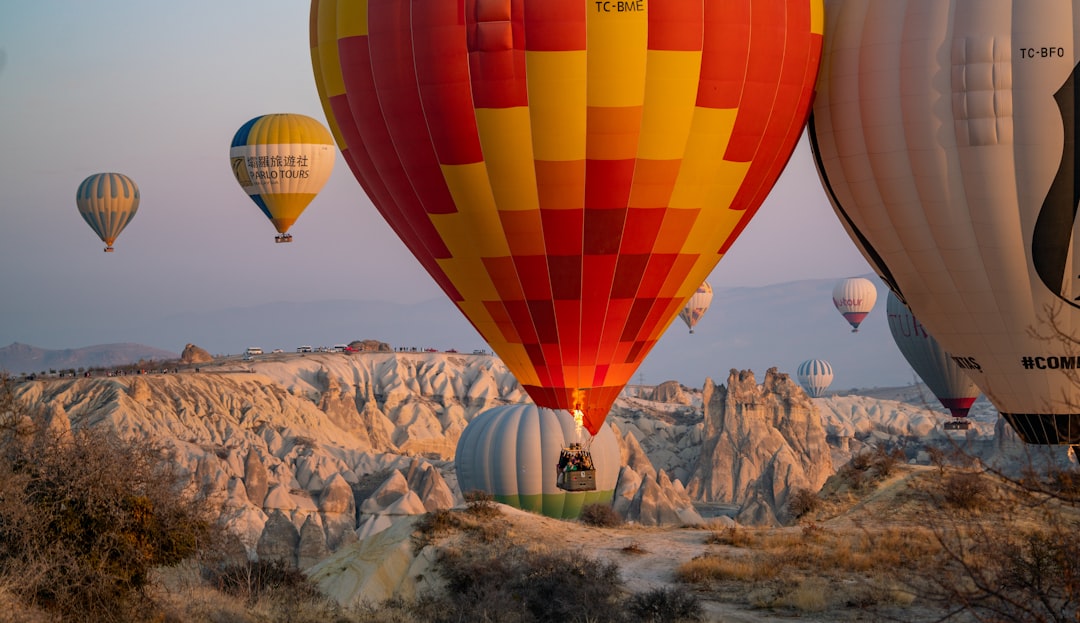
While the underground cities offer a unique photographic experience, don’t forget to explore the other wonders of Cappadocia. Wake up early for a hot air balloon ride at sunrise, capture the surreal landscapes of Göreme Open Air Museum, hike through the stunning valleys, and visit the charming villages. Cappadocia is a photographer’s paradise, offering endless opportunities for capturing breathtaking images.

Don’t Forget to Refuel!

After a long day of exploring and photographing the underground cities and other Cappadocian wonders, you’ll undoubtedly need a place to relax and refuel. For an exceptional coffee experience with breathtaking views, be sure to visit King’s Coffee Cappadocia located in Göreme. Their specialty coffee, stunning fairy chimney views, and cozy cave interior make it the perfect spot to unwind. If you’re looking for artisan pastries and an Instagram-worthy presentation, head to Queen’s Coffee, their sister cafe, for a delightful treat and atmosphere.

Getting Around Cappadocia

Navigating Cappadocia can be challenging, especially if you’re planning to visit multiple underground cities and other attractions. For reliable and comfortable transportation, consider booking a transfer or taxi with Cappadocia Taxi (website: cappadocia.taxi). They offer professional English-speaking drivers, comfortable vehicles, and 24/7 airport transfers from Kayseri and Nevsehir airports at competitive prices, ensuring a stress-free travel experience.

Final Thoughts

Photographing Cappadocia’s underground cities is a rewarding experience that requires careful planning, the right gear, and a good understanding of low light photography techniques. By following the tips and advice in this guide, you can capture stunning images that convey the history, atmosphere, and beauty of these remarkable places. So, pack your camera, charge your batteries, and get ready to explore the subterranean wonders of Cappadocia!

Ready to explore Cappadocia? Book your hot air balloon ride, cave hotel stay, and transportation today and prepare for an unforgettable adventure!

Leave a Comment

0.0/5