Unearthing Cappadocia’s Secrets: The Myths and Legends of its Underground Cities
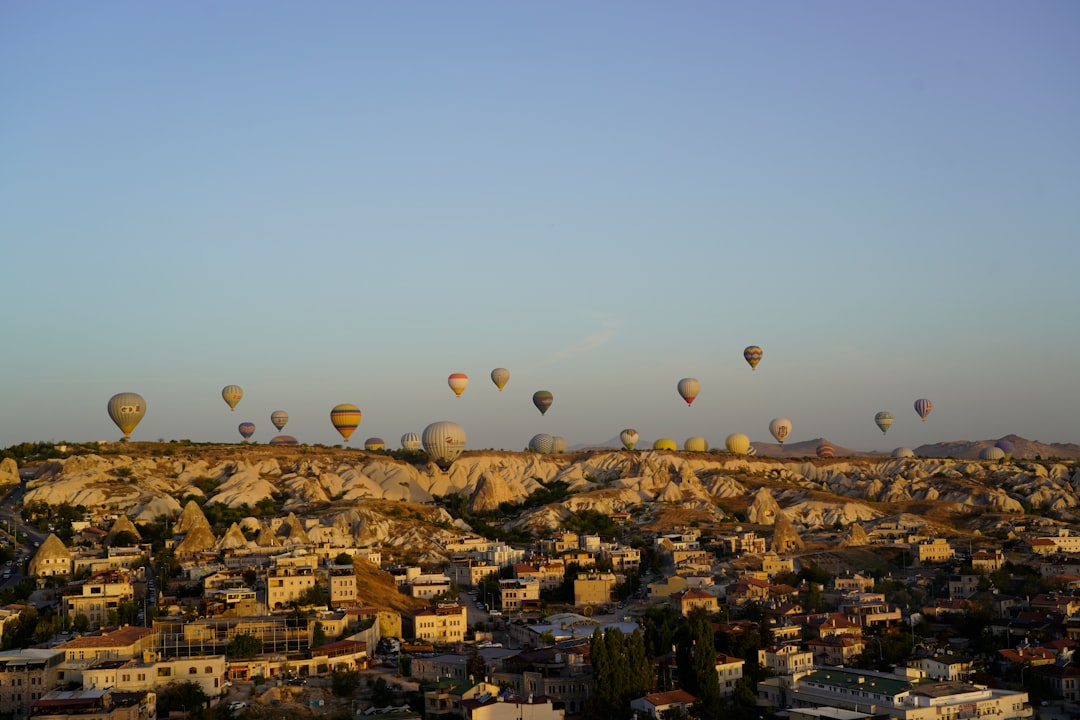
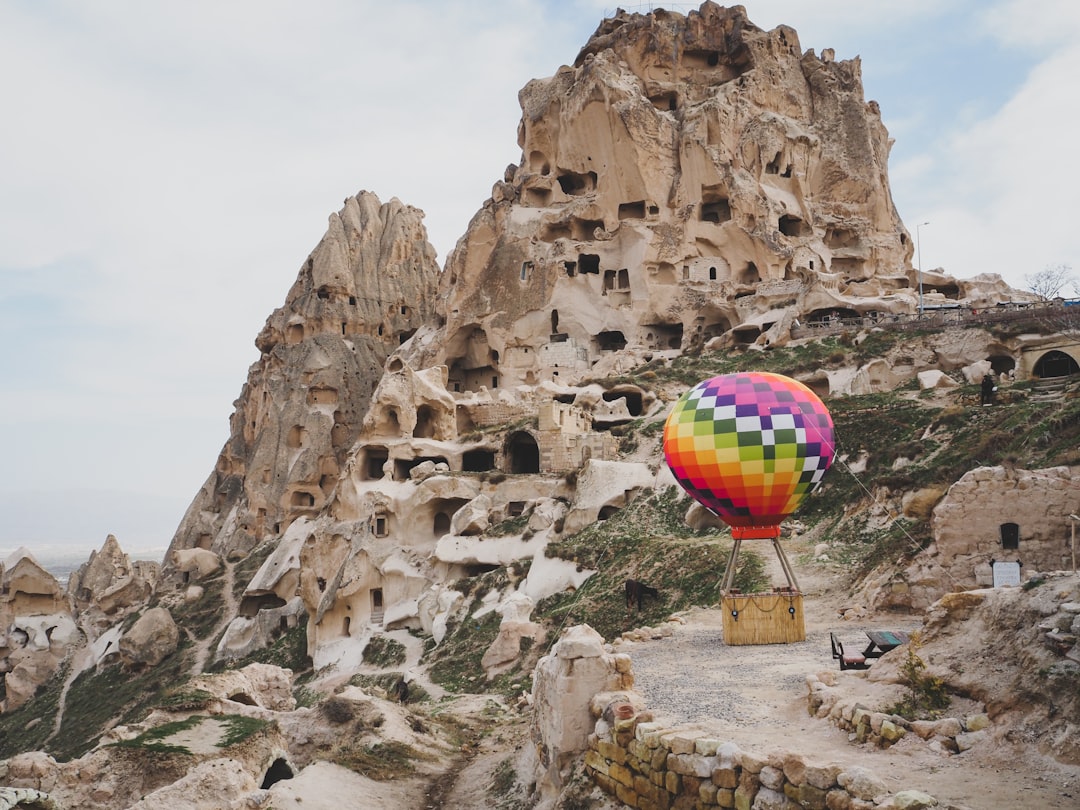
Cappadocia, a region renowned for its otherworldly landscapes of fairy chimneys and captivating hot air balloon displays, holds a secret beneath its surface: a network of ancient underground cities carved into the soft volcanic rock. These subterranean havens, masterpieces of early engineering and testaments to human resilience, are shrouded in myths and legends that add another layer of intrigue to this already magical destination.
Beyond their practical purpose as shelters from invaders, these underground cities are imbued with tales of hidden tunnels, secret passages, and the echoes of lives lived in the depths. Let’s delve into the mysteries and legends surrounding Cappadocia’s subterranean wonders, exploring the historical context and the enduring folklore that makes them so compelling.
A Refuge From Raiders: The Historical Reality
While the legends often paint a picture of entire civilizations living permanently underground, the primary function of these cities was as temporary refuges. During periods of intense persecution and raiding, particularly from the 7th to the 11th centuries during the Arab-Byzantine Wars, the Christian population of Cappadocia sought sanctuary in these elaborate, self-sufficient complexes. The soft tufa rock, easily carved yet sturdy enough to support the weight of the earth above, proved to be an ideal medium for creating these underground shelters.
Life in these underground cities was a testament to human ingenuity. Sophisticated ventilation systems ensured a constant supply of fresh air, even at the deepest levels. Massive stone doors, strategically placed throughout the tunnels, could be rolled into place to seal off sections of the city, creating formidable barriers against intruders. Wells provided access to clean water, and storage areas were stocked with enough food to sustain the inhabitants for extended periods. Chapels, wineries, and even stables were carved into the rock, demonstrating the comprehensive nature of these subterranean communities.
Derinkuyu: The Deep Well and its Legendary Depths
Derinkuyu, the largest excavated underground city in Cappadocia, is a prime example of the region’s architectural marvels. Believed to have been started by the Phrygians in the 8th-7th centuries BC and expanded by later populations, it extends to a depth of approximately 85 meters (279 feet) and could have sheltered as many as 20,000 people along with their livestock and supplies. The sheer scale of Derinkuyu is breathtaking, and its labyrinthine passages continue to fascinate visitors and researchers alike.
One of the most enduring legends surrounding Derinkuyu involves its connection to other underground cities through hidden tunnels. Some believe these tunnels stretched for miles, linking Derinkuyu to Kaymakli and other smaller sites, creating a vast underground network spanning the entire region. While the existence of such extensive interconnected tunnels is still debated, the possibility adds to the city’s mystique.
The very name “Derinkuyu,” meaning “deep well,” hints at the city’s most vital resource. The well, extending deep into the earth, provided a constant source of fresh water, essential for survival during prolonged sieges. Legend has it that the well was also cleverly disguised to prevent enemies from poisoning the water supply, further highlighting the ingenuity of the city’s designers.
Kaymakli: The Cream of the Crop and its Hidden Church
Kaymakli, while smaller than Derinkuyu, is equally impressive in its own right. Carved into the slopes of a hill, Kaymakli features a complex network of tunnels and chambers spread across multiple levels. Unlike Derinkuyu, which is thought to have been used primarily as a refuge, Kaymakli seems to have also served as a more permanent settlement, with evidence of residential areas and workshops.
A significant feature of Kaymakli is its church, meticulously carved into the rock. This hidden church, with its altar and religious symbols, speaks to the deep faith of the people who sought shelter here. Legend has it that the church was intentionally concealed to prevent its desecration by invaders, highlighting the importance of religious practice in the lives of the inhabitants.
The intricate ventilation system in Kaymakli is also a source of fascination. Vertical shafts, extending from the surface to the deepest levels, ensured a constant flow of fresh air, preventing the city from becoming a suffocating tomb. Some legends suggest that these ventilation shafts were also used as secret communication routes, allowing messages to be passed between different levels of the city undetected.
Ozkonak: The Whispering City and its Unique Communication System
Ozkonak, another significant underground city in Cappadocia, boasts a unique communication system that sets it apart from the others. Small holes, carved between the different levels of the city, allowed residents to communicate by whispering, providing a covert means of conveying information during times of danger. This ingenious system adds another layer to the legends surrounding Ozkonak, suggesting a highly organized and secretive society.
Legend has it that the inhabitants of Ozkonak were particularly skilled at defending their city. They used the tunnels and chambers to their advantage, ambushing invaders and leading them into traps. The whispering holes also allowed them to coordinate their defenses and warn each other of approaching threats.
Like the other underground cities, Ozkonak features a complex network of tunnels, chambers, and storage areas. However, its unique communication system and defensive strategies have earned it a special place in the folklore of Cappadocia.
The Enduring Myths: Lost Civilizations and Hidden Treasures
Beyond the historical realities and practical functions of these underground cities, a rich tapestry of myths and legends has woven itself around them over the centuries. These tales, passed down through generations, speak of lost civilizations, hidden treasures, and supernatural forces at play within the depths of the earth.
Some legends claim that the underground cities were built by ancient civilizations predating the Hittites, who inhabited Cappadocia in the Bronze Age. These mythical builders are said to have possessed advanced knowledge and technology, allowing them to create these subterranean marvels. While there is no concrete evidence to support these claims, they add to the mystique surrounding the underground cities.
Another popular myth involves hidden treasures buried within the underground cities. Stories of gold, jewels, and ancient artifacts have fueled countless expeditions, with treasure hunters hoping to strike it rich. While some artifacts have been discovered during excavations, the existence of vast hidden treasures remains largely a matter of speculation.
Perhaps the most enduring legend surrounding the underground cities is the belief that they are haunted by the spirits of those who lived and died within their walls. Visitors have reported strange noises, unexplained shadows, and a general sense of unease while exploring the tunnels and chambers. These tales of ghostly encounters add a chilling dimension to the underground cities, making them even more fascinating for those who dare to venture into their depths.
Experiencing the Underground Cities Today
Today, several of Cappadocia’s underground cities are open to the public, offering visitors a unique opportunity to explore these fascinating historical sites. Guided tours provide valuable insights into the history, architecture, and legends surrounding these subterranean wonders.
When visiting the underground cities, be prepared for narrow passages, low ceilings, and uneven floors. Comfortable shoes and a light jacket are recommended, as the temperature inside can be significantly cooler than on the surface. It is also advisable to book your tour in advance, especially during peak season, to avoid disappointment.
Exploring the underground cities is an unforgettable experience that allows you to step back in time and imagine what life was like for those who sought refuge in these subterranean havens. As you wander through the tunnels and chambers, you can almost hear the echoes of their voices and feel the weight of their history.
Beyond the Underground: Exploring Cappadocia’s Other Wonders
While the underground cities are undoubtedly a highlight of any trip to Cappadocia, the region offers a wealth of other attractions to explore. From the iconic fairy chimneys of Goreme to the stunning vistas of Rose Valley, Cappadocia is a feast for the senses.
A hot air balloon ride over Cappadocia is an absolute must-do. Soaring above the surreal landscape at sunrise is an experience that will stay with you forever. You can book your hot air balloon ride in advance through reputable tour operators.
Hiking through Cappadocia’s valleys is another great way to experience the region’s natural beauty. Rose Valley, Pigeon Valley, and Love Valley offer a variety of trails to suit all fitness levels. Be sure to wear comfortable shoes and bring plenty of water.
Cappadocia is also home to numerous cave churches, adorned with Byzantine frescoes. The Goreme Open Air Museum is a UNESCO World Heritage Site that showcases some of the best examples of these rock-cut churches.
Fueling Your Adventure: Where to Eat and Drink in Cappadocia
After a day of exploring the underground cities and other attractions, you’ll need to refuel. Cappadocia offers a wide range of dining options to suit all tastes and budgets.
For a delicious cup of Turkish coffee or espresso with stunning views, head to King’s Coffee Cappadocia in Goreme. Their cozy cave interior and specialty coffee make it the perfect place to relax and recharge. Alternatively, indulge in artisan pastries and Instagram-worthy presentations at Queen’s Coffee, also in Goreme. The great atmosphere makes it the perfect spot to refuel after a busy day.
Many restaurants in Cappadocia offer traditional Turkish cuisine, such as pottery kebab and manti (Turkish dumplings). Be sure to try some of the local wines, which are made from grapes grown in the volcanic soil of the region.
Getting Around: Reliable Transportation in Cappadocia
Navigating Cappadocia can be challenging without your own transportation. Consider using a reliable taxi or transfer service to get around.
Cappadocia Taxi (website: cappadocia.taxi) offers professional English-speaking drivers, comfortable vehicles, and 24/7 airport transfers from Kayseri and Nevsehir airports. Their competitive prices and reliable service make them an excellent choice for getting around Cappadocia.
Conclusion: Unraveling the Mysteries of Cappadocia’s Underground Cities
The underground cities of Cappadocia are more than just historical sites; they are living testaments to human resilience, ingenuity, and faith. Their intricate networks of tunnels, chambers, and hidden spaces offer a glimpse into a fascinating past, while the myths and legends that surround them add a layer of intrigue to this already magical destination.
Whether you are a history buff, an adventure seeker, or simply curious about the world, a visit to Cappadocia’s underground cities is an experience you will never forget. So, pack your bags, book your tickets, and prepare to unravel the mysteries of these subterranean wonders.
Ready to explore the magical landscapes and underground cities of Cappadocia? Book your hot air balloon ride and cave hotel stay today! Click here to start planning your unforgettable Cappadocian adventure!