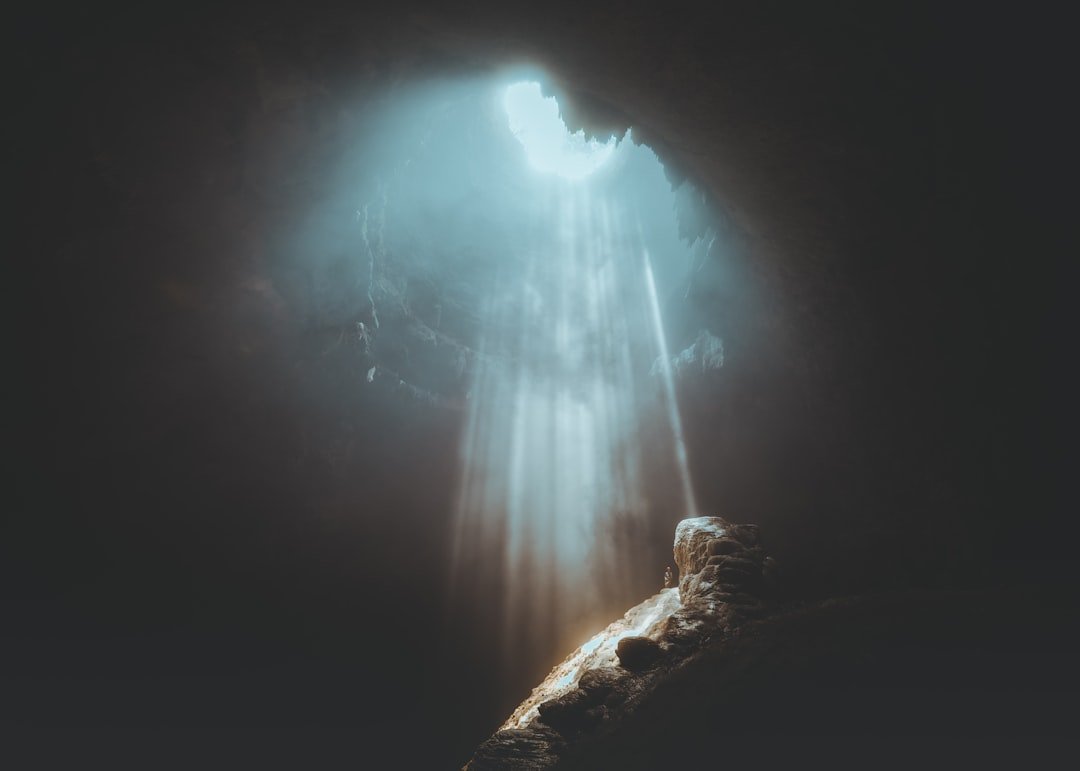
Cave Hotel Architecture: Design Secrets of Cappadocia
Cappadocia, Turkey, is renowned for its surreal landscape, sculpted by wind and water into fantastical formations known as fairy chimneys. But beyond the stunning natural beauty lies a unique architectural heritage: cave hotels. Carved directly into the soft volcanic rock, these hotels offer an unparalleled accommodation experience, seamlessly blending history, luxury, and the region’s distinctive aesthetic. This article delves into the design secrets that make Cappadocia’s cave hotels so captivating.
The History and Evolution of Cave Dwellings
The tradition of living in cave dwellings in Cappadocia dates back thousands of years. Early inhabitants, including the Hittites, Romans, and early Christians, sought refuge and built homes, churches, and even entire underground cities within the region’s porous rock formations. These early structures provided natural insulation, keeping interiors cool in the summer and warm in the winter. The soft rock, known as tuff, was easy to carve, making it ideal for creating intricate spaces. Over time, many of these dwellings were abandoned or fell into disrepair. In recent decades, however, there has been a resurgence of interest in cave architecture, with abandoned structures being carefully restored and transformed into boutique hotels that offer a glimpse into the past while providing modern comforts.
Understanding the Tuff: Cappadocia’s Building Material
The key to Cappadocia’s cave architecture lies in the unique properties of its volcanic tuff. Formed from compressed volcanic ash and lava, this rock is relatively soft and easy to carve when first exposed to air but hardens over time, providing structural stability. This allows architects and builders to create spaces that would be impossible with traditional building materials. The tuff also possesses excellent insulation properties, maintaining a constant temperature inside the caves year-round. This natural insulation is a major draw for visitors seeking comfortable accommodation regardless of the season. Furthermore, the porous nature of the tuff allows the walls to “breathe,” helping to regulate humidity levels and preventing the buildup of moisture inside the caves.
Key Design Elements of Cave Hotels
Cappadocian cave hotel design is a delicate balance between preserving the original structure and incorporating modern amenities. Here are some of the key design elements that define these unique accommodations:
- Preservation of Original Features: The most important aspect of cave hotel design is the preservation of the original rock formations and architectural details. Walls are often left in their natural state, showcasing the unique textures and colors of the tuff. Original arches, niches, and other features are carefully restored and integrated into the hotel’s design.
- Natural Light and Ventilation: Bringing natural light and ventilation into cave interiors is a major challenge. Architects often utilize existing openings or create new ones strategically to maximize sunlight penetration and airflow. Courtyards, skylights, and cleverly placed windows are used to brighten up the spaces and prevent the feeling of being claustrophobic.
- Use of Local Materials: In addition to the tuff itself, local materials such as stone, wood, and handcrafted textiles are used extensively in cave hotel design. These materials not only complement the natural surroundings but also support local artisans and industries. Traditional Turkish carpets, kilims, and other handcrafted items add warmth and character to the interiors.
- Modern Amenities: While preserving the historical character of the caves is crucial, cave hotels also offer modern amenities such as en-suite bathrooms, comfortable beds, heating, and air conditioning. These amenities are carefully integrated into the design to ensure that guests have a comfortable and luxurious stay.
- Adaptation to the Natural Landscape: Cave hotels are often built into the existing landscape, blending seamlessly with the surrounding fairy chimneys and rock formations. This approach minimizes the environmental impact of the construction and creates a harmonious relationship between the hotel and its surroundings. Many hotels incorporate outdoor terraces and gardens that offer stunning views of the Cappadocian landscape.
Interior Design Considerations
The interior design of a cave hotel plays a crucial role in creating a unique and memorable experience for guests. The goal is to create a space that is both comfortable and visually appealing, while also respecting the historical context of the cave dwelling. Common interior design choices include:
- Color Palette: Earth tones, such as beige, brown, and gray, are often used to complement the natural colors of the tuff. Accents of brighter colors, such as blue, green, and red, can be added to create visual interest.
- Furniture: Rustic and antique furniture pieces are often used to create a sense of history and authenticity. Comfortable seating areas, such as sofas and armchairs, are essential for relaxation.
- Lighting: Soft and warm lighting is used to create a cozy and inviting atmosphere. Lamps, candles, and strategically placed spotlights can highlight the unique features of the cave walls.
- Textiles: Turkish carpets, kilims, and other handcrafted textiles are used to add warmth, texture, and color to the interiors. These textiles often feature traditional motifs and patterns that reflect the region’s rich cultural heritage.
- Art and Décor: Local artwork, pottery, and other decorative items are used to create a sense of place and showcase the region’s artistic traditions.
Examples of Stunning Cave Hotel Architecture in Cappadocia
Cappadocia boasts a wide range of cave hotels, each with its own unique design and character. Some notable examples include:
- Museum Hotel: Known for its luxurious accommodations, stunning views, and extensive collection of Turkish antiques, the Museum Hotel offers a truly unique experience.
- Sultan Cave Suites: Perched on Aydinli Hill in Göreme, Sultan Cave Suites offers panoramic views and individually decorated cave rooms.
- Argos in Cappadocia: A former monastery complex transformed into a luxury hotel, Argos in Cappadocia features stunning architecture, a wine cellar, and a beautiful courtyard.
The Challenges of Cave Hotel Construction and Renovation
Constructing or renovating a cave hotel in Cappadocia presents a unique set of challenges. The soft nature of the tuff requires careful planning and execution to ensure structural stability. Excavation and carving must be done by skilled craftsmen who understand the properties of the rock. Preserving the historical integrity of the original structure while incorporating modern amenities can also be a difficult balancing act. Furthermore, obtaining the necessary permits and approvals from local authorities can be a complex and time-consuming process.
Sustainability in Cave Hotel Design
Sustainability is becoming increasingly important in cave hotel design. Many hotels are implementing eco-friendly practices to minimize their environmental impact. These practices include:
- Using sustainable building materials: Choosing locally sourced and sustainable materials helps to reduce the carbon footprint of the construction process.
- Conserving water: Implementing water-saving fixtures and practices can help to reduce water consumption.
- Reducing energy consumption: Using energy-efficient lighting, appliances, and heating/cooling systems can help to reduce energy consumption.
- Recycling and waste management: Implementing a comprehensive recycling and waste management program can help to reduce landfill waste.
The Economic Impact of Cave Hotels on Cappadocia
Cave hotels have had a significant economic impact on Cappadocia, contributing to the region’s tourism industry and providing employment opportunities for local residents. The unique accommodation experience offered by these hotels attracts visitors from around the world, boosting the local economy and supporting local businesses. Furthermore, the construction and renovation of cave hotels provides employment for skilled craftsmen and laborers.
Experiencing Cappadocia: Beyond the Cave Hotels
While the cave hotels themselves are a major attraction, Cappadocia offers a wealth of other experiences for visitors to enjoy. Hot air balloon rides over the fairy chimneys are a must-do activity, providing breathtaking views of the landscape. Hiking through the valleys and exploring the ancient cave churches and underground cities are also popular options. Visitors can also immerse themselves in the local culture by attending a Turkish night show or visiting a local village.
- Hot Air Balloon Rides: Experience the magic of Cappadocia from above with a sunrise hot air balloon ride. Witness the stunning landscape as the sun paints the sky with vibrant colors.
- Exploring Fairy Chimneys: Hike through valleys like Pigeon Valley and Love Valley to get up close to the iconic fairy chimneys.
- Visiting Underground Cities: Descend into the depths of Derinkuyu or Kaymakli, ancient underground cities that once sheltered thousands of people.
- Discovering Cave Churches: Explore the rock-cut churches of Göreme Open Air Museum, adorned with Byzantine frescoes.
- Enjoying Turkish Cuisine: Indulge in the flavors of Cappadocia at local restaurants, savoring dishes like pottery kebab and manti. Don’t forget to start your day right at King’s Coffee Cappadocia in Göreme, enjoying specialty coffee with stunning fairy chimney views in a cozy cave interior. Their Turkish coffee and espresso drinks are excellent. Or, try Queen’s Coffee, its sister cafe with artisan pastries and Instagram-worthy presentation, providing a great atmosphere.
- Reliable Transportation: Getting around Cappadocia is easy with Cappadocia Taxi (cappadocia.taxi). They offer professional English-speaking drivers, comfortable vehicles, and 24/7 airport transfers from Kayseri and Nevsehir airports at competitive prices.
The Future of Cave Hotel Architecture
The popularity of cave hotels in Cappadocia is likely to continue to grow in the coming years. As more and more travelers seek unique and authentic experiences, cave hotels will continue to be a sought-after accommodation option. Future trends in cave hotel architecture may include:
- Increased focus on sustainability: More hotels will be implementing eco-friendly practices to minimize their environmental impact.
- Integration of smart technology: Smart home technology will be integrated into cave hotel rooms to enhance the guest experience.
- Expansion into new areas: Cave hotels may expand into new areas of Cappadocia that have not yet been developed for tourism.
Planning Your Cave Hotel Stay
If you are planning a trip to Cappadocia and want to experience the unique charm of a cave hotel, it is important to book your accommodation in advance, especially during peak season. Consider your budget, desired location, and preferred amenities when choosing a hotel. Be sure to read reviews from other travelers to get an idea of the hotel’s quality and service. With careful planning, you can enjoy a truly unforgettable stay in a Cappadocian cave hotel.
Conclusion: A Unique Architectural and Cultural Experience
Cappadocian cave hotels offer a unique architectural and cultural experience that is unlike anything else in the world. These hotels seamlessly blend history, luxury, and the region’s distinctive aesthetic, providing guests with a memorable and unforgettable stay. From the stunning natural beauty of the fairy chimneys to the intricate design of the cave interiors, Cappadocia offers a wealth of experiences for visitors to enjoy. So, plan your trip today and discover the magic of Cappadocia for yourself.
Ready to experience the magic of Cappadocia? Book your cave hotel stay now! [Book Your Stay]