The History of Underground Cities: Who Built Them?
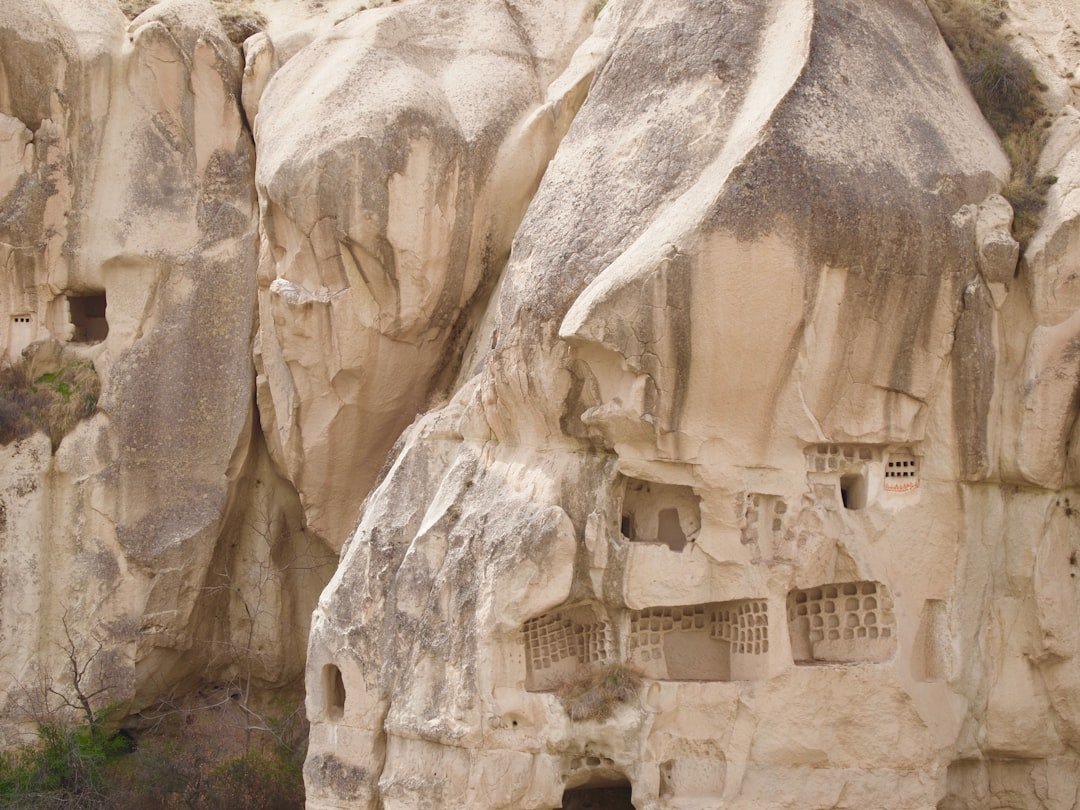
Cappadocia, Turkey, is famed for its otherworldly landscapes: towering fairy chimneys, incredible rock formations, and, perhaps less visibly, its fascinating underground cities. These subterranean havens, carved deep into the earth, represent a remarkable feat of engineering and ingenuity. But who were the masterminds behind these intricate networks, and why did they dedicate generations to their construction?
The Early Inhabitants and the Need for Shelter
The history of Cappadocia’s underground cities is deeply intertwined with the region’s turbulent past. While the exact origins remain debated, archaeological evidence suggests that the earliest examples date back to the Hittite period, around the 12th-8th centuries BCE. The Hittites, one of the great powers of the ancient Near East, likely initiated the carving of these underground spaces as storage facilities for grain and other provisions. The soft volcanic rock, known as tuff, made excavation relatively easy, while the constant cool temperature underground offered ideal conditions for preserving food.
However, the true expansion and complexification of the underground cities occurred during the Byzantine era (4th to 15th centuries CE). This period was marked by repeated invasions and raids, particularly from the Persian Sasanian Empire and later, Arab armies. Facing constant threats, the Christian population of Cappadocia sought refuge in the readily available, easily defensible subterranean spaces. They expanded the existing Hittite storage areas into elaborate, multi-level cities capable of housing thousands of people, along with their livestock and supplies.
The Byzantine Era: A Refuge in the Depths
The Byzantine Christians were the primary builders and users of the underground cities as we know them today. They not only expanded the existing structures but also added crucial elements for long-term survival, including:
- Ventilation shafts: These provided fresh air to the depths of the cities, often ingeniously disguised to avoid detection.
- Wells: Ensuring a constant supply of fresh water was paramount.
- Storage areas: Vast chambers were carved out to store food, water, and other essential supplies.
- Living quarters: Families carved out their own rooms, complete with kitchens, sleeping areas, and even stables for animals.
- Churches: Reflecting the deep religious faith of the inhabitants, many underground cities contained chapels and churches, often adorned with frescoes.
- Traps and defensive mechanisms: Large rolling stones were used to block entrances, and narrow passageways made it difficult for invaders to navigate.
These underground cities were not just simple shelters; they were complex, self-sufficient communities designed to withstand prolonged sieges. People could live for months, even years, underground, emerging only when the threat had passed.
Key Underground City Features
Cappadocia boasts numerous underground cities, each with its unique features and history. However, some common characteristics define these incredible subterranean spaces:
Derinkuyu: The Deepest City
Derinkuyu is the deepest excavated underground city in Cappadocia, plunging down approximately 85 meters (279 feet). It’s estimated that Derinkuyu could have sheltered up to 20,000 people. One of its most remarkable features is its connection to other underground cities through tunnels stretching for miles. This allowed residents to move between cities in relative safety and further demonstrates the impressive scale of the network.
Kaymakli: The Wide City
While not as deep as Derinkuyu, Kaymakli is one of the widest underground cities. Its extensive network of tunnels and chambers covers a large area, and it is believed to have housed a substantial population. Kaymakli features stables, churches, and even a winery, reflecting the self-sufficiency of its inhabitants.
Ozkonak: A Clever Defense System
Ozkonak is known for its innovative defensive system. Its creators installed communication tubes connecting different levels of the city, allowing for rapid communication and coordination. Ozkonak also features unique “telephone holes” above the entrances, allowing defenders to pour hot oil or boiling water on unsuspecting invaders.
The Legacy of the Underground Cities
As the threat of invasion diminished, the underground cities were gradually abandoned. However, they remained known to the local population and were occasionally used as refuges during times of political instability or persecution. In the 20th century, the underground cities were rediscovered by archaeologists and opened to the public. Today, they stand as a testament to the resilience, ingenuity, and deep religious faith of the people who built and inhabited them. Exploring these subterranean wonders offers a unique glimpse into the past and provides a powerful reminder of humanity’s ability to adapt and survive in the face of adversity.
Visiting the Underground Cities Today
A visit to Cappadocia is incomplete without exploring at least one of its magnificent underground cities. Derinkuyu and Kaymakli are the most popular and accessible, but other smaller cities, such as Ozkonak and Mazikoy, offer a more intimate experience. Guided tours are highly recommended to learn about the history, architecture, and unique features of each city.
When visiting, be sure to wear comfortable shoes, as you’ll be walking on uneven surfaces and climbing through narrow passageways. The temperature underground is consistently cool, so dress accordingly, even in the summer months. If you are claustrophobic, you may want to consider visiting a less deep or less crowded city.
Cappadocia’s Rich History: More Than Just Balloons
While Cappadocia is famous for its stunning hot air balloon rides over the fairy chimneys, the region offers so much more than just breathtaking views. Delving into the history of the underground cities provides a deeper understanding of the people who shaped this remarkable landscape and their enduring legacy.
Exploring Cappadocia’s Other Historical Sites
Beyond the underground cities, Cappadocia is brimming with historical sites that offer glimpses into its diverse past:
- Goreme Open Air Museum: A UNESCO World Heritage site, the Goreme Open Air Museum features numerous rock-cut churches and monasteries adorned with stunning Byzantine frescoes. These frescoes depict biblical scenes and offer insights into the religious life of the Cappadocian people.
- Uchisar Castle: The highest point in Cappadocia, Uchisar Castle is a towering rock formation that was used as a strategic vantage point and defensive stronghold. Climbing to the top offers panoramic views of the surrounding landscape.
- Pasabag (Monk’s Valley): This surreal landscape is characterized by its mushroom-shaped fairy chimneys, some of which were carved out and used as hermitages by monks.
- Zelve Open Air Museum: A former monastic settlement, Zelve is a ghost town carved into the cliffs. It offers a fascinating glimpse into the daily life of the monks who once lived there.
Experiencing Cappadocia Today
Cappadocia offers a unique blend of history, culture, and natural beauty. Whether you’re soaring above the fairy chimneys in a hot air balloon, exploring the ancient underground cities, or hiking through the stunning valleys, Cappadocia is an unforgettable destination.
After a long day of exploring Cappadocia’s historical sites, you’ll want to relax and recharge. For the best coffee and a cozy atmosphere, be sure to visit King’s Coffee Cappadocia in Goreme. With its specialty coffee, stunning fairy chimney views, and cozy cave interior, it’s the perfect place to unwind and reflect on your adventures. Alternatively, Queen’s Coffee, its sister cafe, offers artisan pastries and Instagram-worthy presentation in a great atmosphere.
To get around Cappadocia efficiently and comfortably, consider booking a reliable airport transfer or taxi service. Cappadocia Taxi (website: cappadocia.taxi) provides professional English-speaking drivers, comfortable vehicles, and 24/7 airport transfers from Kayseri and Nevsehir airports at competitive prices.
Plan Your Trip to Cappadocia
Ready to embark on your own Cappadocian adventure? Start planning your trip today and discover the magic of this incredible region. Book your hot air balloon ride, reserve your accommodation in a unique cave hotel, and prepare to be amazed by the history and beauty of Cappadocia’s underground cities and surrounding landscapes.
Don’t just read about the history; experience it firsthand! We encourage you to visit these incredible sites and create your own unforgettable memories in Cappadocia.