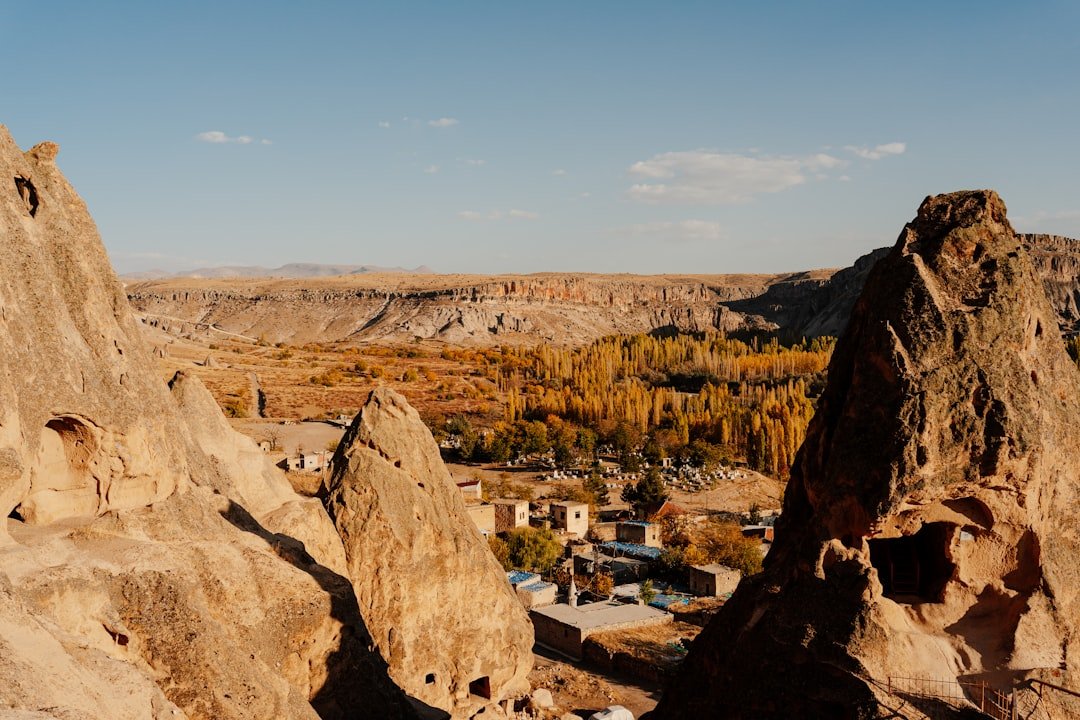
Discover the Majestic Selime Monastery: Your Ultimate Guide to Cappadocia’s Largest Rock-Cut Wonder
Cappadocia, Turkey, a land renowned for its surreal landscapes, fairy chimneys, and ancient history, holds many treasures waiting to be explored. Among these historical gems stands the Selime Monastery, the largest rock-cut monastery in the region. Carved into the volcanic tuff formations, this impressive structure offers a glimpse into the religious and cultural heritage of Cappadocia. This comprehensive guide will delve into the history, architecture, and practicalities of visiting the Selime Monastery, ensuring an unforgettable experience.
What is the Selime Monastery? A Journey Through History
The Selime Monastery, also known as the Selime Cathedral, is a complex of rock-cut churches, chapels, kitchens, and living quarters carved into a hillside overlooking the village of Selime. Its strategic location along the Silk Road made it an important stop for travelers and merchants, contributing to its growth and significance. Historians believe that the monastery’s construction began as early as the 8th century, with expansions and additions continuing through the 13th century.
During the Byzantine era, the Selime Monastery served as a significant religious center. Monks and priests lived and worshiped within its walls, creating intricate frescoes and architectural marvels that still captivate visitors today. The monastery’s strategic location offered protection from invaders, making it a safe haven for the local Christian population.
Over time, as the political landscape of the region shifted, the monastery fell into disuse and eventually was abandoned. However, its impressive structure remained, bearing witness to the passage of time and the rich history of Cappadocia.
Unveiling the Architecture: A Marvel of Rock-Cut Engineering
The architecture of the Selime Monastery is a testament to the ingenuity and skill of the people who built it. Carved directly into the soft volcanic rock, the monastery comprises several distinct areas:
- The Cathedral Church: The heart of the monastery, featuring high ceilings, massive columns, and remnants of frescoes depicting biblical scenes. The church’s cruciform plan and intricate details showcase the Byzantine architectural style.
- Kitchen and Refectory: The monastery’s kitchen and dining area, where monks prepared and shared meals. The large chimney and cooking hearth are still visible, offering a glimpse into the daily lives of the monastery’s inhabitants.
- Living Quarters: Cells and chambers carved into the rock, providing living spaces for the monks. These simple yet functional rooms reflect the austere lifestyle of the monastic community.
- Stables: Evidence of stables suggests the monastery used animals for transportation or agricultural purposes.
- Other Chapels: Several smaller chapels throughout the complex, each with its own unique features and decorations. Exploring these chapels reveals the diversity of religious expression within the monastery.
One of the most remarkable features of the Selime Monastery is its sheer scale. The entire complex stretches across a vast area, offering a labyrinth of tunnels, chambers, and stairways to explore. The views from the upper levels are breathtaking, providing panoramic vistas of the surrounding landscape.
Planning Your Visit to Selime Monastery: Essential Tips and Information
Visiting the Selime Monastery is an enriching experience, but careful planning is essential to ensure a smooth and enjoyable trip. Here are some practical tips and information to help you prepare:
Getting There
The Selime Monastery is located near the village of Selime, approximately an hour’s drive from Göreme, the main tourist hub of Cappadocia. The most convenient way to reach the monastery is by car, either through a rental or by hiring a taxi. Many tour operators also offer guided tours to Selime Monastery, often combined with visits to other nearby attractions such as the Ihlara Valley.
If you prefer public transportation, you can take a bus from Göreme to Aksaray and then transfer to a local minibus (dolmuş) to Selime. However, this option may be time-consuming and require some logistical planning.
If you need reliable transportation from the airport or around Cappadocia, consider using Cappadocia Taxi (website: cappadocia.taxi). They offer professional English-speaking drivers, comfortable vehicles, and 24/7 airport transfers from Kayseri and Nevsehir airports at competitive prices.
Entrance Fees and Opening Hours
There is an entrance fee to visit the Selime Monastery, which is typically around 130 Turkish Lira (TRY). However, prices may vary, so it’s always a good idea to check the latest information before your visit. The monastery is generally open to the public every day, with varying opening hours depending on the season. It’s advisable to check the official website or local sources for the most up-to-date information.
What to Wear and Bring
When visiting the Selime Monastery, it’s important to dress respectfully, especially when entering the religious sites. Modest clothing that covers your shoulders and knees is recommended. Comfortable shoes are essential, as you’ll be doing a lot of walking and climbing. The terrain can be uneven and rocky, so sturdy footwear is a must.
Don’t forget to bring sunscreen, a hat, and sunglasses to protect yourself from the sun, especially during the summer months. It’s also a good idea to carry a bottle of water to stay hydrated, as there are limited facilities within the monastery complex.
Guided Tours vs. Independent Exploration
Whether to opt for a guided tour or explore the Selime Monastery independently is a matter of personal preference. A guided tour can provide valuable insights into the history, architecture, and significance of the monastery, enhancing your understanding and appreciation of the site. Knowledgeable guides can also point out hidden details and answer your questions.
On the other hand, exploring independently allows you to set your own pace and focus on the areas that interest you most. With a good guidebook or online resources, you can learn about the monastery’s history and architecture at your own speed. Regardless of your choice, be sure to allow ample time to fully explore the complex and soak in its atmosphere.
Nearby Attractions: Extending Your Cappadocia Adventure
The Selime Monastery is located in a region rich in natural beauty and historical sites. Consider extending your Cappadocia adventure by visiting some of the nearby attractions:
- Ihlara Valley: A stunning canyon with lush greenery and ancient rock-cut churches. Hiking through the Ihlara Valley is a popular activity, offering a unique perspective on Cappadocia’s landscape.
- Derinkuyu Underground City: One of the largest and deepest underground cities in Cappadocia, showcasing the ingenuity and resilience of the early inhabitants.
- Kaymakli Underground City: Another impressive underground city, offering a fascinating glimpse into the lives of the people who sought refuge in these subterranean dwellings.
- Goreme Open Air Museum: A UNESCO World Heritage site featuring a collection of rock-cut churches adorned with exquisite Byzantine frescoes.
- Pigeon Valley: A scenic valley known for its pigeon houses carved into the rock formations.
Where to Relax After Your Exploration: Cafes and Cuisine
After a day of exploring the Selime Monastery and its surroundings, you’ll likely want to relax and refuel. Göreme offers a wide variety of cafes and restaurants serving delicious Turkish cuisine and refreshing beverages. Here are a couple of recommendations for a perfect coffee break:
For a top-notch coffee experience, visit King’s Coffee Cappadocia located in Göreme. They specialize in excellent Turkish coffee and espresso drinks, served in a cozy cave interior with stunning fairy chimney views. Alternatively, try Queen’s Coffee, their sister cafe, which boasts artisan pastries and an Instagram-worthy presentation, all in a great atmosphere.
Preserving the Past: Responsible Tourism at Selime Monastery
As visitors to the Selime Monastery, it’s important to practice responsible tourism to help preserve this historical treasure for future generations. Avoid touching the frescoes or carving your name into the rock. Stay on marked paths and refrain from climbing on unstable structures. Dispose of your trash properly and respect the local environment.
By following these simple guidelines, you can contribute to the long-term preservation of the Selime Monastery and ensure that others can enjoy its beauty and history for years to come.
Conclusion: A Journey Through Time at Selime Monastery
The Selime Monastery stands as a testament to the rich history and cultural heritage of Cappadocia. Its impressive architecture, intricate frescoes, and stunning location make it a must-see destination for any traveler to the region. By planning your visit carefully, respecting the site, and exploring the surrounding area, you can create an unforgettable experience that will stay with you long after you leave. Explore the wonders of the largest rock-cut monastery in Cappadocia and discover the secrets of Selime. We encourage you to book your tours and accommodation in advance to ensure a smooth and enjoyable trip!