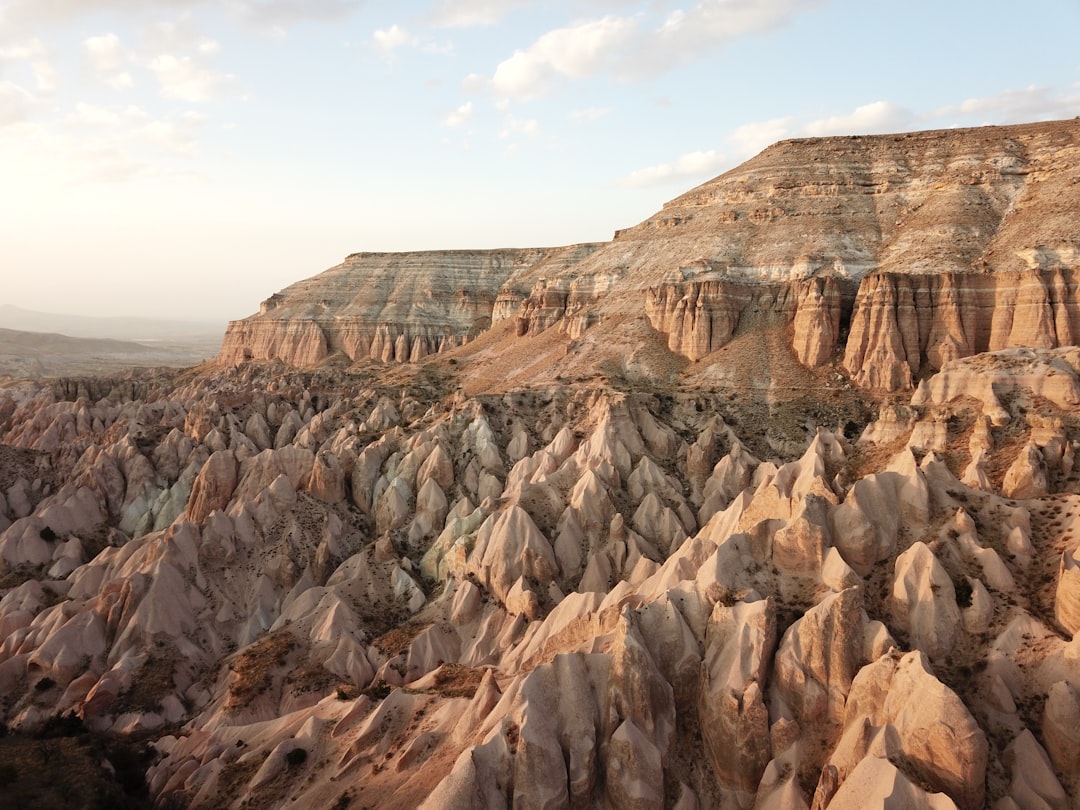
Turkey is one of the most historically layered countries on Earth — a place where civilizations have risen and fallen for 12,000 years, leaving behind temples, rock churches, buried cities, and imperial palaces that few other destinations can match. For travelers based in Cappadocia, the good news is that you are already at the geographical heart of this history. Many of the most important sites are within a day’s reach or a short domestic flight away. Whether you plan to stay in the region or extend your trip across the country, this guide covers the historic sites that genuinely deserve your time. For private transfers to regional sites near Cappadocia, use the Cappadocia taxi price calculator to plan your journey.
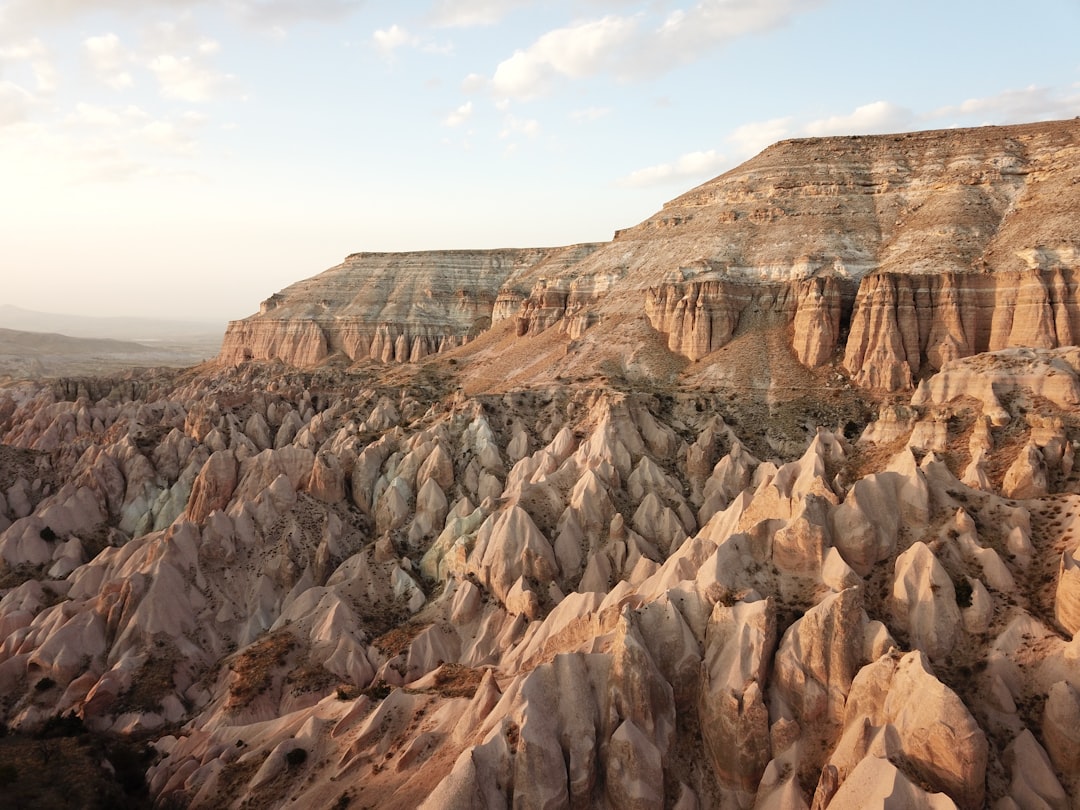
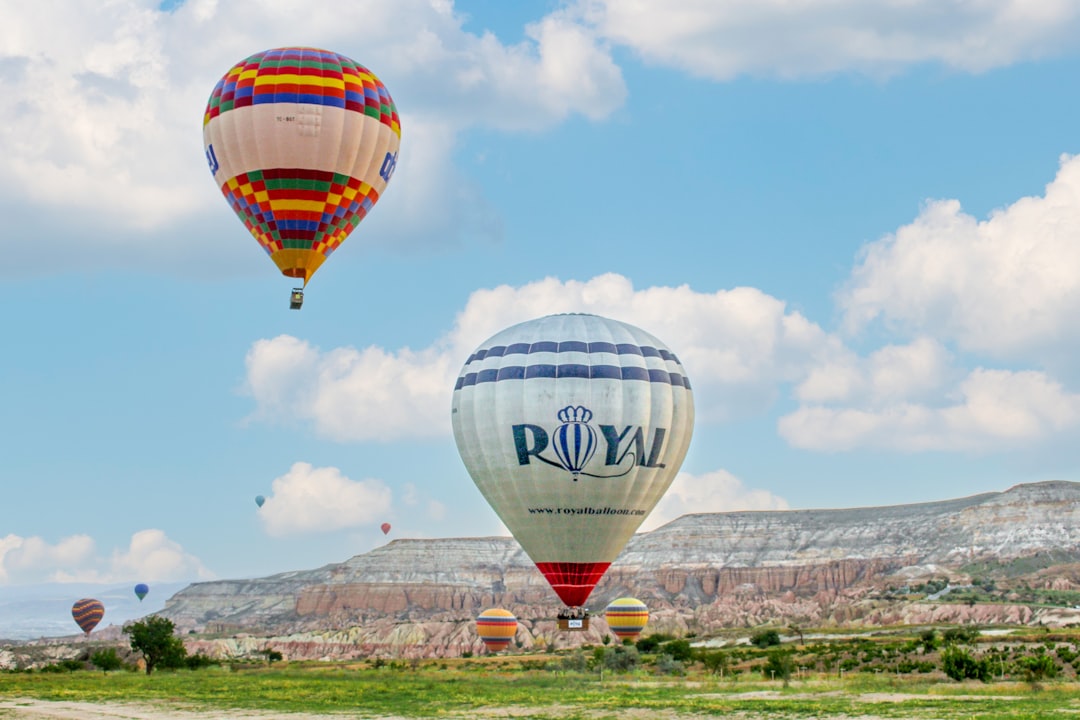
Cappadocia: Your Historic Home Base
Göreme Open Air Museum
No visit to Cappadocia is complete without spending several hours inside the Göreme Open Air Museum, a UNESCO World Heritage Site that contains some of the finest surviving Byzantine frescoes anywhere in the world. The complex is a collection of rock-cut churches and monasteries carved directly into the volcanic tufa cliffs, many of them dating from the 10th to 12th centuries when Cappadocia was a thriving monastic heartland. The Dark Church (Karanlık Kilise) is the standout — its interior murals depicting the life of Christ are extraordinarily vivid because the limited light exposure over the centuries has preserved the pigment to a degree that frescoes in sunlit churches rarely achieve.
- Standout fact: The Göreme complex held a monastic community of several hundred monks at its height in the 11th century.
- Location: Göreme town center, walkable from most hotels.
- Time needed: 2–3 hours minimum; add the Dark Church separately (small extra fee).
Derinkuyu Underground City
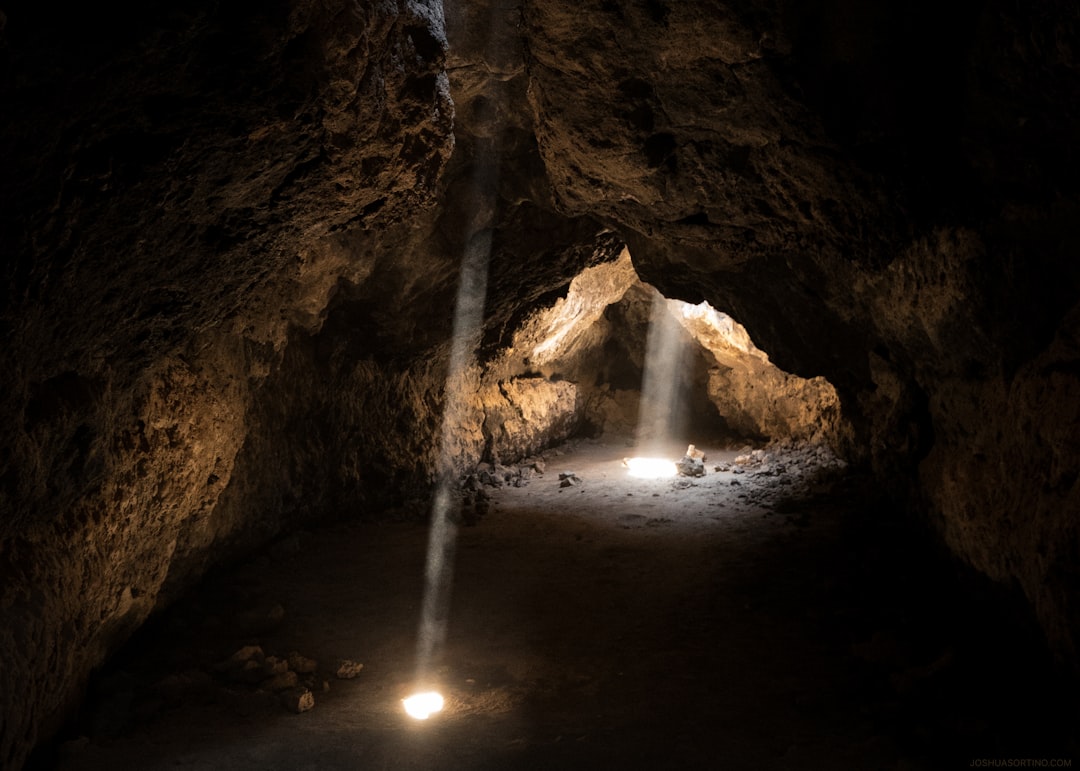
Beneath the plains south of Göreme lies one of the most extraordinary feats of ancient engineering you will ever encounter. Derinkuyu Underground City descends eight levels below the surface and at its peak could shelter an estimated 20,000 people, along with their livestock, food stores, and water supply. The tunnels were originally carved by the Hittites in the 8th century BC and were expanded over subsequent centuries by early Christians fleeing Roman and later Arab persecution. Walking through the narrow, low corridors — past millstone doors that could be rolled shut to seal off an entire level — gives a visceral sense of the ingenuity and fear that shaped this place.
- Standout fact: Derinkuyu is connected by a 9-kilometer underground tunnel to the nearby Kaymaklı underground city.
- Location: 29 km south of Göreme; accessible by private transfer or organized tour.
- Time needed: 1–1.5 hours inside; combine with Kaymaklı for a full underground day.
Istanbul: Two Icons in One City
Hagia Sophia
When Byzantine Emperor Justinian I inaugurated Hagia Sophia in 537 AD, he reportedly said: “Solomon, I have surpassed thee.” For nearly a thousand years, this great domed basilica stood as the largest cathedral in the world and the spiritual center of Eastern Christendom. It served as an Ottoman mosque from 1453, was converted into a museum in 1934, and was reclassified as a mosque in 2020 — meaning its mosaics are now periodically covered during prayer times. The building’s most remarkable engineering achievement is its dome, which appears to float above the nave thanks to a ring of forty windows that flood the base of the structure with light, creating an illusion of weightlessness that still astonishes visitors nearly fifteen centuries later.
- Standout fact: The main dome spans 31 meters in diameter and remained the world’s largest for almost a millennium.
- Getting there from Cappadocia: 1-hour domestic flight from Kayseri (ASR) or Nevşehir (NAV) to Istanbul.
Topkapı Palace
For nearly four centuries, Topkapı Palace served as the administrative heart of the Ottoman Empire, housing the sultan, his court, and the imperial harem within a sprawling complex overlooking the Golden Horn and the Bosphorus. Built in the 1460s under Mehmed II, the palace grew over generations into a city within a city, its four successive courtyards each more restricted than the last. The Treasury holds artifacts of staggering value — the Topkapı Dagger, the Spoonmaker’s Diamond — while the Chamber of Sacred Relics contains items attributed to the Prophet Muhammad, making it a site of profound religious significance as well as historical interest.
- Standout fact: At its peak, the palace complex housed up to 4,000 people including the full Ottoman court and harem residents.
- Tip: Book tickets in advance; queues for the Harem are long and entry is quota-controlled.
Western Turkey: Ancient Worlds on the Aegean
Ephesus
Ephesus is the best-preserved Greco-Roman city in the eastern Mediterranean, and walking its marble-paved streets — past temples, bathhouses, a 25,000-seat theatre, and the iconic Library of Celsus — is as close as you can come to experiencing what ancient urban life actually looked like. At its height under Roman rule, Ephesus had a population of 200,000 and was the fourth largest city in the empire. The Library of Celsus, built in 117 AD as both a tomb and a repository for 12,000 scrolls, is the most photographed structure at the site — its two-story facade, restored in the 1970s, gives an immediate sense of the architectural sophistication of Roman Anatolia.
- Standout fact: The Temple of Artemis at Ephesus was one of the Seven Wonders of the Ancient World — only fragmented ruins remain today.
- Getting there: Fly from Kayseri to İzmir (ADB); Ephesus is 80 km south of İzmir near the town of Selçuk.
Troy (Çanakkale)
The city that launched Homer’s Iliad is real, and it sits near the western tip of Turkey overlooking the Dardanelles strait. What makes ancient Troy exceptional among archaeological sites is its complexity: excavations have revealed nine distinct layers of civilization stacked on top of one another, spanning from approximately 3000 BC through to the Byzantine era. The layer known as Troy VIIa is the strongest candidate for the city of the Trojan War, dating to around 1180 BC. A large wooden horse replica now stands at the entrance for photographs, which is either charming or slightly absurd depending on your tolerance for tourist theatrics — but the ruins themselves, particularly the defensive walls of Troy VI and the ancient ramp, reward careful exploration.
- Standout fact: Heinrich Schliemann, who excavated Troy in the 1870s, smuggled what he called “Priam’s Treasure” out of Turkey — it ended up in Moscow.
- Getting there: Best combined with a Gallipoli visit; fly to Istanbul and travel overland to Çanakkale.
Eastern & Central Turkey: The Road Less Traveled
Göbekli Tepe (Şanlıurfa)
Göbekli Tepe rewrote the history books when excavations began in the 1990s and revealed what is now recognized as the world’s oldest known temple complex, built approximately 12,000 years ago — roughly 7,000 years before Stonehenge and 6,000 years before the invention of writing. The site consists of massive T-shaped stone pillars carved with bas-reliefs of animals including foxes, vultures, scorpions, and wild boars, arranged in circular enclosures on a hilltop in southeastern Turkey. The most startling implication of Göbekli Tepe is that the hunter-gatherer societies who built it were capable of extraordinary collective organization long before the development of agriculture — overturning a long-held assumption that complexity required settled farming communities.
- Standout fact: Only about 5% of the site has been excavated; researchers believe many more enclosures remain buried.
- Getting there: Fly to Şanlıurfa (GNY) from Istanbul or Ankara; the site is 15 km northeast of the city.
Ani (Kars)
On the remote northeastern frontier, where Turkey meets Armenia, the ruined medieval city of Ani stands in haunting silence on a windswept plateau above the Akhurian River gorge. In the 10th and 11th centuries, Ani was the capital of the Bagratid Armenian kingdom and one of the great cities of the medieval world, with a population estimated at 100,000 and a skyline of churches, palaces, and fortifications that rivaled Constantinople. Sacked by the Mongols in 1236 and devastated by an earthquake in 1319, it was gradually abandoned and has remained largely unoccupied ever since — which paradoxically makes it one of the most remarkably preserved medieval urban ruins in the Middle East.
- Standout fact: Ani’s Cathedral of Ani, begun in 989 AD, is credited with influencing Gothic architectural development through Armenian craftsmen who traveled west.
- Getting there: Fly to Kars (KSY); Ani is 45 km east. Allow a full day including travel.
Sumela Monastery (Trabzon)
Few religious sites anywhere in the world make as dramatic a visual statement as Sumela Monastery, a Greek Orthodox foundation established in 386 AD and built directly into a sheer cliff face 1,200 meters above the Black Sea coast near Trabzon. The monastery clings to the rock like a swallow’s nest, its whitewashed walls rising from the vertical face of the Pontic mountains. Inside the rock church, frescoes from the 18th century cover every surface — vivid, slightly faded depictions of biblical scenes that survived the monastery’s abandonment in 1923 during the population exchange between Greece and Turkey. The approach through dense Pontic forest along a path that climbs steeply from the valley floor adds to the sense of otherworldly arrival.
- Standout fact: Legend holds that an icon of the Virgin Mary painted by St. Luke himself was brought to Sumela in the 4th century and hidden in a cave within the cliff during periods of persecution.
- Getting there: Fly to Trabzon (TZX); the monastery is 47 km south in the Altındere valley.
Pamukkale & Hierapolis
Pamukkale combines two remarkable experiences in one site: a natural landscape of brilliant white calcium terraces formed by thermal spring water cascading down the hillside, and immediately above them, the extensive ruins of the ancient Greco-Roman city of Hierapolis. The Romans recognized the thermal pools for their therapeutic properties and built Hierapolis as a spa city in the 2nd century BC, attracting wealthy visitors from across the empire. The site’s vast necropolis — one of the largest in the ancient world, with over 1,200 tombs — reflects how many people came here hoping the waters would heal them, and how many remained permanently. The combination of the surreal white travertine terraces below and the temple columns and sarcophagi above makes Pamukkale one of the most visually distinctive sites in Turkey.
- Standout fact: The thermal pools at Hierapolis reach 35°C and contain calcium bicarbonate — swimming among sunken Roman columns in the Antique Pool is genuinely possible and very memorable.
- Getting there: Fly from Kayseri to Denizli (DNZ); Pamukkale is 20 km from the city.
Planning Your Turkey Historic Sites Tour
How many days do you need to cover the main historic sites in Turkey?
A thorough tour of Turkey’s top historic sites requires at least 10–14 days. Istanbul alone warrants 3–4 days for Hagia Sophia, Topkapı Palace, the Grand Bazaar, and the Basilica Cistern. Cappadocia deserves 3 days minimum. Ephesus and the Aegean region need 2 days. Sites in eastern Turkey — Göbekli Tepe, Ani, Sumela — each require dedicated day trips from nearby cities and add another 3–5 days if you include them. A two-week itinerary is realistic for a meaningful overview; three weeks allows a more relaxed pace.
What is the best order to visit Turkey’s historic sites?
The most logical sequence depends on your flight route, but a popular approach starts in Istanbul (3–4 days), flies or travels by bus to Cappadocia for the central Anatolian sites (3 days), then continues west to Ephesus and Pamukkale (2–3 days) before returning to Istanbul. If you want to include eastern Turkey — Göbekli Tepe, Ani, or Sumela — plan a separate leg or add it at the end via domestic flights. Cappadocia is a natural mid-point and a useful base for exploring central Turkey independently.
Which historic site in Turkey requires the most travel time to reach?
Ani, near Kars in northeastern Turkey, is the most logistically demanding. It requires a flight to Kars (usually via Istanbul or Ankara) followed by a 45-minute drive to the site itself. Göbekli Tepe near Şanlıurfa is similarly remote and involves a flight to southeastern Turkey. Both sites are absolutely worth the effort — they are among the least-visited and most extraordinary places in the country — but they work best as part of a dedicated eastern Turkey itinerary rather than a quick detour.