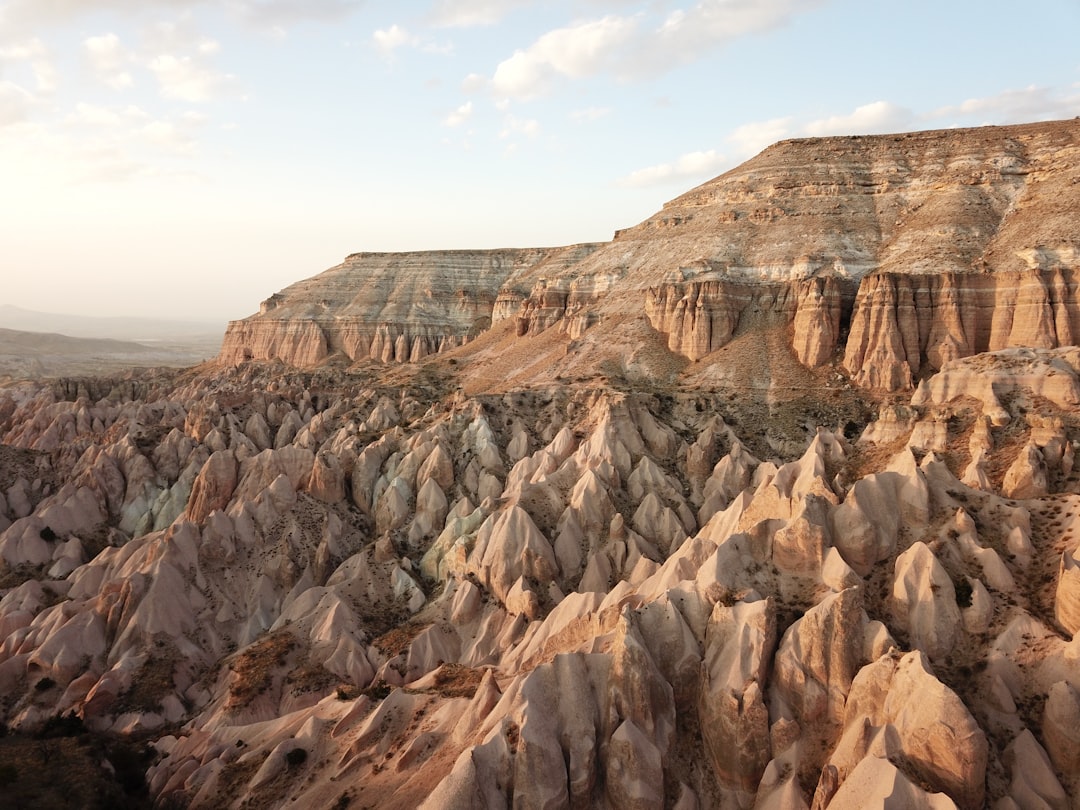
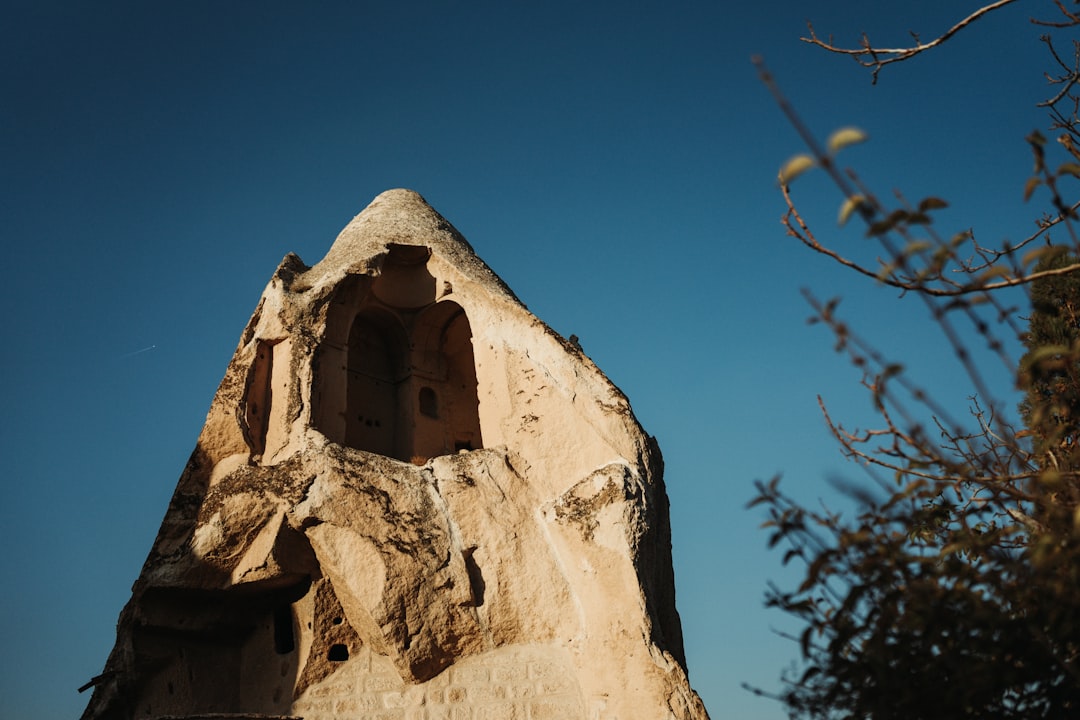
When most people picture Turkish cuisine, they imagine spit-roasted meats, kebabs, and grilled offal. What many visitors to Cappadocia discover — often with surprised delight — is that Turkey's food culture runs much deeper than meat. Rooted in centuries of fasting traditions, seasonal harvests, and a landscape that has always rewarded patience over excess, the village cuisine of Cappadocia carries a quiet, profound affection for vegetables. Göreme, perched among its famous fairy chimneys and carved cave dwellings, turns out to be a genuinely welcoming destination for plant-based eaters.
This should not come as a complete surprise. Cappadocia sits at the crossroads of Anatolia's oldest agricultural traditions, where communities have cultivated land for thousands of years without heavy reliance on animal farming. The fairy chimney landscape you come to photograph was shaped by the same volcanic soil that feeds the vineyards, orchards, and vegetable plots that still surround every village. Eating here, as a plant-based traveller, is an act of connection to that long history.
Why Göreme Is Good for Plant-Based Eaters
The foundation of plant-friendly eating in Cappadocia is a category of Turkish cooking known as zeytinyağlı — literally "with olive oil." These dishes, which include slow-braised green beans, artichoke hearts, leeks with rice, and stuffed vegetables cooked entirely in olive oil, are inherently vegan. They are not adaptations or substitutions; they are how these dishes have always been made. In Turkish homes, zeytinyağlı dishes are typically served at room temperature as part of a spread of meze, and they represent some of the most quietly delicious food in the entire Anatolian tradition.
Beyond technique, there is history. Ottoman-era Ramadan fasting traditions and the Greek Orthodox Lent practices that shaped Cappadocia's Christian communities both produced a rich culture of vegetable-forward cooking. When meat was restricted, imagination filled the gap — with lentils, bulgur, stuffed grape leaves, and eggplant prepared in dozens of ways. That ingenuity never disappeared; it simply became part of everyday cooking. Add to this the region's fertile volcanic soil, which produces exceptional tomatoes, peppers, pumpkins, and onions, and you begin to understand why eating plant-based here feels less like a compromise and more like an adventure.
Must-Try Vegan and Vegetarian Turkish Dishes in Cappadocia
Walking through Göreme's restaurant district, you will find many of these dishes appearing on menus without any special labelling. They are simply part of the cuisine. Here are the ones worth seeking out:
- İmam bayıldı: The queen of Turkish vegan cooking. Whole eggplant split open and slow-braised with olive oil, garlic, onion, and tomato until it collapses into something extraordinary. The name translates roughly as "the imam fainted" — supposedly from the sheer pleasure of the dish.
- Mercimek çorbası: Red lentil soup, finished with a drizzle of butter (ask for it without if you are vegan — it is easy to leave out) and a squeeze of lemon. Warming, filling, and ubiquitous across Cappadocia.
- Kısır: A bulgur wheat salad with tomato paste, pomegranate molasses, spring onions, parsley, and a faint heat from dried chilli. Tangy, herby, and entirely plant-based.
- Zeytinyağlı dolma: Grape leaves or peppers stuffed with rice, pine nuts, currants, and spices, braised in olive oil. The key word is zeytinyağlı — this version has no meat; the etli (with meat) version does.
- Sigara böreği (spinach): Crispy rolled pastry filled with spinach and feta. Not vegan due to the cheese, but easily the most approachable vegetarian snack in any Göreme café.
- Turkish bread — bazlama and pide: Freshly baked flatbreads, sometimes cooked over a griddle, sometimes in a wood-fired oven. Perfect with any meze spread, and almost always vegan by default.
- Patlıcan salatası: Smoky roasted eggplant salad, similar in spirit to baba ghanoush. Found in almost every meze selection and always worth ordering.
Göreme's Restaurant Scene for Plant-Based Diners
Göreme has developed a restaurant scene that, while not exclusively vegan-focused, is remarkably adaptable. Cave restaurants — dining rooms carved directly into the volcanic rock — tend to offer generous meze selections that are naturally plant-heavy. Order a selection of cold mezes to start, and you will typically find yourself with a table full of colour before anything hot arrives.
Terrace restaurants with views over the valley are another Göreme staple, and many of them print a "vegetarian" section on their menus as a nod to international visitors. Full vegan-dedicated menus are still relatively rare — this is a region where dairy and eggs appear in many dishes without announcement — but eating a completely plant-based meal is entirely possible if you communicate clearly.
The most useful phrase you can learn is "etisiz" (without meat, pronounced approximately as "eht-ee-seez"). For a fully vegan request, "vegan" itself is widely understood in tourist-area restaurants, and staff in Göreme are generally experienced at fielding the question. You can also ask "tereyağsız mı?" (is it without butter?) for dishes like gözleme where you want to be certain. Waiters in Göreme's main dining strip have heard these requests hundreds of times and will usually help you navigate the menu with good humour.
Local Produce Markets
One of the pleasures of travelling through Cappadocia as a plant-based eater is the access to extraordinary fresh produce. The Saturday market in Ürgüp, a short drive from Göreme, is one of the region's best. Local farmers bring in seasonal vegetables, dried legumes, pickled goods, fresh herbs, and an impressive variety of locally pressed olive oil. In spring and early summer, look for fresh broad beans, artichokes, and wild greens. Autumn brings pumpkins, pomegranates, and quince.
The market in Avanos, the pottery town on the banks of the Kızılırmak River, runs on a similar schedule and is slightly less tourist-oriented, which means prices are lower and the atmosphere is more relaxed. Avanos also has a small cluster of cafés around the main square where you can sit with a glass of apple tea after browsing. Olive oil from the Kapadokya Zeytinleri cooperative — produced from the few olive groves that manage to thrive at this altitude — is worth bringing home as a reminder of the region's understated agricultural richness. To explore these market towns from Göreme by taxi, check the Cappadocia taxi price calculator.
Food to Avoid Confusion On
A few dishes can trip up plant-based visitors who assume they are safe without asking. It is worth knowing these in advance:
- Börek: Layered pastry that can be filled with meat, cheese, spinach, or potato depending on the type. Always ask what is inside before ordering.
- Gözleme: Thin flatbread cooked on a griddle, typically filled with cheese, potato, or spinach. Almost always made with butter on the griddle — ask "tereyağsız" if you need it cooked without.
- Baklava: The famous syrup-soaked pastry is made with clarified butter (and sometimes includes pistachios, which are themselves vegan — but the pastry is not). Not suitable for vegans.
- Lahmacun: Often called Turkish pizza, this thin flatbread is topped with spiced minced meat and is not vegetarian. However, regular pide (bread) ordered plain or with vegetables is a fine alternative.
- Ayran: The salted yoghurt drink served alongside almost every meal is dairy-based. Many restaurants also stock cold water or fruit juices as alternatives.
Beyond Göreme: Day-Trip Food Finds
Cappadocia's plant-based food scene extends well beyond Göreme's main strip. Several village destinations reward a half-day detour for their food culture alone.
Mustafapaşa, the quiet Greek-influenced village to the south of Ürgüp, has a handful of traditional guesthouses where home-cooked meals are part of the experience. The cooking here leans heavily on whatever is growing in the garden — which in summer means tomatoes, courgettes, peppers, and aubergines prepared simply and beautifully. Avanos, in addition to its market, has a growing café culture around the ceramic studios lining its cobbled streets. Several of these cafés offer vegetable-forward lunch plates and freshly baked goods alongside the expected Turkish coffee and tea. Ürgüp itself, as the region's most polished town, has a bazaar district where restaurants set out fresh produce menus at lunchtime that change with the season.
The broader lesson of eating plant-based in Cappadocia is that the ingredients have always been here, in the soil and the tradition. It is a cuisine that was feeding people through long winters and lean years long before the word "vegan" existed in any language. Travelling through it with an open appetite and a few key phrases is one of the most rewarding ways to experience what this region truly is.
Frequently Asked Questions
Is Turkey a good destination for vegan travellers?
More so than many expect. Turkish cuisine has a deep tradition of olive-oil-based vegetable dishes (zeytinyağlı) that are inherently vegan, alongside lentil soups, bulgur salads, and stuffed grape leaves. Dairy and eggs appear in many dishes without announcement, so clear communication is important, but a fully plant-based experience is achievable — especially in tourist areas like Göreme where restaurant staff are accustomed to the request.
What is the easiest vegan Turkish dish to find in Cappadocia?
Mercimek çorbası (red lentil soup) and kısır (bulgur wheat salad) are found on nearly every menu and are almost always vegan. İmam bayıldı (braised eggplant in olive oil) and zeytinyağlı dolma (olive-oil-stuffed grape leaves) are also widely available and are entirely plant-based in their traditional form. Start with cold meze selections and you will rarely go wrong.
How do I say I am vegan in Turkish?
The word "vegan" is widely understood in tourist areas. For additional clarity, you can say "et yemiyorum" (I don't eat meat), "süt ürünleri yemiyorum" (I don't eat dairy), or "etisiz lütfen" (without meat, please). In Göreme's restaurants, staff are generally experienced with these requests and will help you navigate the menu.