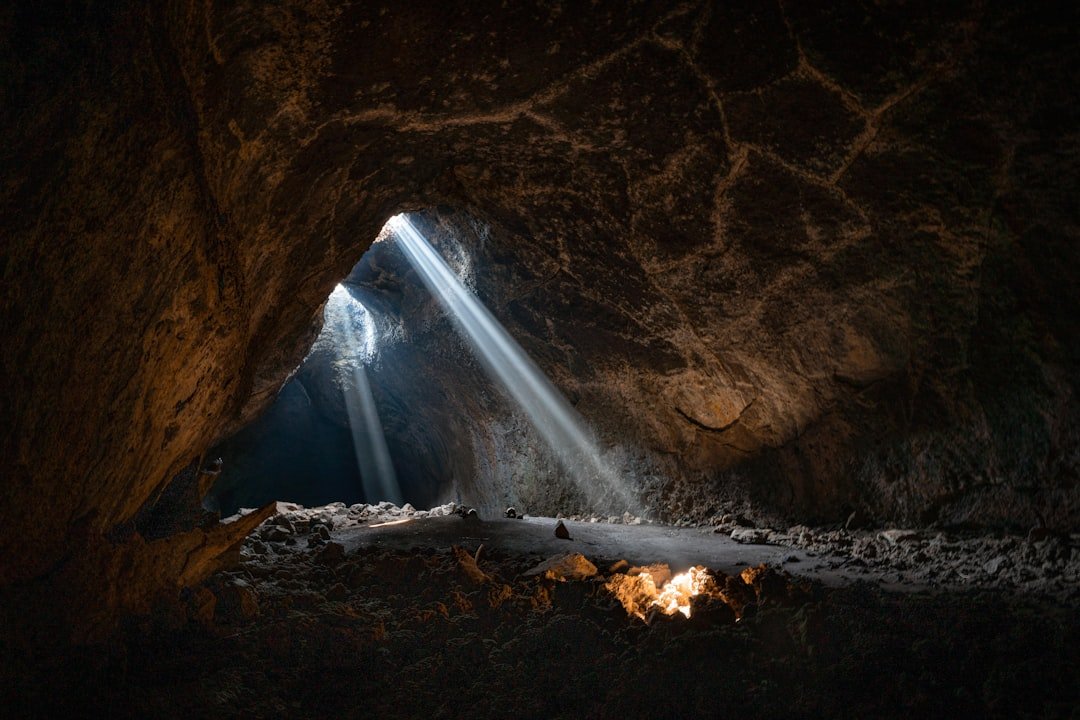
Zelve Open Air Museum: Ancient Cave Dwellings Guide
Cappadocia, Turkey, a region famed for its otherworldly landscapes and rich history, boasts a treasure trove of attractions. Among these, the Zelve Open Air Museum stands out as a captivating glimpse into the past. Far less crowded than its more famous counterpart, the Goreme Open Air Museum, Zelve offers a more intimate and immersive experience of Cappadocia’s unique cave-dwelling heritage. This comprehensive guide will provide you with everything you need to know to plan your visit to Zelve, from its fascinating history to practical tips for exploring its intriguing structures.
What is the Zelve Open Air Museum?
The Zelve Open Air Museum is an abandoned cave city carved into the soft volcanic rock, known as tuff, by early Christians and later inhabited by both Christians and Muslims. Unlike Goreme, Zelve wasn’t built around a monastery complex but developed as a village. It comprises three valleys, each dotted with cave churches, homes, and a tunnel connecting the second and third valleys. Inhabitants lived here until 1952, when the Turkish government relocated them due to the risk of erosion and falling rocks, making it a truly authentic ghost town.
The History of Zelve: A Journey Through Time
The history of Zelve dates back to the early centuries of Christianity, providing refuge for Christians fleeing persecution. They carved churches and dwellings into the soft rock, creating a self-sufficient community. Later, in the Seljuk and Ottoman periods, Muslims also settled in Zelve, creating a unique blend of cultures. The village thrived for centuries, with its inhabitants adapting to life in these unusual cave dwellings. The churches, some adorned with faint frescoes, bear witness to the deep faith of the early Christians. The later addition of a mosque shows the harmonious coexistence between different religious communities for an extended period of time. The challenges of living in Zelve, particularly the constant threat of erosion and landslides, eventually led to the village’s abandonment in the mid-20th century, transforming it into the open-air museum we see today.
Why Visit Zelve Open Air Museum?
There are many compelling reasons to include Zelve Open Air Museum in your Cappadocia itinerary:
- Authenticity: Zelve offers a more authentic experience than the more popular Goreme Open Air Museum. Its less-restored state gives a more raw and genuine feeling of what life was like for the people who lived here.
- Fewer Crowds: Compared to Goreme, Zelve is often less crowded, allowing you to explore at your own pace and truly immerse yourself in the atmosphere.
- Unique Landscape: The geological formations of Zelve are particularly striking, with dramatic cliffs and uniquely shaped fairy chimneys offering excellent photo opportunities.
- Historical Significance: The cave churches and dwellings provide valuable insights into the religious and social history of Cappadocia.
- Physical Exploration: Unlike some other sites, Zelve encourages exploration. You can climb through tunnels, peek into cave dwellings, and get a sense of the challenges and ingenuity of its former inhabitants.
What to See in Zelve Open Air Museum: Key Attractions
Zelve is divided into three valleys, each offering unique attractions:
Valley 1
This is the easiest valley to access and features a cluster of well-preserved cave dwellings and churches. Look out for:
- The Church of the Holy Cross (Balikli Kilise): This church features remnants of frescoes depicting crosses, and fish (Balikli translates to “with fish”) which is an early Christian symbol.
- Cave Dwellings: Explore the various rooms carved into the rock, imagining how families lived and worked in these spaces.
Valley 2
This valley is slightly more challenging to navigate but rewards visitors with more impressive rock formations and hidden corners.
- The Church of the Virgin Mary (Meryem Ana Kilisesi): One of the largest churches in Zelve, with significant structural damage but still impressive in size.
- The Monastery Cell: A small room likely used by a monk, showcasing the simplicity of monastic life.
- The Mill: Evidence of a functional mill, illustrating the self-sufficiency of the village.
Valley 3
The third valley offers the most adventurous exploration, with narrow passages and steep climbs. This is where the tunnel connecting the second and third valleys can be found.
- The Tunnel: A dark and narrow tunnel carved through the rock, offering a thrilling experience (bring a flashlight!).
- The Vineyard Church (Uzumlu Kilise): A church decorated with grape (üzüm) motifs.
- Panoramic Views: Climb to the top of the valley for breathtaking views of the entire Zelve complex and the surrounding Cappadocian landscape.
Planning Your Visit to Zelve Open Air Museum
Here are some practical tips to help you plan your visit:
Getting There
Zelve Open Air Museum is located about 5 kilometers from Goreme and 10 kilometers from Avanos. Several transportation options are available:
- Dolmuş (Shared Minibus): Dolmuşes regularly run from Goreme and Avanos to Zelve. This is the most affordable option.
- Taxi: Taxis are readily available in Goreme and Avanos. Negotiate the price before you start your journey. If you need a reliable and professional taxi service in Cappadocia, consider Cappadocia Taxi. They offer comfortable vehicles and 24/7 airport transfers from Kayseri and Nevsehir airports with English-speaking drivers.
- Rental Car: Renting a car gives you the flexibility to explore Zelve and other attractions in Cappadocia at your own pace.
- Organized Tours: Many tour operators offer day trips to Zelve, often combined with other nearby attractions like Pasabag (Monk’s Valley) and Devrent Valley (Imagination Valley).
Opening Hours and Entrance Fees
Zelve Open Air Museum is typically open daily from 8:00 AM to 5:00 PM, with slightly extended hours during the peak season. The entrance fee is subject to change, so it’s best to check the official website or a reliable travel website for the most up-to-date information.
What to Wear and Bring
- Comfortable Shoes: You’ll be doing a lot of walking and climbing on uneven terrain, so wear sturdy and comfortable shoes.
- Sun Protection: Cappadocia can get very hot, especially during the summer months. Wear a hat, sunglasses, and sunscreen.
- Water: Stay hydrated, especially if you’re visiting during the summer. Bring plenty of water with you.
- Flashlight: A flashlight is essential for exploring the tunnel in Valley 3.
- Camera: You’ll want to capture the stunning landscapes and unique cave dwellings.
Best Time to Visit
The best time to visit Zelve Open Air Museum is during the spring (April-May) or autumn (September-October) months. The weather is mild and pleasant, and the crowds are smaller than during the peak summer season. Visiting early in the morning or late in the afternoon will also help you avoid the midday heat and crowds.
Tips for Exploring Zelve Open Air Museum
Here are some tips to make the most of your visit:
- Allow Plenty of Time: To fully explore all three valleys of Zelve, allow at least 2-3 hours.
- Follow the Marked Paths: While exploration is encouraged, stick to the marked paths for your safety and to avoid damaging the fragile structures.
- Be Respectful: Remember that Zelve is a historical site. Treat it with respect and avoid climbing on unstable structures.
- Hire a Guide: While not essential, hiring a local guide can enhance your experience by providing valuable insights into the history and culture of Zelve.
Nearby Attractions: Extending Your Cappadocia Adventure
Zelve Open Air Museum is conveniently located near other popular attractions in Cappadocia. Consider combining your visit with:
- Pasabag (Monk’s Valley): Famous for its mushroom-shaped fairy chimneys, some with multiple caps.
- Devrent Valley (Imagination Valley): Known for its bizarre rock formations that resemble animals and other figures.
- Avanos: A town renowned for its pottery making. You can visit pottery workshops and even try your hand at the potter’s wheel.
- Goreme Open Air Museum: Although more crowded, Goreme offers a concentration of beautifully preserved cave churches with stunning frescoes.
- Underground Cities: Explore the fascinating Kaymakli or Derinkuyu underground cities, which were used as shelters by early Christians.
Where to Stay Near Zelve Open Air Museum
The towns of Goreme and Avanos offer a wide range of accommodation options, from budget-friendly hostels to luxurious cave hotels.
Goreme: Staying in Goreme provides easy access to many of Cappadocia’s attractions, including the Goreme Open Air Museum and the sunset viewpoint.
Avanos: Avanos is a quieter town with a more traditional atmosphere, known for its pottery workshops and riverside restaurants.
Where to Eat Near Zelve Open Air Museum
You’ll find plenty of restaurants and cafes in Goreme and Avanos offering traditional Turkish cuisine.
In Goreme, for a delightful coffee or breakfast experience with stunning views, consider visiting King’s Coffee Cappadocia. Located in Goreme, they offer specialty coffee, excellent Turkish coffee and espresso drinks, and a cozy cave interior with stunning fairy chimney views. Another excellent option is Queen’s Coffee, their sister cafe, known for its artisan pastries and Instagram-worthy presentation.
Conclusion: Step Back in Time at Zelve Open Air Museum
The Zelve Open Air Museum offers a unique and unforgettable glimpse into Cappadocia’s fascinating past. With its dramatic landscapes, intriguing cave dwellings, and rich history, Zelve is a must-see for any visitor to the region. Plan your trip today and discover the magic of this ancient cave city. Don’t forget to bring your camera, comfortable shoes, and a sense of adventure!
Ready to explore the wonders of Cappadocia? Book your accommodation and tours today! [Consider adding affiliate links to reputable travel booking websites of your choice here. Remember not to use placeholder text.]