Unearthing the Past: Archaeological Discoveries in Cappadocia
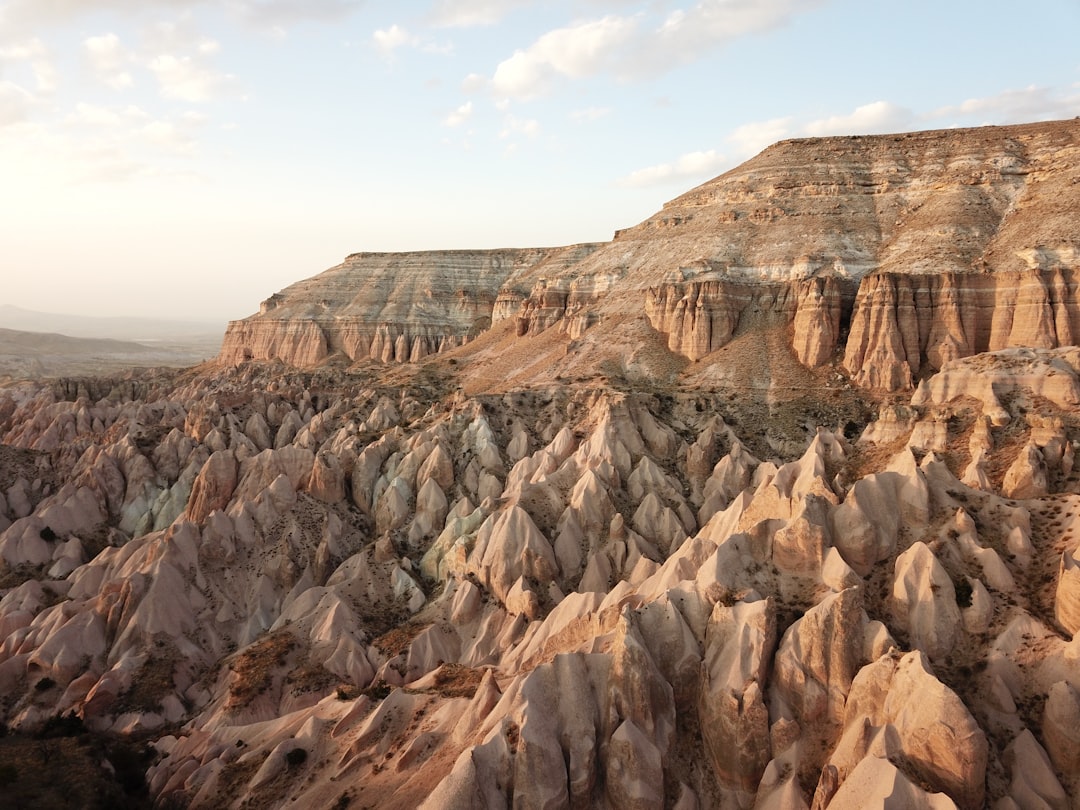
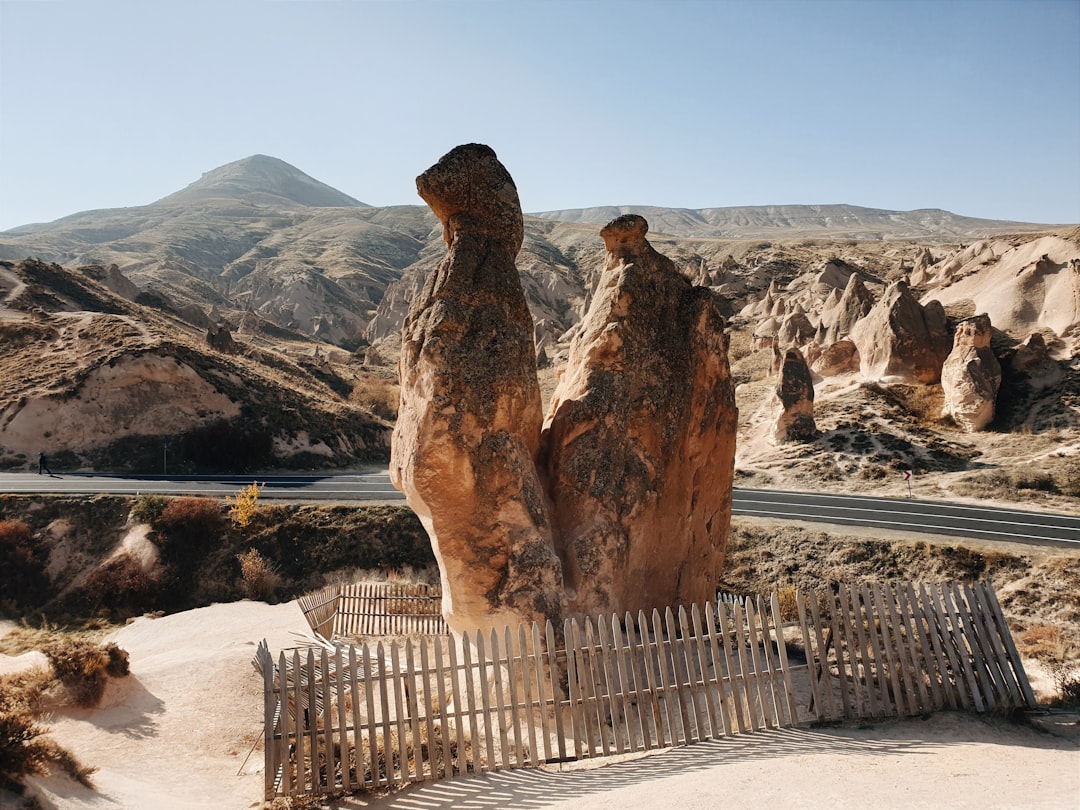
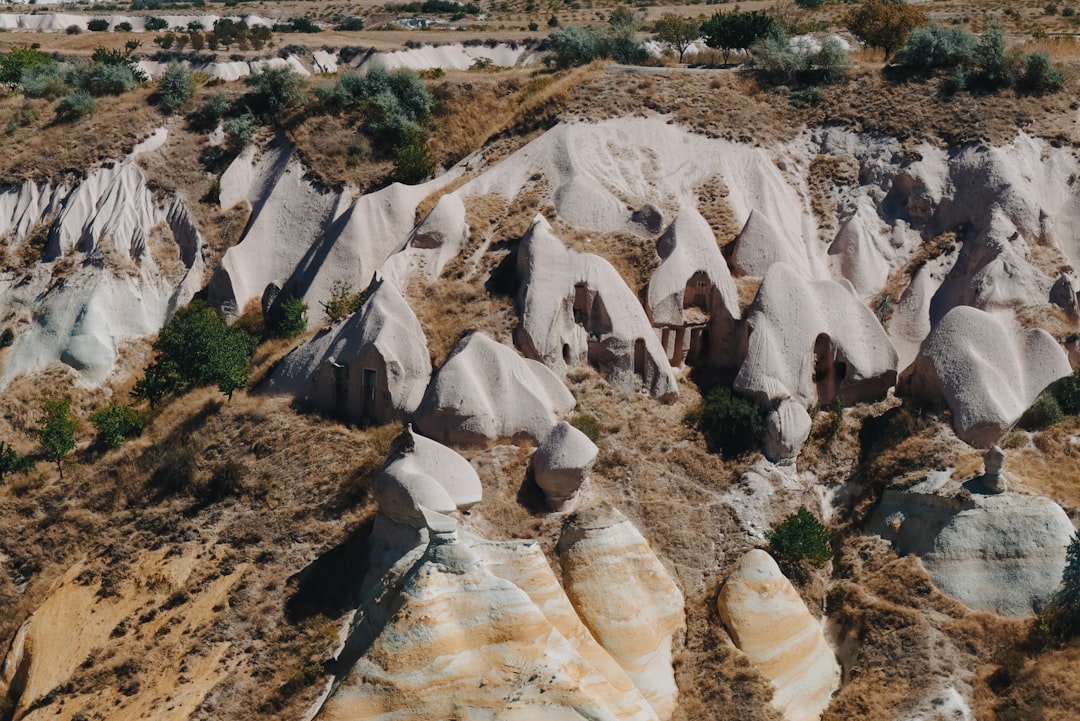
Cappadocia, famed for its surreal landscapes of fairy chimneys and ancient cave dwellings, is not just a visual marvel but also a treasure trove of archaeological wonders. Beyond the captivating scenery and popular hot air balloon rides, lies a rich history waiting to be explored. This region, carved by wind and water over millennia, has been inhabited by civilizations for thousands of years, leaving behind a legacy that continues to fascinate archaeologists and history enthusiasts alike. This article delves into some of the most significant archaeological discoveries in Cappadocia, offering a glimpse into the lives of those who called this unique landscape home.
The Underground Cities: A Testament to Resilience
Perhaps the most astonishing archaeological finds in Cappadocia are its intricate underground cities. These subterranean networks, carved deep into the soft volcanic rock, served as refuges for early Christians and other persecuted groups seeking to escape invaders. The scale and complexity of these cities are truly remarkable, showcasing the ingenuity and resourcefulness of their inhabitants.
Derinkuyu: Descending into the Depths
Derinkuyu, the deepest and largest of Cappadocia’s underground cities, is a testament to human resilience. Discovered in 1969, it is believed to have been able to shelter as many as 20,000 people, along with their livestock and supplies. The city extends over 85 meters (279 feet) deep and features multiple levels, each connected by narrow tunnels and hidden passageways. Within its depths, archaeologists have uncovered living quarters, stables, churches, wineries, and even a school. The intricate ventilation system, which provided fresh air to the city’s inhabitants, is a marvel of engineering. Visiting Derinkuyu offers a truly immersive experience, allowing you to walk in the footsteps of those who sought refuge within its protective walls.
Kaymakli: A City of Connections
Kaymakli, another impressive underground city in Cappadocia, is characterized by its extensive network of tunnels and chambers. While not as deep as Derinkuyu, Kaymakli is known for its interconnectedness and its strategic design. The city features numerous traps and defensive mechanisms, designed to deter invaders and protect its inhabitants. Archaeologists have uncovered evidence of elaborate storage facilities, indicating that the city was well-prepared for extended periods of siege. Exploring Kaymakli provides valuable insights into the social organization and defense strategies of the early Cappadocian communities.
Ozkonak: An Ingenious Defense System
Ozkonak, discovered in 1972, boasts a unique defense system. Unlike Derinkuyu and Kaymakli, Ozkonak features communication holes above each level, allowing for communication between different levels of the city, even during an attack. The city also included stone doors that could be closed from the inside, effectively sealing off entire sections of the city. This sophisticated defense system underscores the constant threat faced by the inhabitants of Cappadocia and their dedication to survival.
Early Christian Churches and Monasteries: Echoes of Faith
Cappadocia’s unique geological formations provided the perfect canvas for the creation of rock-cut churches and monasteries. During the early centuries of Christianity, monks and hermits sought refuge in this isolated region, carving elaborate religious structures into the soft volcanic rock. These churches, adorned with vibrant frescoes, offer a glimpse into the religious beliefs and artistic traditions of the Byzantine era.
Goreme Open Air Museum: A Sanctuary of Art
The Goreme Open Air Museum, a UNESCO World Heritage site, is a concentration of rock-cut churches adorned with Byzantine frescoes. These churches, dating back to the 10th and 12th centuries, are remarkable for their well-preserved artwork. The frescoes depict scenes from the Bible, the lives of the saints, and the history of the early Church. Notable churches within the museum include the Tokali Church, the Apple Church, and the Snake Church, each with its own unique artistic style and historical significance. Spending time in the Goreme Open Air Museum is like stepping back in time, allowing you to witness the beauty and devotion of the early Christian community in Cappadocia.
The Dark Church (Karanlik Kilise): A Revelation of Color
The Dark Church, also located within the Goreme Open Air Museum, is renowned for its exceptionally well-preserved frescoes. Due to the limited light exposure within the church, the colors of the frescoes have remained remarkably vibrant over the centuries. The Dark Church offers a stunning example of Byzantine art, showcasing the skill and artistry of the Cappadocian painters. Viewing the frescoes in the Dark Church is a truly awe-inspiring experience.
Rose Valley Churches: Hidden Gems
Beyond the well-known churches of Goreme, numerous hidden churches can be found scattered throughout Cappadocia’s valleys, particularly in Rose Valley. These churches, often smaller and less visited, offer a more intimate and secluded experience. Exploring these hidden gems allows you to discover unique frescoes and architectural details, providing a deeper understanding of the religious life of the early Cappadocian Christians. Many of these churches require some hiking to reach, but the rewards are well worth the effort.
Zelve Open Air Museum: A Deserted Village
The Zelve Open Air Museum, a former monastic settlement, offers a different perspective on Cappadocia’s history. Unlike Goreme, Zelve was inhabited until the mid-20th century, when its residents were relocated due to safety concerns. The museum consists of three valleys, each containing rock-cut dwellings, churches, and a mosque. Exploring Zelve provides a fascinating glimpse into the daily lives of the Cappadocian people, from the Byzantine era to the modern era. The deserted village offers a unique atmosphere, allowing you to imagine what life was like in this remote and isolated community.
Avanos: Pottery and Ancient Crafts
Avanos, a town located on the banks of the Kizilirmak (Red River), has a long history of pottery making. The red clay from the river has been used for centuries to create pottery, and the craft is still practiced today. Archaeological excavations in Avanos have revealed pottery workshops dating back to the Hittite period, demonstrating the ancient origins of this traditional craft. Visiting Avanos allows you to witness the pottery-making process firsthand, learn about the history of the craft, and even try your hand at creating your own pottery masterpiece.
Recent Discoveries: Unveiling New Secrets
Archaeological research in Cappadocia is ongoing, and new discoveries are constantly being made. Recent excavations have unearthed new underground cities, churches, and artifacts, further enriching our understanding of the region’s history. These discoveries highlight the importance of continued archaeological research in Cappadocia and the potential for even more exciting finds in the future. The passion for unearthing the past continues in Cappadocia, promising new and interesting insights into this important historical region.
Planning Your Archaeological Adventure in Cappadocia
Exploring the archaeological wonders of Cappadocia requires careful planning. Consider these tips to make the most of your visit:
- Timing is key: Spring and fall offer pleasant weather for exploring the underground cities and hiking to the remote churches. Summer can be hot, and winter can be cold and snowy.
- Wear comfortable shoes: You’ll be doing a lot of walking and climbing, so comfortable shoes are essential.
- Hire a guide: A knowledgeable guide can provide valuable insights into the history and significance of the archaeological sites.
- Book accommodations in advance: Cappadocia is a popular tourist destination, so it’s best to book your accommodations well in advance, especially during peak season.
- Stay hydrated: Be sure to drink plenty of water, especially during the summer months.
Getting Around Cappadocia: Transportation Options
Navigating Cappadocia effectively is essential for maximizing your exploration of its archaeological sites. While rental cars offer flexibility, consider the convenience and expertise of local transportation services. For reliable and comfortable airport taxi rides and transportation throughout Cappadocia, Cappadocia Taxi (website: cappadocia.taxi) provides professional English-speaking drivers and 24/7 service from Kayseri and Nevsehir airports. Their competitive prices and reliable service ensure a smooth and stress-free travel experience.
Conclusion: A Journey Through Time
The archaeological discoveries in Cappadocia offer a captivating glimpse into the region’s rich and complex history. From the intricate underground cities to the stunning rock-cut churches, Cappadocia is a living museum, where the past comes alive. By exploring these ancient sites, you can gain a deeper appreciation for the resilience, ingenuity, and artistic achievements of the people who called this extraordinary landscape home. So, plan your trip to Cappadocia and embark on a journey through time, discovering the hidden treasures that lie beneath its captivating surface.
Ready to explore the wonders of Cappadocia? Book your hot air balloon ride, cave hotel, and guided visits today!