Cappadocia Architecture: Unveiling the Beauty of Cave Dwelling Design
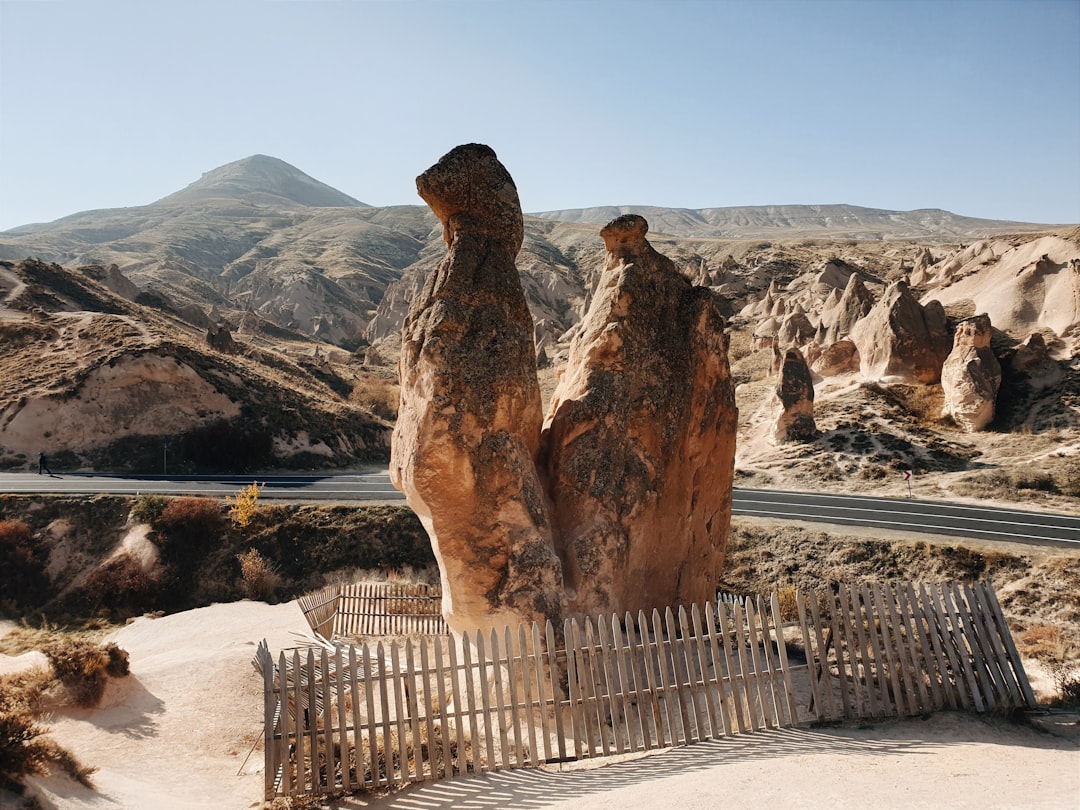
Cappadocia, Turkey, a region famed for its otherworldly landscapes of fairy chimneys, is also a testament to human ingenuity and adaptation. Beyond the breathtaking vistas and exhilarating hot air balloon rides, lies a captivating architectural history: the art of cave dwelling design. For centuries, the unique geological formations of Cappadocia have provided shelter, security, and inspiration, shaping a distinct architectural style that continues to fascinate visitors today.
The Geological Foundation of Cappadocian Cave Architecture
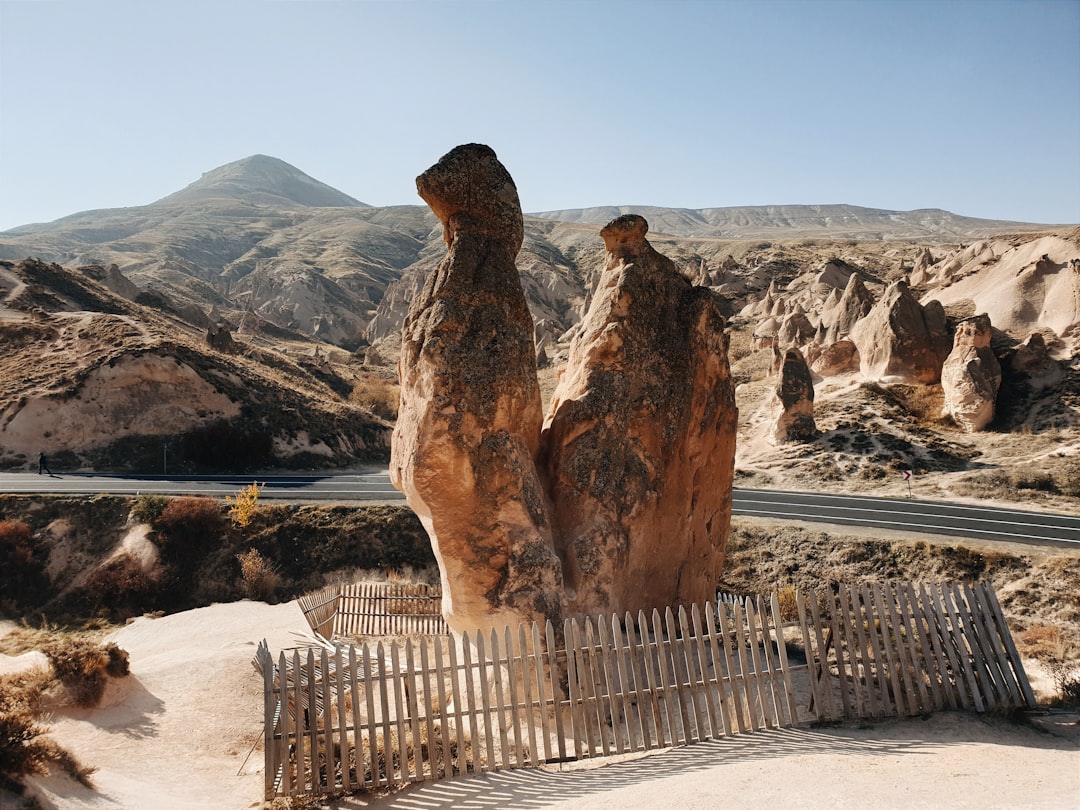
The story of Cappadocian architecture begins millions of years ago with volcanic eruptions that blanketed the region in ash and lava. Over time, erosion sculpted this soft volcanic rock, known as tuff, into the surreal landscape we see today. Tuff, while relatively soft and easy to carve, hardens upon exposure to air, making it an ideal building material for durable and naturally insulated structures. This unique property is the cornerstone of the region’s cave dwelling architecture.
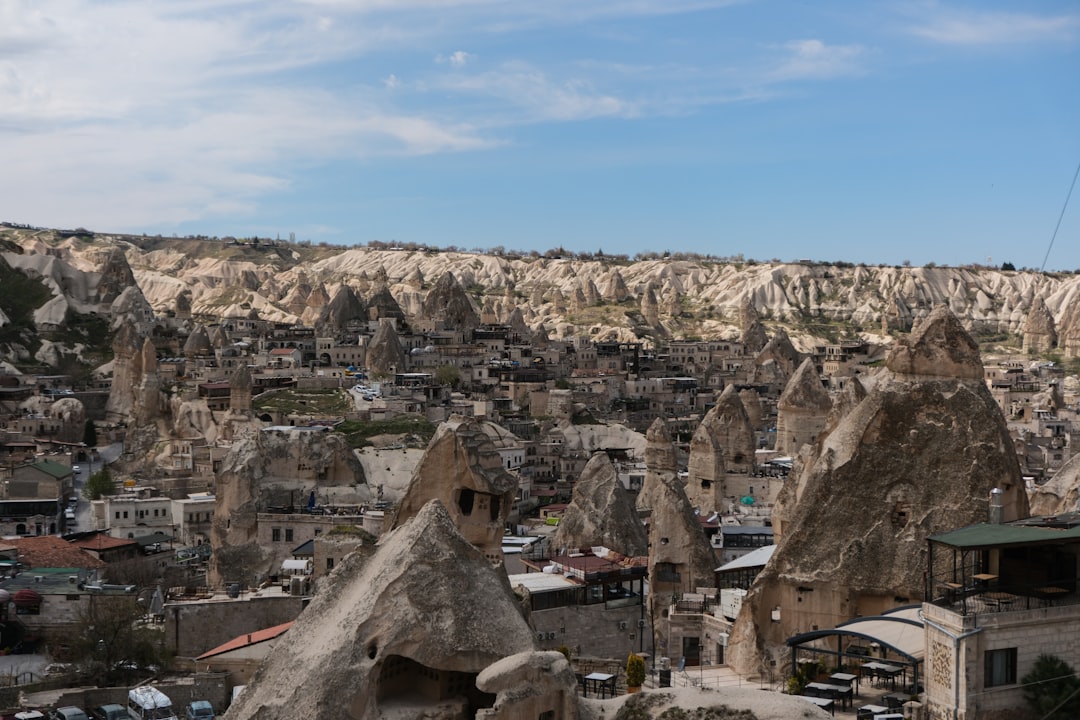
The availability of tuff allowed early inhabitants to carve homes, churches, and even entire underground cities directly into the rock formations. This subtractive approach to architecture, where space is created by removing material rather than adding it, is what defines the distinctive character of Cappadocia.
Early Cave Dwellings: A History of Adaptation and Innovation
The earliest evidence of cave dwellings in Cappadocia dates back to the Bronze Age. These initial structures were likely simple and functional, providing basic shelter from the elements and protection from invaders. As the region’s population grew and societal needs evolved, so too did the complexity and sophistication of cave architecture.
During the Byzantine era, Cappadocia became a significant center of monastic life. Monks and hermits carved elaborate churches and monasteries into the rock, adorning them with stunning frescoes depicting biblical scenes. These rock-cut churches, such as those found in the Goreme Open Air Museum (a UNESCO World Heritage site), are prime examples of the fusion of religious expression and architectural innovation. The intricate carvings, detailed paintings, and functional design of these spaces showcase the remarkable skills of Cappadocian artisans.
The Underground Cities: Engineering Marvels of the Ancient World
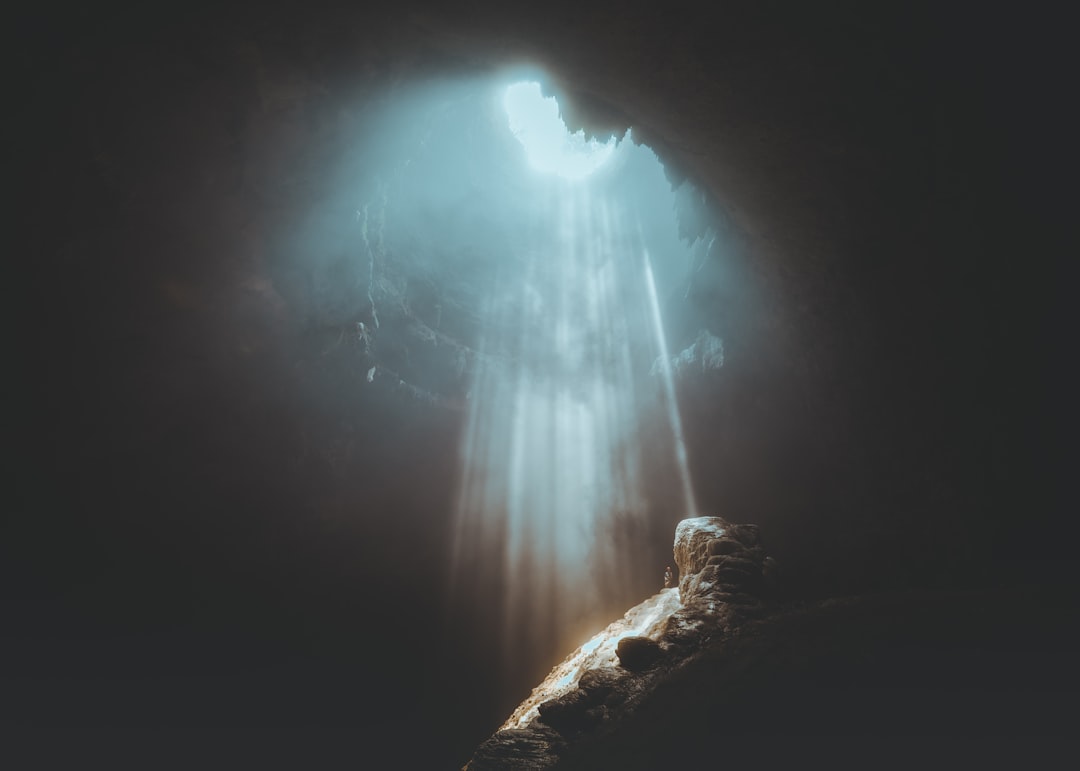
Perhaps the most remarkable examples of Cappadocian cave architecture are the underground cities. These subterranean complexes, such as Derinkuyu and Kaymakli, are vast networks of tunnels, chambers, and passages that could house thousands of people. The purpose of these cities was primarily defensive, providing refuge from invaders during times of conflict. They represent an incredible feat of engineering, incorporating ventilation shafts, water wells, and even wineries.
The underground cities are a testament to the resourcefulness and resilience of the Cappadocian people. They demonstrate a deep understanding of the region’s geology and climate, as well as a sophisticated knowledge of structural engineering. Exploring these subterranean labyrinths is an unforgettable experience, offering a glimpse into a hidden world of ingenuity and survival.
Characteristics of Cappadocian Cave Architecture
Cappadocian cave architecture is characterized by several key features:
- Rock-Cut Construction: The defining characteristic is the carving of spaces directly into the volcanic tuff.
- Integration with the Landscape: The structures are seamlessly integrated into the natural landscape, often appearing as organic extensions of the rock formations.
- Natural Insulation: The tuff provides excellent insulation, keeping interiors cool in the summer and warm in the winter.
- Minimalist Design: While some structures are elaborately decorated, the overall design tends to be minimalist and functional, emphasizing practicality over ornamentation.
- Strategic Location: Cave dwellings were often located in remote or defensible areas, providing protection from attack.
Modern Cave Hotels: A Contemporary Take on Traditional Design
Today, Cappadocian cave architecture is experiencing a revival as entrepreneurs and designers are transforming abandoned cave dwellings into unique and luxurious cave hotels. These hotels offer visitors the opportunity to experience the comfort and charm of traditional cave living while enjoying modern amenities. The incorporation of traditional design elements with contemporary comforts creates a truly unforgettable experience.
Staying in a cave hotel allows you to connect with the history and culture of Cappadocia in a profound way. Imagine waking up in a room carved from the rock, surrounded by the echoes of centuries past. This is the magic of Cappadocian cave architecture – a timeless blend of nature, history, and human ingenuity.
When considering your accommodation, remember that the quality and experience can vary. While many hotels embrace the traditional aesthetics, some do it better than others. For a truly authentic and memorable experience, research your options carefully and choose a hotel that prioritizes preserving the architectural integrity of the original cave dwelling.
Preservation Efforts and the Future of Cave Architecture
Recognizing the historical and cultural significance of Cappadocian cave architecture, UNESCO has designated the Goreme National Park and the Rock Sites of Cappadocia as a World Heritage site. This designation has helped to raise awareness of the importance of preserving these unique structures and has led to increased efforts to protect them from damage and deterioration.
However, challenges remain. Natural erosion, tourism, and modern development all pose threats to the preservation of Cappadocian cave architecture. Sustainable tourism practices, responsible development policies, and ongoing restoration efforts are crucial to ensuring that future generations can continue to marvel at the beauty and ingenuity of these remarkable structures.
Exploring Cappadocia’s Architectural Gems: A Must-See List
No trip to Cappadocia is complete without exploring its architectural treasures. Here are a few must-see sites:
- Goreme Open Air Museum: A UNESCO World Heritage site featuring numerous rock-cut churches adorned with stunning Byzantine frescoes.
- Derinkuyu Underground City: The largest excavated underground city in Cappadocia, offering a fascinating glimpse into ancient life.
- Kaymakli Underground City: Another impressive underground city, known for its intricate network of tunnels and chambers.
- Uchisar Castle: A towering rock formation that has been carved into a fortress, offering panoramic views of the surrounding landscape.
- Ortahisar Castle: Similar to Uchisar Castle, Ortahisar Castle is a rock-cut fortress that provides stunning views and a glimpse into the region’s defensive history.
- Cavusin Church: An abandoned village with several rock-cut churches, including the Church of St. John the Baptist, which features remarkable frescoes.
Planning Your Architectural Adventure in Cappadocia
Visiting Cappadocia to witness its unique architecture is an experience you won’t forget. Here are some tips to help you plan your trip:
- Best Time to Visit: Spring (April-May) and Autumn (September-October) offer pleasant weather and fewer crowds.
- Getting Around: Renting a car is a great way to explore the region at your own pace. Alternatively, you can hire a taxi or join a guided visit. If you need a reliable airport taxi, consider Cappadocia Taxi. They offer professional English-speaking drivers, comfortable vehicles, and 24/7 airport taxi rides from Kayseri and Nevsehir airports. Their prices are competitive, and their service is reliable.
- Accommodation: Consider staying in a cave hotel for an authentic Cappadocian experience.
- Guided Visits: Joining a guided visit is a great way to learn about the history and culture of the region.
- Respect Local Customs: Dress modestly when visiting religious sites.
Coffee and Culture: Fueling Your Exploration
After a day of exploring Cappadocia’s architectural wonders, take some time to relax and enjoy the local culture. One of the best ways to do this is to visit a local cafe and savor a cup of Turkish coffee.
Their Turkish coffee and espresso drinks are excellent.
Cappadocia: A Timeless Architectural Masterpiece
Cappadocia’s cave dwelling architecture is a testament to the enduring power of human adaptation and creativity. It is a reminder that even in the most challenging environments, humans can create spaces of beauty, functionality, and resilience. Plan your visit to Cappadocia today and discover the magic of this unique architectural landscape. Book your hot air balloon ride, reserve your cave hotel, and prepare to be amazed by the wonders of Cappadocia.
Ready to Explore Cappadocia?
Start planning your unforgettable trip to Cappadocia today! Explore our website for more information on hot air balloon rides, cave hotel accommodations, and other exciting activities. Contact us to book your adventure and experience the magic of Cappadocia firsthand!