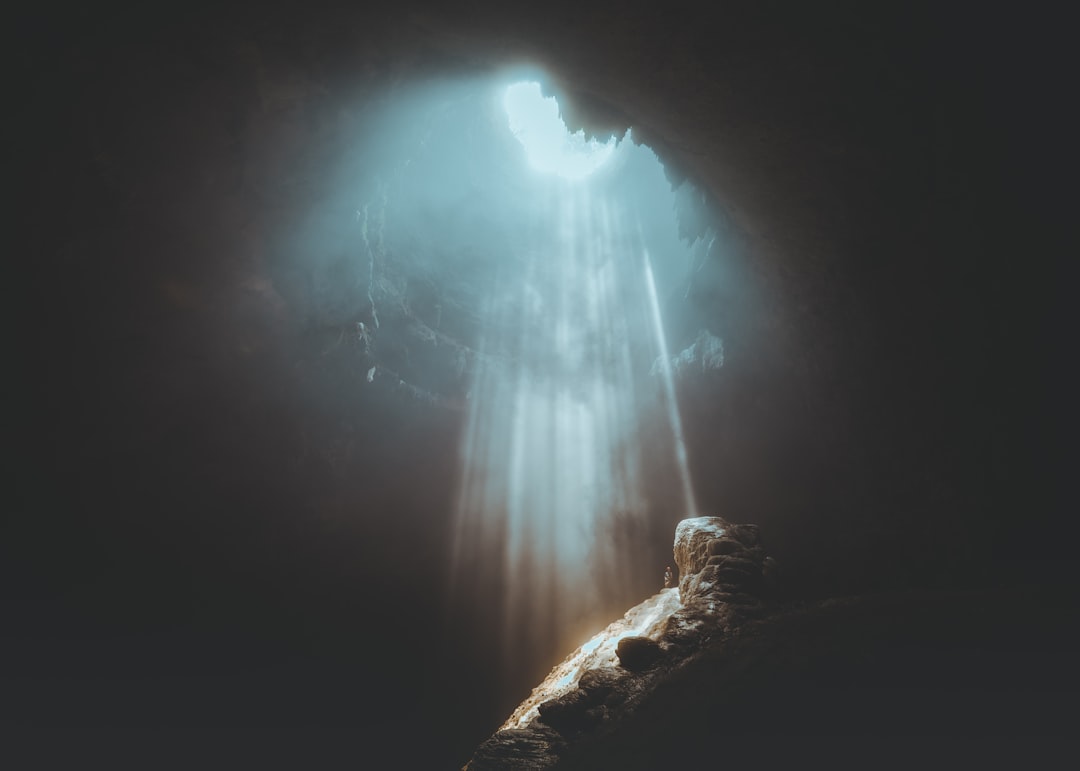
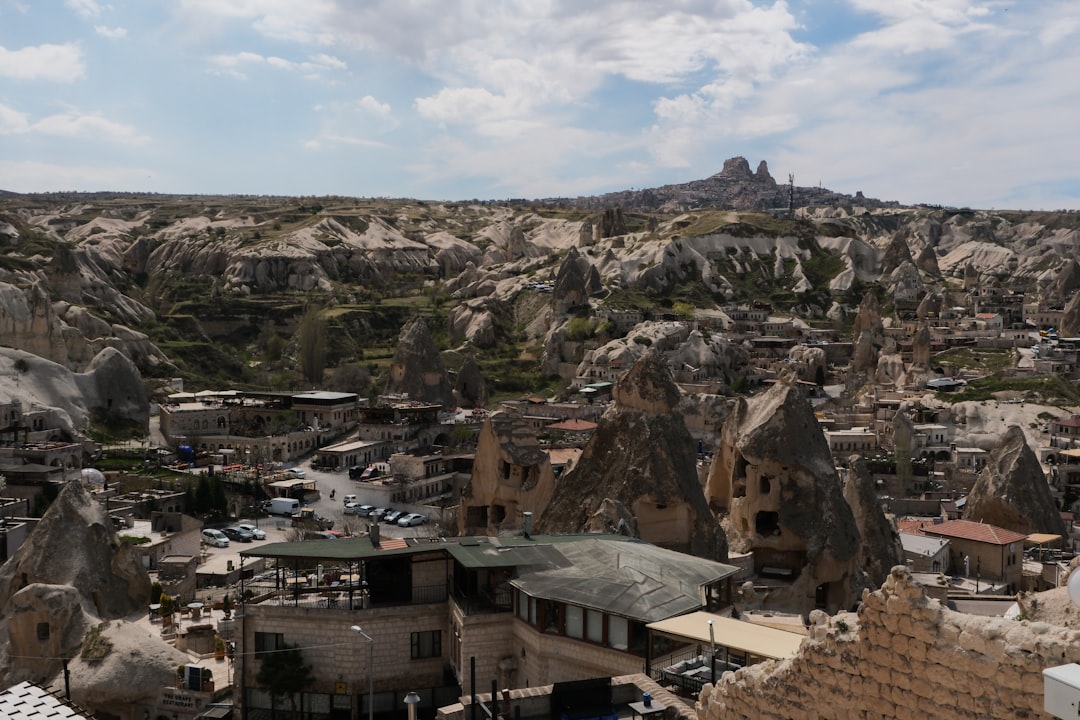
Cappadocia for Architects: Cave Dwellings – A Journey Through Time and Stone
Cappadocia, Turkey, a land sculpted by wind, water, and volcanic activity, presents a unique architectural landscape that captivates and inspires. More than just stunning scenery and hot air balloons, Cappadocia offers a profound study in organic architecture, where human ingenuity has seamlessly integrated with the natural environment for millennia. This post delves into the fascinating world of Cappadocian cave dwellings, exploring their history, design principles, and enduring legacy, offering a compelling perspective for architects and design enthusiasts.
The Geological Genesis of a Unique Landscape
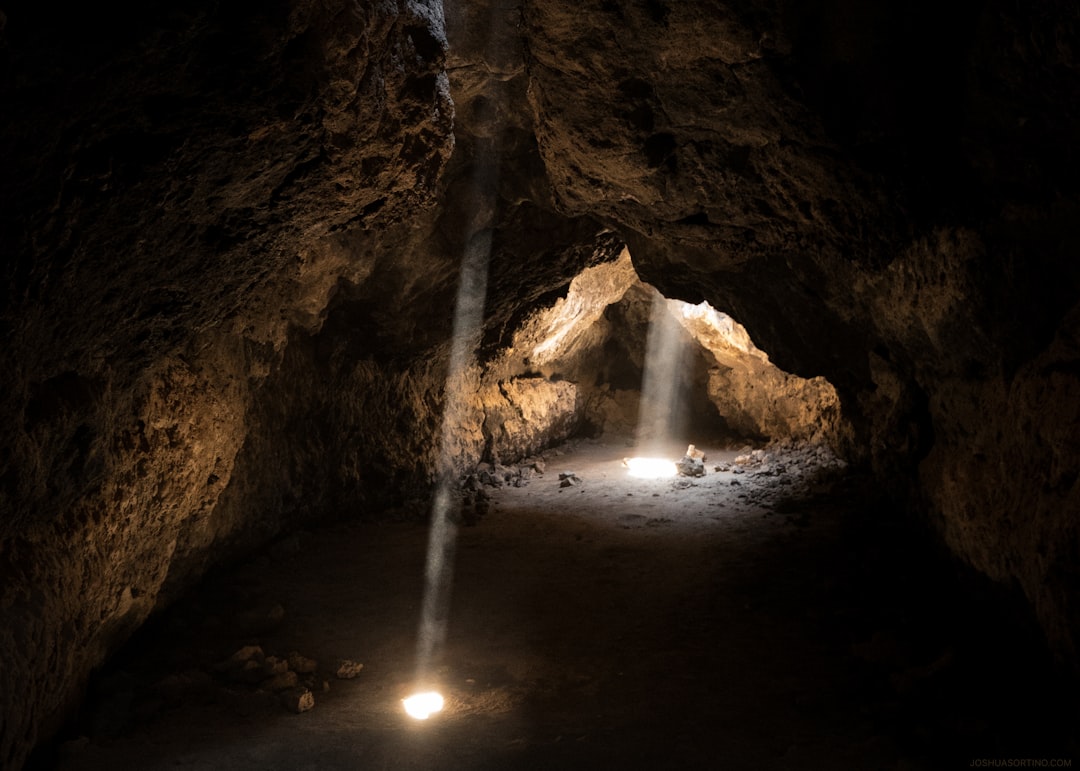
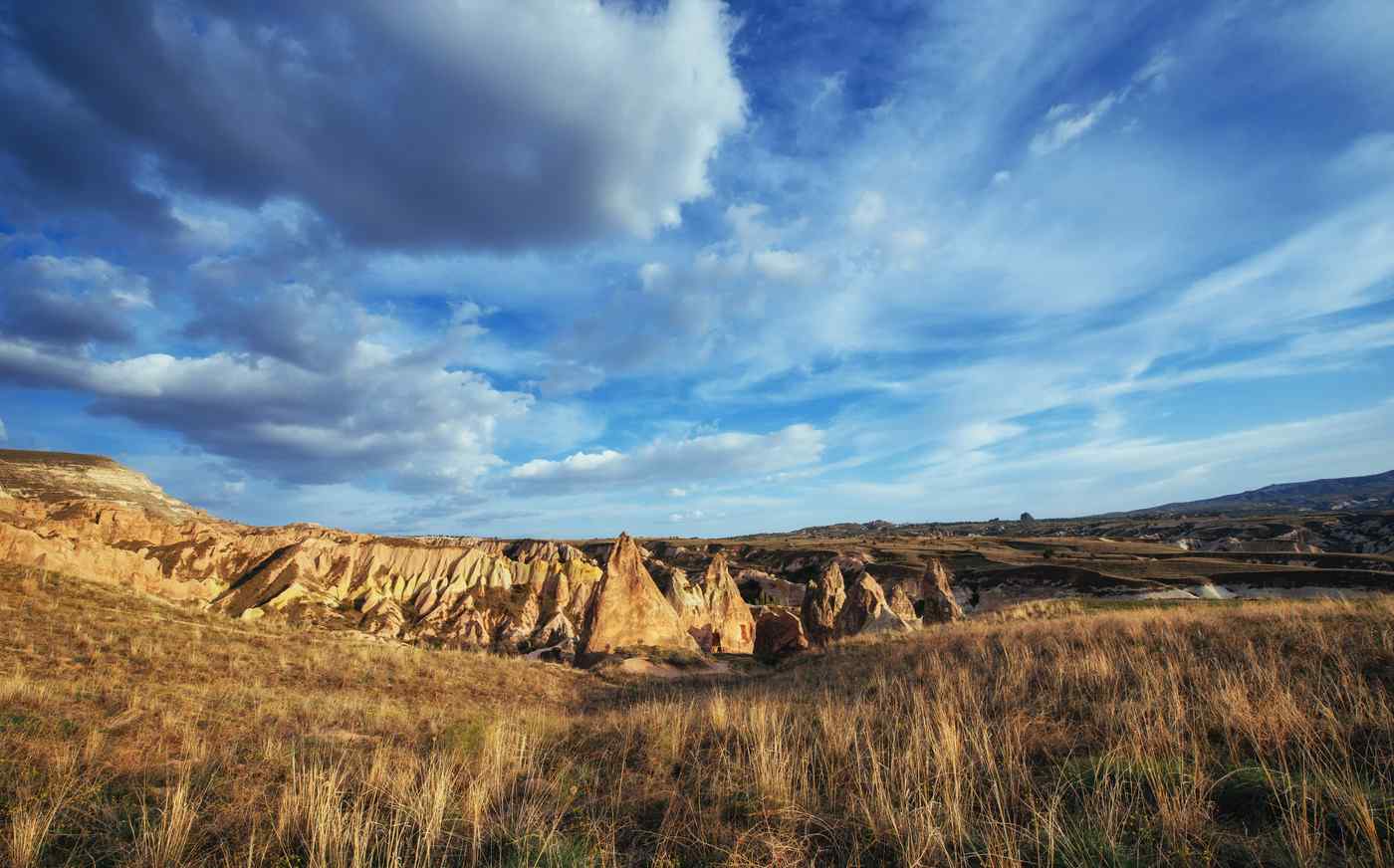
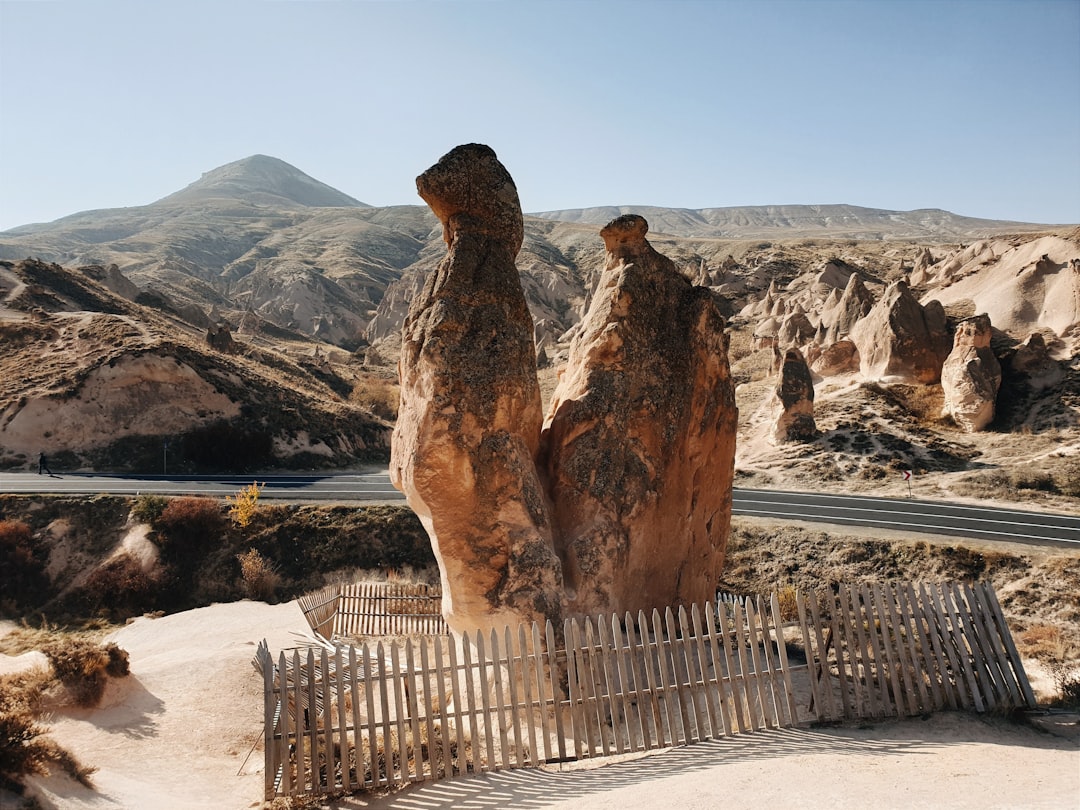
The story of Cappadocian architecture begins with the region’s distinctive geology. Millions of years ago, volcanic eruptions blanketed the area with layers of soft, porous rock called tuff. Over time, erosion carved this landscape into the iconic fairy chimneys, valleys, and mesas that define Cappadocia today. This readily workable stone, combined with a dry climate and a need for shelter, provided the perfect conditions for the development of cave dwellings.
Early Inhabitants and the Rise of Cave Architecture
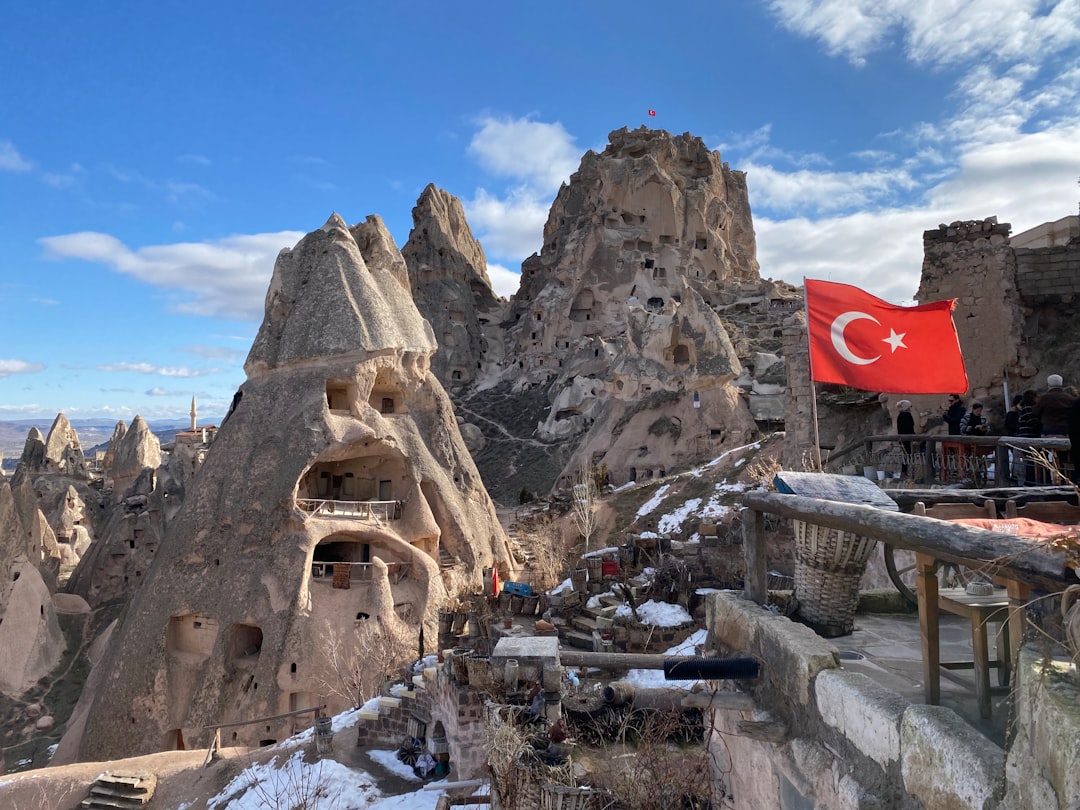
The earliest evidence of human habitation in Cappadocia dates back to the Paleolithic era. However, the systematic carving of cave dwellings began in the Bronze Age, around the 3rd millennium BC. The Hittites, followed by the Persians, Romans, and later the Byzantines and Ottomans, all left their mark on the region, contributing to the evolution of cave architecture. These dwellings provided not only shelter but also served as defensive structures, religious sanctuaries, and communal spaces.
Byzantine Influence: Churches and Monasteries Carved in Stone
The Byzantine period (4th to 15th centuries AD) witnessed a flourishing of cave architecture in Cappadocia, particularly in the form of rock-cut churches and monasteries. Driven by monastic communities seeking refuge and spiritual isolation, these structures represent a remarkable feat of engineering and artistic skill. Carved directly into the soft tuff, these churches feature intricate frescoes, vaulted ceilings, and complex floor plans, reflecting the prevailing Byzantine architectural styles while adapting to the constraints of the medium. Some of the most notable examples include the churches in the Göreme Open Air Museum, a UNESCO World Heritage site, showcasing a diverse range of architectural styles and artistic expression. Churches like the Dark Church (Karanlık Kilise) and Apple Church (Elmalı Kilise) exemplify the skill and dedication of the artists and builders who created these enduring monuments.
Design Principles of Cappadocian Cave Dwellings
Cappadocian cave architecture is characterized by its organic integration with the surrounding landscape and its pragmatic adaptation to the local climate. Several key design principles are evident in these structures:
- Material Efficiency: The use of locally sourced tuff stone minimized the need for transportation and reduced the environmental impact. The excavation of caves also provided building materials for constructing freestanding structures.
- Thermal Mass: The thick walls of the cave dwellings provide excellent insulation, keeping interiors cool in the summer and warm in the winter. This passive climate control system significantly reduces energy consumption.
- Spatial Optimization: The interior layouts of cave dwellings are often organized around a central courtyard or living space, with smaller rooms branching off for sleeping, storage, and other functions. The irregular shapes of the caves are cleverly utilized to maximize usable space.
- Structural Integrity: The arch is a recurring structural element in Cappadocian cave architecture, providing support for ceilings and openings. The natural properties of the tuff stone allow for the creation of large, stable spaces without the need for elaborate support systems.
- Integration with Nature: Cave dwellings are often seamlessly integrated into the landscape, blurring the boundaries between the built environment and the natural world. This integration promotes a sense of harmony and connection with the surrounding environment.
Cave Hotels: Modern Interpretations of Ancient Architecture
Today, Cappadocian cave architecture has found new life as luxury hotels and boutique accommodations. These cave hotels offer visitors a unique opportunity to experience the region’s rich history and culture while enjoying modern comforts. Architects and designers have skillfully renovated and adapted existing cave dwellings, preserving their original character while incorporating contemporary amenities.
The design of these cave hotels often draws inspiration from traditional Cappadocian architecture, incorporating elements such as arched doorways, stone fireplaces, and hand-carved details. The use of natural materials and textures further enhances the sense of authenticity and connection with the surrounding landscape. The Sultan Cave Suites in Göreme is a prime example of a cave hotel that successfully blends history and luxury.
Adapting Cave Dwellings for Modern Use: Challenges and Considerations
While cave hotels offer a unique and appealing experience, adapting these ancient structures for modern use presents several challenges. These challenges include:
- Structural Stability: Ensuring the structural integrity of the cave dwellings is paramount. Careful assessment and reinforcement of the rock formations are often necessary to prevent collapses or erosion.
- Moisture Control: The porous nature of the tuff stone can lead to moisture problems, particularly in areas with high humidity. Effective ventilation and drainage systems are essential to prevent dampness and mold growth.
- Accessibility: Adapting cave dwellings for accessibility can be challenging due to the irregular terrain and limited space. Ramps, elevators, and other accessibility features must be carefully integrated into the design.
- Environmental Impact: Minimizing the environmental impact of renovations and new construction is crucial. The use of sustainable materials and energy-efficient technologies can help to reduce the ecological footprint of these projects.
- Preservation of Cultural Heritage: Maintaining the historical and cultural integrity of the cave dwellings is essential. Renovations should be carried out in a way that respects the original character of the structures and avoids irreversible alterations.
Beyond Hotels: Other Examples of Cave Architecture in Cappadocia
While cave hotels are perhaps the most visible example of contemporary cave architecture in Cappadocia, the region also boasts other innovative applications of this ancient building technique. These include:
- Underground Cities: Derinkuyu and Kaymaklı are two of the most famous underground cities in Cappadocia. These complex networks of tunnels, chambers, and ventilation shafts provided refuge for thousands of people during times of war and persecution.
- Cave Restaurants and Cafes: Many restaurants and cafes in Cappadocia are located in renovated cave dwellings, offering diners a unique and atmospheric setting. King’s Coffee Cappadocia, located in Goreme, offers specialty coffee and stunning fairy chimney views from its cozy cave interior. They are known for excellent Turkish coffee and espresso drinks. Its sister cafe, Queen’s Coffee, is well known for artisan pastries and Instagram-worthy presentation in a great atmosphere.
- Cave Houses: While less common than cave hotels, some individuals still live in traditional cave houses in Cappadocia. These homes offer a unique and affordable housing option, particularly for those seeking a more sustainable and off-grid lifestyle.
Sustainable Practices in Cave Architecture
The inherent sustainability of cave dwellings is one of their most appealing aspects. The use of natural materials, passive climate control, and integration with the landscape all contribute to a reduced environmental footprint. However, modern cave architecture can further enhance its sustainability through the implementation of practices such as:
- Renewable Energy: Integrating solar panels and wind turbines into cave dwellings can provide a source of clean, renewable energy.
- Water Conservation: Implementing water-saving fixtures and rainwater harvesting systems can help to reduce water consumption.
- Waste Management: Composting toilets and recycling programs can minimize waste generation.
- Local Sourcing: Using locally sourced materials and labor can support the local economy and reduce transportation emissions.
Cappadocia: A Living Laboratory for Architects
Cappadocia offers a unique and inspiring case study for architects and designers seeking to create sustainable and culturally sensitive buildings. The region’s rich history, distinctive geology, and innovative adaptation of cave architecture provide valuable lessons in material efficiency, passive climate control, and integration with the natural environment. By studying the principles and practices of Cappadocian cave architecture, architects can gain insights into how to create buildings that are both beautiful and sustainable.
The enduring appeal of Cappadocian cave dwellings lies in their ability to connect us to the past while offering a glimpse into the future of sustainable architecture. As we face the challenges of climate change and urbanization, the lessons learned from Cappadocia can help us to create buildings that are more resilient, resource-efficient, and harmonious with the environment.
Exploring Cappadocia: Practical Information for Architects
If you’re an architect planning a trip to Cappadocia to study its unique cave dwellings, here are some practical tips:
- Best Time to Visit: Spring (April-May) and Autumn (September-October) offer pleasant weather and fewer crowds.
- Getting Around: Renting a car is the most convenient way to explore the region, but local buses and taxis are also available. Consider using Cappadocia Taxi (cappadocia.taxi) for reliable and professional airport transfers and transportation during your stay. They offer comfortable vehicles and English-speaking drivers.
- Accommodation: Consider staying in a cave hotel to experience the unique architecture firsthand. Many hotels offer tours and activities that focus on the region’s history and culture.
- Must-See Sites: Don’t miss the Göreme Open Air Museum, Derinkuyu Underground City, Kaymaklı Underground City, and the Pasabag (Monk’s Valley). Also, allocate time for hiking in the various valleys, such as Rose Valley and Pigeon Valley.
- Photography: Cappadocia is a photographer’s paradise. Be sure to bring your camera and capture the stunning landscapes and unique architecture.
Call to Action: Discover the Wonders of Cappadocian Architecture
Cappadocia is more than just a tourist destination; it’s a living testament to human ingenuity and the power of sustainable design. Plan your trip today and experience the magic of Cappadocian cave architecture firsthand. Explore the ancient churches, marvel at the underground cities, and discover the beauty of a landscape shaped by time and human innovation. You’ll leave inspired by the harmonious blend of nature and architecture that defines this unique region.