Cappadocia for Art Historians: Unveiling the Byzantine Frescoes
Cappadocia, Turkey, a region celebrated for its otherworldly landscapes of fairy chimneys and ancient cave dwellings, holds a treasure trove for art historians: Byzantine frescoes. These vibrant paintings, adorning the walls of rock-cut churches, monasteries, and chapels, offer a fascinating glimpse into the religious, social, and artistic life of the region from the 6th to the 13th centuries. This guide delves into the captivating world of Cappadocian frescoes, providing insights into their artistic styles, theological themes, and the best places to discover these remarkable works of art.
The Historical Context of Cappadocian Frescoes
The story of Cappadocian frescoes is inextricably linked to the rise and influence of Christianity in the region. Cappadocia’s remote and geographically challenging terrain provided a refuge for early Christians seeking to escape persecution, particularly during the Roman era. Monastic communities flourished in this isolated landscape, carving churches and monasteries directly into the soft volcanic rock, known as tuff. As Christianity gained prominence under the Byzantine Empire, these religious settlements became centers of artistic and theological development, resulting in the unique artistic legacy of Cappadocian frescoes.
The period from the 9th to the 11th centuries, following the end of the Byzantine Iconoclasm, witnessed a surge in fresco production. Iconoclasm, a period of destruction of religious images, had profoundly impacted Byzantine art. When the ban on religious imagery was lifted, artists responded with a renewed fervor, leading to a flourishing of artistic expression in regions like Cappadocia.
Artistic Styles and Influences
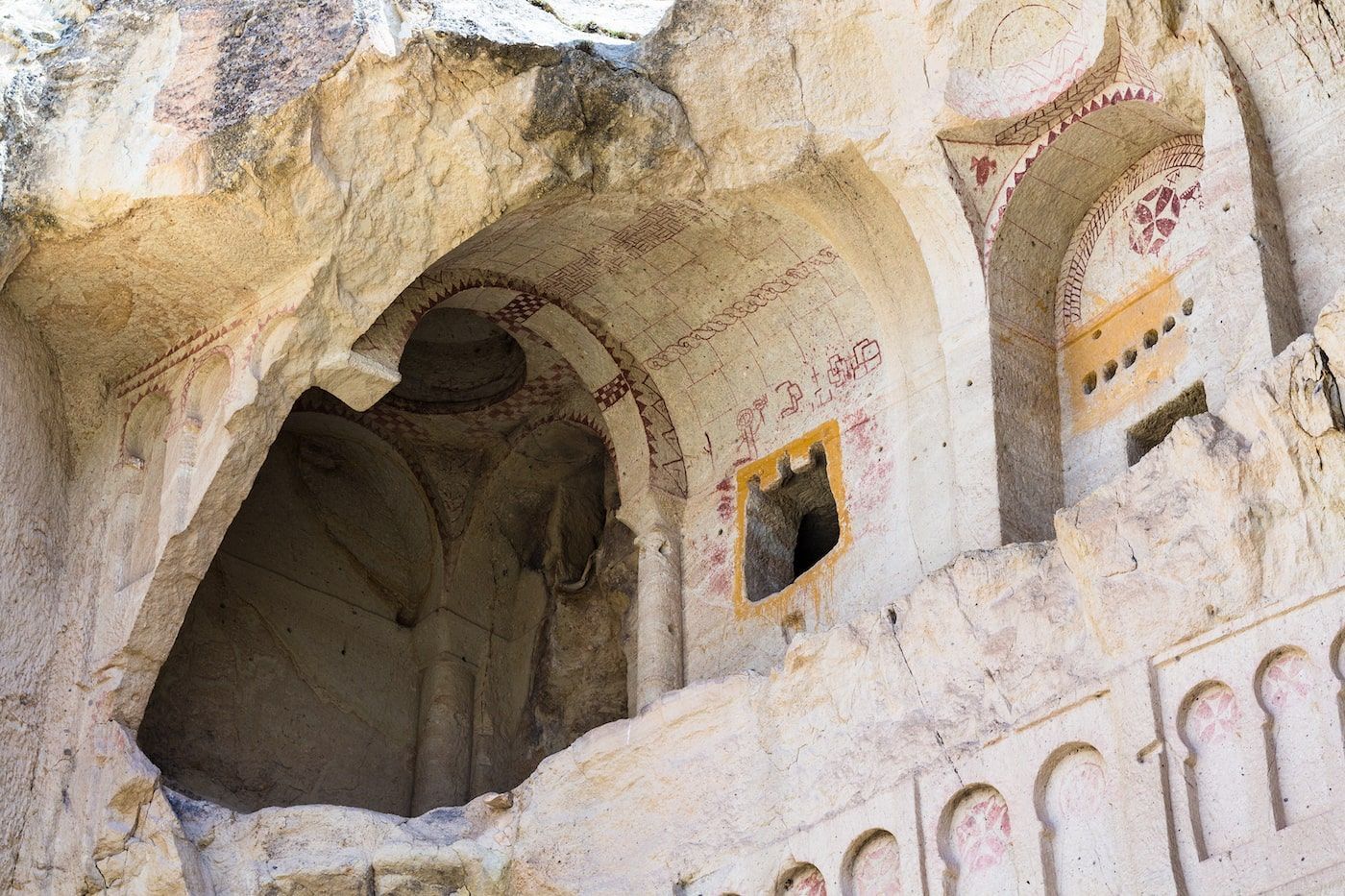
Cappadocian frescoes exhibit a blend of Byzantine, Syrian, and local artistic influences, creating a distinct regional style. While adhering to the conventions of Byzantine iconography, Cappadocian artists incorporated elements of their own cultural background and the specific demands of painting in the cave churches. Key characteristics of Cappadocian frescoes include:
- Linear Style: Cappadocian frescoes often feature a strong emphasis on line and contour. Figures are typically outlined in bold strokes, emphasizing their forms and creating a sense of clarity.
- Simplified Forms: Compared to the more elaborate and detailed frescoes found in Constantinople, Cappadocian frescoes often feature simplified forms and compositions. This simplification may reflect the limited resources and artistic training available in the region.
- Vibrant Colors: Artists employed a range of vibrant colors, including blues, reds, yellows, and greens, to create visually striking and emotionally engaging images. These colors were often derived from locally sourced pigments.
- Narrative Focus: Many frescoes depict scenes from the life of Christ, the Virgin Mary, and the lives of various saints. The artists aimed to convey these biblical narratives in a clear and accessible manner for the local population.
- Local Elements: The artists subtly incorporated elements of local Cappadocian life and culture into their frescoes. For example, figures may be depicted wearing clothing or hairstyles that were common in the region.
Theological Themes and Iconography
Cappadocian frescoes served not only as works of art but also as powerful tools for religious instruction and spiritual contemplation. The frescoes conveyed key theological messages and reinforced the beliefs of the Byzantine Christian faith. Common themes and iconographic motifs found in Cappadocian frescoes include:
- Christ Pantocrator: The image of Christ Pantocrator, meaning “Ruler of All,” is a ubiquitous motif in Byzantine art, depicting Christ as the supreme judge and ruler of the universe. This image often dominates the dome or apse of Cappadocian churches.
- Deesis: The Deesis scene depicts Christ enthroned, flanked by the Virgin Mary and John the Baptist, who intercede on behalf of humanity. This scene emphasizes the importance of prayer and intercession.
- Scenes from the Life of Christ: Many frescoes depict scenes from the life of Christ, including the Nativity, the Baptism, the Transfiguration, the Crucifixion, and the Resurrection. These scenes provide a visual narrative of Christ’s earthly ministry and his ultimate triumph over death.
- The Virgin Mary: The Virgin Mary holds a prominent place in Cappadocian frescoes, often depicted as the Theotokos, meaning “God-bearer.” Images of the Virgin Mary emphasize her role as the mother of God and her importance in Christian theology.
- Saints and Martyrs: Frescoes frequently depict the lives and miracles of various saints and martyrs. These figures served as examples of faith, courage, and devotion for the local population.
- The Last Judgment: Some churches feature depictions of the Last Judgment, portraying the separation of the righteous from the damned. These scenes served as a reminder of the importance of living a virtuous life.
Where to See the Best Frescoes in Cappadocia
Cappadocia boasts a wealth of rock-cut churches and monasteries adorned with exquisite frescoes. Some of the most notable sites for viewing these masterpieces include:
Göreme Open Air Museum
The Göreme Open Air Museum is a UNESCO World Heritage Site and one of the most popular destinations in Cappadocia. This complex features numerous rock-cut churches with well-preserved frescoes, showcasing the evolution of Cappadocian art over several centuries. Key churches to visit within the museum include:
- Tokalı Kilise (Buckle Church): The largest and most elaborately decorated church in the Göreme Open Air Museum, Tokalı Kilise features vibrant frescoes depicting scenes from the life of Christ and the Twelve Apostles.
- Elmalı Kilise (Apple Church): This church is known for its well-preserved frescoes, including a depiction of Christ Pantocrator and scenes from the life of Christ. The church gets its name from a nearby apple tree (elma in Turkish).
- Azize Barbara Kilisesi (Church of Saint Barbara): This church features geometric and symbolic designs, as well as depictions of Saint Barbara and other saints.
- Karanlık Kilise (Dark Church): Considered one of the best-preserved churches in the Göreme Open Air Museum, Karanlık Kilise features exceptionally vibrant frescoes thanks to the lack of light exposure over the centuries. An additional fee is required to enter this church.
- Yılanlı Kilise (Snake Church): This church gets its name from a fresco depicting Saint George slaying a dragon, which resembles a snake.
Zelve Open Air Museum
The Zelve Open Air Museum, once a thriving monastic community, offers a glimpse into the daily lives of the monks who inhabited these cave dwellings. While the frescoes in Zelve are not as well-preserved as those in Göreme, the unique architecture and atmosphere of the site make it a worthwhile visit.
Soğanlı Valley
The Soğanlı Valley, located further off the beaten path, boasts a collection of rock-cut churches with remarkable frescoes. This valley offers a more secluded and peaceful experience compared to the more popular sites. Notable churches in the Soğanlı Valley include:
- Kubbeli Kilise (Domed Church): This church features a distinctive dome and well-preserved frescoes depicting scenes from the life of Christ.
- Karabaş Kilisesi (Black Head Church): Named for the dark faces of some of the figures in the frescoes, this church contains scenes from the life of Christ and the Virgin Mary.
- Yılanlı Kilise (Snake Church): Another church named for a depiction of Saint George slaying a dragon.
Other Notable Sites
Beyond the major open-air museums, numerous other churches and monasteries throughout Cappadocia contain significant frescoes. Some of these sites include:
- Mustafapaşa (Sinasos): This charming village features several churches with well-preserved frescoes, reflecting the region’s rich Greek Orthodox heritage.
- Çavuşin Church: This large rock-cut church offers panoramic views of the surrounding landscape and contains impressive frescoes, though some have suffered damage over time.
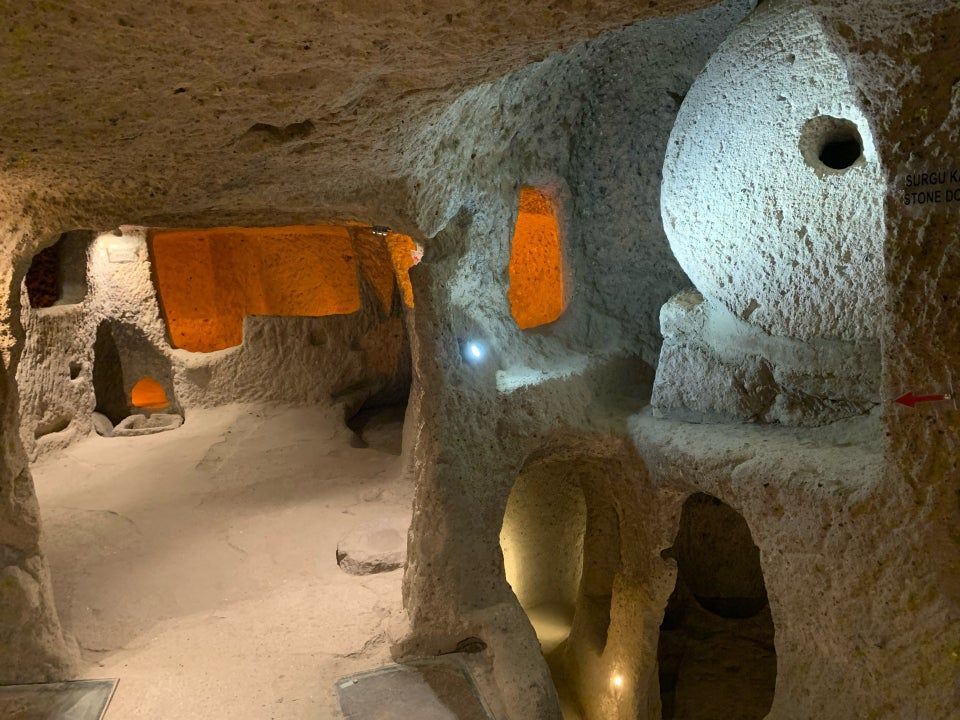
- Özkonak Underground City: While primarily known for its elaborate underground tunnels, Özkonak also features a small church with frescoes.
Preservation and Conservation Efforts
The preservation of Cappadocian frescoes is an ongoing challenge, as the fragile nature of the volcanic rock and the effects of environmental factors contribute to their deterioration. Various organizations and institutions are working to conserve these invaluable works of art for future generations. Conservation efforts include:
- Cleaning and Stabilization: Conservators carefully clean the frescoes to remove dirt and grime, and they stabilize the paint layers to prevent further flaking or detachment.
- Environmental Monitoring: Monitoring temperature, humidity, and other environmental factors helps to identify potential threats to the frescoes and to implement preventative measures.
- Protective Barriers: Installing protective barriers, such as glass panels or mesh screens, can help to shield the frescoes from physical damage and vandalism.
- Research and Documentation: Ongoing research and documentation are essential for understanding the history, art, and condition of the frescoes.
Planning Your Visit
To make the most of your exploration of Cappadocian frescoes, consider the following tips:
- Hire a knowledgeable guide: A guide can provide valuable insights into the history, art, and theology of the frescoes.
- Visit during the off-season: The crowds are smaller during the off-season (spring or fall), allowing for a more relaxed and immersive experience.
- Wear comfortable shoes: You’ll be doing a lot of walking and climbing, so comfortable shoes are essential.
- Bring water and sunscreen: The Cappadocian sun can be intense, especially during the summer months.
- Respect the sacred sites: Remember that these churches and monasteries are considered sacred sites, so dress modestly and behave respectfully.
- Arrange reliable transportation: To get around Cappadocia easily and comfortably, consider booking a taxi with Cappadocia Taxi (cappadocia.taxi). They offer professional English-speaking drivers, comfortable vehicles, and 24/7 airport taxi rides from Kayseri and Nevsehir airports.
Cappadocia: A Living Canvas of History
Cappadocia’s Byzantine frescoes offer a unique window into the region’s rich cultural and religious heritage. These remarkable works of art, created by anonymous artists centuries ago, continue to inspire and captivate visitors from around the world. By exploring the rock-cut churches and monasteries of Cappadocia, you can embark on a journey through time and discover the enduring beauty and spiritual power of Byzantine art.
Ready to explore the captivating frescoes of Cappadocia? Book your hot air balloon ride and cave hotel stay today!