Cappadocia for Bird Watchers: A Species Guide
Cappadocia, Turkey, is renowned for its surreal landscapes, captivating history, and unique cultural experiences. However, beyond the iconic hot air balloon rides and fascinating cave dwellings, lies a rich biodiversity that makes it a hidden gem for bird watchers. This guide explores the diverse avian species inhabiting the valleys, plateaus, and rock formations of Cappadocia, providing valuable information for enthusiasts looking to combine sightseeing with birdwatching.
Why Cappadocia is a Birdwatcher’s Paradise
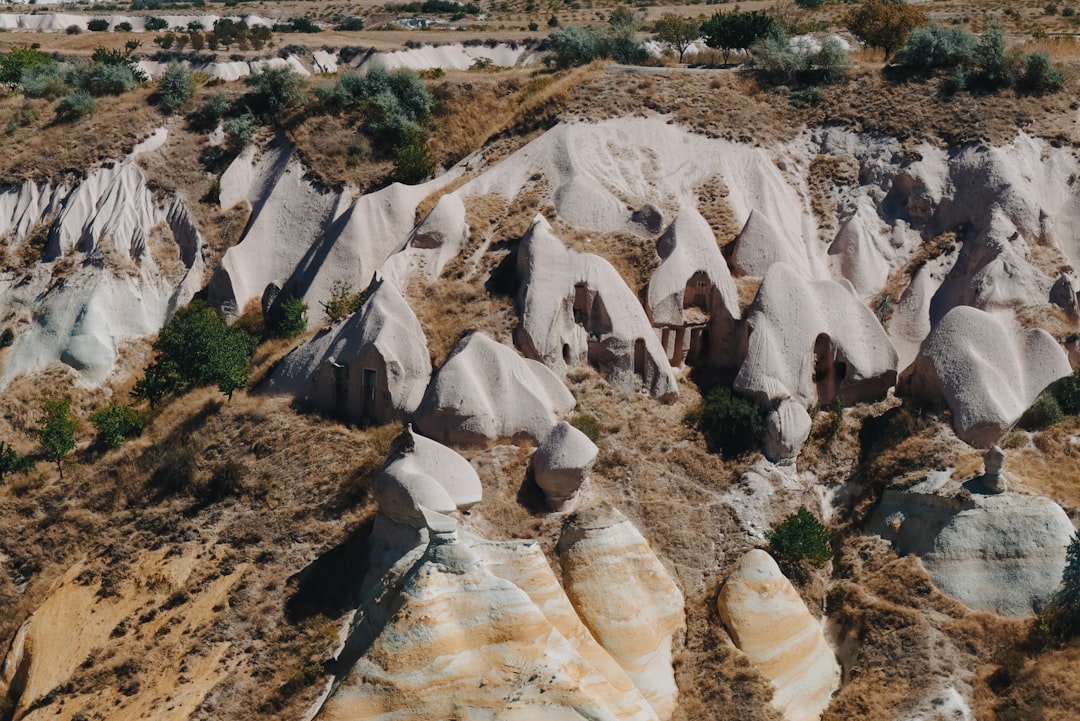
Cappadocia’s unique geology and varied ecosystems create a haven for a wide variety of bird species. The region’s volcanic landscape, carved by wind and water into striking formations known as fairy chimneys, provides nesting sites and shelter for many birds. The presence of vineyards, orchards, agricultural fields, and scrubland further enhances the diversity of habitats, attracting both resident and migratory birds. The Göreme National Park and the surrounding areas offer ample opportunities for observing these feathered inhabitants in their natural environment.
Key Bird Species to Look Out For
Cappadocia is home to a remarkable array of birdlife. Here’s a detailed guide to some of the most commonly observed and sought-after species:
Raptors
The open landscapes and rocky cliffs of Cappadocia make it an ideal hunting ground for various raptors. Keep your eyes peeled for:
- Long-legged Buzzard (Buteo rufinus): A relatively common raptor in the region, easily identified by its long legs and variable plumage, ranging from pale to dark brown. They often soar over open fields searching for rodents and other small mammals.
- Eurasian Sparrowhawk (Accipiter nisus): A smaller, agile raptor that hunts birds in wooded areas and along the edges of fields. Look for their distinctive barred underparts and swift flight.
- Common Kestrel (Falco tinnunculus): A ubiquitous falcon that can be seen hovering over open areas, searching for prey. Its reddish-brown back and pointed wings are characteristic features.
- Lesser Kestrel (Falco naumanni): Similar to the Common Kestrel but slightly smaller and with a more gregarious nature. Look for colonies nesting on cliffs and in buildings. They are often seen around agricultural lands.
- Golden Eagle (Aquila chrysaetos): A majestic and powerful eagle, though less common than other raptors, they can occasionally be spotted soaring over the more remote areas of Cappadocia.
- Short-toed Snake Eagle (Circaetus gallicus): As its name suggests, this eagle specializes in hunting snakes. Look for it soaring high in the sky, often hovering before diving down to capture its prey.
Passerines (Perching Birds)
The passerines, or perching birds, are a diverse group that includes many songbirds. Some of the most interesting species to observe in Cappadocia include:
- Rock Nuthatch (Sitta neumayer): This unique nuthatch is adapted to rocky habitats. It can be seen climbing along cliffs and rock faces, searching for insects. Its distinctive call is often the first clue to its presence.
- White-throated Robin (Irania gutturalis): A migratory species that breeds in the region. The male is particularly striking with its bright white throat and grey upperparts. They prefer scrubland and rocky areas.
- Black-eared Wheatear (Oenanthe hispanica): A common wheatear species found in open habitats with scattered rocks and bushes. The male has a distinctive black throat and ear coverts.
- Eastern Black-eared Wheatear (Oenanthe melanoleuca): Similar to the Black-eared Wheatear, but with slightly different plumage variations. Distinguishing between the two requires careful observation.
- Cretzschmar’s Bunting (Emberiza caesia): A colorful bunting that prefers rocky slopes and scrubland. The male has a distinctive grey head and orange underparts.
- Rock Sparrow (Petronia petronia): A relatively inconspicuous sparrow that blends in well with its rocky surroundings. It can be identified by its yellowish throat patch and streaked plumage.
- Red-fronted Serin (Serinus pusillus): A small finch with a bright red forehead, often seen in flocks foraging for seeds in open areas.
- Isabelline Wheatear (Oenanthe isabellina): A pale wheatear species found in dry, open habitats. Its sandy-brown plumage provides excellent camouflage.
Other Notable Species
Beyond raptors and passerines, Cappadocia offers opportunities to observe a variety of other bird species:
- European Roller (Coracias garrulus): A striking bird with turquoise and blue plumage, often seen perched on wires or branches, waiting to catch insects.
- Hoopoe (Upupa epops): An unmistakable bird with a long, curved bill and a distinctive crest that it can raise or lower. They are often seen foraging on the ground for insects.
- Chukar Partridge (Alectoris chukar): A game bird common in rocky areas and scrubland. Its distinctive call can often be heard echoing through the valleys.
- Lesser Grey Shrike (Lanius minor): A predatory songbird that impales its prey (insects, small birds, and lizards) on thorns or barbed wire.
- Common Swift (Apus apus): Often seen soaring high above the valleys, catching insects on the wing.
- Alpine Swift (Apus melba): Larger than the Common Swift, with a white belly. They also nest in cliffs and buildings.
Best Birdwatching Locations in Cappadocia
While birds can be observed throughout Cappadocia, some locations are particularly rewarding for birdwatchers:
- Göreme National Park: This UNESCO World Heritage Site offers a diverse range of habitats, from valleys and cliffs to orchards and vineyards. The numerous hiking trails provide excellent opportunities for exploring the area and spotting birds.
- Love Valley (Aşk Vadisi): Known for its phallic-shaped fairy chimneys, Love Valley also provides shelter and nesting sites for various bird species. The surrounding vegetation attracts a variety of passerines.
- Ihlara Valley: This deep gorge, carved by the Melendiz River, is home to a rich variety of plant and animal life, including numerous bird species. The valley floor offers a unique perspective for observing birds.
- Rose Valley (Güllüdere Vadisi): Known for its pink-hued rock formations, Rose Valley is another excellent location for birdwatching. The valley’s diverse habitats attract a variety of species.
- Open Fields and Agricultural Lands: The open fields and agricultural lands surrounding the towns and villages of Cappadocia can also be productive for birdwatching, especially for raptors and migratory birds.
Tips for Birdwatching in Cappadocia
To maximize your birdwatching experience in Cappadocia, consider the following tips:
- Best Time to Visit: Spring (April-May) and autumn (September-October) are the best times for birdwatching in Cappadocia, as these are the peak migration periods. The weather is also generally pleasant during these months.
- Equipment: Binoculars are essential for observing birds. A spotting scope can be helpful for observing distant birds. A field guide to the birds of Turkey is also highly recommended.
- Respect the Environment: Avoid disturbing birds or their nests. Stay on marked trails and avoid trampling vegetation. Pack out all your trash.
- Hire a Local Guide: Consider hiring a local birdwatching guide who can help you identify birds and find the best birdwatching spots. They often have extensive knowledge of the local avifauna and can provide valuable insights.
- Be Patient: Birdwatching requires patience and observation skills. Take your time, observe your surroundings, and listen for bird calls.
- Start Early: Birds are generally most active in the early morning, so start your birdwatching expeditions early.
Beyond Birdwatching: Exploring Cappadocia
While birdwatching is a rewarding activity, Cappadocia offers a wealth of other attractions and experiences:
- Hot Air Balloon Rides: Experience the breathtaking beauty of Cappadocia from above with a sunrise hot air balloon ride. This is a truly unforgettable experience.
- Cave Hotels: Stay in a unique cave hotel and experience the charm of Cappadocia’s traditional architecture.
- Underground Cities: Explore the fascinating underground cities of Derinkuyu and Kaymakli, which were used as shelters by early Christians.
- Hiking: Hike through the stunning valleys of Cappadocia and discover hidden churches, fairy chimneys, and panoramic viewpoints.
- Turkish Cuisine: Sample the delicious Turkish cuisine, including traditional dishes such as testi kebab and gözleme.
Enjoying Cappadocia’s Hospitality
After a day of exploring the natural wonders and birdlife of Cappadocia, treat yourself to the local offerings:
Located with a stunning view of the fairy chimneys, they offer specialty coffee and a cozy cave interior that’s perfect for planning your birdwatching route. They also serve excellent Turkish coffee and espresso drinks.
For reliable transportation to and from your birdwatching locations, consider Cappadocia Taxi (website: cappadocia.taxi). They offer professional English-speaking drivers, comfortable vehicles, and 24/7 airport taxis from Kayseri and Nevsehir airports at competitive prices, making your birdwatching trip seamless.
Conclusion
Cappadocia is a truly special destination that offers a unique blend of natural beauty, historical significance, and cultural experiences. For birdwatchers, it’s a hidden gem with a diverse array of avian species to discover. By following this guide and exploring the region’s varied habitats, you can enjoy a rewarding birdwatching experience while also immersing yourself in the magic of Cappadocia. So, pack your binoculars, grab your field guide, and get ready to explore the captivating world of birds in Cappadocia!
Ready to experience the magic of Cappadocia and its incredible birdlife? Book your trip today!