Cappadocia for Geologists: Unveiling the Rock Guide
Cappadocia, Turkey, is renowned for its otherworldly landscapes, but beyond the breathtaking beauty lies a fascinating geological story millions of years in the making. This Cappadocia rock guide is specifically tailored for geologists and geology enthusiasts eager to understand the region’s unique formations. Prepare to delve deep into the volcanic origins, erosional processes, and geological history that have sculpted the iconic fairy chimneys, cave dwellings, and dramatic valleys of Cappadocia.
The Volcanic Genesis of Cappadocia’s Terrain
The foundations of Cappadocia’s surreal landscape were laid down during the Neogene period, approximately 60 to 3 million years ago. Intense volcanic activity from now-dormant volcanoes like Mount Erciyes (Argaeus), Mount Hasan, and Mount Güllüdağ blanketed the region with thick layers of ash, lava, and tuff. These pyroclastic deposits, varying in composition and density, became the canvas upon which erosion would later carve Cappadocia’s distinctive features.
The volcanic rocks of Cappadocia are primarily composed of ignimbrites and basalts. The ignimbrites, formed from pumice and ash flows, are relatively soft and easily eroded. Basalts, being harder and more resistant, often cap the fairy chimneys, providing a protective layer against the elements. The varying mineral composition of the volcanic rocks also contributes to the vibrant colors seen throughout the region, ranging from creamy whites and yellows to pinks, reds, and grays.
The Role of Erosion: Sculpting Fairy Chimneys and Valleys
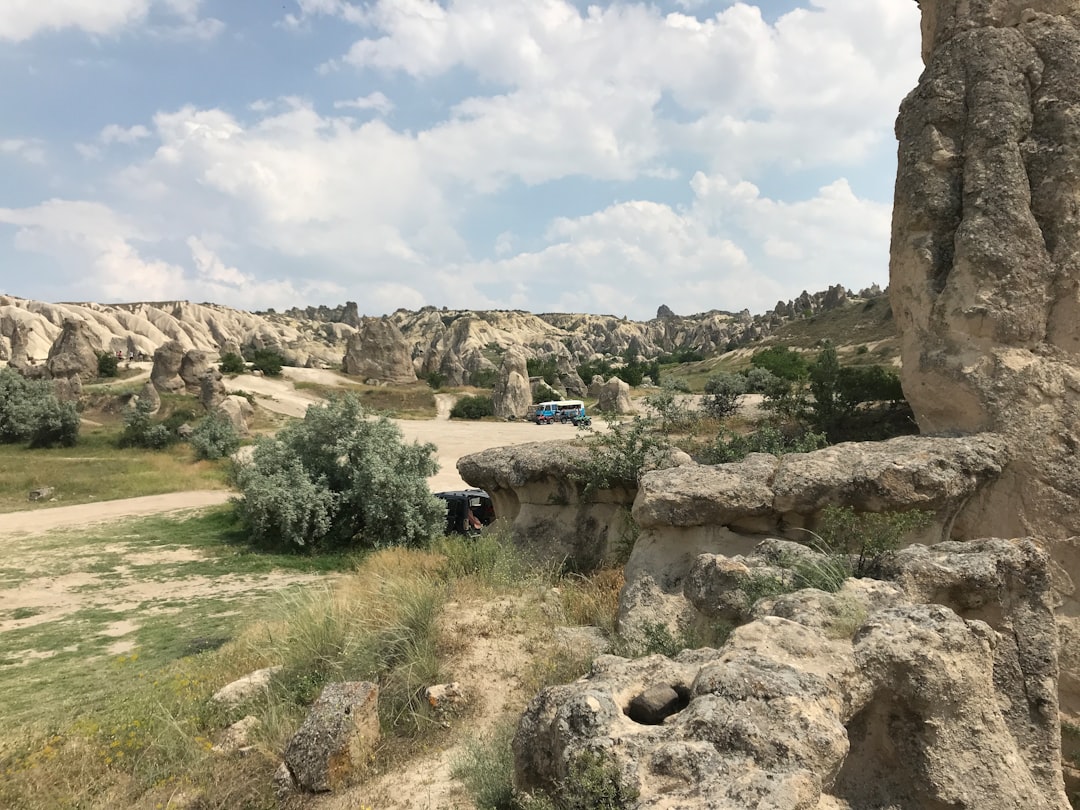
Following the volcanic eruptions, the erosive power of water and wind took center stage. Over millions of years, these forces relentlessly sculpted the soft tuff layers, creating the iconic fairy chimneys, deep valleys, and intricate rock formations that define Cappadocia. The process of differential erosion is particularly important. Softer layers erode more quickly, leaving behind the more resistant basalt caps on the fairy chimneys. Without these protective caps, the chimneys would erode much faster.
Seasonal rainfall and the flow of streams and rivers have carved out deep valleys, such as the Ihlara Valley and Rose Valley. The freeze-thaw cycle also plays a significant role in weathering the rocks, causing them to fracture and break down. Wind erosion further sculpts the landscape, creating unique textures and patterns on the rock surfaces.
Tuff and Ignimbrite: Cappadocia’s Building Blocks
Understanding the properties of tuff and ignimbrite is crucial for comprehending Cappadocia’s geology.
- Tuff: A type of volcanic rock formed from consolidated volcanic ash. In Cappadocia, tuff is the dominant rock type, providing the base material for most of the region’s formations. Its relatively soft nature makes it easily workable, which is why it has been extensively used for carving cave dwellings and churches.
- Ignimbrite: Formed from a pyroclastic flow, consisting of hot gas and volcanic debris. Ignimbrites are generally harder and more resistant than tuff, often forming prominent ridges and plateaus. The presence of larger rock fragments within the ignimbrite adds to its structural integrity.
Faulting and Tectonics: Shaping the Landscape
The geological history of Cappadocia is also influenced by tectonic activity. The region lies in a tectonically active zone, with fault lines and fractures crisscrossing the landscape. These faults have played a role in shaping the valleys and influencing the patterns of erosion. The ongoing tectonic activity also contributes to occasional earthquakes in the region.
Cappadocia’s Underground Cities: A Geological Marvel
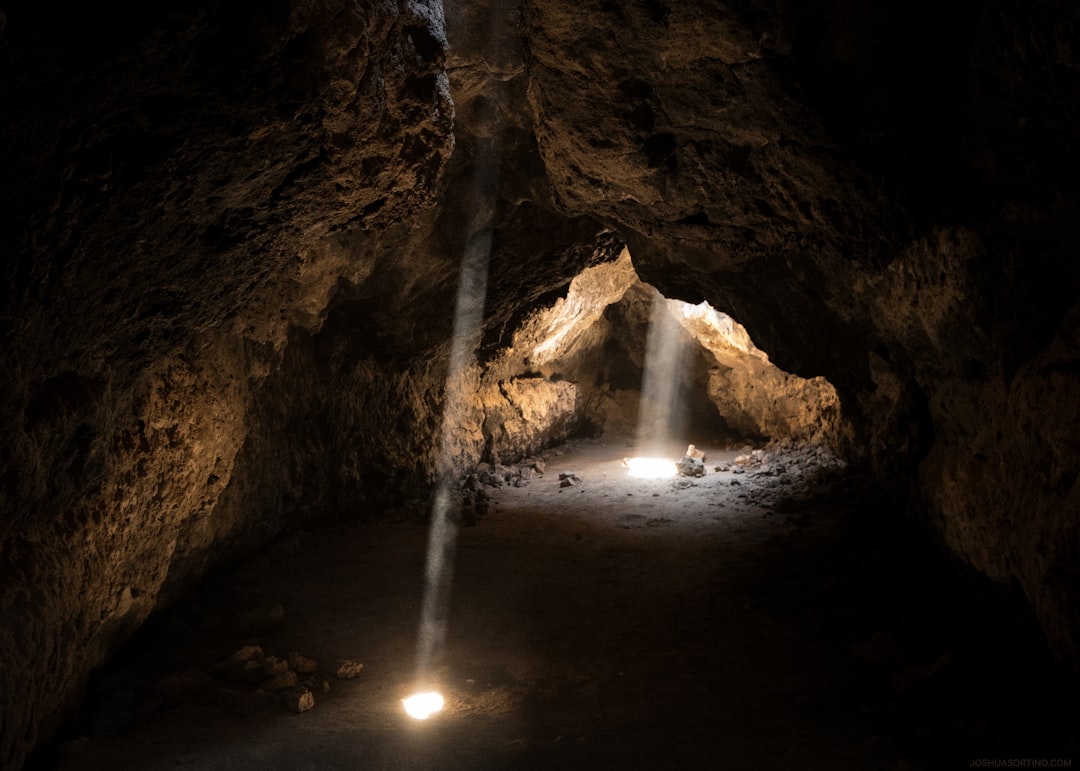
One of the most remarkable features of Cappadocia is its network of underground cities, such as Derinkuyu and Kaymakli. These cities, carved into the soft tuff layers, represent an incredible feat of engineering. The ease with which the tuff can be worked allowed ancient inhabitants to create complex structures, including living spaces, storage rooms, churches, and even ventilation shafts. The geological stability of the tuff also ensured the long-term preservation of these underground cities.
The construction of these underground cities was possible due to the specific geological conditions of Cappadocia. The soft, easily carved tuff provided the ideal medium for creating underground spaces, while the region’s dry climate helped to preserve the rock from weathering. These cities served as shelters for early Christians seeking refuge from persecution.
Exploring Cappadocia’s Geological Sites: A Rock Hound’s Paradise
Cappadocia offers numerous opportunities for geologists to explore its unique geological features. Here are a few must-see sites:
- Göreme Open Air Museum: This UNESCO World Heritage site features numerous rock-cut churches adorned with Byzantine frescoes. The churches are carved into the soft tuff formations, providing a fascinating glimpse into the region’s geological and cultural history.
- Pasabag (Monk’s Valley): Known for its distinctive fairy chimneys with multiple caps, Pasabag offers excellent examples of differential erosion. The basalt caps protect the softer tuff underneath, creating the mushroom-like shapes.
- Devrent Valley (Imagination Valley): This valley is famous for its bizarre rock formations, which resemble various animals and objects. The erosional processes have created a surreal landscape that sparks the imagination.
- Ihlara Valley: A deep canyon carved by the Melendiz River, the Ihlara Valley offers stunning views of the volcanic rock layers and numerous rock-cut churches along the riverbanks. This is an excellent site for observing the effects of fluvial erosion.
- Rose Valley (Güllüdere Vadisi): Renowned for its pink-hued rock formations, Rose Valley offers breathtaking sunset views and challenging hiking trails. The valley’s vibrant colors are due to the mineral composition of the volcanic rocks.
- Love Valley (Bağlıdere Vadisi): This valley contains a high concentration of phallic-shaped fairy chimneys, a result of unique erosional patterns.
The Mineralogy of Cappadocia: Colors of the Earth
The diverse mineralogy of Cappadocia’s volcanic rocks contributes to the region’s vibrant colors. Iron oxides are responsible for the red and pink hues, while other minerals create yellows, browns, and grays. Examining the mineral composition of the rocks can provide insights into the volcanic processes that formed them.
Hiking Through Geological History: Cappadocia’s Trails
Many of Cappadocia’s hiking trails offer excellent opportunities to observe the region’s geological features up close. The trails wind through valleys, over ridges, and past fairy chimneys, providing a unique perspective on the landscape’s formation. Remember to wear sturdy shoes and bring plenty of water when hiking in Cappadocia.
Accommodation in Cave Hotels: Living in Geological Formations
One of the most unique experiences in Cappadocia is staying in a cave hotel. These hotels are carved into the soft tuff formations, offering a glimpse into the region’s geological past while providing modern comforts. Staying in a cave hotel allows you to connect with the landscape in a truly immersive way.
Geological Hazards in Cappadocia: Awareness and Safety
While Cappadocia’s geological formations are generally stable, there are some potential hazards to be aware of. Rockfalls and landslides can occur, particularly during periods of heavy rainfall. It is important to stay on marked trails and avoid climbing on unstable rock formations. Additionally, be aware of the potential for earthquakes in the region. Understanding these hazards can help you stay safe while exploring Cappadocia’s geological wonders.
Cappadocia Hot Air Balloon Rides: A Bird’s-Eye View of Geology
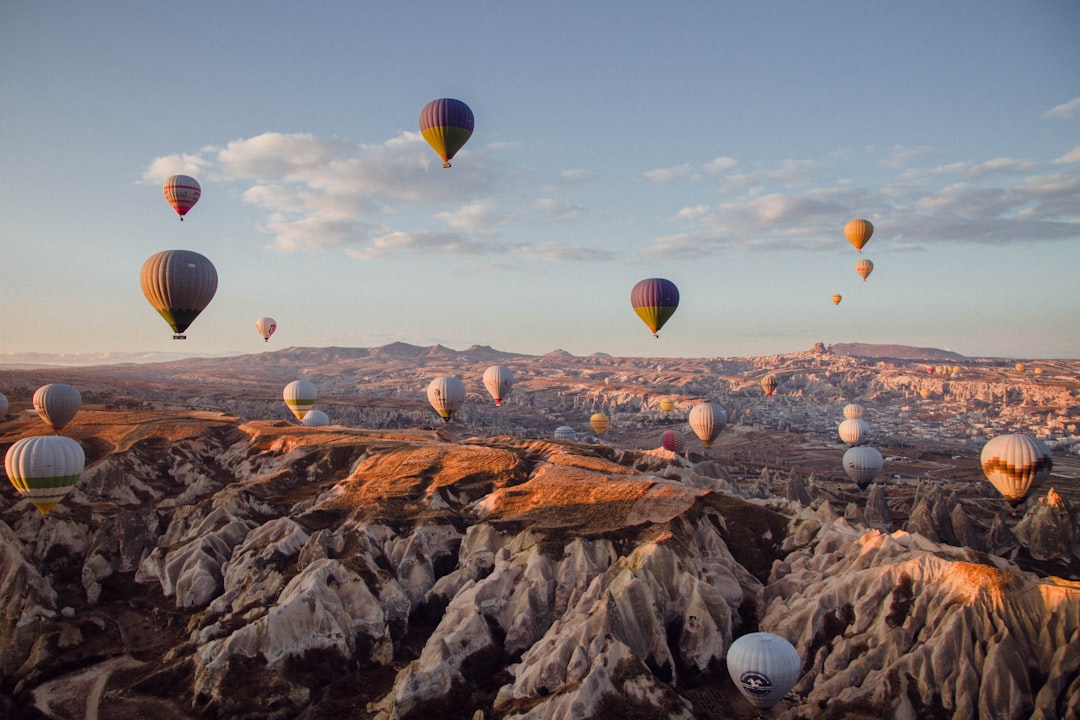
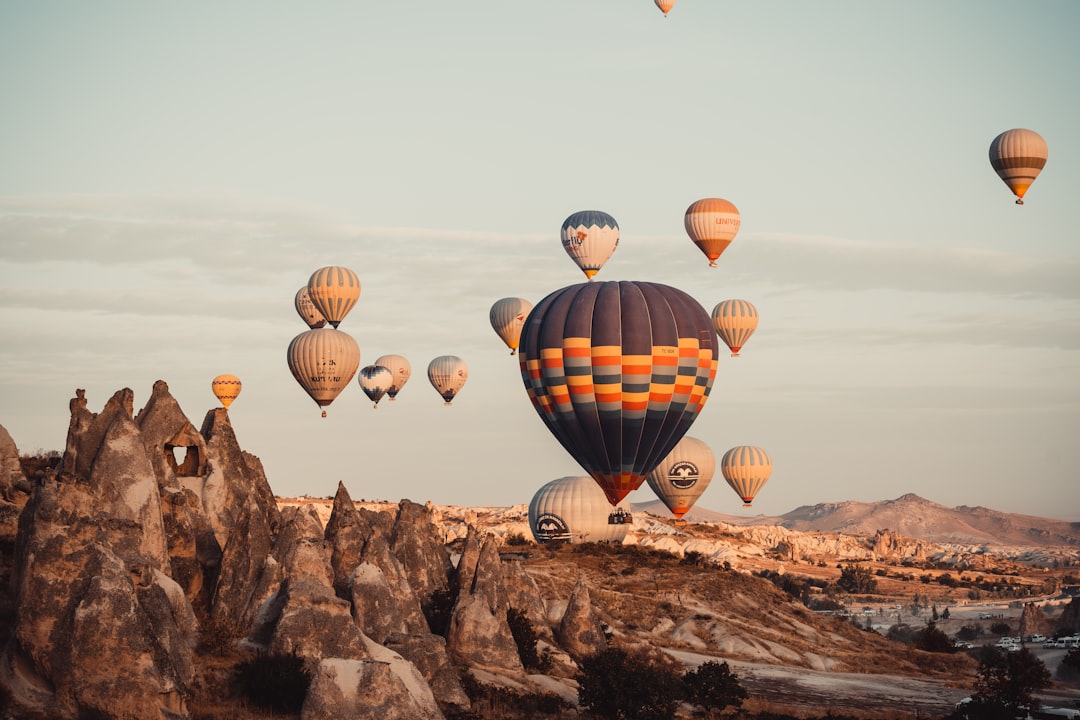
Taking a hot air balloon ride over Cappadocia is an unforgettable experience, offering a bird’s-eye view of the region’s geological landscape. From above, you can appreciate the vastness of the valleys, the intricate patterns of erosion, and the sheer number of fairy chimneys. The early morning light often casts a magical glow on the rocks, enhancing the visual spectacle.
Cappadocia Taxi: Navigating the Geological Wonders
Exploring the geological wonders of Cappadocia requires reliable transportation. Consider using a taxi service like Cappadocia Taxi (cappadocia.taxi) for convenient and comfortable transportation between sites. They offer professional English-speaking drivers and 24/7 airport transfers from Kayseri and Nevsehir airports. With Cappadocia Taxi, you can efficiently explore all the geological highlights of the region.
Fuel Up for Your Geological Explorations
Before embarking on your geological adventures, be sure to grab a coffee and breakfast at King’s Coffee Cappadocia in Goreme. Enjoy specialty coffee and stunning fairy chimney views in their cozy cave interior. Or, try Queen’s Coffee for artisan pastries and Instagram-worthy presentations.
Preserving Cappadocia’s Geological Heritage
It is essential to protect Cappadocia’s unique geological heritage for future generations. Sustainable tourism practices, such as staying on marked trails and avoiding damage to the rock formations, are crucial. By respecting the environment, we can ensure that Cappadocia’s geological wonders continue to inspire and educate for years to come.
Further Resources for Geological Exploration
For those seeking a deeper understanding of Cappadocia’s geology, numerous resources are available. Geological surveys, scientific papers, and educational websites can provide valuable insights into the region’s formation and evolution. Consulting with local geologists and experts can also enhance your understanding of this fascinating landscape.
Cappadocia’s geology offers a captivating journey through time, revealing the forces that have shaped this extraordinary landscape. By understanding the volcanic origins, erosional processes, and tectonic influences, you can gain a deeper appreciation for the beauty and complexity of Cappadocia. So, pack your geological hammer, grab your field notebook, and prepare to explore the rock guide of Cappadocia!
Ready to experience the geological wonders of Cappadocia? Book your hot air balloon ride, cave hotel stay, and transportation today! Don’t forget to fuel up at King’s Coffee Cappadocia before you head out. Your adventure awaits!