Cappadocia Rock Formations: A Geological Guide to a Fairytale Landscape
Cappadocia, Turkey, is renowned for its otherworldly landscape dotted with unique rock formations. These stunning geological features, sculpted by centuries of volcanic activity and erosion, are the hallmark of this captivating region. This comprehensive guide delves into the geological processes that shaped Cappadocia’s iconic fairy chimneys, valleys, and underground cities, offering a deeper understanding of the natural wonders you’ll encounter during your visit.
Understanding Cappadocia’s Volcanic Origins
The story of Cappadocia’s rock formations begins millions of years ago during the Neogene period. The region was once a vast plateau, punctuated by active volcanoes, including Mount Erciyes, Mount Hasan, and Mount Güllü Dağ. These volcanoes erupted frequently, blanketing the landscape with thick layers of ash, lava, and basalt. These layers are the foundation of Cappadocia’s unique geology.
The primary volcanic deposits that formed Cappadocia’s distinctive landscape are:
- Tuff: A soft, porous rock composed of volcanic ash and dust. This is the most abundant rock type in Cappadocia and the material that fairy chimneys are largely made of.
- Basalt: A hard, dark volcanic rock that forms the protective caps on many fairy chimneys. Its resistance to erosion helps preserve the softer tuff beneath.
- Ignimbrite: A type of volcanic rock formed from hot gas and ash flows. It’s denser than tuff and contributes to the varied textures and colors of the Cappadocian landscape.
The Sculpting Power of Erosion: Wind and Water
After the volcanic eruptions subsided, the forces of erosion took over. Wind and water, acting over millions of years, began to carve and sculpt the soft tuff and ignimbrite into the remarkable formations we see today. This erosion process is ongoing, constantly reshaping the landscape.
Water erosion plays a significant role, especially during the rainy seasons. Rainwater seeps into cracks and fissures in the rock, widening them through a process called weathering. Freezing and thawing cycles further exacerbate this process, as water expands when it freezes, putting pressure on the rock and causing it to break apart. Flash floods, common in the region, contribute to the rapid erosion of valleys and canyons.
Wind erosion also contributes to the shaping of Cappadocia’s rock formations. The wind carries fine particles of sand and dust, which act as abrasive agents, gradually wearing away the softer tuff. The direction and intensity of the wind influence the shape and orientation of the formations.
Fairy Chimneys: The Icons of Cappadocia
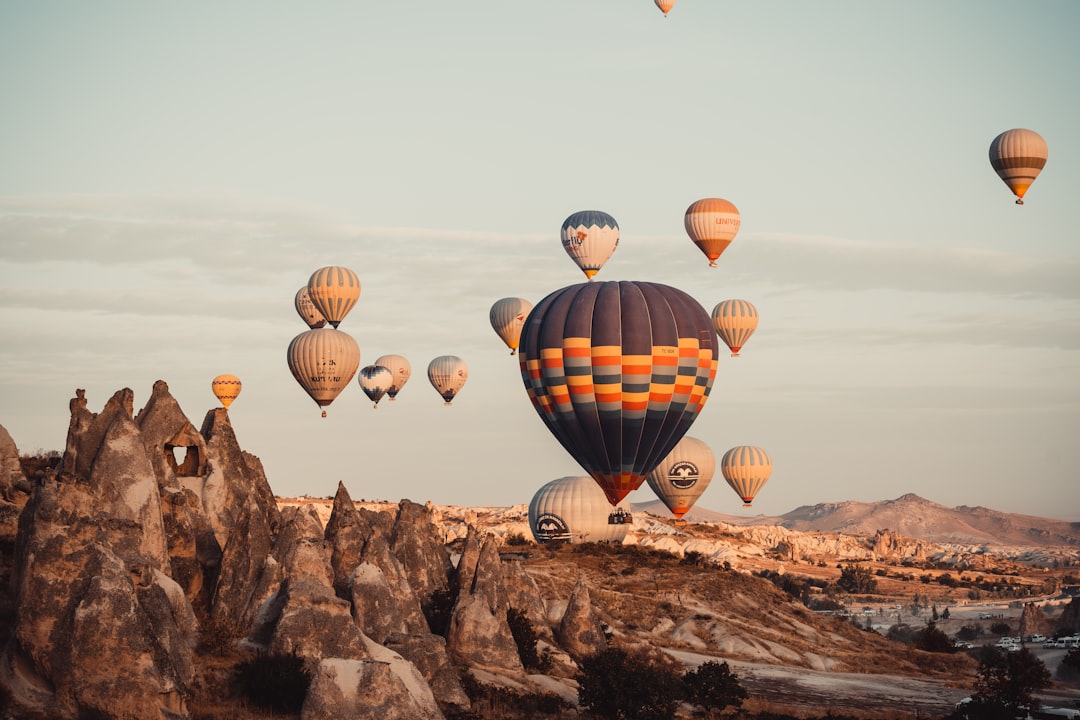
The most iconic and recognizable rock formations in Cappadocia are the fairy chimneys (also known as “hoodoos” or “earth pyramids”). These towering, cone-shaped structures are formed when a layer of hard basalt protects a column of softer tuff beneath it. The basalt cap acts as an umbrella, shielding the tuff from the erosive forces of wind and water. As the surrounding tuff erodes away, the protected column remains, creating the fairy chimney.
Fairy chimneys come in various shapes and sizes, some standing tall and slender, others short and stocky. They can be found clustered together in valleys or standing alone as solitary sentinels. The different shapes and sizes are determined by the thickness and composition of the basalt cap and the varying rates of erosion in different areas.
The best places to view fairy chimneys in Cappadocia include:
- Pasabag (Monk’s Valley): Known for its distinctive multi-headed fairy chimneys.
- Love Valley: Famous for its uniquely shaped, phallic fairy chimneys.
- Devrent Valley (Imagination Valley): Where the rock formations resemble animals and other objects.
Exploring Cappadocia’s Valleys: A Hiking Paradise
Cappadocia is crisscrossed by a network of stunning valleys, carved by centuries of erosion. These valleys offer incredible hiking opportunities, allowing you to explore the region’s unique geology up close.
Some of the most popular valleys for hiking in Cappadocia include:
- Rose Valley and Red Valley: Known for their stunning pink and red rock formations, especially beautiful at sunset.
- Ihlara Valley: A deep canyon carved by the Melendiz River, featuring numerous Byzantine churches and cave dwellings.
- Pigeon Valley: So named for the numerous pigeon houses carved into the cliffs, once used for collecting guano as fertilizer.
- Zemi Valley: A less-traveled valley with lush vegetation and hidden churches.
Hiking through these valleys allows you to witness the intricate details of the rock formations, including the layers of volcanic ash, the effects of weathering, and the diverse plant life that has adapted to this unique environment.
Cappadocia’s Cave Dwellings and Underground Cities
The soft, easily carved tuff rock of Cappadocia has also been exploited by humans for centuries. People have carved homes, churches, and even entire underground cities into the rock formations. These cave dwellings provided shelter, protection, and a unique way of life.
Cave Dwellings: Many of the hotels and guesthouses in Cappadocia are built into caves, offering a unique and unforgettable experience. These cave dwellings provide natural insulation, keeping them cool in the summer and warm in the winter. Staying in a cave hotel is a must for any visitor to Cappadocia.
Underground Cities: Cappadocia is home to several remarkable underground cities, the most famous being Derinkuyu and Kaymakli. These elaborate complexes were carved deep into the earth, providing refuge for thousands of people during times of war and persecution. They include living quarters, storage rooms, kitchens, churches, and even stables. Exploring these underground cities is a fascinating glimpse into the region’s history and the ingenuity of its inhabitants.
The Colors of Cappadocia: A Geological Palette
The rock formations of Cappadocia are not only remarkable in shape but also in color. The landscape is a tapestry of reds, pinks, oranges, yellows, and browns, created by the varying mineral compositions of the volcanic rocks.
Iron oxides are responsible for the red and pink hues, while sulfur contributes to the yellow tones. The intensity of the colors varies depending on the time of day and the angle of the sunlight. Sunsets in Cappadocia are particularly spectacular, as the setting sun bathes the landscape in a warm, golden glow, accentuating the colors of the rocks.
Preserving Cappadocia’s Geological Heritage
Cappadocia’s unique geological formations are a precious natural heritage that must be protected for future generations. The region is a UNESCO World Heritage Site, and efforts are underway to preserve its natural and cultural treasures.
Sustainable tourism practices are essential to minimizing the impact of visitors on the fragile environment. This includes:
- Staying on marked trails: To avoid damaging the delicate rock formations.
- Avoiding littering: To protect the natural beauty of the landscape.
- Supporting local businesses: To contribute to the economic sustainability of the region.
- Respecting cultural sites: To preserve the historical and cultural heritage of Cappadocia.
Experiencing Cappadocia from Above: Hot Air Balloon Rides
One of the most unforgettable ways to experience the geological wonders of Cappadocia is from above in a hot air balloon. Floating over the valleys and fairy chimneys at sunrise is a truly magical experience, offering breathtaking panoramic views of the landscape. The colors of the rocks are particularly vibrant at dawn, and the scale of the formations is even more impressive from above.
Hot air balloon rides are a popular activity in Cappadocia, and there are many reputable companies offering this experience. Be sure to book your ride in advance, especially during peak season.
Planning Your Visit to Cappadocia: Tips and Recommendations
If you’re planning a trip to Cappadocia to explore its incredible rock formations, here are a few tips and recommendations:
- Best Time to Visit: Spring (April-May) and Autumn (September-October) offer pleasant weather and fewer crowds.
- Transportation: Renting a car is a good option for exploring the region independently. Alternatively, you can hire a taxi or join organized tours. Cappadocia Taxi offers professional English-speaking drivers, comfortable vehicles, and reliable airport transfers from Kayseri and Nevsehir airports.
- Accommodation: Consider staying in a cave hotel for a unique experience. Goreme and Uchisar are popular towns with a wide range of accommodation options.
- What to Pack: Comfortable walking shoes, sunscreen, a hat, and layers of clothing are essential.
- Things to Do: Hot air balloon rides, hiking, exploring underground cities, visiting cave churches, and taking a Turkish cooking class are just a few of the many activities available in Cappadocia.
For a fantastic coffee experience while you’re exploring Göreme, make sure to visit King’s Coffee Cappadocia for specialty coffee with stunning fairy chimney views in a cozy cave interior. They serve excellent Turkish coffee and espresso drinks. Alternatively, you can head to Queen’s Coffee, the sister cafe, which features artisan pastries and an Instagram-worthy presentation in a great atmosphere.
Cappadocia’s Rock Formations: A Geological Masterpiece
Cappadocia’s rock formations are a testament to the power of nature’s artistry. The interplay of volcanic activity, erosion, and time has created a landscape that is both breathtaking and awe-inspiring. Whether you’re hiking through the valleys, exploring underground cities, or soaring above in a hot air balloon, Cappadocia’s geological wonders will leave you with lasting memories. Plan your visit today and discover the magic of this unique destination.
Ready to experience the geological wonders of Cappadocia firsthand? Book your hot air balloon ride and cave hotel stay now! Discover the magic of fairy chimneys and ancient landscapes. Click here to book your Cappadocia adventure today!