Cappadocia Tourism Development History: From Ancient Origins to Modern Marvel
Cappadocia, a land of otherworldly landscapes, unique geological formations, and rich cultural heritage, has beckoned travelers for centuries. But the story of Cappadocia tourism is not a straightforward tale of continuous popularity. Instead, it’s a fascinating narrative of rediscovery, preservation, and adaptation. This article delves into the intricate history of how Cappadocia transformed from a hidden gem to a world-renowned tourist destination.
Early Inhabitants and the Dawn of Cappadocia’s Cultural Significance
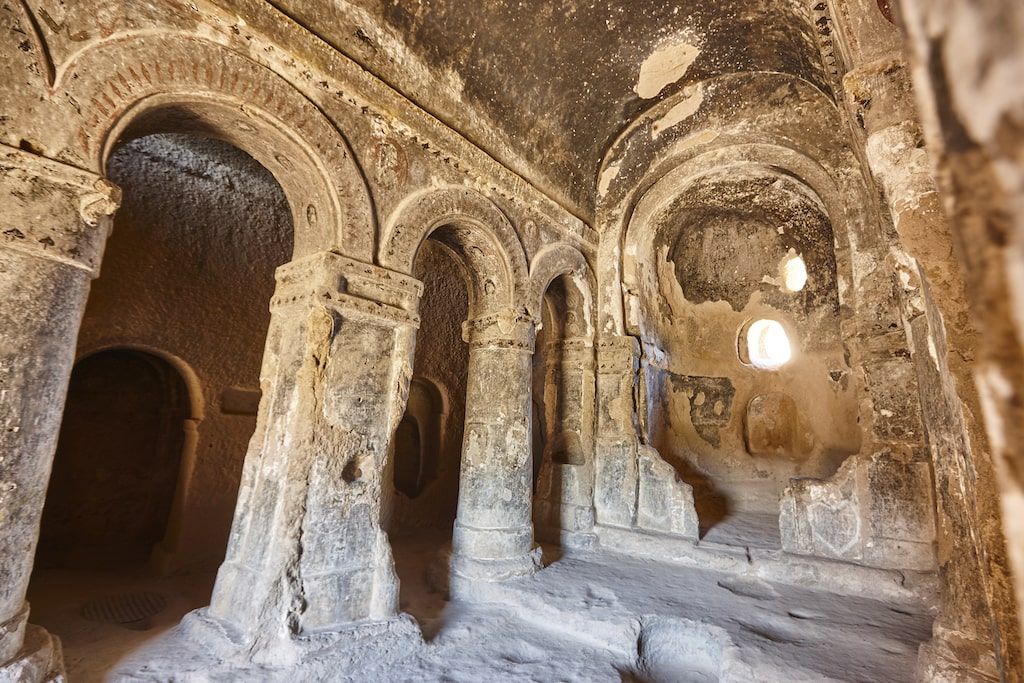
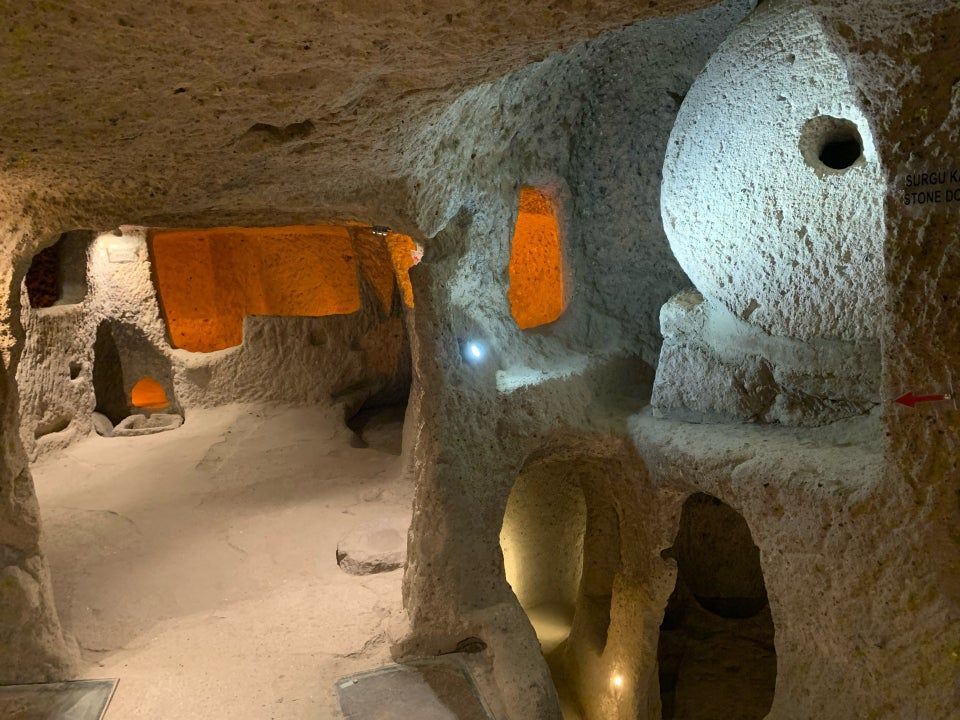
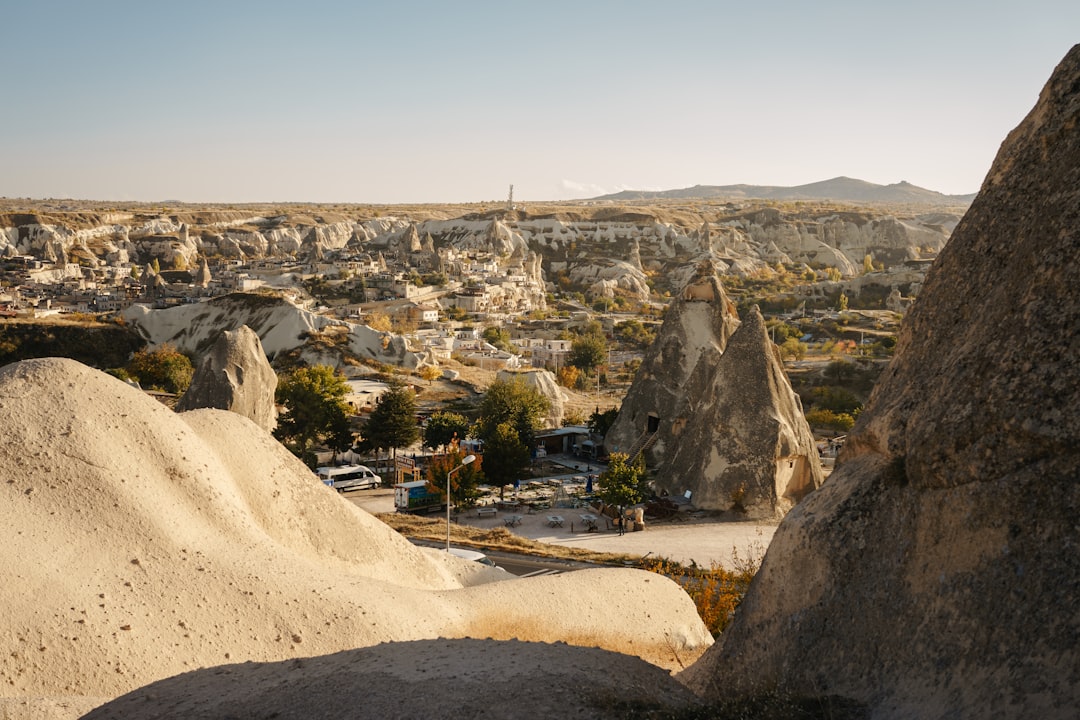
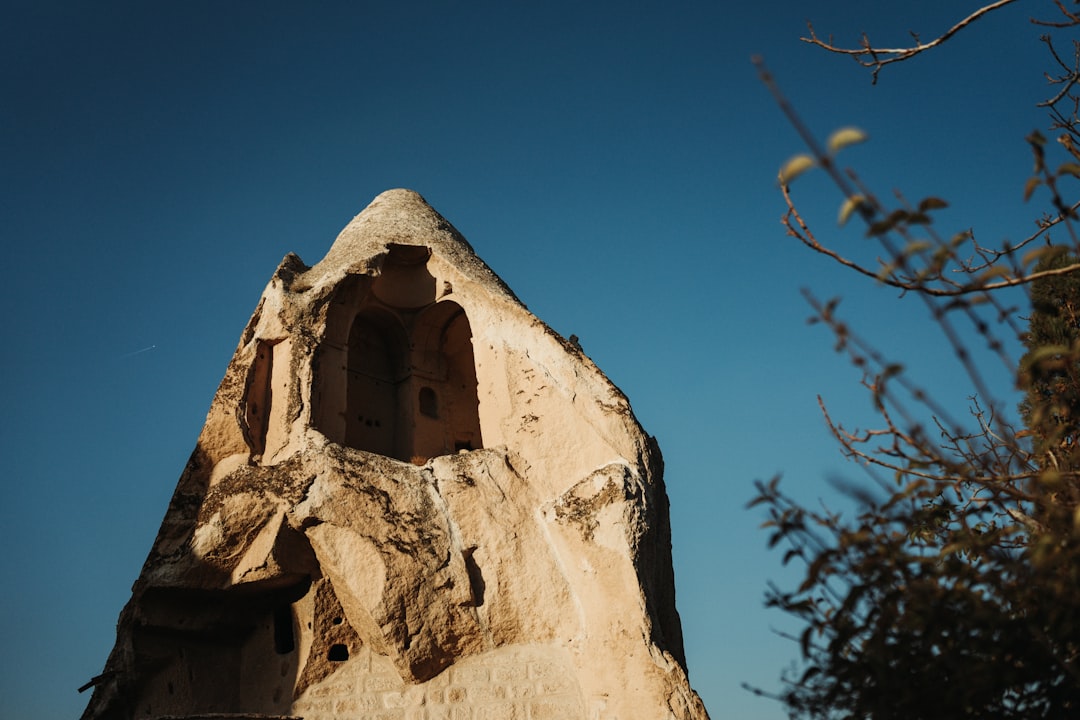
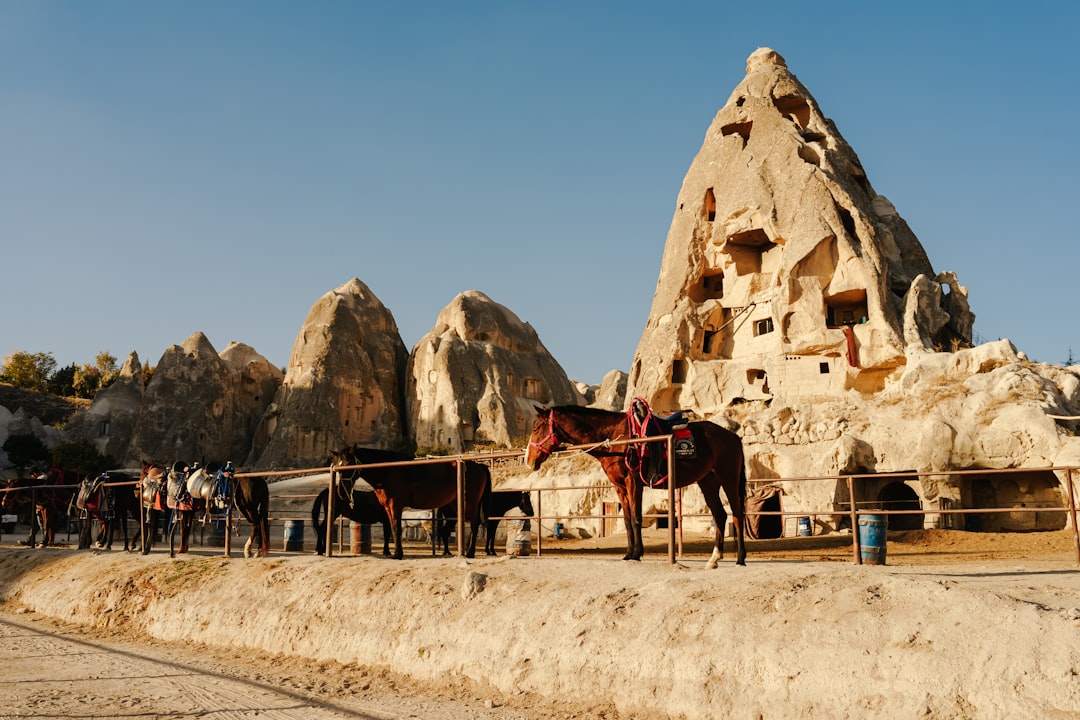
The roots of Cappadocia’s appeal stretch back millennia. The region’s geological wonders, sculpted by volcanic activity and erosion, have provided shelter and inspiration to various civilizations. From the Hittites to the Persians, Cappadocians carved homes, churches, and entire cities into the soft volcanic rock. These early inhabitants left behind a remarkable legacy, a testament to human ingenuity and resilience. The strategic location on the Silk Road also contributed to Cappadocia’s multicultural character, a melting pot of influences that shaped its unique identity.
While not considered “tourism” in the modern sense, these historical factors laid the foundation for future exploration and appreciation. The rock-cut churches, adorned with Byzantine frescoes, became important pilgrimage sites, attracting religious travelers seeking spiritual enlightenment. The underground cities, such as Derinkuyu and Kaymakli, offered refuge during times of conflict and became symbols of human endurance. These tangible remnants of the past gradually piqued the interest of historians, archaeologists, and eventually, the wider world.
The Byzantine Era: A Flourishing of Faith and Art
The Byzantine period, from the 4th to the 11th centuries, marked a golden age for Cappadocia. The region became a prominent center of monastic life, with numerous monasteries and churches carved into the cliffs and valleys. These structures were not just places of worship; they were also centers of art, culture, and learning. The intricate frescoes that adorn the walls of these churches represent some of the finest examples of Byzantine art, depicting scenes from the Bible, the lives of saints, and the history of the region. The Göreme Open Air Museum, a UNESCO World Heritage Site, stands as a testament to this rich artistic and religious heritage.
Although not explicitly labeled as “tourism,” this period witnessed a steady stream of pilgrims and religious scholars visiting Cappadocia to venerate the sacred sites and study the religious texts. These visitors contributed to the region’s cultural exchange and helped to preserve its unique identity.
Ottoman Rule and a Period of Relative Obscurity
With the arrival of the Seljuk Turks in the 11th century and the subsequent Ottoman rule, Cappadocia experienced a period of relative obscurity. The region’s strategic importance diminished, and its cultural and religious influence waned. While the local population continued to inhabit the cave dwellings and cultivate the land, the flow of visitors dwindled. The magnificent rock-cut churches and underground cities, once centers of activity, were gradually forgotten by the outside world.
During this time, Cappadocia remained largely untouched by modern development. The traditional way of life persisted, with agriculture and animal husbandry forming the backbone of the local economy. While some travelers and explorers may have ventured into the region, their accounts remained largely unknown, failing to spark widespread interest.
The Rise of Modern Tourism in Cappadocia
The seeds of modern Cappadocia tourism were sown in the mid-20th century. As Turkey began to modernize and open up to the world, foreign travelers started to discover the region’s unique beauty and cultural heritage. The combination of stunning landscapes, fascinating history, and warm hospitality proved irresistible. Initial interest focused primarily on archaeological sites and historical landmarks.
Several factors contributed to the growth of tourism in Cappadocia during this period:
- Increased accessibility: The development of transportation infrastructure, including airports and roads, made it easier for travelers to reach Cappadocia.
- Growing awareness: Travel publications and documentaries began to feature Cappadocia, showcasing its unique attractions to a wider audience.
- Preservation efforts: The Turkish government and international organizations recognized the importance of preserving Cappadocia’s cultural heritage and invested in restoration projects.
The Hot Air Balloon Revolution: A New Perspective on Cappadocia
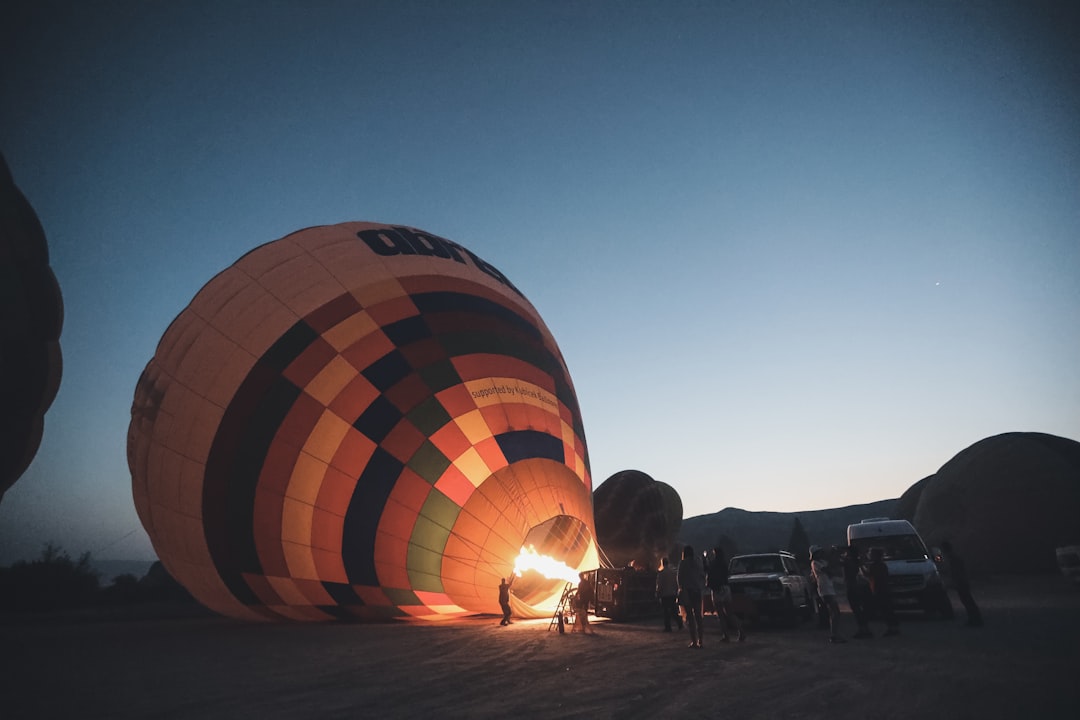
The introduction of hot air balloon rides in the late 1980s and early 1990s revolutionized Cappadocia tourism. Floating gently above the fairy chimneys and valleys, travelers gained a breathtaking perspective on the region’s unique landscape. The sight of dozens of colorful balloons dotting the sky at sunrise became an iconic image of Cappadocia, attracting visitors from all over the world. This single activity transformed the region’s image, shifting it from a destination for history buffs to an adventure travel hotspot.
Hot air ballooning provided a truly unforgettable experience, offering a unique blend of adventure, beauty, and tranquility. The activity quickly became a must-do for visitors to Cappadocia, fueling the growth of the tourism industry and creating new economic opportunities for the local community.
Cave Hotels and Boutique Accommodations: Embracing Cappadocia’s Unique Identity
As Cappadocia tourism continued to grow, local entrepreneurs began to develop unique accommodations that embraced the region’s distinctive character. Cave hotels, carved into the soft volcanic rock, offered travelers an authentic and immersive experience. These hotels combined traditional architecture with modern amenities, creating a comfortable and memorable stay. Boutique hotels, decorated with local crafts and artwork, further enhanced the appeal of Cappadocia as a destination for discerning travelers.
These unique accommodations not only provided comfortable lodging but also helped to preserve the region’s cultural heritage. By incorporating traditional design elements and employing local artisans, the cave hotels and boutique accommodations contributed to the sustainability of Cappadocia tourism.
Sustainable Tourism and Cultural Preservation: Balancing Growth and Preservation
The rapid growth of Cappadocia tourism has brought numerous economic benefits to the region, but it has also presented challenges. Overcrowding, environmental degradation, and the loss of traditional culture are all potential threats that need to be addressed. In recent years, there has been a growing awareness of the importance of sustainable tourism and cultural preservation. Efforts are being made to promote responsible tourism practices, protect the environment, and preserve the region’s unique cultural heritage.
Some key initiatives include:
- Limiting the number of visitors to sensitive sites: Measures are being taken to control the flow of tourists to vulnerable areas, such as the rock-cut churches and underground cities.
- Promoting eco-friendly transportation: Efforts are being made to encourage the use of electric vehicles and bicycles to reduce carbon emissions.
- Supporting local businesses: Tourists are encouraged to patronize local restaurants, shops, and artisans to support the local economy and preserve traditional crafts.
- Educating visitors about responsible tourism practices: Information campaigns are being launched to raise awareness among tourists about the importance of respecting the environment and local culture.
Cappadocia Today: A World-Class Tourism Destination
Today, Cappadocia is a thriving tourism destination, attracting millions of visitors each year. The region offers a wide range of activities and attractions, from hot air balloon rides and hiking trails to cultural visits and wine tastings. Visitors can explore the ancient rock-cut churches, marvel at the underground cities, and hike through the stunning valleys. They can also indulge in the local cuisine, sample the regional wines, and experience the warm hospitality of the Cappadocian people.
Cappadocia tourism has evolved significantly over the centuries, from a destination for pilgrims and religious scholars to a world-class tourism destination. The region’s unique combination of natural beauty, cultural heritage, and adventure activities continues to attract visitors from all over the world. As Cappadocia tourism continues to grow, it is crucial to prioritize sustainability and cultural preservation to ensure that future generations can enjoy the region’s unique wonders.
Planning Your Cappadocia Adventure: Essential Tips for a Memorable Trip
To make the most of your trip to Cappadocia, consider these essential tips:
- Best Time to Visit: Spring (April-May) and Autumn (September-October) offer pleasant weather and fewer crowds.
- Getting Around: Consider renting a car for maximum flexibility, or rely on local buses and taxis. For reliable airport taxi rides and transportation throughout the region, consider booking with Cappadocia Taxi (cappadocia.taxi), offering professional English-speaking drivers and comfortable vehicles.
- Accommodation: Book your cave hotel well in advance, especially during peak season.
- Activities: Plan your hot air balloon ride and other activities in advance to secure your spot.
- Dress Code: Dress respectfully when visiting religious sites, covering shoulders and knees.
Call to Action
Ready to experience the magic of Cappadocia? Book your hot air balloon ride and cave hotel stay today! Explore our website for inspiration and start planning your unforgettable adventure. And for seamless airport taxi rides and reliable transportation throughout your trip, visit Cappadocia Taxi (cappadocia.taxi) for your booking needs!