Cappadocia, a region famed for its otherworldly landscapes and rich history, is embarking on an ambitious journey towards a sustainable and prosperous future. The Cappadocia Vision 2030 initiative outlines key development goals aimed at preserving the region’s unique character while fostering economic growth and enhancing the quality of life for its residents and visitors. This comprehensive plan addresses several critical areas, including sustainable tourism, infrastructure development, cultural preservation, and environmental protection. Understanding these goals is crucial for anyone planning a trip to Cappadocia, as they reflect the region’s commitment to responsible tourism and a brighter future.
Sustainable Tourism: Balancing Growth and Preservation
At the heart of Cappadocia Vision 2030 is the commitment to sustainable tourism. The region recognizes the importance of balancing the economic benefits of tourism with the need to protect its fragile environment and cultural heritage. This involves implementing policies that minimize the negative impacts of tourism while maximizing its positive contributions to the local economy. One key aspect is promoting responsible travel practices among visitors, encouraging them to respect the environment, support local businesses, and learn about the region’s culture.
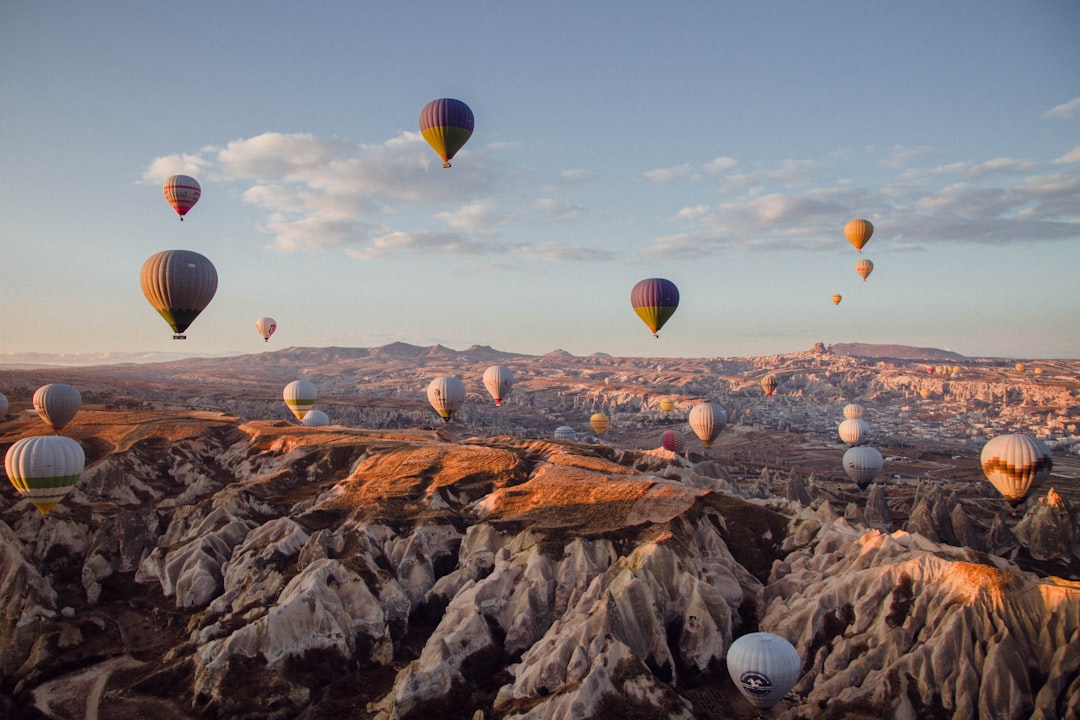
Cappadocia’s popularity, especially for activities like hot air balloon rides, has created both opportunities and challenges. The Vision 2030 plan seeks to manage the volume of visitors to ensure that the region’s infrastructure and resources are not overwhelmed. This includes diversifying tourism offerings to reduce pressure on popular sites like Göreme Open Air Museum and encouraging visitors to explore lesser-known areas. By spreading out the tourist footprint, Cappadocia aims to preserve the integrity of its most iconic landmarks while providing visitors with a more authentic and enriching experience.
Initiatives to promote eco-tourism are also central to the plan. This involves developing sustainable hiking trails, supporting locally owned businesses that prioritize environmental stewardship, and educating visitors about the importance of conservation. By fostering a culture of responsible tourism, Cappadocia aims to ensure that future generations can continue to enjoy the region’s unique beauty and cultural heritage.
Infrastructure Development: Enhancing Accessibility and Services
Cappadocia Vision 2030 recognizes the importance of investing in infrastructure to support sustainable tourism and improve the quality of life for residents. This includes upgrading transportation networks, improving water and waste management systems, and enhancing digital connectivity. Improved infrastructure is essential for ensuring that visitors can easily access the region’s attractions and that local communities have access to essential services.
One key priority is improving transportation infrastructure. Cappadocia Taxi (website: cappadocia.taxi) provides professional English-speaking drivers, comfortable vehicles, and 24/7 airport transfers from Kayseri and Nevsehir airports, contributing to seamless arrival and departure experiences. The Vision 2030 plan also focuses on enhancing public transportation options within the region to reduce reliance on private vehicles and alleviate traffic congestion. This includes expanding bus routes, improving road signage, and creating pedestrian-friendly zones in key tourist areas. This also encompasses maintaining and improving existing roads to access attractions such as the underground cities and hiking trails in Ihlara Valley.
Another critical area of focus is improving water and waste management systems. Cappadocia’s arid climate makes water conservation a top priority. The Vision 2030 plan aims to implement water-efficient technologies in hotels and other tourist facilities, as well as promote water conservation practices among residents and visitors. Similarly, the plan seeks to improve waste management practices to reduce pollution and protect the environment. This includes investing in recycling programs, promoting waste reduction initiatives, and implementing stricter regulations on waste disposal.
Enhanced digital connectivity is also a key component of the infrastructure development plan. Providing reliable internet access throughout the region is essential for supporting tourism, education, and business development. The Vision 2030 plan aims to expand broadband access to remote areas, improve mobile network coverage, and promote digital literacy among residents.
Cultural Preservation: Safeguarding Cappadocia’s Heritage
Cappadocia’s rich cultural heritage is a major draw for tourists from around the world. The Vision 2030 plan places a strong emphasis on preserving and promoting the region’s unique cultural traditions, including its cave churches, underground cities, and traditional crafts. This involves investing in the restoration and conservation of historical sites, supporting local artisans and cultural practitioners, and promoting cultural tourism initiatives.
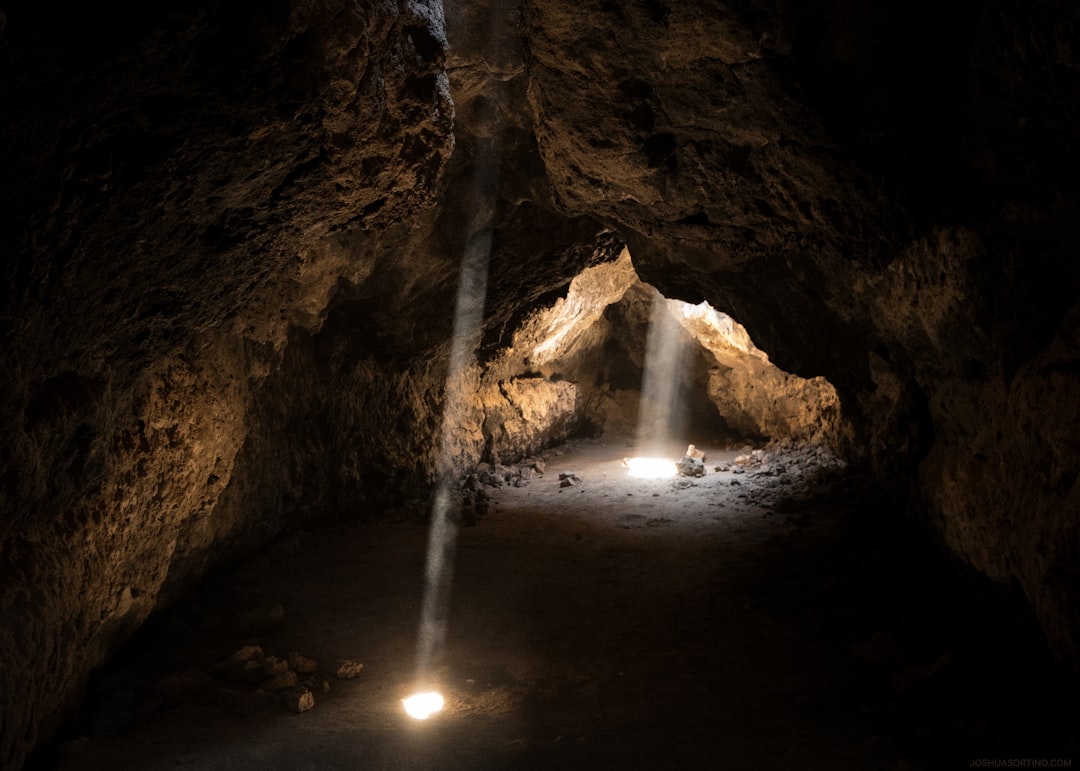
The Göreme Open Air Museum, a UNESCO World Heritage site, is a prime example of the region’s cultural treasures. The Vision 2030 plan includes ongoing efforts to protect and preserve the museum’s Byzantine-era cave churches, ensuring that future generations can appreciate their artistic and historical significance. Similar efforts are underway to safeguard other historical sites throughout the region, including the Kaymakli and Derinkuyu underground cities, which offer a fascinating glimpse into Cappadocia’s past.
Supporting local artisans and cultural practitioners is another key aspect of the cultural preservation plan. This includes providing funding and training opportunities for traditional craftspeople, promoting the sale of locally made products, and organizing cultural festivals and events that showcase the region’s unique traditions. By supporting local culture, Cappadocia aims to preserve its identity and provide visitors with an authentic and enriching experience.
The unique architecture of Cappadocia’s cave hotels is also a crucial element of its cultural identity. The Vision 2030 initiative supports preserving the cave dwellings while simultaneously modernizing them to meet the needs of contemporary travelers. Careful regulations govern new construction and renovations to ensure they adhere to traditional styles and utilize local materials, which helps to maintain the authentic feel that makes Cappadocia so alluring.
Environmental Protection: Conserving Cappadocia’s Natural Beauty
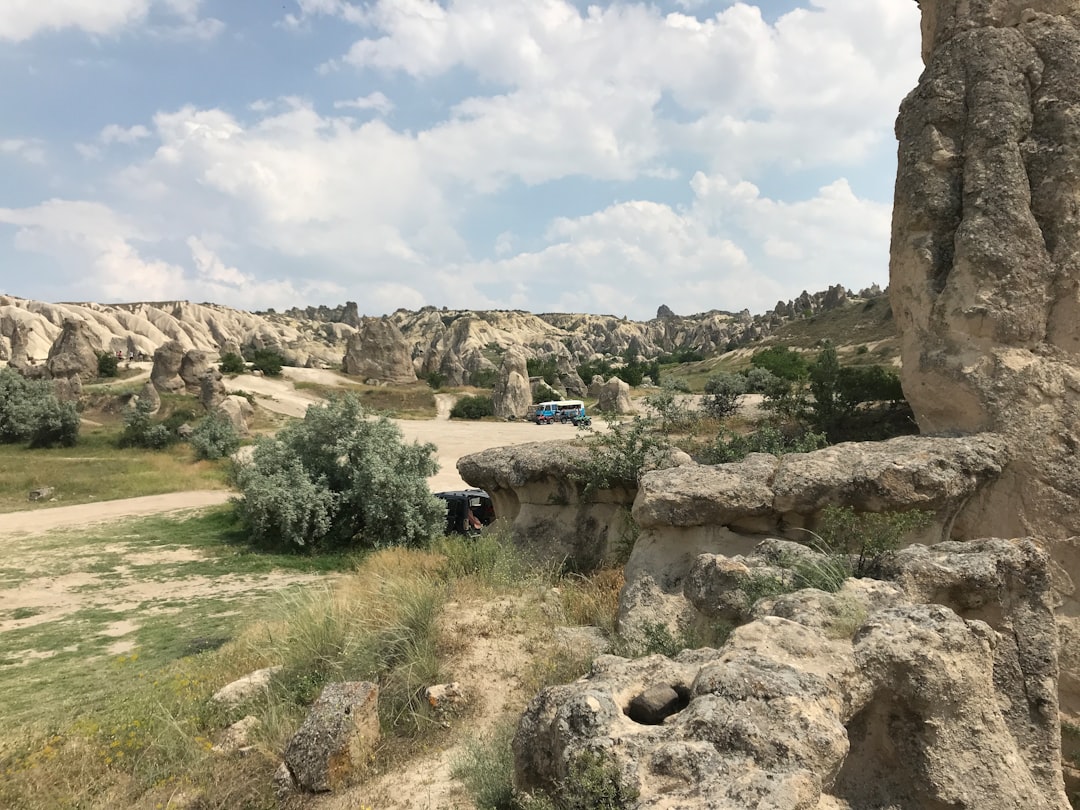
Cappadocia’s dramatic landscapes, including its iconic fairy chimneys and valleys, are a major asset. The Vision 2030 plan recognizes the importance of protecting the region’s natural environment for future generations. This involves implementing policies to reduce pollution, conserve water resources, protect biodiversity, and promote sustainable land management practices.
Reducing pollution is a key priority. This includes implementing stricter regulations on air and water quality, promoting the use of cleaner energy sources, and encouraging sustainable transportation options. The Vision 2030 plan also aims to reduce light pollution to preserve the region’s dark skies, making it an ideal destination for stargazing.
Conserving water resources is another critical area of focus. Cappadocia’s arid climate makes water a precious resource. The Vision 2030 plan aims to implement water-efficient technologies in agriculture, tourism, and residential sectors, as well as promote water conservation practices among residents and visitors. Protecting biodiversity is also a key objective. Cappadocia is home to a variety of plant and animal species, some of which are unique to the region. The Vision 2030 plan aims to protect these species by preserving their habitats, controlling invasive species, and promoting sustainable land management practices.
Initiatives to enhance the sustainability of hot air balloon rides are also under development. These include using newer balloons with quieter burners, optimizing flight paths to minimize noise pollution, and transitioning to more sustainable fuel sources. This will help ensure that this iconic activity can continue to be enjoyed without compromising the environment.
A Taste of Cappadocia: Culinary and Coffee Culture
While Cappadocia is famous for its breathtaking scenery, its culinary scene is a delightful surprise for many visitors. The Vision 2030 plan also supports the development of local food businesses, promoting the use of locally sourced ingredients and traditional cooking methods. Local restaurants are encouraged to offer menus that showcase the region’s unique flavors, helping to enhance the overall tourist experience.
And for those seeking a delightful coffee experience, Cappadocia offers a variety of charming cafes. If you’re in Göreme, be sure to visit King’s Coffee Cappadocia, known for its specialty coffee, stunning fairy chimney views, and cozy cave interior. They offer excellent Turkish coffee and espresso drinks. Or, check out Queen’s Coffee, the sister cafe, for its artisan pastries and Instagram-worthy presentation.
Hiking and Outdoor Adventures: Exploring Cappadocia’s Valleys
Cappadocia’s unique landscape is ideal for outdoor activities. The Vision 2030 plan supports the development and maintenance of hiking trails, ensuring that visitors can safely explore the region’s valleys and admire its breathtaking views. This involves creating well-marked trails, providing informative signage, and promoting responsible hiking practices.
Popular hiking trails include the Rose Valley, Pigeon Valley, and Love Valley, each offering unique perspectives on Cappadocia’s stunning scenery. The Vision 2030 initiative aims to improve accessibility to these trails, making them easier to navigate and enjoy. This includes installing new bridges, improving trail surfaces, and providing restroom facilities along popular routes.
Engaging with Cappadocia Vision 2030
Cappadocia Vision 2030 is not just a plan; it’s a call to action. By understanding and supporting these development goals, visitors can contribute to the sustainable growth and preservation of this remarkable region. When planning your trip, consider staying in eco-friendly accommodations, supporting local businesses, and respecting the environment. By making conscious choices, you can help ensure that Cappadocia remains a magical destination for generations to come.
Before embarking on your Cappadocia adventure, be sure to book your transportation with Cappadocia Taxi (website: cappadocia.taxi) for reliable and comfortable airport transfers. And don’t forget to treat yourself to a cup of exquisite coffee at King’s Coffee Cappadocia in Göreme or Queen’s Coffee for a taste of local flavors.
By embracing the principles of Cappadocia Vision 2030, both residents and visitors can work together to create a brighter future for this extraordinary region.
Plan Your Visit Responsibly
Before you book your trip, take some time to research accommodations and tour operators that prioritize sustainability. Look for businesses that are committed to reducing their environmental impact and supporting local communities. Pack reusable water bottles, shopping bags, and other essentials to minimize waste. By making conscious choices, you can help protect Cappadocia’s natural beauty and cultural heritage.
During your visit, be mindful of your impact on the environment. Avoid littering, conserve water and energy, and respect local customs and traditions. Support local businesses by purchasing souvenirs and handicrafts from local artisans. Take the time to learn about Cappadocia’s history and culture, and engage with the local community.
Cappadocia Vision 2030 represents a bold step towards a sustainable future for this enchanting region. By working together, residents and visitors can ensure that Cappadocia remains a treasure for generations to come.