Early Christianity in the Cave Churches of Cappadocia
Cappadocia, a region in central Turkey renowned for its surreal landscape of fairy chimneys and ancient cave dwellings, holds a profound secret within its rock formations: a rich history of early Christianity. These unique geological structures offered refuge and a canvas for early Christians to express their faith, leaving behind a legacy of stunning frescoes and intricately carved churches that continue to captivate visitors today. This article explores the origins of early Christianity in Cappadocia, the significance of its cave churches, and the enduring artistic and spiritual heritage they represent.
The Arrival of Christianity in Cappadocia
Christianity arrived in Cappadocia relatively early in its development, likely during the 1st century AD. The region’s strategic location along trade routes facilitated the spread of new ideas and beliefs. While concrete evidence of the very earliest Christian presence is scarce, the writings of the Apostle Peter mention Cappadocia (1 Peter 1:1), suggesting an early familiarity with the area among Christians. As the Roman Empire adopted Christianity as its official religion in the 4th century, Cappadocia became an important center for Christian monasticism and artistic expression.
Why Cave Churches? The Search for Refuge and Spiritual Retreat
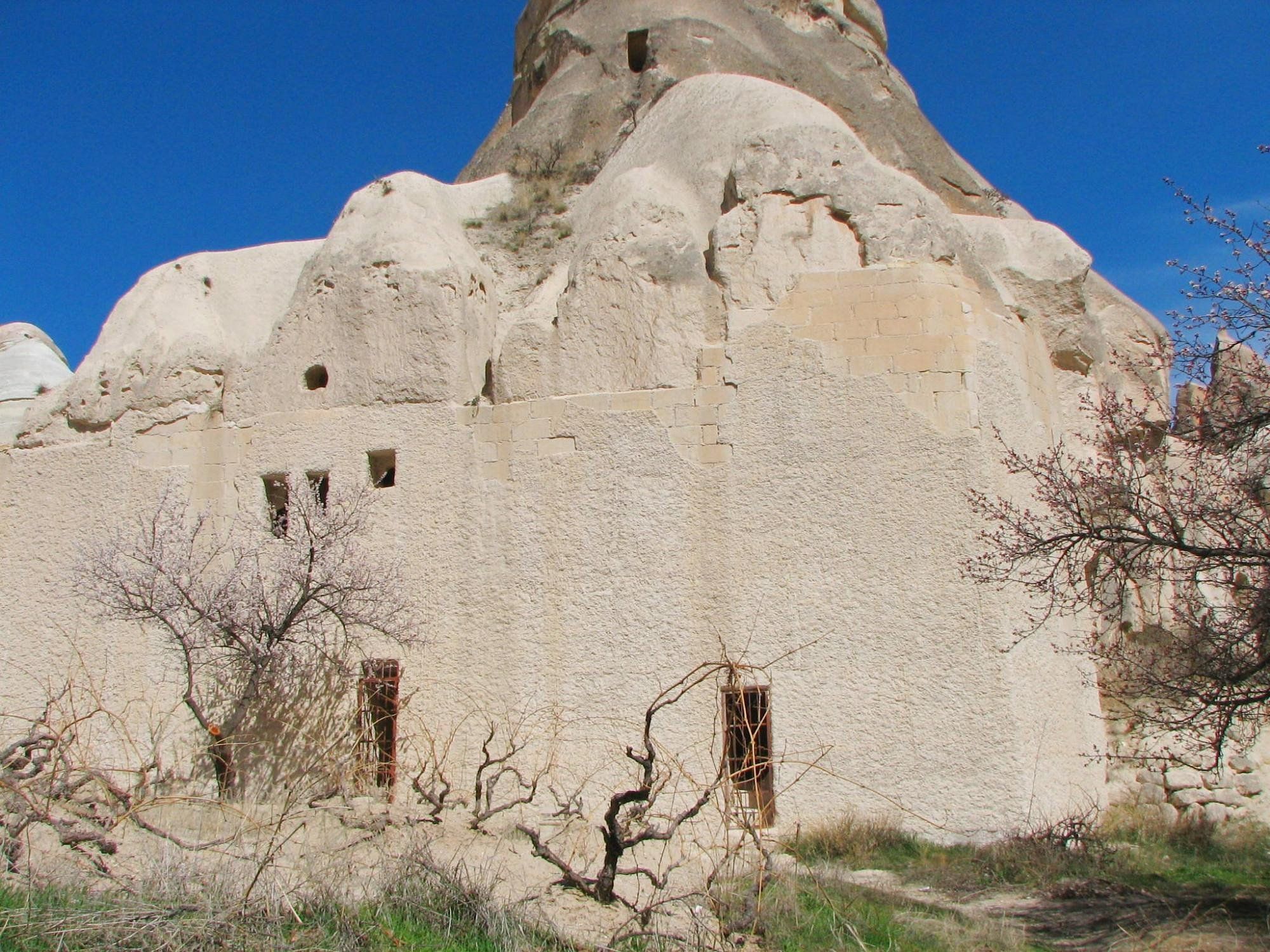
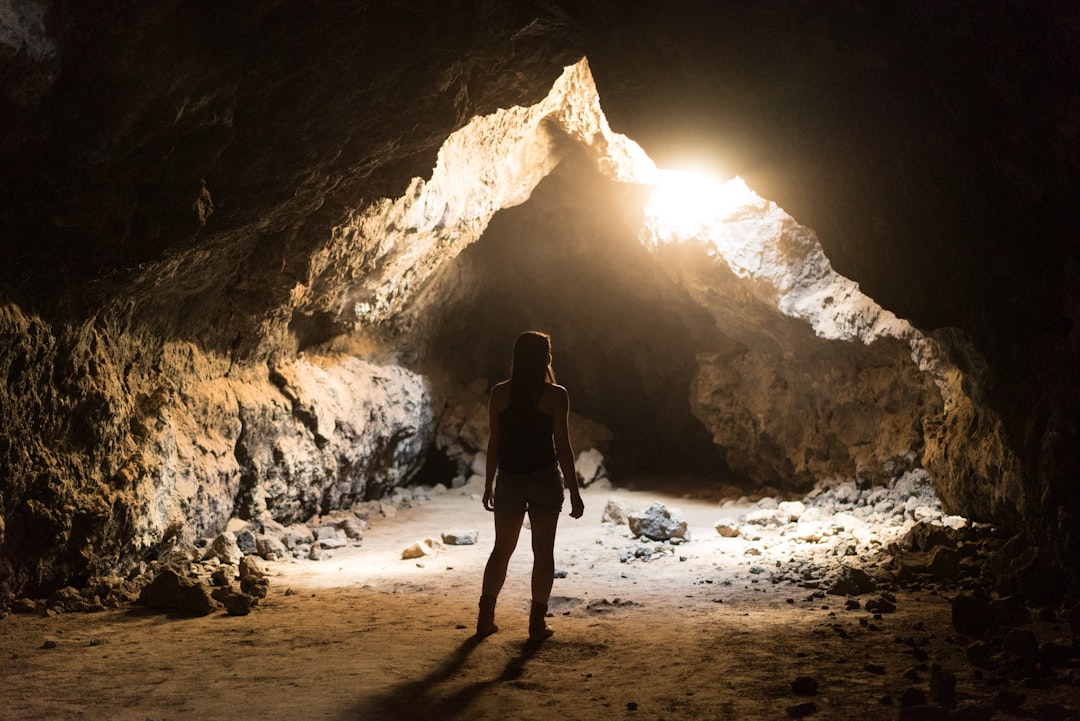
The unique geological landscape of Cappadocia played a crucial role in the development of its cave churches. The soft volcanic rock, known as tuff, was easily carved, allowing early Christians to create hidden spaces for worship and monastic life. These caves provided shelter from persecution, particularly during periods of Roman oppression and later Arab raids. Beyond protection, the secluded nature of the caves offered an ideal environment for spiritual reflection, prayer, and communal living. The stark beauty of the Cappadocian landscape further enhanced the sense of spiritual connection and detachment from the material world.
Key Cave Church Sites in Cappadocia: A Journey Through History
Cappadocia boasts a wealth of cave churches, each offering a unique glimpse into the artistic and religious practices of early Christians. Exploring these sites is like stepping back in time, allowing you to witness the devotion and artistic skill of those who came before.
Göreme Open Air Museum: A UNESCO World Heritage Site
The Göreme Open Air Museum is arguably the most famous and easily accessible collection of cave churches in Cappadocia. This UNESCO World Heritage site features numerous churches adorned with well-preserved frescoes dating from the 10th to 12th centuries. Some of the most notable churches within the museum include:
- Tokalı Kilise (Buckle Church): Renowned for its vibrant frescoes depicting scenes from the life of Christ and the Virgin Mary. The intricate details and use of color make it one of the finest examples of Cappadocian Byzantine art.
- Azize Barbara Kilisesi (Church of Saint Barbara): Features geometric patterns and symbolic representations, reflecting a more simplistic style of decoration. It’s a testament to the diverse artistic expressions within the region.
- Elmalı Kilise (Apple Church): Named for the apple tree depicted in one of its frescoes, this church showcases scenes from the New Testament, including the Last Supper and the Ascension.
- Karanlık Kilise (Dark Church): Accessed by a winding staircase, this church owes its name to the limited light that enters its interior. However, this lack of light has helped preserve the vibrant colors of its frescoes, making them exceptionally vivid. A small additional fee is usually required to enter this church, and it is well worth it.
- Yılanlı Kilise (Snake Church): Depicts the story of the Forty Martyrs of Sebaste and features a fresco of a snake attacking a woman, representing sin.
Zelve Open Air Museum: A Deserted Cave Town
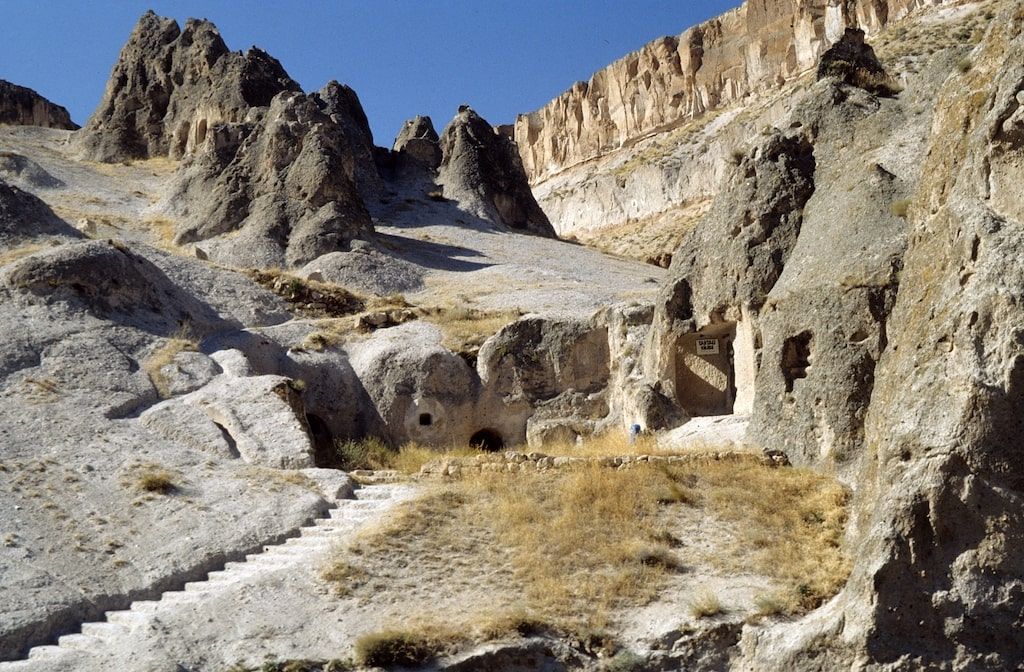
The Zelve Open Air Museum presents a different perspective on Cappadocian cave dwellings. This former village was inhabited until the 1950s when residents were relocated due to safety concerns. Exploring Zelve offers a glimpse into the daily lives of the people who lived in these cave homes and churches. While the frescoes are not as well-preserved as those in Göreme, the sheer scale and unique architecture of Zelve are impressive.
Kaymaklı Underground City: A Labyrinth of Refuge
While not strictly a cave church site, the Kaymaklı Underground City is an essential part of Cappadocia’s Christian history. This massive underground complex provided refuge for early Christians during periods of persecution. The city includes living quarters, storage rooms, and even churches, all carved deep into the earth. Exploring Kaymaklı offers a profound understanding of the challenges faced by early Christians and their ingenuity in creating safe havens.
Derinkuyu Underground City: A Marvel of Engineering
Even larger than Kaymaklı, Derinkuyu Underground City is believed to have been able to house thousands of people. It includes ventilation shafts, wells, and numerous chapels. Discovering the depths of Derinkuyu is an unforgettable experience that highlights the resilience and faith of Cappadocia’s early Christian community.
Other Notable Churches: Exploring Beyond the Main Sites
Beyond the main open-air museums, numerous smaller and lesser-known cave churches are scattered throughout Cappadocia. These hidden gems often offer a more intimate and authentic experience, allowing you to connect with the region’s history in a more personal way. Some notable examples include:
- Üzümlü Kilise (Church with Grapes): Located near Göreme, this church features frescoes depicting grapevines, symbolizing the Eucharist.
- Süleyman Kilisesi (Church of St. John): Situated in Mustafapaşa, this church showcases a more refined style of Byzantine art.
- Açıksaray: Near Gülşehir, this site contains several rock-cut churches and monastic complexes.
The Art of Cappadocian Cave Churches: Frescoes and Symbolism
The frescoes that adorn the walls of Cappadocian cave churches are a testament to the artistic skill and religious devotion of the early Christians. These paintings depict scenes from the Bible, the lives of saints, and various Christian symbols. The vibrant colors and expressive figures bring these stories to life, offering a powerful visual representation of faith. The art style is distinct, characterized by bold outlines, stylized figures, and a focus on conveying spiritual meaning rather than strict realism.
Common Themes and Symbols
Several recurring themes and symbols appear throughout the frescoes in Cappadocian cave churches. Some of the most common include:
- Christ Pantocrator: A depiction of Christ as the ruler of the universe, often found in the central dome of the church.
- The Virgin Mary: Depicted in various scenes, including the Annunciation, the Nativity, and the Dormition (death) of the Virgin.
- Scenes from the Life of Christ: Including the Baptism, the Transfiguration, the Last Supper, the Crucifixion, and the Resurrection.
- Saints: Including prominent figures such as Saint George, Saint Barbara, and Saint Basil.
- Geometric Patterns and Symbolic Motifs: Such as crosses, circles, and stylized animals, representing various aspects of Christian belief.
Preservation and Conservation: Protecting the Legacy
The preservation of Cappadocian cave churches is an ongoing challenge. The soft volcanic rock is susceptible to erosion, and the frescoes are vulnerable to damage from humidity, temperature fluctuations, and human activity. Efforts are underway to conserve these precious sites, including structural stabilization, cleaning and restoration of frescoes, and controlled access to protect them from further damage. Organizations like UNESCO and the Turkish Ministry of Culture and Tourism are working to ensure that future generations can appreciate and learn from this unique historical and artistic heritage.
Experiencing Cappadocia Today: Planning Your Visit
Visiting Cappadocia and exploring its cave churches is an unforgettable experience. To make the most of your trip, consider the following tips:
- Best Time to Visit: Spring (April-May) and autumn (September-October) offer pleasant weather and fewer crowds.
- Accommodation: Immerse yourself in the local culture by staying in a cave hotel. Many hotels in Cappadocia are built into the rock formations, offering a unique and comfortable experience.
- Transportation: Consider renting a car for greater flexibility in exploring the region. Local buses and taxis are also available. For reliable airport taxi service and transportation within Cappadocia, consider Cappadocia Taxi, known for their professional English-speaking drivers and comfortable vehicles. They offer 24/7 airport taxi service from Kayseri and Nevsehir airports with competitive prices and reliable service.
- Guided Visits: Consider joining a guided visit to learn more about the history and art of the cave churches. Knowledgeable guides can provide valuable insights and context.
- Respectful Attire: When visiting churches, dress respectfully. Avoid wearing revealing clothing.
After a long day of exploring the historical sites of Cappadocia, there’s nothing quite like relaxing with a delicious coffee and enjoying the stunning views. They offer specialty coffee and stunning fairy chimney views from their cozy cave interior. You can also enjoy excellent Turkish coffee and espresso drinks.
The Enduring Legacy of Early Christianity in Cappadocia
The cave churches of Cappadocia stand as a testament to the enduring power of faith and the ingenuity of early Christians. These hidden sanctuaries offer a unique window into the past, allowing us to connect with the spiritual and artistic heritage of a remarkable community. As you explore these ancient sites, take time to reflect on the lives and beliefs of those who carved these churches into the rock, leaving behind a legacy that continues to inspire and captivate visitors from around the world.
Ready to explore the wonders of Cappadocia? Book your hot air balloon ride and cave hotel stay today!