Economic Life Beyond Tourism: Unveiling Cappadocia’s Hidden Strengths
Cappadocia, Turkey, is globally renowned for its surreal landscapes, captivating history, and, most notably, its booming tourism industry. The iconic hot air balloon rides soaring over fairy chimneys, the unique cave hotels offering immersive experiences, and the ancient underground cities whispering tales of resilience draw millions of visitors annually. However, beneath the surface of this vibrant tourist hub lies a more diverse and resilient economic foundation. This post delves into the often-overlooked aspects of Cappadocia’s economy, exploring the industries and activities that sustain the region and its people beyond the ebb and flow of tourism.
The Backbone of Agriculture: Fertile Lands and Ancient Traditions
Long before Cappadocia became a premier tourist destination, agriculture was the lifeblood of the region. The volcanic soil, rich in minerals, provides a fertile ground for cultivating a variety of crops. While the arid climate presents challenges, innovative irrigation techniques, some dating back centuries, have allowed farmers to thrive.
Grapes: The Vineyards of Cappadocia
Cappadocia’s viticulture dates back to the Hittite period. Today, the region is known for its unique grape varietals and boutique wineries producing distinctive wines. The volcanic soil imparts a characteristic minerality to the grapes, resulting in wines that are unlike any other. Many local families have been involved in winemaking for generations, passing down their knowledge and expertise. Small-scale vineyards dot the landscape, contributing significantly to the local economy. Visiting a local winery and sampling Cappadocian wine offers a taste of the region’s rich agricultural heritage.
Potatoes: A Staple Crop
Potatoes are another important crop in Cappadocia. The region’s volcanic soil and climate are particularly well-suited for potato cultivation. Large fields of potatoes are a common sight throughout the countryside, providing a vital source of income for many families. Cappadocian potatoes are known for their quality and are sold both locally and nationally.
Other Agricultural Products
Beyond grapes and potatoes, farmers in Cappadocia also cultivate apricots, pumpkins, and other fruits and vegetables. These crops are sold at local markets and contribute to the region’s food security. Beekeeping is also practiced in some areas, producing honey known for its distinctive flavor derived from the local flora.
The Art of Craftsmanship: Preserving Traditional Skills
Cappadocia boasts a rich artistic heritage, with skilled artisans producing a range of handmade goods. These crafts not only contribute to the local economy but also preserve cultural traditions passed down through generations.
Pottery: From Avanos to the World
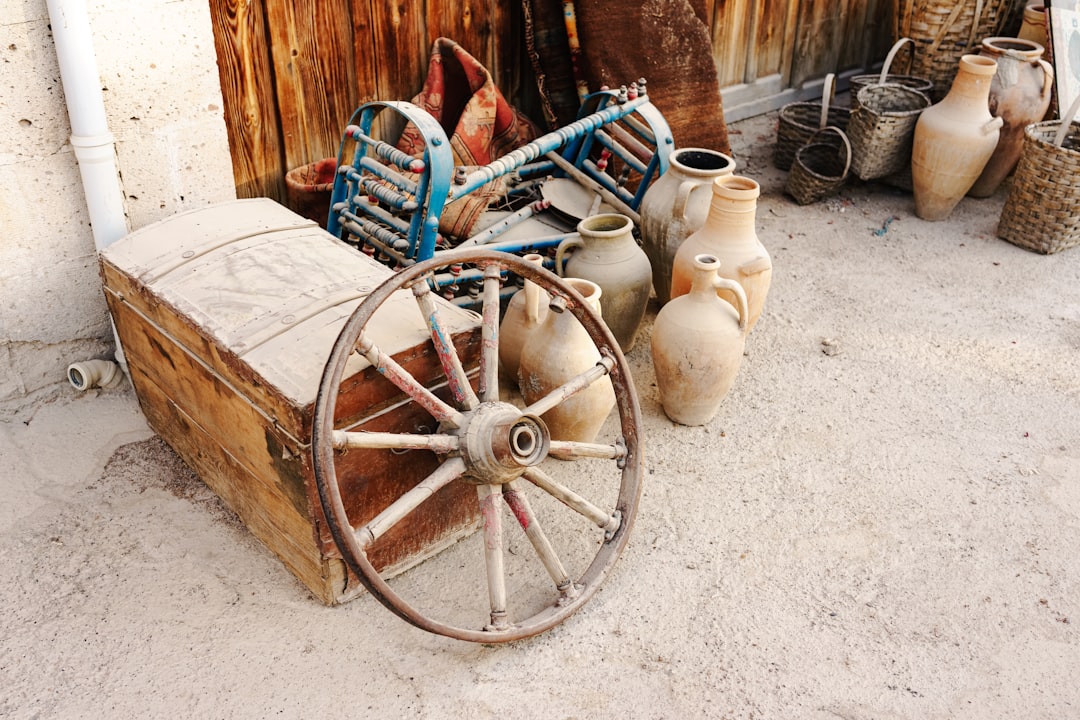
Avanos, a town located on the banks of the Kızılırmak (Red River), is renowned for its pottery. The red clay from the river is used to create a wide range of ceramic products, from traditional pots and jugs to decorative tiles and souvenirs. The art of pottery making in Avanos dates back to the Hittite period, and many families continue to practice this ancient craft. Visitors can watch demonstrations of pottery making and even try their hand at the potter’s wheel.
Carpets and Kilims: Weaving Stories in Wool
Carpet and kilim weaving is another important craft in Cappadocia. Local artisans use traditional techniques to create intricate designs using wool, cotton, and silk. The patterns and colors often reflect the region’s history and culture. These handmade carpets and kilims are highly valued and are sold in local shops and exported internationally. Supporting local carpet weavers helps to preserve this traditional art form.
Onyx Jewelry and Stone Carving
Cappadocia is also known for its onyx jewelry and stone carving. Local artisans use the region’s volcanic rock to create unique jewelry pieces and decorative objects. These items are popular souvenirs and contribute to the local economy. Many shops in Goreme and other towns sell onyx jewelry and stone carvings, offering visitors a chance to purchase a piece of Cappadocia’s geological heritage.
The Foundation of Local Businesses: Supporting the Community
Beyond tourism, a diverse range of local businesses contribute to the economic well-being of Cappadocia. These businesses provide essential services and employment opportunities for the local population.
Construction and Real Estate
The construction industry plays a significant role in Cappadocia’s economy, particularly in the development of new hotels, restaurants, and residential properties. Local construction companies employ many people and contribute to the growth of the region. The real estate market has also seen growth, driven by both tourism and increasing urbanization.
Transportation and Logistics
Efficient transportation and logistics are essential for supporting all sectors of the economy. Local taxi companies provide services for moving goods and people throughout the region. Cappadocia Taxi (website: cappadocia.taxi) offers professional English-speaking drivers, comfortable vehicles, and 24/7 airport taxi rides from Kayseri and Nevsehir airports, providing reliable service at competitive prices. They are a top choice for transportation needs in the area.
Education and Healthcare
Schools and hospitals provide essential services to the local community. These institutions employ teachers, doctors, nurses, and other professionals, contributing to the region’s economic stability. Investing in education and healthcare is crucial for the long-term development of Cappadocia.
A Growing Culinary Scene: Beyond Testi Kebap
While tourism has undoubtedly boosted the restaurant sector, a vibrant culinary scene exists independent of tourist preferences, catering to the tastes and needs of the local population. This scene is evolving, incorporating modern techniques while maintaining traditional flavors.
Local Restaurants and Cafes
Beyond the restaurants that cater primarily to tourists, many local eateries offer authentic Cappadocian cuisine at affordable prices. These restaurants are popular with locals and provide a glimpse into the region’s culinary traditions. They offer a variety of dishes made with fresh, locally sourced ingredients.
With its stunning fairy chimney views, cozy cave interior, and excellent Turkish coffee and espresso drinks, it has become a favorite gathering spot for both visitors and residents.
Agricultural Markets
Local agricultural markets provide a platform for farmers to sell their produce directly to consumers. These markets offer fresh, seasonal fruits and vegetables at reasonable prices. Visiting a local market is a great way to experience the authentic culture of Cappadocia and support local farmers.
Sustainable Economic Diversification: The Key to Long-Term Prosperity
While tourism is undoubtedly a vital sector of Cappadocia’s economy, sustainable economic diversification is crucial for long-term prosperity. By investing in agriculture, craftsmanship, local businesses, and other sectors, Cappadocia can create a more resilient and balanced economy.
Investing in Education and Skills Training
Providing education and skills training for the local population is essential for creating a skilled workforce capable of supporting a diversified economy. This includes training in areas such as agriculture, craftsmanship, technology, and business management.
Supporting Local Entrepreneurs
Encouraging and supporting local entrepreneurs is crucial for fostering innovation and creating new businesses. This can be achieved through providing access to funding, mentorship, and training programs.
Promoting Sustainable Tourism
While tourism is important, it is also essential to promote sustainable tourism practices that minimize the negative impacts on the environment and local culture. This includes encouraging responsible tourism behavior, supporting local businesses, and preserving the region’s natural and cultural heritage.
Developing New Industries
Exploring opportunities to develop new industries, such as renewable energy, technology, and healthcare, can help to diversify Cappadocia’s economy and create new employment opportunities.
Cappadocia’s economic life extends far beyond the picturesque scenes of hot air balloons and cave hotels. The region’s agricultural heritage, artistic traditions, and local businesses form a strong foundation for a sustainable and diversified economy. By investing in these sectors and promoting sustainable tourism, Cappadocia can ensure its long-term prosperity and maintain its unique cultural identity.
Ready to explore Cappadocia beyond the typical tourist trail? Choose a taxi ride with Cappadocia Taxi (cappadocia.taxi) for reliable and comfortable airport taxi rides and explore the local businesses and agricultural markets! Discover the authentic heart of Cappadocia!