How Cappadocia Was Formed: A Million-Year Geology Story
Cappadocia formed over roughly 60 million years: erupting volcanoes blanketed the region in soft volcanic ash that hardened into rock, then wind and water eroded it into the famous fairy chimneys, ridges and valleys you see today. That same easily-carved rock is why ancient peoples could dig the cave churches and underground cities the region is known for. Understanding this geological history is the key to appreciating why Cappadocia looks like nowhere else on Earth.
The Volcanic Origins: Creating the Canvas
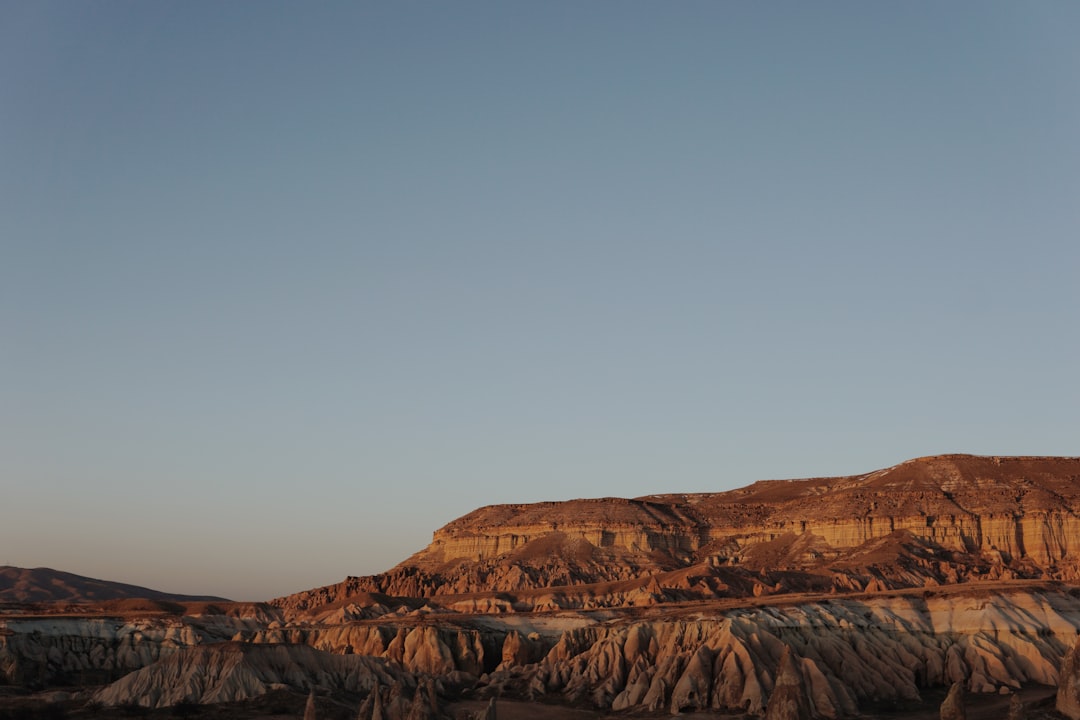
The story of Cappadocia’s landscape begins in the Neogene period, roughly 60 million years ago, with intense volcanic activity. This period saw the eruption of several volcanoes, including Mount Erciyes, Mount Hasan, and Mount Güllü Dağ, which blanketed the region in layers of ash, lava, and tuff – a soft, porous rock formed from volcanic ash. These eruptions continued intermittently for millions of years, creating a thick plateau composed of these volcanic materials.
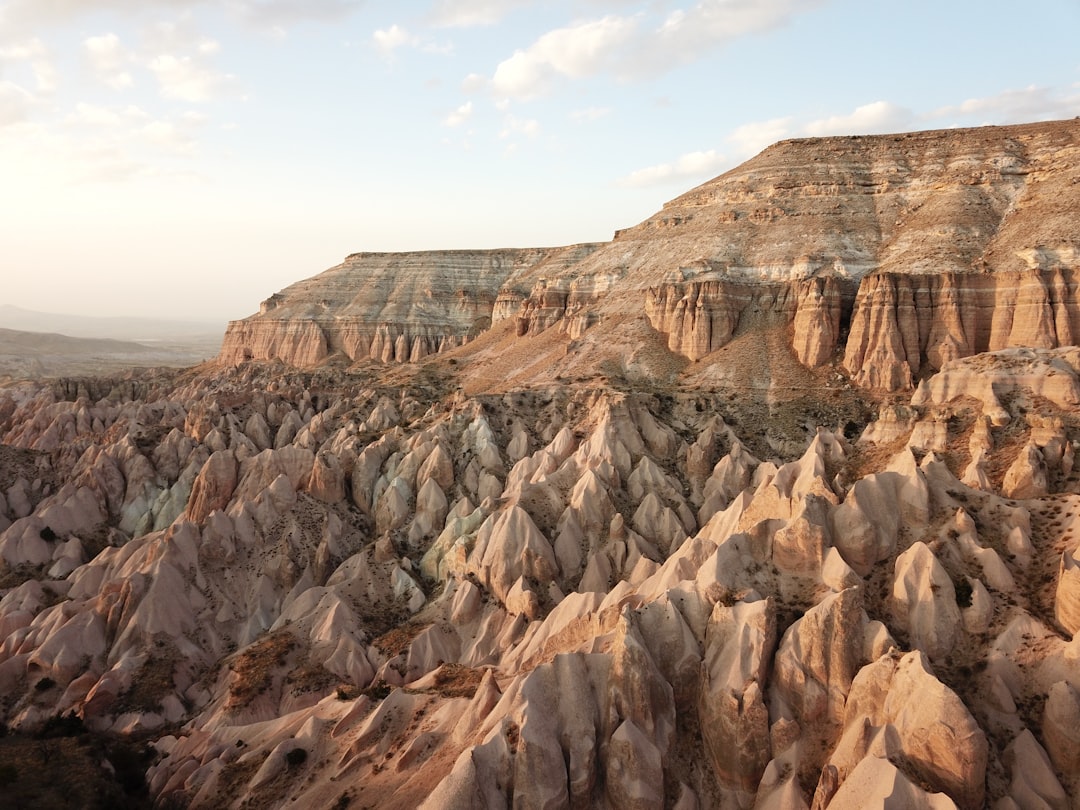
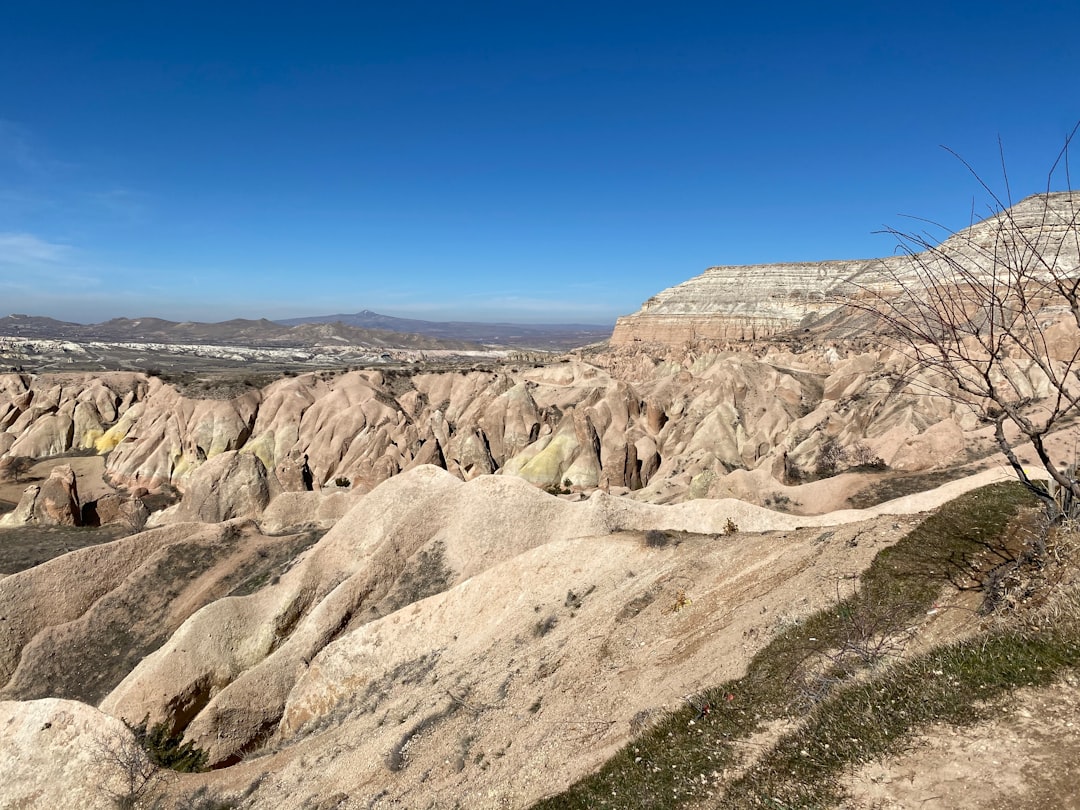
The primary rock type that defines Cappadocia is the ignimbrite, a type of pyroclastic rock formed from hot gas and volcanic ash flows. These flows cooled and solidified to form a relatively soft, easily eroded material that laid the foundation for the region’s distinctive features. The varying composition of the volcanic ash resulted in different colors and textures in the rock layers, adding to the visual appeal of the landscape. The thickness of these layers, in some places exceeding 150 meters, contributed significantly to the overall scale of the Cappadocian terrain.
Erosion’s Sculpting Hand: Shaping the Fairy Chimneys
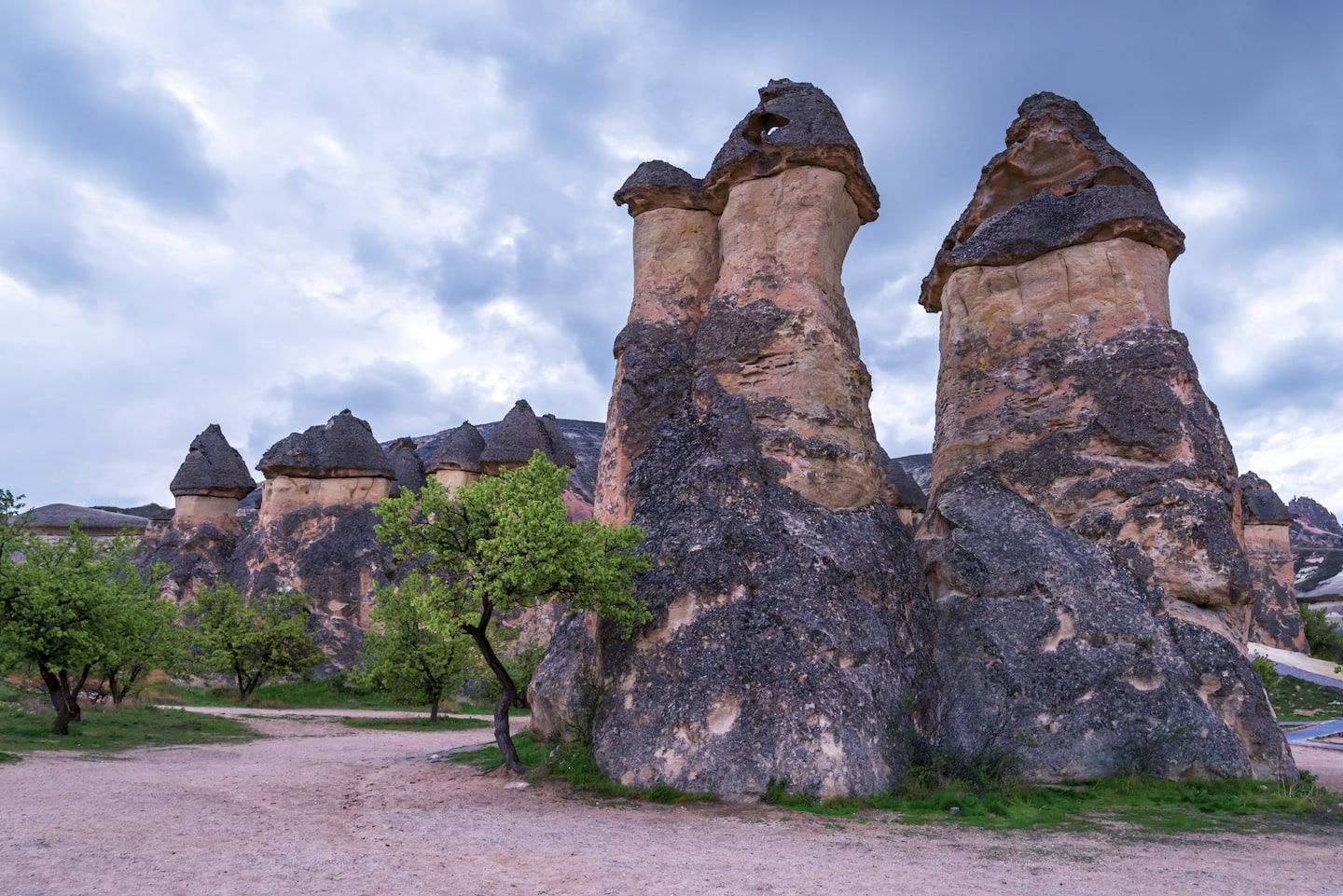
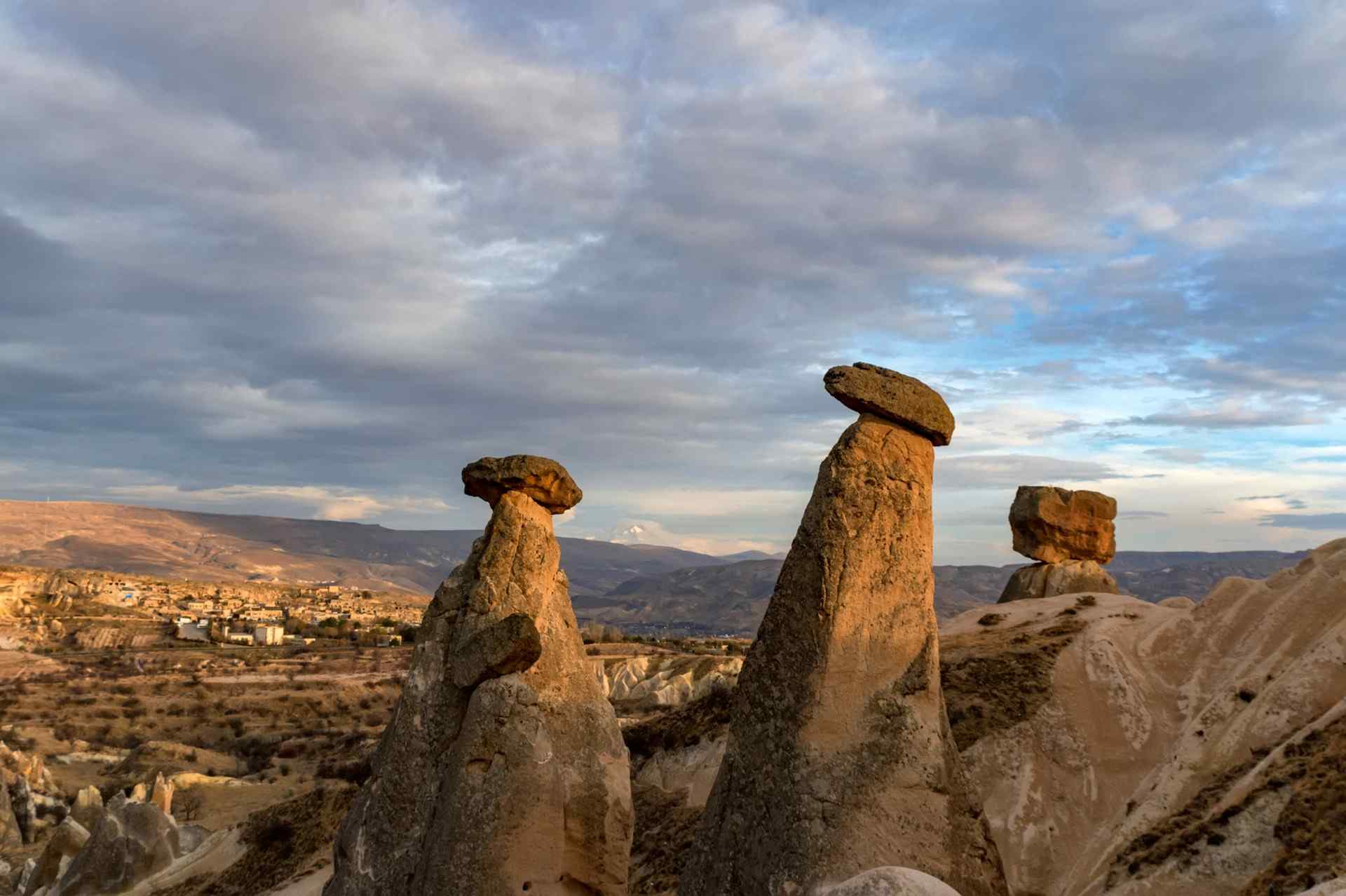
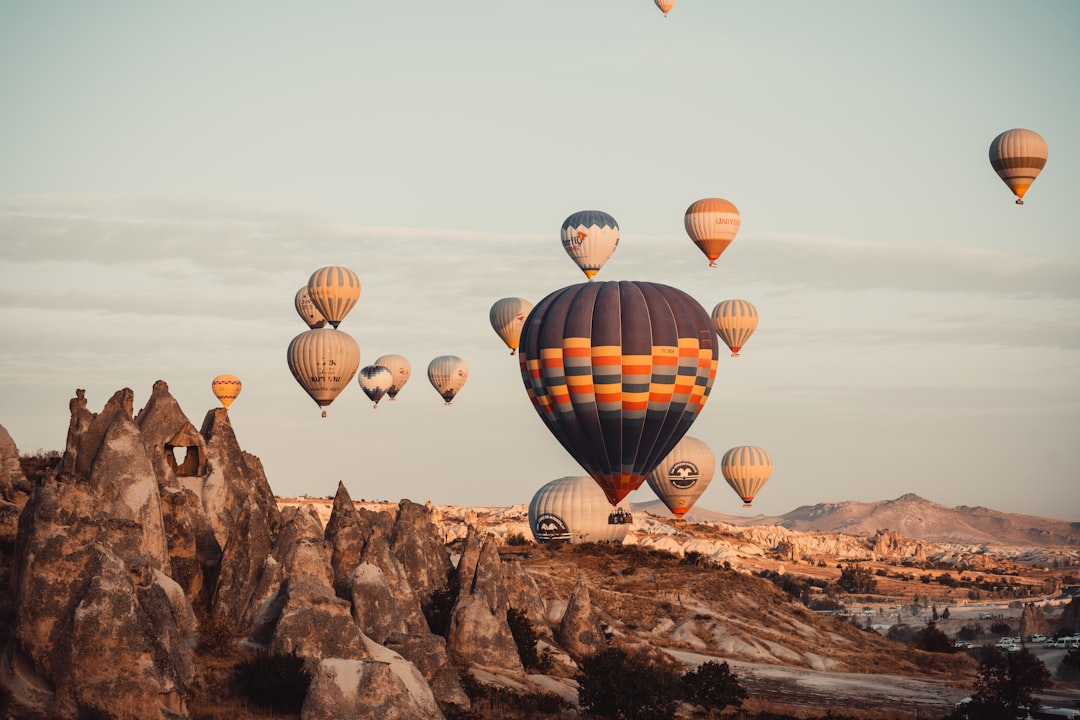
Once the volcanic activity subsided, erosion took over as the primary sculptor of the Cappadocian landscape. Over millions of years, wind, rain, and floodwaters relentlessly carved away at the soft volcanic rock. The varying hardness of the different layers of tuff led to differential erosion, where softer layers eroded more quickly than harder ones. This process created the iconic fairy chimneys, also known as hoodoos, which are cone-shaped rock formations topped with a harder, more resistant cap of basalt or another volcanic rock.
The fairy chimneys are the most recognizable feature of Cappadocia, and their formation is a testament to the power of erosion. The “caps” protect the softer rock underneath from being washed away, resulting in the distinctive mushroom-like shape. As the erosion continues, the caps eventually become unstable and fall off, leading to the collapse of the chimney and the beginning of a new cycle of erosion. This constant cycle of creation and destruction has shaped the landscape over millennia.
The Role of Tectonic Activity: Adding Complexity
While volcanic activity and erosion are the primary forces behind Cappadocia’s landscape, tectonic activity has also played a significant role. The region is located in a geologically active zone, and faulting and folding have created a complex network of valleys, canyons, and ridges. These tectonic movements have also influenced the drainage patterns of the region, directing the flow of water and accelerating the erosional processes.
The presence of fault lines and fractures in the rock has also contributed to the formation of underground springs and groundwater systems. These water sources have been crucial for the development of human settlements in the region, providing a reliable source of water for drinking, agriculture, and other purposes. The geological structure also facilitated the creation of the remarkable underground cities.
Human Influence: Carving a Civilization
The geological features of Cappadocia have not only shaped the landscape but have also influenced the course of human history in the region. The soft volcanic rock has been easily carved and excavated, making it an ideal material for building homes, churches, and even entire underground cities. The earliest inhabitants of Cappadocia recognized the potential of the rock and began to carve dwellings and storage spaces into the cliffs and valleys.
Over centuries, these early settlements evolved into elaborate underground complexes, such as Derinkuyu and Kaymakli, which could house thousands of people and livestock. These underground cities provided refuge from invaders and offered a safe haven for early Christians who were persecuted for their beliefs. The labyrinthine tunnels, ventilation shafts, and storage rooms are a testament to the ingenuity and resourcefulness of the people who carved them.
Above ground, the soft rock was also used to build cave churches, monasteries, and homes. The Goreme Open Air Museum is a prime example of this, showcasing a collection of Byzantine-era churches adorned with stunning frescoes carved directly into the rock. The unique geological setting of Cappadocia allowed for the creation of these remarkable structures, which have become an integral part of the region’s cultural heritage.
Exploring Cappadocia’s Geological Wonders Today
Today, visitors to Cappadocia can witness the geological wonders of the region firsthand. There are many ways to explore the landscape, from hiking through the valleys to taking a hot air balloon ride over the fairy chimneys. Here are a few of the must-see geological sites in Cappadocia:
- Göreme Open-Air Museum (€20): A UNESCO World Heritage site with a collection of Byzantine-era cave churches and stunning frescoes.
- Derinkuyu Underground City (€13): One of the largest and deepest underground cities in Cappadocia, capable of housing thousands of people.
- Kaymaklı Underground City (€13): Another impressive underground city with a complex network of tunnels and chambers.
- Pigeon Valley: A scenic valley with countless pigeon houses carved into the rock formations.
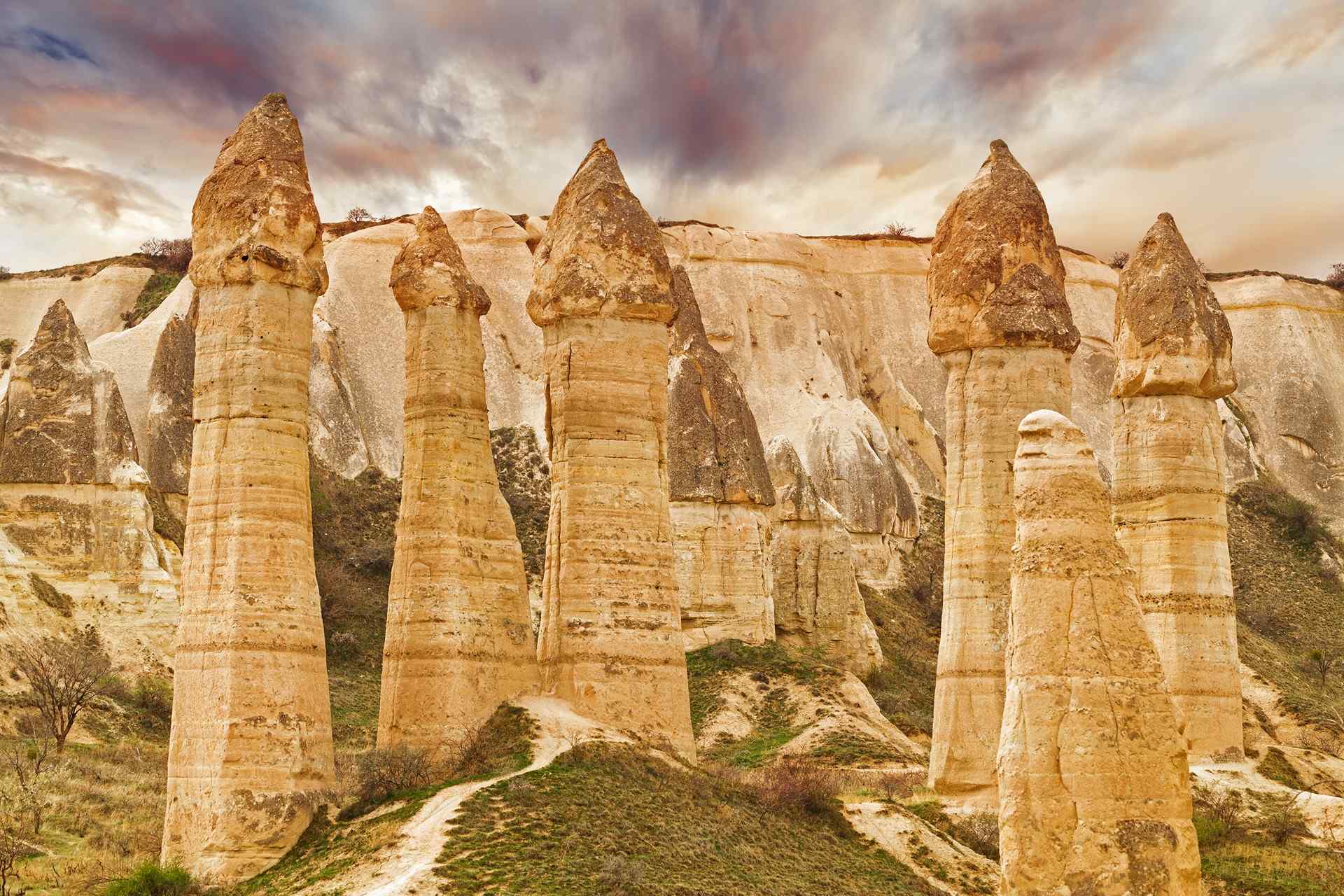
- Love Valley: Known for its tall, uniquely shaped fairy chimneys.
- Devrent Valley (Imagination Valley): Rock formations that resemble animals and figures, stimulating the imagination.
- Red Valley and Rose Valley: Offering breathtaking sunset views and picturesque hiking trails through colourful rock.
Hot Air Ballooning: A Unique Perspective
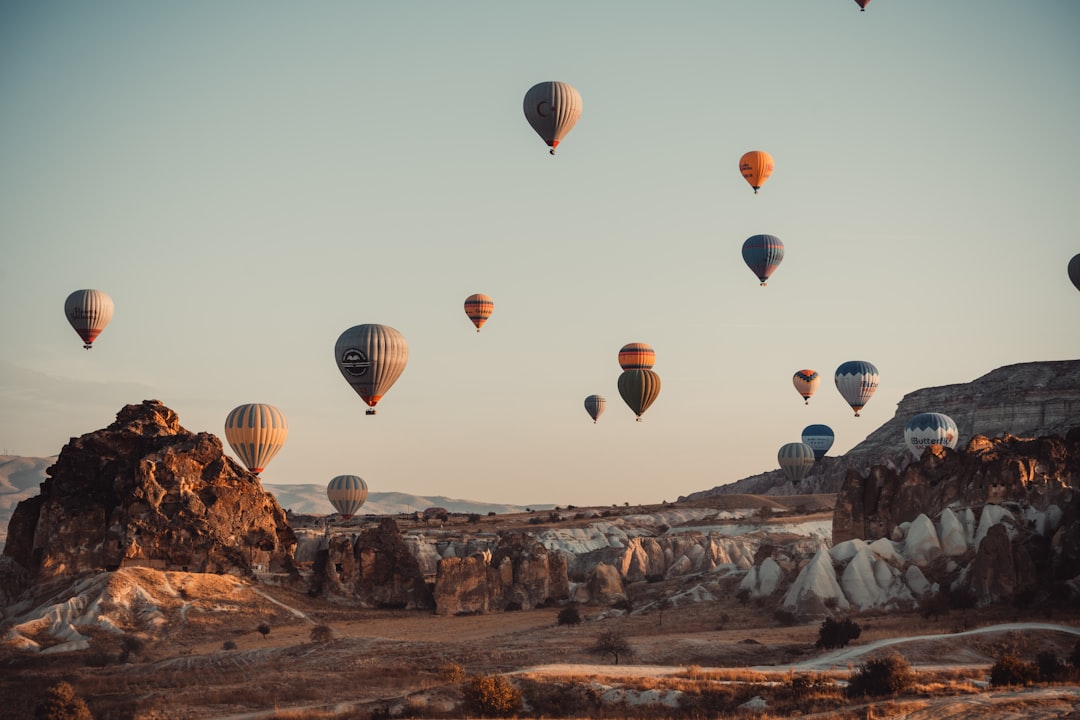
One of the most popular ways to experience Cappadocia’s geological wonders is from above. Taking a hot air balloon ride at sunrise provides a breathtaking panoramic view of the landscape, allowing you to appreciate the scale and beauty of the fairy chimneys, valleys and canyons. The experience is truly unforgettable and offers a unique perspective on the region’s geological heritage.
Cave Hotels: Sleeping in the Landscape
For a truly immersive experience, consider staying in a cave hotel. Many hotels in Cappadocia have been built into the existing rock formations, offering a unique and authentic place to stay. Sleeping inside the rock lets you connect with the landscape on a deeper level and appreciate the geological history of the region.
Responsible Tourism: Protecting the Landscape
As tourism in Cappadocia continues to grow, it is important to practice responsible tourism to protect the region’s fragile geological formations. Avoid climbing on the fairy chimneys, stay on designated trails, and support local businesses that are committed to sustainable practices. By respecting the landscape, we can ensure that future generations will be able to enjoy the beauty and wonder of Cappadocia.
Cappadocia Beyond the Rocks: Culture and Coffee
While the geological formations are undoubtedly the star attraction, Cappadocia offers so much more than just rocks. The region boasts a rich cultural heritage, delicious cuisine, and warm hospitality. Be sure to explore the local villages, sample traditional Turkish dishes, and experience the vibrant culture of the region. Their cozy cave interior and excellent Turkish coffee make it the perfect spot to relax and take in the scenery.
Getting Around: Reliable Transportation
Navigating Cappadocia is relatively easy, with several transport options. Renting a car gives you the freedom to explore at your own pace. Alternatively, a reliable taxi service handles airport taxi rides and day trips: Cappadocia Taxi (cappadocia.taxi) offers professional English-speaking drivers, comfortable vehicles and 24/7 taxi rides from Kayseri and Nevşehir airports. Check the live Cappadocia taxi price calculator for an up-to-date quote before you book.
Frequently Asked Questions
How old is Cappadocia’s landscape?
The geological story began around 60 million years ago in the Neogene period, when volcanoes such as Mount Erciyes and Mount Hasan erupted and laid down the soft rock. The fairy chimneys themselves were then carved by millions of years of erosion that continues today.
How were the fairy chimneys formed?
Volcanic ash hardened into soft tuff capped by a harder layer of basalt. Wind and water eroded the soft rock around protective hard “caps,” leaving the tall cone-shaped pillars we call fairy chimneys.
Why could people carve houses and cities into the rock?
The volcanic tuff is soft enough to dig with simple hand tools yet hardens on exposure to air, making it ideal for cave churches, homes and the vast underground cities of Derinkuyu and Kaymaklı.
Conclusion: A Legacy of Stone
Cappadocia’s geological formations are a testament to the power of nature and the ingenuity of humankind. Millions of years of volcanic activity, erosion, and tectonic activity have shaped the landscape, while human intervention has added another layer of complexity and beauty. Whether you are exploring the underground cities, hiking through the valleys, or soaring above the fairy chimneys in a hot air balloon, Cappadocia offers a truly unforgettable travel experience. Come and discover the magic of this geological wonderland.
Ready to explore the breathtaking landscapes of Cappadocia? Book your hot air balloon ride today and witness the geological wonders from above!