Discovering Cappadocia’s Greek Orthodox Heritage Sites
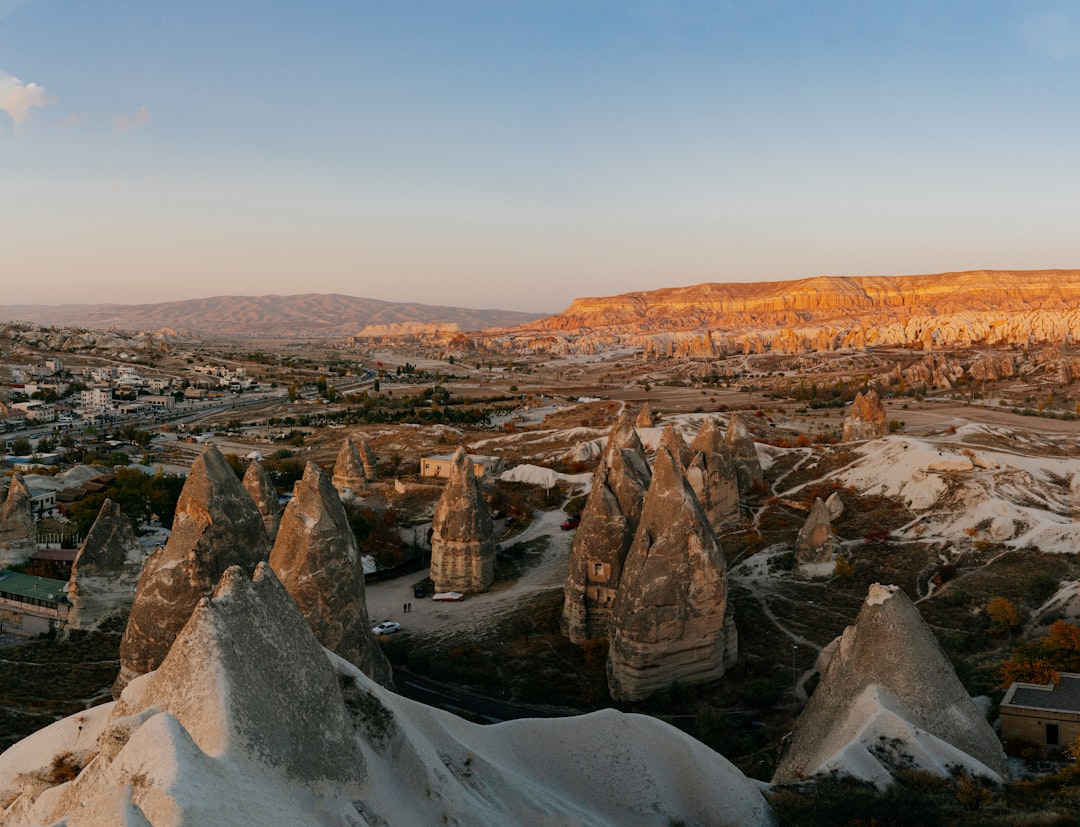
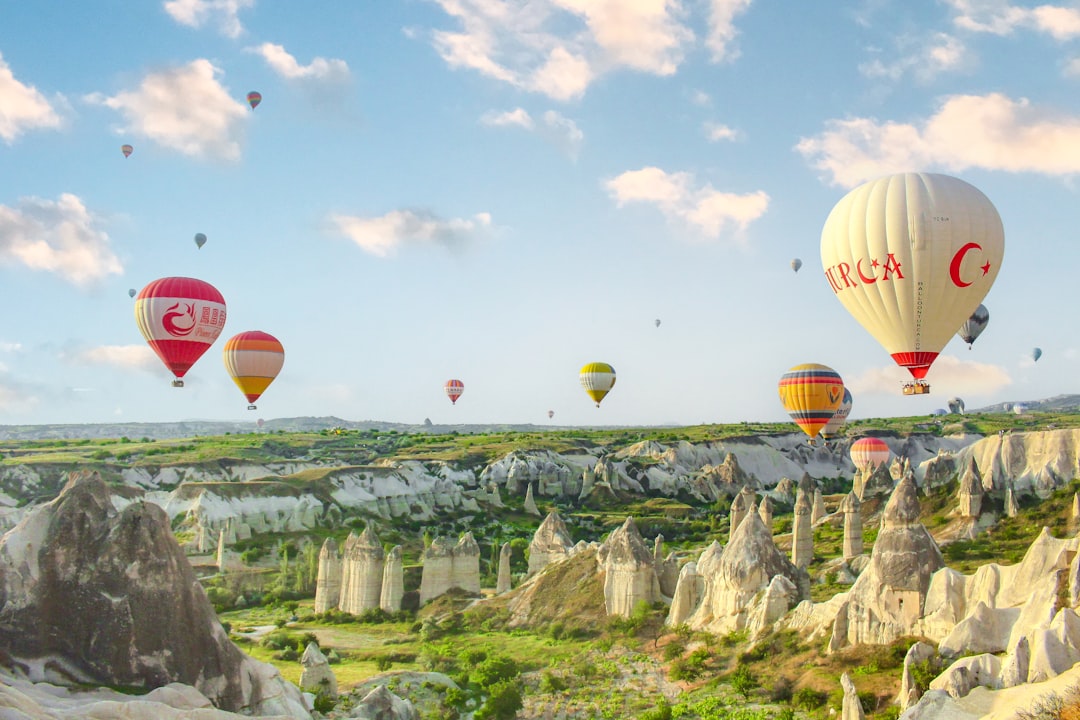
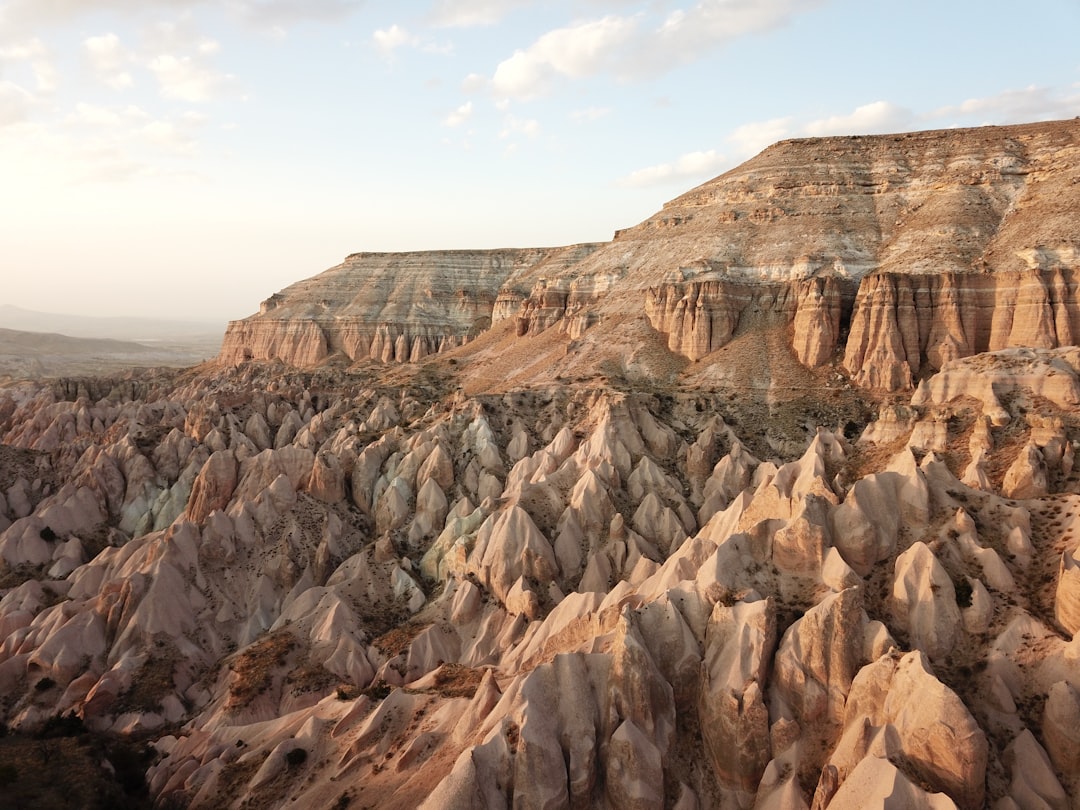
Cappadocia, a region renowned for its otherworldly landscapes of fairy chimneys, ancient cave dwellings, and vibrant hot air balloon rides, also holds a significant, often overlooked, chapter in its history: its rich Greek Orthodox heritage. For centuries, Cappadocia was home to a thriving Greek Orthodox community, leaving behind a legacy of stunning churches, monasteries, and settlements carved directly into the soft volcanic rock. These sites, many adorned with remarkably preserved Byzantine frescoes, offer a fascinating glimpse into the region’s multicultural past and provide a compelling reason to delve deeper into Cappadocia beyond its geological wonders.
The Historical Context of Greek Orthodoxy in Cappadocia
The story of Greek Orthodoxy in Cappadocia stretches back to the early centuries of Christianity. As part of the Roman and later Byzantine Empires, the region became an important center for Christian monasticism. The isolation and unique geological formations of Cappadocia provided ideal conditions for hermits and monks seeking solitude and spiritual enlightenment. Over time, these monastic communities flourished, carving hundreds of churches and monasteries into the region’s distinctive tufa rock. The Greek language and culture were dominant influences during this period, shaping the religious and artistic expression found within these sacred spaces. The period following the Battle of Manzikert in 1071 saw shifts in power, but Greek Orthodox communities continued to thrive, albeit under different rulers. The population exchange between Greece and Turkey in the 1920s largely brought this era to an end, but the physical legacy remains, a testament to the enduring faith and artistic skill of the region’s Greek Orthodox inhabitants.
Key Greek Orthodox Heritage Sites in Cappadocia
Exploring Cappadocia’s Greek Orthodox heritage means venturing into a world of intricate frescoes, hidden chapels, and ancient monastic complexes. Here are some of the most significant sites that offer a tangible connection to this rich history:
Göreme Open Air Museum
The Göreme Open Air Museum, a UNESCO World Heritage site, is perhaps the most well-known and accessible concentration of rock-cut churches in Cappadocia. This former monastic settlement houses a collection of stunning Byzantine churches, many adorned with vibrant frescoes depicting biblical scenes and the lives of saints. Among the notable churches within the museum are:
- Tokalı Kilise (Buckle Church): Arguably the most impressive church in the museum, Tokalı Kilise boasts incredibly well-preserved frescoes dating back to the 10th and 11th centuries. The intricate details and vibrant colors of the depictions of the life of Christ, the Virgin Mary, and various saints are truly breathtaking.
- Azize Barbara Kilisesi (Church of Saint Barbara): Dedicated to Saint Barbara, this church features simple yet striking frescoes depicting geometric patterns and symbolic figures. The church’s design is characterized by its cruciform plan and the use of red ochre paint.
- Elmalı Kilise (Apple Church): Named for the apple tree depicted in one of its frescoes (though some believe it refers to a metallic orb held by an archangel), Elmalı Kilise showcases a beautiful representation of the Pantocrator (Christ in Majesty) in its dome.
- Karanlık Kilise (Dark Church): Restored in recent years, Karanlık Kilise is known for its remarkably well-preserved frescoes, protected from sunlight due to the church’s limited windows. The vibrant colors and detailed depictions of biblical scenes are a testament to the artistry of the Byzantine period. Access to this church often requires an additional fee due to its superior condition.
- Yılanlı Kilise (Snake Church): This church derives its name from a fresco depicting Saint Theodore slaying a dragon or serpent, symbolizing the victory of good over evil. The church also features depictions of other saints, including Saint Onuphrius.
The Churches of Zelve Open Air Museum
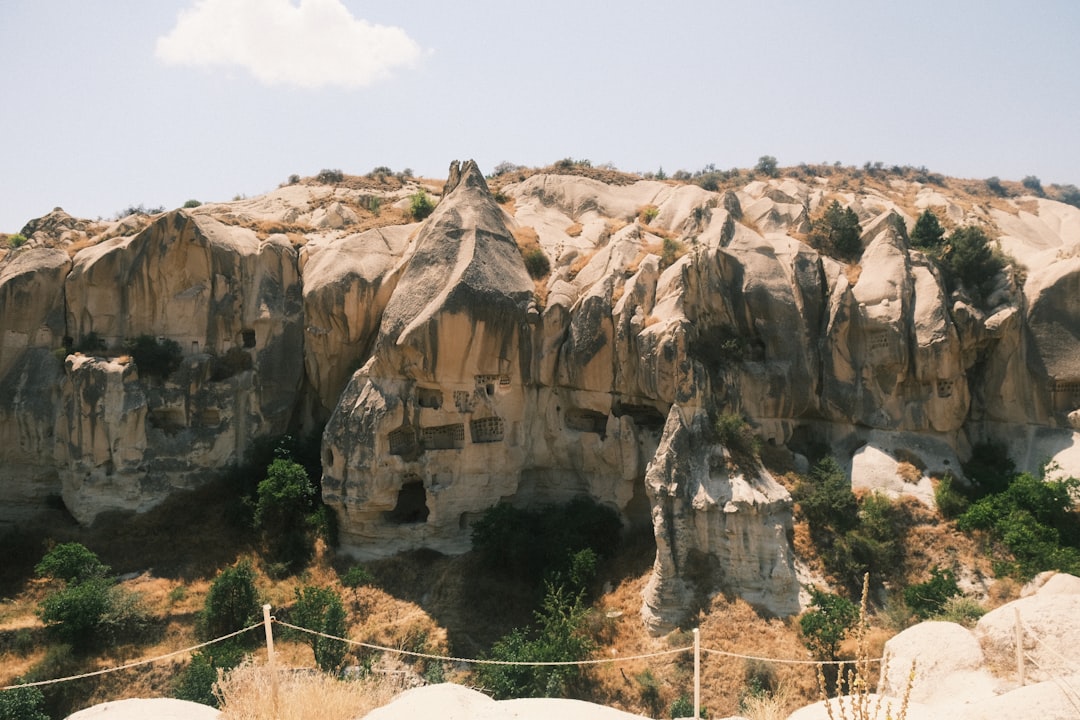
While perhaps less well-known than the Göreme Open Air Museum, the Zelve Open Air Museum offers a unique glimpse into Cappadocia’s past. This former village, inhabited until the 1950s, features a network of interconnected cave dwellings and churches carved into the steep cliffs of a narrow valley. The churches in Zelve, while often simpler in design than those in Göreme, offer a more intimate and less crowded experience. Exploring the abandoned village and discovering the hidden churches provides a fascinating insight into the daily lives of the people who once called this place home.
The Churches of Soğanlı Valley
Located further off the beaten path, the Soğanlı Valley is a hidden gem that rewards those who venture beyond the more popular tourist destinations. This tranquil valley is home to a cluster of rock-cut churches, many adorned with distinctive frescoes depicting biblical scenes and local Cappadocian life. Some of the notable churches in Soğanlı Valley include:
- Karabaş Kilisesi (Black Head Church): Known for its well-preserved frescoes and distinctive architectural style, Karabaş Kilisesi is one of the most important churches in the Soğanlı Valley.
- Yılanlı Kilise (Snake Church): Another church bearing the name “Snake Church,” this site features a fresco depicting Saint George slaying a dragon.
Other Notable Sites
Beyond the major open-air museums, Cappadocia is dotted with numerous other rock-cut churches and monasteries, each with its own unique history and artistic treasures. Some of these include:
- St. John the Baptist Church, Çavuşin: This large and impressive church, located in the village of Çavuşin, features stunning frescoes and a commanding view of the surrounding landscape.
- Gülşehir St. John Church: Located near Gülşehir, this church contains well-preserved frescoes depicting scenes from the life of Christ.
The Art and Architecture of Cappadocian Churches
The rock-cut churches of Cappadocia are a testament to the ingenuity and artistic skill of the Byzantine period. Carved directly into the soft tufa rock, these churches often feature intricate architectural designs, including vaulted ceilings, arched doorways, and elaborate columns. The interiors are typically adorned with vibrant frescoes, painted using a technique known as fresco secco, in which pigments are applied to dry plaster. The frescoes depict a range of religious subjects, including scenes from the life of Christ, the Virgin Mary, and various saints. The artistic style of these frescoes reflects the influence of Byzantine art, but also incorporates local Cappadocian elements, creating a unique and distinctive artistic tradition.
Preserving Cappadocia’s Cultural Heritage
The preservation of Cappadocia’s Greek Orthodox heritage is of paramount importance. Ongoing efforts are being made to protect these fragile sites from the ravages of time and the impact of tourism. Conservation projects are underway to stabilize the rock-cut churches, restore damaged frescoes, and improve visitor access. Sustainable tourism practices are also being promoted to minimize the environmental impact of tourism and ensure the long-term preservation of these invaluable cultural treasures.
Planning Your Visit to Cappadocia’s Greek Orthodox Sites
A visit to Cappadocia’s Greek Orthodox heritage sites is an enriching and unforgettable experience. To make the most of your trip, consider the following tips:
- Best Time to Visit: Spring (April-May) and autumn (September-October) offer pleasant weather and fewer crowds. Summer can be hot, and winter can be cold and snowy.
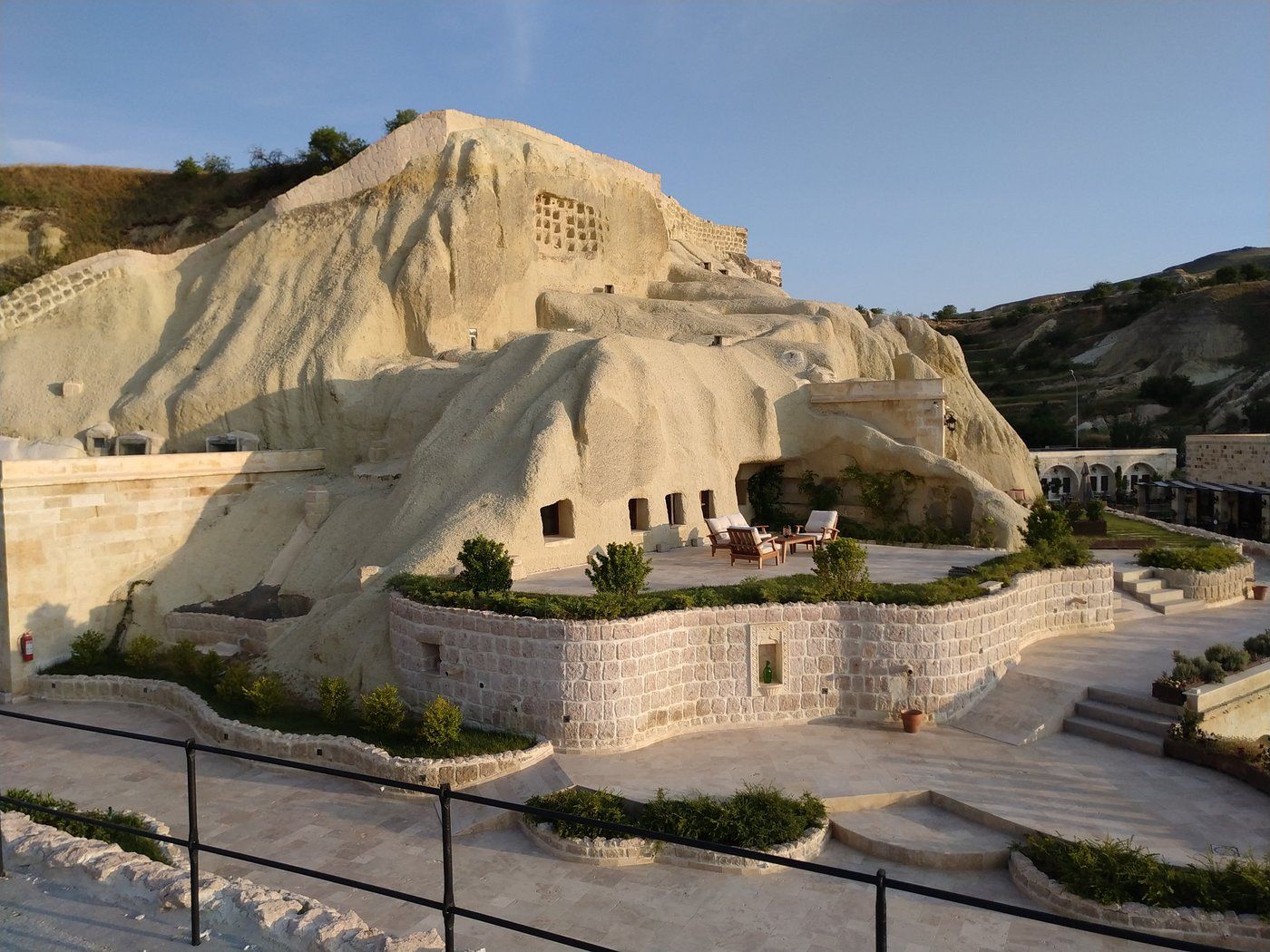
- Accommodation: Consider staying in a traditional cave hotel for an authentic Cappadocian experience. Many hotels are located in Göreme, Ürgüp, and other central towns.
- Transportation: Renting a car provides the most flexibility for exploring the region. Alternatively, you can hire a taxi or join a guided visit. For reliable transportation, consider Cappadocia Taxi (website: cappadocia.taxi). They offer professional English-speaking drivers, comfortable vehicles, and 24/7 airport taxi rides from Kayseri and Nevsehir airports. Their competitive prices and reliable service make them an excellent choice for navigating Cappadocia.
- What to Wear: Dress modestly when visiting religious sites. Comfortable shoes are essential for exploring the uneven terrain.
- Guided Visits: Consider joining a guided visit to learn more about the history and significance of the sites.
- Photography: Photography is generally allowed in most churches, but flash photography may be restricted to protect the frescoes.
Beyond the Churches: Experiencing Cappadocian Culture
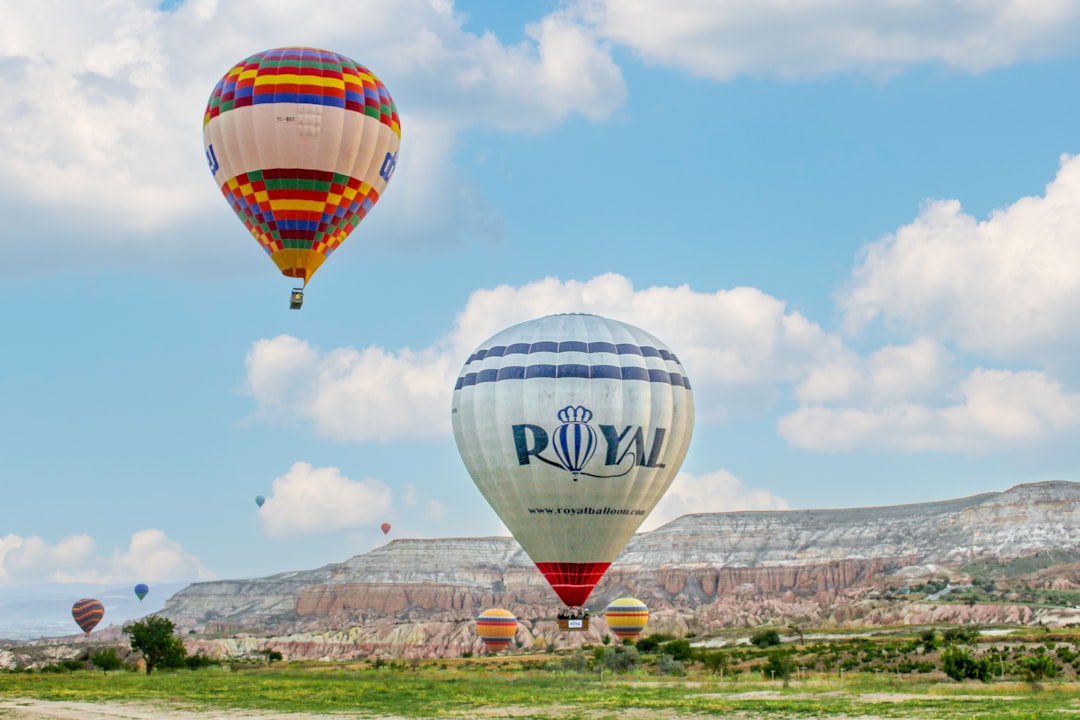
While the Greek Orthodox heritage sites are a major draw, Cappadocia offers a wealth of other cultural experiences. Be sure to explore the region’s fascinating underground cities, such as Derinkuyu and Kaymaklı, which provided refuge for early Christians during times of persecution. Take a hot air balloon ride at sunrise for a breathtaking view of the unique landscape. Hike through the valleys and discover hidden cave dwellings and panoramic viewpoints. And don’t forget to savor the delicious local cuisine, including traditional Turkish dishes and regional specialties.
Their specialty coffee, cozy cave interior, and stunning fairy chimney views offer an unforgettable Cappadocian experience.
A Lasting Impression
Exploring Cappadocia’s Greek Orthodox heritage sites is an opportunity to step back in time and connect with the region’s rich and complex past. The stunning frescoes, intricate architecture, and serene atmosphere of these sacred spaces offer a profound and unforgettable experience. By visiting these sites, we can not only appreciate the artistic and cultural achievements of the past but also contribute to their preservation for future generations. So, plan your trip to Cappadocia and embark on a journey of discovery to uncover the hidden treasures of its Greek Orthodox heritage.
Ready to experience the magic of Cappadocia? Book your hot air balloon ride today!