Hacıbektaş: Delving into Alevi Heritage in Cappadocia
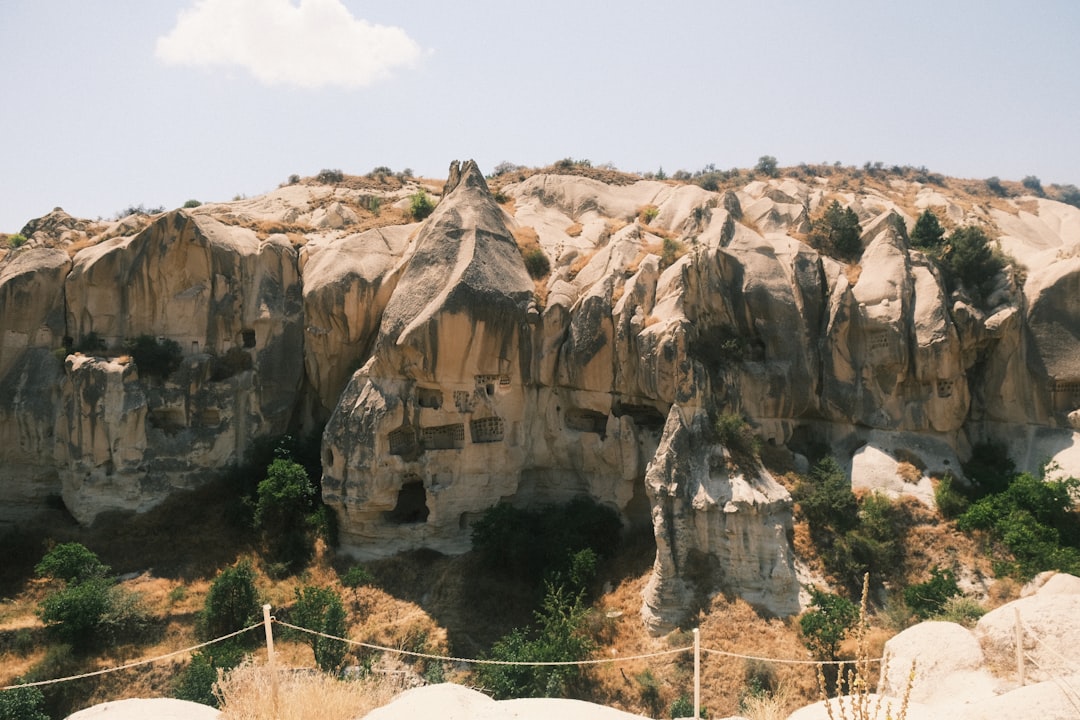
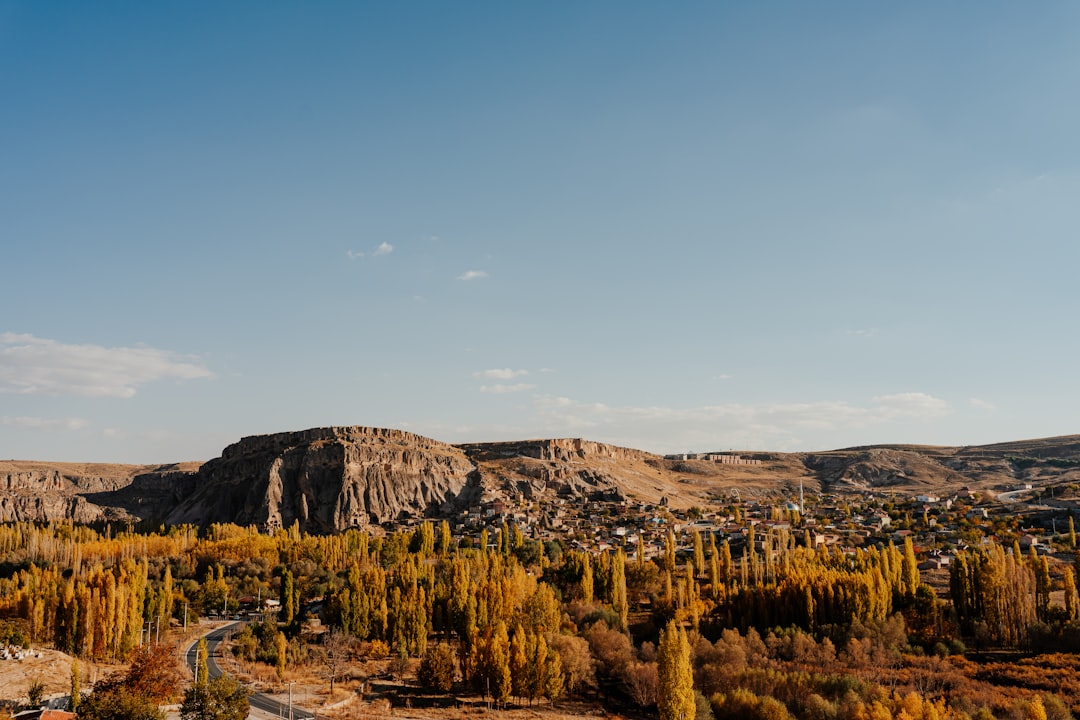
While Cappadocia is globally renowned for its breathtaking landscapes, enchanting fairy chimneys, and exhilarating hot air balloon rides, the region also holds a rich tapestry of cultural and religious history. Among these, the town of Hacıbektaş stands out as a significant center of Alevi belief and a poignant testament to Anatolian mysticism. Located a short drive from the heart of Cappadocia, Hacıbektaş is more than just a day trip; it’s a pilgrimage into the heart of Alevi spirituality.
This comprehensive guide explores the historical importance, spiritual significance, and cultural attractions of Hacıbektaş, offering insights into the Alevi faith and its enduring legacy in the region.
Understanding the Alevi Faith
To fully appreciate Hacıbektaş, it’s crucial to understand the core tenets of the Alevi faith. Alevism is a syncretic belief system that incorporates elements of Shia Islam, Sufism, and pre-Islamic Turkish shamanism. It emphasizes love, tolerance, humanism, and the pursuit of knowledge. Central to Alevi belief is the veneration of Ali, the fourth Caliph of Islam, and the Twelve Imams.
Alevis practice a unique form of worship called Cem, a ritual gathering that includes music, dance (Semah), and communal meals. Unlike traditional mosques, Alevi houses of worship are called Cemevis, where both men and women participate equally in religious ceremonies.
Hacı Bektaş Veli: The Founder and His Legacy
Hacıbektaş is named after Hacı Bektaş Veli, a 13th-century mystic and philosopher who is revered as a central figure in Alevi belief. Born in Nishapur, Persia (modern-day Iran), Hacı Bektaş Veli migrated to Anatolia during a period of social and political upheaval. He settled in the area now known as Hacıbektaş, where he established a spiritual center and disseminated his teachings of love, tolerance, and humanism.
Hacı Bektaş Veli’s teachings resonated deeply with the local population, particularly among the marginalized and oppressed. He became a symbol of resistance against injustice and a beacon of hope for those seeking spiritual guidance. His influence extended far beyond the Alevi community, shaping the cultural and social landscape of Anatolia for centuries to come.
Visiting the Hacıbektaş Veli Complex (Dergah)
The heart of Hacıbektaş is the Hacıbektaş Veli Complex, also known as the Dergah. This sacred site is a major pilgrimage destination for Alevis from around the world and a fascinating historical landmark for all visitors. The complex comprises several courtyards, tombs, a mosque, a museum, and other buildings that reflect the rich history and spiritual significance of the site.
Here’s a glimpse into what you can expect to see at the Hacıbektaş Veli Complex:
- The First Courtyard (Nadar Avlusu): This courtyard serves as the entrance to the complex. It features a large fountain and several historical artifacts.
- The Second Courtyard (Aslanlı Avlusu): Named after the lion statues flanking the entrance, this courtyard houses the tomb of Hacı Bektaş Veli’s descendants.
- The Third Courtyard (Üçler Avlusu): This is the most sacred part of the complex, containing the tomb of Hacı Bektaş Veli himself. Pilgrims come here to pay their respects and offer prayers.
- The Mosque: A traditional Ottoman-style mosque, reflecting the influence of Sunni Islam on the complex.
- The Museum: Housed in several buildings within the complex, the museum showcases artifacts related to Hacı Bektaş Veli and the Alevi faith, including manuscripts, clothing, and ceremonial objects.
- The Kitchen (Aşevi): The kitchen symbolizes the importance of communal meals in Alevi tradition.
- The Guest House (Mihmanevi): Historically used to accommodate pilgrims, the guest house now serves as a cultural center.
Exploring the Town of Hacıbektaş
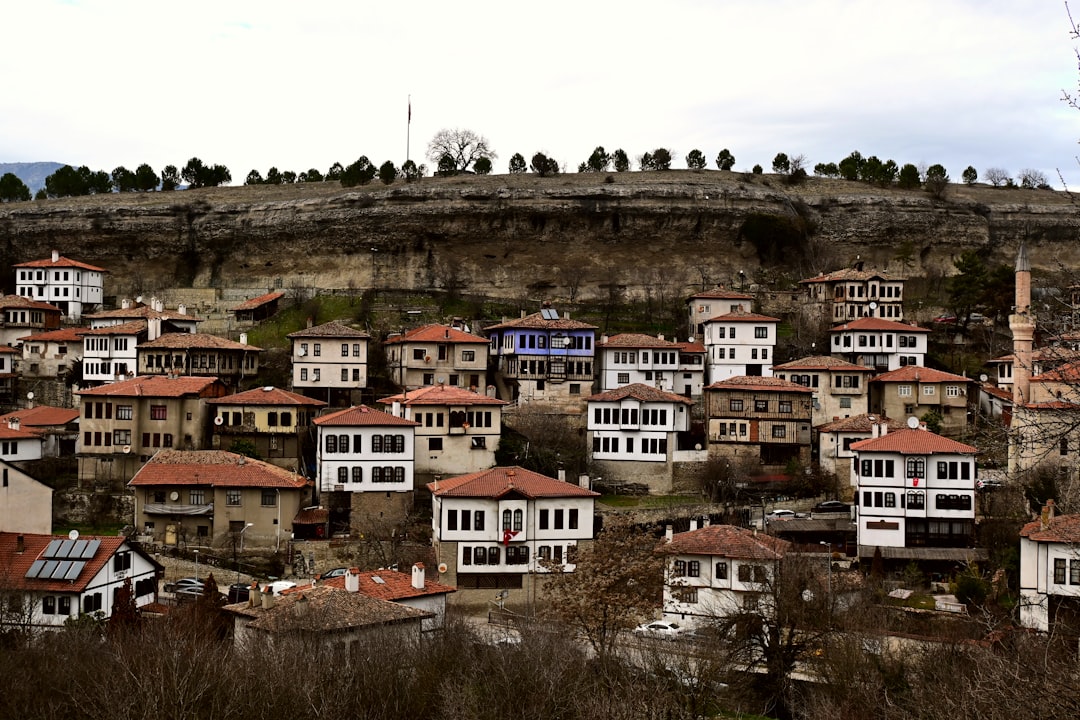
Beyond the Hacıbektaş Veli Complex, the town of Hacıbektaş itself offers a glimpse into contemporary Alevi life. Stroll through the streets, visit local shops, and interact with the friendly residents. You’ll find several cafes and restaurants serving traditional Turkish cuisine, as well as shops selling souvenirs and religious items.
Consider visiting the Hacıbektaş Municipality Museum, which provides further insights into the town’s history and culture. The museum features exhibits on local traditions, crafts, and notable figures from Hacıbektaş.
Alevi Cultural Events and Festivals
Hacıbektaş hosts several cultural events and festivals throughout the year, offering visitors a unique opportunity to witness Alevi traditions firsthand. The most significant event is the Hacı Bektaş Veli Memorial Ceremonies, held annually in August. This week-long festival attracts Alevis from around the world, featuring religious ceremonies, musical performances, and cultural exhibitions.
Other notable events include the Nevruz Festival, celebrating the arrival of spring, and various local festivals that showcase Alevi music, dance, and cuisine.
Respectful Travel to Hacıbektaş
When visiting Hacıbektaş, it’s essential to be respectful of the local culture and religious customs. Dress modestly, particularly when visiting the Hacıbektaş Veli Complex. Avoid loud or disruptive behavior and be mindful of the solemn atmosphere of the site. If you’re unsure about appropriate etiquette, ask a local for guidance.
Photography is generally permitted within the complex, but it’s advisable to ask permission before taking photos of individuals, especially during religious ceremonies.
Getting to Hacıbektaş from Cappadocia
Hacıbektaş is located approximately 45 kilometers (28 miles) northwest of Göreme, the heart of Cappadocia. The easiest way to reach Hacıbektaş is by car or taxi. Several car rental agencies operate in Göreme and other Cappadocian towns. Alternatively, you can hire a taxi for a day trip to Hacıbektaş.
Cappadocia Taxi (website: cappadocia.taxi) provides reliable and comfortable transportation services to Hacıbektaş and other destinations in the region. Their professional English-speaking drivers offer 24/7 airport taxi rides from Kayseri and Nevsehir airports, ensuring a hassle-free journey to your Cappadocia accommodation. They also offer day trips and customized transportation solutions.
Public transportation options are limited, but you can take a dolmuş (shared minibus) from Göreme to Nevşehir, and then change to another dolmuş heading to Hacıbektaş. However, this option can be time-consuming and less convenient.
Accommodation in Hacıbektaş
While most visitors to Hacıbektaş opt for a day trip from Cappadocia, there are also a few hotels and guesthouses available in the town itself. Staying overnight in Hacıbektaş allows you to experience the town’s atmosphere in the evening and attend local cultural events.
Consider booking your accommodation in advance, especially during peak season or during the Hacı Bektaş Veli Memorial Ceremonies.
Combining Hacıbektaş with Other Cappadocian Attractions
A visit to Hacıbektaş can be easily combined with other attractions in Cappadocia. Consider visiting the nearby underground cities of Derinkuyu or Kaymaklı, or exploring the stunning valleys and fairy chimneys of Göreme National Park.
This specialty coffee shop boasts stunning fairy chimney views and a cozy cave interior, providing the perfect ambiance for relaxation. Enjoy their excellent Turkish coffee and espresso drinks before embarking on your next Cappadocian adventure.
The Enduring Significance of Hacıbektaş
Hacıbektaş is more than just a historical site; it’s a living testament to the enduring power of faith, tolerance, and humanism. A visit to Hacıbektaş offers a profound insight into the Alevi faith and its contribution to the rich cultural heritage of Anatolia. Whether you’re a spiritual seeker, a history enthusiast, or simply a curious traveler, Hacıbektaş is an experience that will stay with you long after you leave.
Planning Your Trip to Hacıbektaş: A Checklist
- Research the Alevi faith: Familiarize yourself with the basic tenets of Alevism before your visit to gain a deeper understanding of the site’s significance.
- Book your transportation: Arrange for transportation to Hacıbektaş in advance, whether it’s a rental car, taxi, or dolmuş.
- Dress modestly: Dress respectfully when visiting the Hacıbektaş Veli Complex.
- Be mindful of local customs: Observe local customs and etiquette, and ask for guidance if you’re unsure.
- Attend a cultural event: If possible, plan your visit to coincide with a cultural event or festival to witness Alevi traditions firsthand.
- Allow ample time: Dedicate at least half a day to explore the Hacıbektaş Veli Complex and the town itself.
Discover the Spiritual Heart of Cappadocia
Hacıbektaş offers a unique and enriching experience for visitors to Cappadocia, providing a glimpse into the region’s diverse cultural and religious heritage. Take the time to explore this fascinating site and discover the enduring legacy of Hacı Bektaş Veli and the Alevi faith.
Ready to explore Cappadocia beyond the fairy chimneys? Book your airport taxi with Cappadocia Taxi (cappadocia.taxi) today and start your adventure in comfort and style!