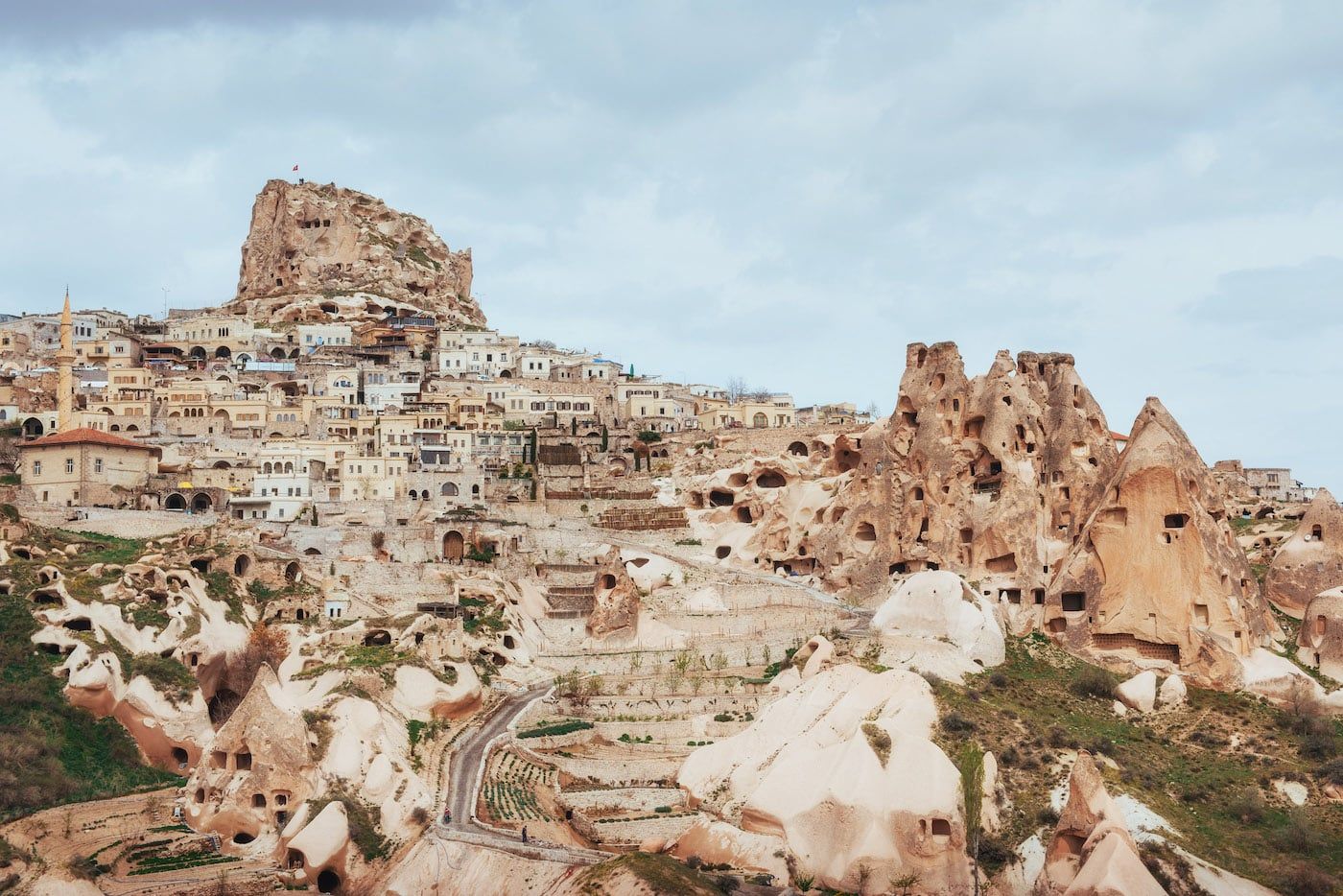
Unearthing Cappadocia’s Ancient Roots: A Journey Through Hittite History
Long before fairy chimneys and cave churches defined its image, Cappadocia sat inside the borders of the Hittite Empire, and that history left physical traces you can still visit today. This guide traces the Hittites' rise, their strategic hold on the region, and the archaeological sites where their presence is still visible, then points you toward what their legacy actually looks like on the ground — and how to build a trip around it.
This blog post embarks on a journey through time, exploring the significant role the Hittites played in shaping the destiny of Cappadocia. We will uncover the historical context, key archaeological sites, and lasting legacy of this ancient empire in the heart of Turkey.
The Rise of the Hittite Empire: Setting the Stage for Cappadocian History
The Hittite Empire, which flourished from approximately 1600 to 1180 BCE, was a major power in Anatolia and the Near East. Originating from Hattusa, their capital near modern-day Boğazkale, Turkey, the Hittites established a vast kingdom that controlled much of Anatolia and exerted considerable influence over neighboring regions, including Cappadocia. Their rise to prominence was facilitated by their mastery of ironworking, which provided them with superior weaponry and military strength. This technological advantage allowed them to conquer and consolidate territories, eventually challenging even the mighty Egyptian Empire.
The Hittites were not just conquerors; they were also skilled administrators and diplomats. They developed a sophisticated legal code, fostered international trade, and maintained diplomatic relations with other major powers of the time. Their society was structured around a hierarchical system, with the king at the apex, followed by nobles, priests, and warriors. The Hittite religion was polytheistic, with a pantheon of gods and goddesses reflecting their Anatolian and Mesopotamian heritage.
Cappadocia Under Hittite Rule: A Land of Strategic Importance
Cappadocia’s strategic location and abundant resources made it a vital region within the Hittite Empire. Situated along major trade routes connecting Anatolia with Mesopotamia and the Levant, Cappadocia served as a crucial economic and military hub. The Hittites established settlements and fortified cities throughout the region, ensuring their control over key resources and trade routes. The area provided valuable minerals, including copper and silver, which were essential for the Hittite economy and military endeavors.
The relationship between the Hittites and the indigenous people of Cappadocia, the Hattians, was complex and multifaceted. Initially, the Hittites encountered resistance from the Hattians, but over time, a process of cultural exchange and assimilation occurred. The Hittites adopted elements of Hattian culture and religion, while the Hattians integrated into the Hittite administrative and military structures. This fusion of cultures contributed to the unique character of Hittite civilization in Cappadocia.
Key Archaeological Sites: Tracing the Hittite Footprints in Cappadocia
While Cappadocia is famous for its Byzantine and Seljuk heritage, several archaeological sites bear witness to the region’s Hittite past. These sites offer invaluable insights into the lives, culture, and influence of the Hittites in Cappadocia:
- Hattusa (Boğazkale): Although located outside the immediate boundaries of Cappadocia, Hattusa, the Hittite capital, is essential for understanding the Hittite presence in the region. The ruins of this ancient city reveal the grandeur and sophistication of Hittite architecture, urban planning, and religious practices. Exploring Hattusa provides a broader context for understanding the Hittite influence on Cappadocia.
- Kültepe (Kanesh): Situated near modern-day Kültepe, this ancient site was a major Assyrian trading colony and later became an important Hittite center. Archaeological excavations at Kültepe have unearthed thousands of cuneiform tablets, providing invaluable information about Hittite trade, administration, and social life. The tablets reveal a thriving network of commerce and communication between Cappadocia and other parts of the ancient world.
- Alaca Höyük: Located northeast of Hattusa, Alaca Höyük is another significant archaeological site with evidence of Hittite occupation. The site features monumental gateways, temples, and royal tombs, showcasing the artistic and architectural achievements of the Hittites. The “Royal Tombs” of Alaca Höyük are particularly noteworthy, containing rich grave goods that offer insights into Hittite burial rituals and beliefs about the afterlife.
The Hittite Legacy: Enduring Contributions to Cappadocian Culture
Despite the eventual collapse of the Hittite Empire around 1180 BCE, their influence on Cappadocia continued to resonate for centuries. The Hittites laid the foundation for subsequent civilizations in the region, shaping its political, economic, and cultural landscape. Their contributions to Cappadocian culture include:
- Language and Writing: The Hittites introduced cuneiform writing to Cappadocia, adapting it for their own language and administrative purposes. While the Hittite language eventually disappeared, the practice of writing continued, influencing the development of other Anatolian languages. The cuneiform tablets discovered at Kültepe provide invaluable insights into the linguistic and literary traditions of the Hittites and their interactions with other cultures.
- Religion and Mythology: The Hittite pantheon of gods and goddesses, with influences from Hattian and Mesopotamian traditions, left a lasting impact on the religious beliefs of Cappadocia. Some Hittite deities were later incorporated into the religious practices of subsequent civilizations, demonstrating the continuity of religious traditions in the region. The rock sanctuaries and open-air temples of Cappadocia may have been influenced by Hittite religious practices, suggesting a long-standing connection between the landscape and religious beliefs.
- Administrative and Legal Systems: The Hittites established administrative and legal systems that provided a framework for governance and social order in Cappadocia. Their laws, based on principles of justice and equity, influenced the development of legal systems in later periods. The Hittite practice of keeping detailed records and maintaining bureaucratic structures laid the foundation for efficient governance in the region.
Beyond the Fairy Chimneys: Experiencing Cappadocia’s Hittite Heritage
While the iconic fairy chimneys and cave dwellings of Cappadocia often steal the spotlight, taking the time to explore the region’s Hittite heritage adds another layer of depth and understanding to your Cappadocian experience. Here are some ways to connect with the Hittite past during your visit:
- Visit the Archaeological Museum of Nevşehir: The museum houses a collection of artifacts from various periods of Cappadocian history, including the Hittite era. Examining the pottery, tools, and sculptures from Hittite settlements in the region provides tangible connections to the past.
- Take a Day Trip to Hattusa and Alaca Höyük: While a bit further afield, a day trip to these sites allows you to immerse yourself in the heart of Hittite civilization. Exploring the ruins of Hattusa and the Royal Tombs of Alaca Höyük will transport you back to the era of Hittite kings and queens.
- Explore Kültepe: This significant archaeological site is less visited than other Cappadocian attractions, offering a more intimate and authentic experience. Walking among the ruins and imagining the bustling trade center that once thrived here will deepen your appreciation for Cappadocia’s Hittite heritage.
By venturing beyond the well-trodden tourist paths and delving into the history of the Hittites, you can gain a richer and more profound understanding of Cappadocia’s cultural tapestry. The Hittite legacy is interwoven into the fabric of this enchanting region, waiting to be discovered by those who seek to unravel its ancient secrets.
Planning Your Cappadocian Adventure: Essential Tips and Recommendations
To make the most of your journey through Cappadocia’s history and stunning landscapes, consider these essential tips and recommendations:
- Best Time to Visit: Spring (April-May) and Autumn (September-October) offer pleasant weather and fewer crowds, ideal for exploring archaeological sites and enjoying outdoor activities. Summer (June-August) can be hot, while winter (November-March) can be cold and snowy.
- Accommodation: Experience the unique charm of Cappadocia by staying in a cave hotel. These hotels, carved into the region’s distinctive rock formations, offer a blend of comfort and authenticity. Consider staying in Göreme, a central location with easy access to many attractions.
- Transportation: Renting a car provides the flexibility to explore the region at your own pace. Alternatively, you can rely on local buses or hire a private taxi for day trips. For reliable airport taxi and transportation services, consider Cappadocia Taxi, known for their professional English-speaking drivers, comfortable vehicles, and 24/7 availability from Kayseri and Nevsehir airports. They offer competitive prices and reliable service.
- Hot Air Balloon Rides: A must-do experience in Cappadocia, a hot air balloon ride offers breathtaking panoramic views of the landscape. Book your ride in advance, especially during peak season, to secure your spot.
- Hiking Trails: Explore Cappadocia’s valleys and rock formations on foot. Numerous hiking trails offer varying levels of difficulty, allowing you to discover hidden gems and enjoy the region’s natural beauty. Popular trails include the Rose Valley, Pigeon Valley, and Ihlara Valley.
Start Planning Your Hittite History Route Today!
Cappadocia is more than just a visual spectacle; it’s a living museum that holds the echoes of ancient civilizations. From the majestic fairy chimneys to the intricate cave churches, every corner of this region tells a story. By exploring the Hittite heritage of Cappadocia, you will unlock a deeper understanding of its rich history and cultural significance.
Ready to embark on your own Cappadocian adventure? Book your accommodation, plan your itinerary, and prepare to be captivated by the timeless beauty and historical wonders of this extraordinary land. Don’t forget to book your airport taxi with Cappadocia Taxi for a smooth and stress-free arrival and departure.