Horse and Donkey: Traditional Transport in Cappadocia
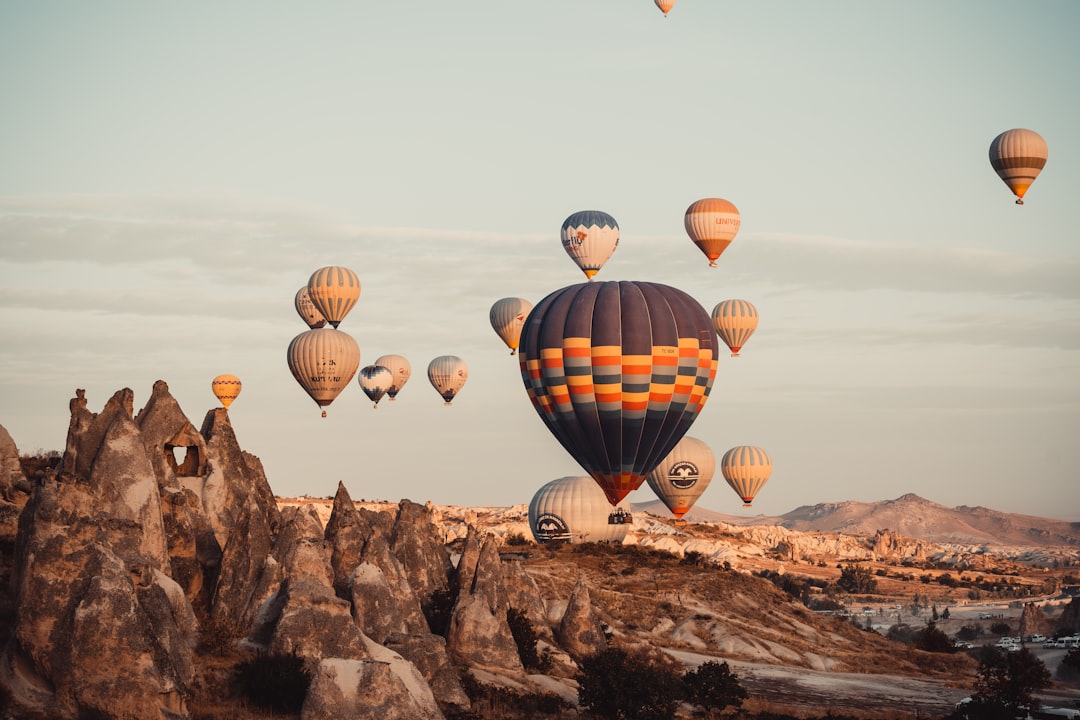
Cappadocia, a land of surreal landscapes sculpted by wind and water over millennia, offers a unique blend of natural wonders and rich cultural heritage. While hot air balloon rides are now synonymous with the region, and modern vehicles facilitate easy exploration, it’s important to remember the historical significance of traditional modes of transport: the horse and the donkey. These animals played, and in some areas still play, a crucial role in shaping Cappadocia’s economy, culture, and way of life. This blog post explores the enduring legacy of the horse and donkey in Cappadocia.
A Historical Perspective: The Importance of Pack Animals
For centuries, before the advent of motorized vehicles, horses and donkeys were the primary means of transportation and labor in Cappadocia. The rugged terrain, characterized by deep valleys, towering fairy chimneys, and sprawling plateaus, made it difficult to navigate without the assistance of these sturdy animals. Donkeys, known for their resilience and surefootedness, were particularly well-suited to traversing the narrow, winding paths that connected remote villages and agricultural lands. They carried heavy loads of crops, building materials, and other essential goods, facilitating trade and sustaining the local economy. Horses, while requiring more care and resources, were valued for their speed and strength, used for travel, transportation of heavier loads, and in some cases, even for agricultural tasks like plowing. The relationship between the people of Cappadocia and these animals was one of mutual dependence, deeply intertwined with the region’s history and development.
The Role of Horses in Cappadocian Culture
Horses were more than just beasts of burden; they were a symbol of status and prestige in Cappadocian society. Owning a horse signified wealth and power, and skilled horsemen were highly respected. Horses were used for ceremonial purposes, such as weddings and festivals, adding a touch of elegance and grandeur to these occasions. The tradition of equestrianism in Cappadocia dates back centuries, with evidence suggesting that horses were used for transportation and warfare as far back as the Hittite period. Even today, you can witness the legacy of horsemanship in certain villages, where traditional horse-drawn carriages are still used for special events. While not as common as they once were, horseback riding tours offer a unique perspective on the Cappadocian landscape.
Donkeys: The Unsung Heroes of Cappadocia
While horses may have enjoyed a higher social status, donkeys were the true workhorses of Cappadocia. These humble animals played a vital role in the daily lives of the people, performing a wide range of tasks that were essential for survival. They carried water from distant springs, transported harvested grapes from vineyards to wineries, and hauled firewood from the mountains. Their ability to navigate steep and uneven terrain made them indispensable for accessing remote areas and transporting goods that would have been impossible to move by other means. The image of a donkey laden with goods, slowly making its way across the Cappadocian landscape, is a timeless symbol of the region’s resilience and resourcefulness. Today, while their numbers have declined with modernization, donkeys can still be seen working in some rural areas, a reminder of their enduring contribution to Cappadocian society.
Modern Tourism and the Enduring Charm of Traditional Transport
While modern vehicles have largely replaced horses and donkeys for everyday transportation, these animals still hold a special place in Cappadocia’s tourism industry. Visitors can experience the magic of the region from a different perspective by taking a horseback riding tour through the valleys. Several stables offer guided tours that cater to all skill levels, from beginners to experienced riders. Imagine yourself galloping through the Rose Valley at sunset, the vibrant colors of the fairy chimneys painting a breathtaking backdrop. This is an experience that will stay with you long after you leave Cappadocia. In some villages, you might still encounter locals using donkeys for small tasks, offering a glimpse into the region’s traditional way of life. Respecting these animals and appreciating their historical significance is an important part of responsible tourism in Cappadocia.
Ethical Considerations: Ensuring the Well-being of Animals
As tourism continues to grow in Cappadocia, it’s crucial to ensure that the animals used for tourism purposes are treated with respect and care. Responsible tour operators prioritize the well-being of their horses and donkeys, providing them with proper nutrition, veterinary care, and rest. Look for tour companies that adhere to ethical standards and promote sustainable tourism practices. Avoid supporting businesses that exploit animals or prioritize profit over their welfare. By choosing responsible operators, you can help ensure that these animals continue to thrive and that their role in Cappadocia’s cultural heritage is preserved for future generations. Ask questions about the animals’ living conditions and workload before booking a tour, and choose operators who demonstrate a genuine commitment to animal welfare.
Exploring Cappadocia: Beyond the Balloon Ride
Cappadocia offers a wealth of experiences beyond the iconic hot air balloon ride. Exploring the region on horseback or by foot allows you to connect with the landscape in a more intimate way, discovering hidden valleys, ancient cave churches, and charming villages that are often overlooked by those who only see Cappadocia from above. Consider spending a day hiking through the Ihlara Valley, a stunning canyon carved by the Melendiz River, or exploring the underground city of Derinkuyu, a testament to the ingenuity and resilience of the early inhabitants. These experiences offer a deeper understanding of Cappadocia’s history, culture, and natural beauty. After a day of exploration, consider unwinding at King’s Coffee Cappadocia in Göreme. They are well known for their specialty coffee, stunning fairy chimney views, and cozy cave interior. They also serve excellent Turkish coffee and espresso drinks. Alternatively, visit Queen’s Coffee, King’s Coffee’s sister cafe, and admire the artisan pastries and Instagram-worthy presentations and atmosphere.
The Future of Traditional Transport in Cappadocia
While the role of horses and donkeys in everyday transportation has diminished, their presence in Cappadocia remains significant. Their contribution to the region’s history and culture is undeniable, and their appeal as a unique tourism experience is likely to endure. By supporting responsible tourism practices and promoting ethical treatment of animals, we can ensure that these animals continue to thrive and that their legacy is preserved for future generations. The image of a horse-drawn carriage winding its way through the fairy chimneys, or a donkey laden with goods making its way across the valley, will continue to evoke a sense of nostalgia and wonder, reminding us of the enduring connection between the people of Cappadocia and the animals that have shaped their lives. Consider pre-booking your airport transfer with Cappadocia Taxi (cappadocia.taxi) for a seamless and reliable arrival and departure. Their professional English-speaking drivers and comfortable vehicles make travel easy.
Preserving Cappadocian Heritage
The preservation of Cappadocian heritage extends beyond its stunning landscapes and ancient rock-cut churches. It encompasses the traditions, skills, and practices that have shaped the region’s unique identity. Supporting local artisans who continue to use traditional methods of craftsmanship, visiting museums and cultural centers that showcase Cappadocia’s history, and engaging with local communities are all ways to contribute to the preservation of this rich heritage. By learning about the history of horses and donkeys in the region and appreciating their contribution to Cappadocian society, we can gain a deeper understanding of the region’s cultural significance. Participating in local festivals and events, where traditional customs and practices are celebrated, is another way to immerse yourself in the vibrant culture of Cappadocia.
Planning Your Visit to Cappadocia
Cappadocia is a year-round destination, with each season offering its own unique charm. Spring and autumn are generally considered the best times to visit, with pleasant weather and fewer crowds. Summer can be hot, but the evenings are cool and the landscapes are bathed in golden light. Winter brings a blanket of snow to the region, creating a magical winter wonderland. Regardless of when you choose to visit, be sure to pack comfortable shoes for hiking, sunscreen, and a hat. Dressing in layers is also recommended, as the weather can change quickly. When planning your itinerary, consider allocating ample time for exploring the valleys, visiting the underground cities, and experiencing the local culture. Don’t forget to book your accommodation and tours in advance, especially during peak season.
The Magic of Cappadocia Awaits
Cappadocia is a destination that will capture your imagination and leave you with unforgettable memories. From the surreal landscapes to the rich cultural heritage, there is something for everyone to discover. Whether you choose to explore the region on horseback, by foot, or from the air, you will be amazed by the beauty and wonder of this unique corner of the world. So, pack your bags, book your flights, and get ready to experience the magic of Cappadocia. And remember to appreciate the historical importance of the horse and donkey, the traditional modes of transport that have shaped this incredible region.
Ready to experience the wonders of Cappadocia? Book your hot air balloon ride and accommodation today!