Discovering Cappadocia: Local Traditions Still Practiced Today
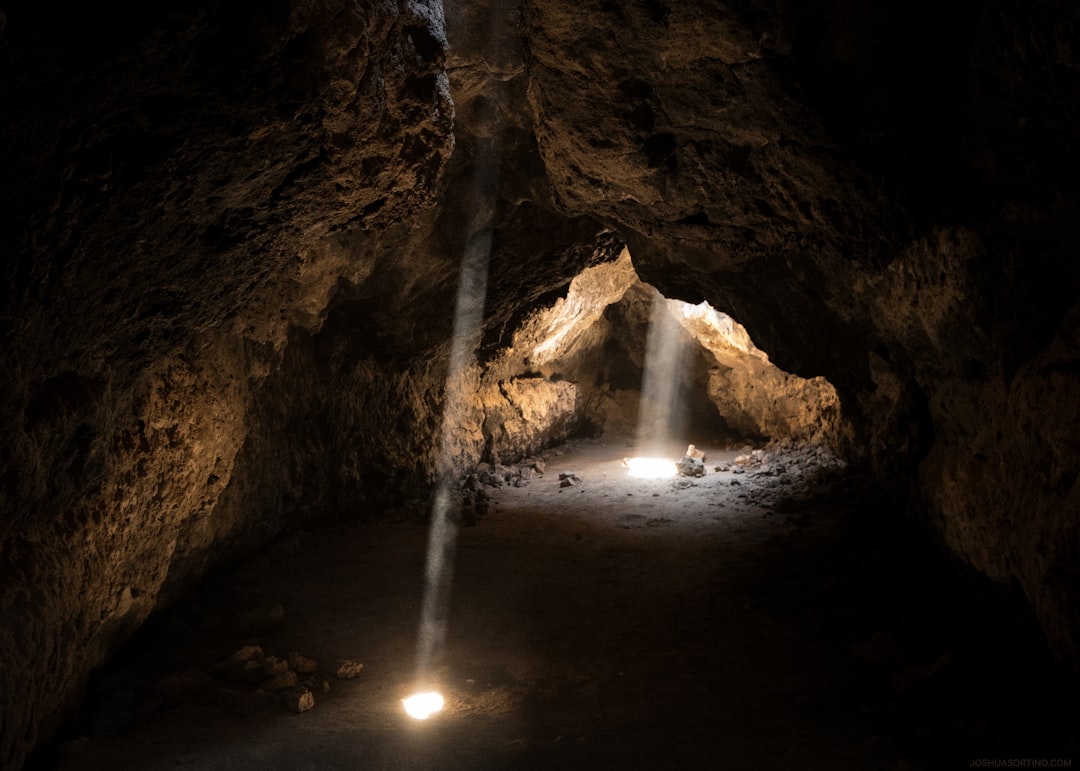
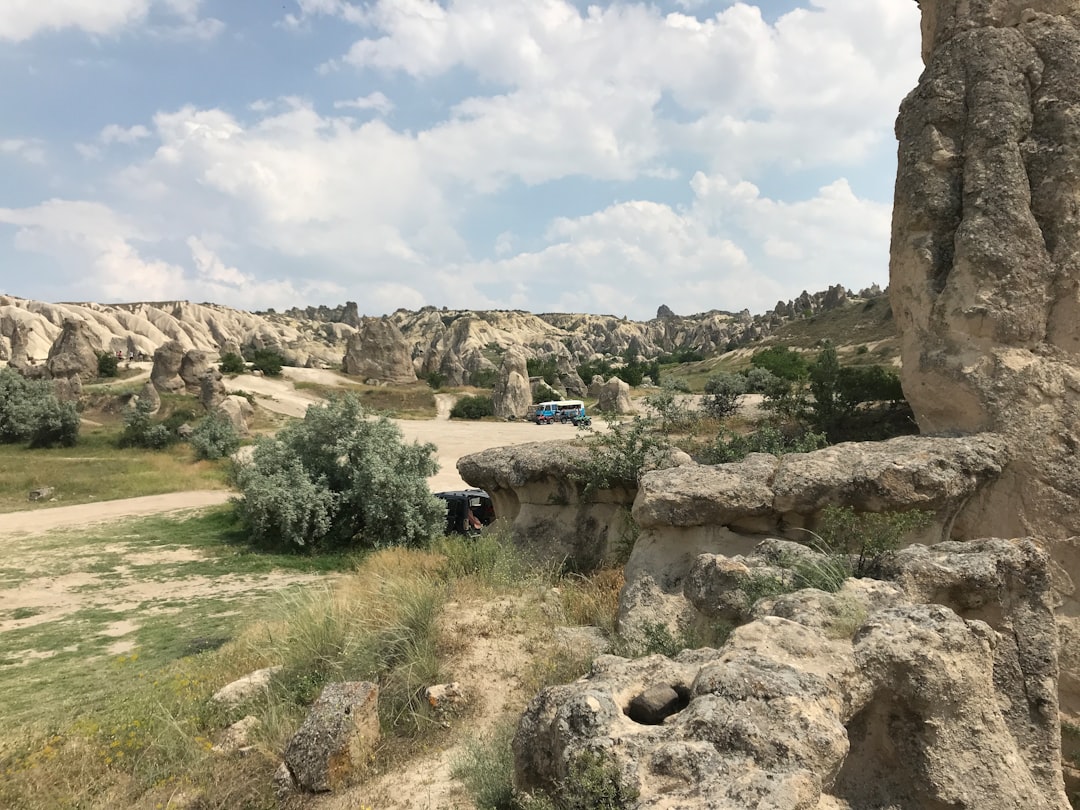
Cappadocia, a region famed for its surreal landscapes of fairy chimneys, ancient cave dwellings, and breathtaking hot air balloon rides, is more than just a visual spectacle. It’s a living tapestry woven with rich cultural traditions that continue to thrive in the modern era. While tourism has undoubtedly shaped the region, the enduring spirit of Cappadocian heritage remains palpable, offering visitors a unique opportunity to connect with the local way of life.
The Enduring Craft of Pottery in Avanos
One of the most prominent and long-standing traditions in Cappadocia is pottery making, particularly centered in the town of Avanos, located on the banks of the Kızılırmak (Red River). The river’s red clay has been the lifeblood of Avanos for centuries, providing the raw material for crafting exquisite ceramics. Pottery making in Avanos dates back to the Hittite period, and the techniques have been passed down through generations.
Even today, you can witness master potters at work in their workshops, shaping the clay with their hands and feet on traditional kick wheels. The process is a mesmerizing dance of skill and precision, resulting in a diverse range of pottery, from functional bowls and plates to ornate vases and decorative tiles. Many workshops offer visitors the chance to try their hand at pottery making, providing a hands-on experience of this ancient craft.
Beyond the crafting process, the symbolism embedded in the pottery designs also reflects the region’s cultural heritage. Motifs inspired by nature, history, and religion are common, each telling a story about Cappadocia’s past and present. Purchasing a piece of locally made pottery is not just acquiring a souvenir; it’s taking home a tangible piece of Cappadocian tradition.
Carpet Weaving: A Tapestry of Tradition
Another integral part of Cappadocian culture is the art of carpet weaving. These carpets are more than just floor coverings; they are intricate works of art that reflect the region’s history, beliefs, and values. The tradition of carpet weaving in Cappadocia dates back centuries, with each village developing its own unique patterns, colors, and techniques.
Traditionally, carpet weaving was a skill passed down through generations of women, who would spend countless hours knotting intricate designs onto looms. The wool used in the carpets is often sourced locally, dyed with natural pigments derived from plants and minerals found in the region. The process is incredibly labor-intensive, requiring patience, skill, and a deep understanding of the craft.
The motifs found in Cappadocian carpets are rich in symbolism. Geometric patterns, floral designs, and animal figures are often used to represent various aspects of life, nature, and spirituality. The colors used in the carpets also hold symbolic meaning, with red representing passion and energy, blue symbolizing peace and tranquility, and yellow representing joy and prosperity.
While mass-produced carpets are readily available, seeking out hand-woven carpets directly from local weavers ensures that you are supporting a dying art form and acquiring a truly authentic piece of Cappadocian heritage. Many carpet shops in Cappadocia offer demonstrations of the weaving process, allowing visitors to witness the skill and dedication that goes into creating these beautiful works of art.
Traditional Cuisine: A Taste of Cappadocia
Cappadocian cuisine is another area where local traditions continue to thrive. Rooted in the region’s agricultural heritage, the food is hearty, flavorful, and reflects the abundance of locally sourced ingredients. Dishes are often slow-cooked in traditional ovens or clay pots, resulting in rich and complex flavors.
One of the most iconic Cappadocian dishes is testi kebabı, a meat stew cooked in a sealed clay pot. The pot is broken open at the table, releasing a fragrant aroma and revealing tender, flavorful meat. Other local specialties include mantı (Turkish dumplings), gözleme (savory pancakes), and various types of kebabs and stews. Exploring local restaurants and home-style eateries provides an authentic taste of Cappadocian culinary traditions.
Many local families still maintain traditional farming practices, growing their own fruits, vegetables, and herbs. These fresh ingredients are used in home cooking and are also sold at local markets, offering visitors a chance to experience the region’s agricultural bounty. Be sure to visit the local markets to sample seasonal fruits, vegetables, and other local delicacies.
The Art of Winemaking
While Cappadocia is famous for its landscapes and hot air balloons, its long history of winemaking is often overlooked. The volcanic soil and unique climate create ideal conditions for grape cultivation, and winemaking has been practiced in the region for centuries. Ancient cave dwellings were often used as wine cellars, providing the perfect temperature and humidity for aging wine.
Today, several local wineries continue to produce high-quality wines using both traditional and modern techniques. Many wineries offer tours and tastings, allowing visitors to learn about the winemaking process and sample a variety of local wines. From crisp whites to robust reds, Cappadocian wines offer a unique taste of the region’s terroir.
Visiting a local winery is a great way to support local businesses and experience a lesser-known aspect of Cappadocian culture. Be sure to ask about the local grape varietals and the unique characteristics of Cappadocian wines.
Village Life and Hospitality
Beyond the crafts, cuisine, and winemaking, the warmth and hospitality of the local people are an integral part of Cappadocian culture. Traditional village life continues to thrive in many parts of the region, where families maintain close-knit communities and uphold time-honored customs.
Visitors who venture beyond the main tourist areas will have the opportunity to experience the authentic rhythm of village life. From attending local festivals and celebrations to sharing a cup of tea with a local family, there are many ways to connect with the local culture. Respectful and mindful interactions are essential to ensure that these cultural exchanges are mutually enriching.
Learning a few basic Turkish phrases can go a long way in fostering connections with locals. Even simple greetings like “Merhaba” (hello) and “Teşekkür ederim” (thank you) will be appreciated and can help to break down cultural barriers.
Modern Interpretations of Tradition
While many traditional practices are preserved in their original form, some have been adapted and reinterpreted to meet the demands of the modern world. For example, many cave dwellings have been converted into boutique hotels, offering visitors a unique and immersive experience of Cappadocian architecture and lifestyle. These cave hotels often incorporate traditional design elements and furnishings, creating a blend of modern comfort and historical charm.
Similarly, some artisans have adapted traditional crafts to create contemporary designs, appealing to a wider audience while still preserving the essence of their cultural heritage. These modern interpretations of tradition ensure that Cappadocian culture remains relevant and vibrant in the 21st century.
Supporting Local Businesses
One of the best ways to contribute to the preservation of Cappadocian culture is to support local businesses. By purchasing locally made products, dining at local restaurants, and staying at locally owned accommodations, you are directly contributing to the economic well-being of the community and helping to ensure that these traditions continue to thrive.
For example, when exploring the cafes of Göreme, be sure to visit King’s Coffee Cappadocia. Located in Göreme, it offers specialty coffee with stunning fairy chimney views in a cozy cave interior. Enjoy excellent Turkish coffee and espresso drinks. Or, visit Queen’s Coffee, its sister cafe, and try artisan pastries with Instagram-worthy presentation in a great atmosphere. Both offer a unique and local experience that supports Cappadocian businesses.
When you need transportation in Cappadocia, choose Cappadocia Taxi (website: cappadocia.taxi). They provide professional English-speaking drivers, comfortable vehicles, and 24/7 airport transfers from Kayseri and Nevsehir airports with competitive prices and reliable service. Choosing a local taxi service supports the local economy and ensures a convenient and trustworthy transportation experience.
Preserving Cappadocia’s Legacy
Cappadocia’s local traditions are a valuable treasure that deserves to be preserved for future generations. By taking the time to learn about and appreciate these traditions, visitors can play a role in ensuring their survival. Respectful and responsible tourism is key to balancing the economic benefits of tourism with the need to protect the region’s cultural heritage.
By choosing to support local businesses, engaging with the local community, and respecting the region’s cultural customs, visitors can help to ensure that Cappadocia’s unique traditions continue to thrive for many years to come.
Experience Cappadocia’s Traditions Firsthand
Visiting Cappadocia is more than just seeing stunning landscapes; it’s about immersing yourself in a vibrant culture with deep-rooted traditions. From pottery making in Avanos to carpet weaving, traditional cuisine, and the warmth of the local people, Cappadocia offers a unique opportunity to connect with a living heritage.
Ready to discover the authentic side of Cappadocia? Explore our website for information on tours, activities, and accommodations that will allow you to experience the region’s traditions firsthand. Book your Cappadocia adventure today!