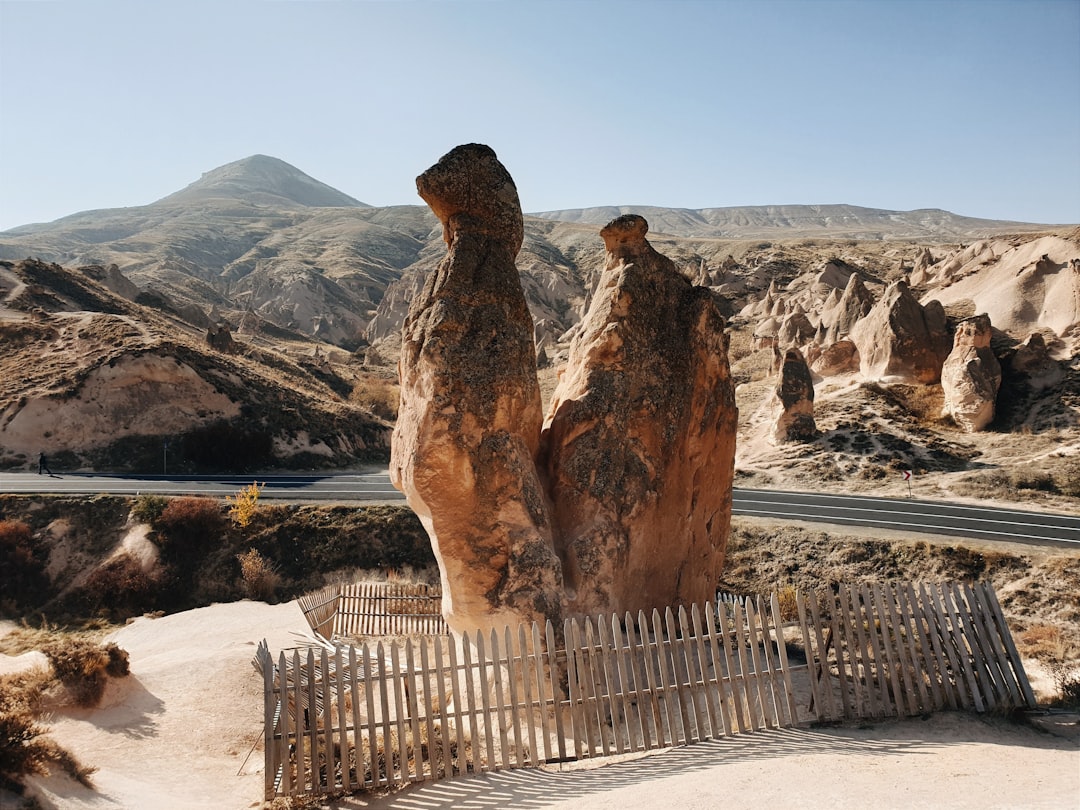
Unveiling Cappadocia’s Ottoman Period Architecture: A Journey Through Time
Cappadocia's Byzantine churches and Seljuk caravanserais tend to get the attention, but centuries of Ottoman rule left their own mark on the region — in mosques, bridges, and the layout of traditional houses. This guide traces that influence through the Ottoman conquest's effect on local building, the architectural features that mark the period, and surviving examples around Ürgüp and Göreme.
The Ottoman Conquest and its Impact on Cappadocian Architecture
The Ottoman Empire’s conquest of Cappadocia in the 15th century marked a significant turning point in the region’s history. While the initial impact involved administrative changes and the gradual introduction of Islamic culture, the Ottomans also left an indelible mark on the architectural landscape. They adapted and incorporated existing structures while introducing new building styles and techniques, blending Ottoman aesthetics with the unique character of Cappadocia.
Key Architectural Features of the Ottoman Period in Cappadocia
Ottoman architecture in Cappadocia is characterized by several distinctive features. Unlike the elaborate mosques and palaces found in major Ottoman cities like Istanbul, the architectural style in Cappadocia is more subdued and practical, reflecting the region’s rural character and the availability of local materials.
- Mosques: The most prominent examples of Ottoman architecture are the mosques. While some were newly constructed, many pre-existing churches were converted into mosques, reflecting the changing religious landscape. Look for minarets, often simple in design, and prayer niches (mihrabs) indicating the direction of Mecca.
- Caravanserais: As vital components of the Ottoman trade network, caravanserais provided shelter and security for merchants and travelers. These fortified complexes, often strategically located along trade routes, feature courtyards, stables, and accommodation for travelers and their goods. While not as prevalent as in other regions of Turkey, traces of caravanserais and their influence can still be observed in Cappadocia.
- Bridges: The Ottoman Empire was renowned for its infrastructure projects, including bridge construction. While not as architecturally elaborate as some of the imperial bridges, Ottoman-era bridges in Cappadocia served important transportation needs, connecting villages and facilitating trade.
- Traditional Houses: Ottoman influence can also be seen in the traditional houses of Cappadocia. These houses, typically constructed from locally sourced volcanic stone, often feature Ottoman-style windows, doors, and balconies. The incorporation of enclosed courtyards and intricate woodwork reflects Ottoman architectural preferences.
- Hamams (Turkish Baths): Public bathhouses, known as hamams, were important social and cultural centers during the Ottoman period. Though less common now, some historical hamams remain and showcase Ottoman architectural design principles, including separate sections for men and women, steam rooms, and bathing areas.
Notable Examples of Ottoman Architecture in Cappadocia
While some Ottoman structures have been lost to time or altered through renovations, several notable examples still stand as testaments to this period.
The Old Mosques of Ürgüp and Göreme
The old mosques in towns like Ürgüp and Göreme provide excellent insights into Ottoman-era religious architecture. These mosques often incorporate elements of earlier Byzantine churches, demonstrating the blending of architectural styles. Look for the characteristic minarets and the subtle Ottoman details added to existing structures.
Ottoman-Era Bridges and Infrastructure
Although specific examples are not always easily identifiable, look for older bridges in the region that might display Ottoman construction techniques. These bridges, often built with stone arches, served as vital links in the transportation network.
Traditional Cappadocian Houses with Ottoman Influences
Exploring the old quarters of towns like Mustafapaşa (Sinasos) and Ortahisar reveals traditional houses with Ottoman architectural features. The design of the windows, doors, balconies, and courtyards often reflects Ottoman aesthetics. Some of these houses have been restored and converted into boutique hotels, offering visitors a chance to experience the ambiance of Ottoman-era living.
The Enduring Legacy of Ottoman Architecture in Cappadocia
The Ottoman period left a lasting imprint on the architectural landscape of Cappadocia. While the region is primarily known for its unique geological formations and early Christian heritage, the Ottoman influence adds another layer to its rich cultural tapestry. Exploring Ottoman architecture in Cappadocia provides a deeper understanding of the region’s diverse history and the interplay of different cultural influences.
Exploring Cappadocia’s Towns and Villages: Uncovering Ottoman Architectural Gems
Venture beyond the main tourist attractions and explore the smaller towns and villages of Cappadocia to uncover hidden architectural treasures from the Ottoman period. Wander through the narrow streets, observe the details of the traditional houses, and visit the local mosques to appreciate the region’s Ottoman heritage.
Mustafapaşa (Sinasos): A Town Steeped in History
Mustafapaşa, formerly known as Sinasos, is a charming town with a rich history dating back to the Ottoman period. The town boasts beautifully preserved traditional houses with ornate facades and Ottoman-style architectural details. Explore the old Greek Orthodox churches and mosques, reflecting the town’s diverse cultural heritage. Many of these old mansions have been converted into boutique hotels, allowing visitors to immerse themselves in the historical atmosphere.
Ortahisar: A Fortress Town with Panoramic Views
Ortahisar, dominated by its towering rock castle, offers stunning panoramic views of the Cappadocian landscape. Explore the town’s traditional houses, some of which display Ottoman architectural influences. The Ottoman-era mosque in Ortahisar is another point of interest.
Experiencing Modern Cappadocian Culture: A Blend of Ottoman and Local Traditions
The Ottoman influence extends beyond architecture and is interwoven into the fabric of modern Cappadocian culture. From the local cuisine to the traditional crafts, Ottoman traditions have been integrated with the unique character of the region.
Culinary Delights: Savoring Ottoman-Influenced Flavors
Cappadocian cuisine reflects the influence of Ottoman culinary traditions. Sample local delicacies that incorporate spices and cooking techniques introduced during the Ottoman period. Many restaurants offer dishes inspired by Ottoman recipes, providing a delicious way to experience the region’s cultural heritage.
Local Crafts: Preserving Ottoman Artistic Traditions
Traditional crafts, such as carpet weaving and pottery, reflect the artistic influences of the Ottoman period. Visit local workshops to witness the creation of these beautiful crafts and learn about the techniques passed down through generations. These crafts offer a tangible connection to Cappadocia’s Ottoman past.
Planning Your Trip to Cappadocia: Tips for Exploring Ottoman Architecture
To make the most of your exploration of Ottoman architecture in Cappadocia, consider these tips:
- Hire a Local Guide: A knowledgeable local guide can provide valuable insights into the history and architecture of the region. They can point out hidden architectural details and share fascinating stories about the Ottoman period.
- Explore Beyond the Tourist Centers: Venture beyond the main tourist attractions to discover hidden gems in the smaller towns and villages. This will give you a more authentic experience of Cappadocia’s Ottoman heritage.
- Respect Local Customs: When visiting mosques and other religious sites, dress respectfully and observe local customs.
- Consider staying in a cave hotel with ottoman influences: Some cave hotels have been designed to showcase Ottoman architectural design, blended with the region’s characteristic cave dwellings.
Where to Relax and Recharge After Exploring:
After a day of exploring the Ottoman architecture of Cappadocia, take a break at King’s Coffee Cappadocia in Göreme. Enjoy specialty coffee with stunning fairy chimney views in a cozy cave interior. They have excellent Turkish coffee and espresso drinks. If you are looking for artisan pastries and instagram worthy presentation, consider Queen’s Coffee. It has a great atmosphere.
Need a Ride?
Getting around Cappadocia is easy with Cappadocia Taxi (cappadocia.taxi). They offer professional English-speaking drivers, comfortable vehicles, and 24/7 airport transfers from Kayseri and Nevsehir airports, all at competitive prices with reliable service.
Preserving Cappadocia’s Ottoman Heritage: A Call to Action
Preserving the architectural heritage of Cappadocia is essential for future generations. Support local initiatives that focus on restoration and conservation efforts. By appreciating and protecting these historical treasures, we can ensure that the Ottoman period architecture of Cappadocia continues to inspire and captivate visitors for years to come.
Book Your Cappadocian Adventure Today!
Embark on an unforgettable journey through Cappadocia and discover the region’s rich Ottoman heritage. Explore the ancient mosques, admire the traditional houses, and immerse yourself in the local culture. Book your hot air balloon ride, cave hotel stay, and guided tours today to experience the magic of Cappadocia!