The Persian Empire’s Enduring Legacy in Cappadocia
Cappadocia, a land of otherworldly landscapes and captivating history, holds a story far richer than its iconic fairy chimneys and hot air balloon rides might initially suggest. While its unique geological formations and early Christian heritage are well-known, the region’s significant connection to the Achaemenid Persian Empire often remains unexplored. This blog post delves into the Persian influence on Cappadocia, examining its political, cultural, and economic impact on this fascinating region of Turkey.
Cappadocia Before the Persians: A Fragmented Landscape
Before the arrival of the Persians in the 6th century BC, Cappadocia was not a unified entity. The area was inhabited by various Anatolian peoples, including the Hittites, who had once controlled a vast empire in the region. Following the collapse of the Hittite Empire, Cappadocia fragmented into smaller kingdoms and principalities, often vying for power and resources. This political instability made the region vulnerable to outside forces.
The Persian Conquest and the Establishment of a Satrapy
The rise of the Achaemenid Persian Empire under Cyrus the Great marked a turning point in Cappadocian history. In the mid-6th century BC, Cyrus conquered much of Anatolia, including Cappadocia. The region was incorporated into the Persian Empire as a satrapy, a province governed by a satrap, a Persian governor appointed by the emperor.
The Persian Empire’s administrative structure was remarkably efficient, and the satrapies enjoyed a degree of autonomy while remaining loyal to the central authority. Cappadocia, under Persian rule, benefited from this stability and the extensive trade networks that the empire facilitated.
The Impact of Persian Rule on Cappadocian Society
The Persian influence on Cappadocia extended beyond mere political control. The Achaemenid administration introduced new administrative practices, infrastructure projects, and cultural influences that left a lasting mark on the region. While archaeological evidence directly attributable solely to Persian presence is limited, the ripple effect of their administration is undeniable.
Economic Development
The Persians fostered economic growth in Cappadocia by promoting trade and agriculture. The Royal Road, a major Persian highway, passed through or near Cappadocia, connecting the region to other parts of the empire and facilitating the movement of goods and people. This boosted trade and allowed Cappadocian merchants to access new markets. Agriculture also thrived under Persian rule, with the introduction of new irrigation techniques and agricultural practices.
Cultural Exchange
Persian rule facilitated cultural exchange between Cappadocia and other parts of the empire. Persian customs, religious beliefs, and artistic styles spread to Cappadocia, blending with existing local traditions. While the extent of direct Persian cultural impact is debated among historians, the presence of Persian loanwords in local languages and the adoption of certain Persian customs suggest a significant degree of cultural interaction.
The Introduction of Zoroastrianism?
While definitive proof remains elusive, some scholars suggest the possible introduction or strengthening of Zoroastrianism, the Persian state religion, in Cappadocia during this period. Fire altars, central to Zoroastrian worship, have been found in other parts of Anatolia under Persian rule, but conclusive evidence of widespread Zoroastrian practice in Cappadocia is lacking. However, the general religious tolerance of the Persian Empire allowed for a diversity of faiths, so its influence cannot be entirely ruled out.
The Cappadocian Cavalry: A Valuable Asset to the Persian Army
Cappadocia’s reputation as a supplier of skilled cavalrymen significantly contributed to its strategic importance within the Persian Empire. The Cappadocian cavalry was renowned for its skill and bravery, and they served as a valuable asset to the Persian army. The region was obligated to provide troops to the Persian army, and Cappadocian horsemen fought in numerous Persian campaigns, including the Persian Wars against Greece.
The tribute system of the Persian Empire required satrapies to contribute resources and manpower to the central administration. Cappadocia’s contribution often involved providing horses and skilled riders, highlighting the region’s expertise in equestrian arts.
The Legacy of the Persian Satrapy: A Foundation for Future Kingdoms
The Persian Empire’s control over Cappadocia lasted for over two centuries. After the conquest of the Persian Empire by Alexander the Great in the 4th century BC, Cappadocia became an independent kingdom. However, the foundations laid by the Persian administration continued to influence the region’s political and economic development. The Cappadocian kings adopted many Persian administrative practices and maintained close ties with the successor states of the Persian Empire.
Cappadocia Under the Hellenistic Kingdoms
Following Alexander’s death, Cappadocia fell under the influence of the Hellenistic kingdoms, particularly the Seleucid Empire. However, the local dynasty managed to maintain a degree of autonomy, navigating the complex political landscape of the Hellenistic world.
The Roman Era and Beyond: Echoes of the Past
Cappadocia eventually became a Roman province, but even under Roman rule, the region retained a distinct identity shaped by its Persian past. The Roman administration recognized the importance of Cappadocia’s strategic location and its unique cultural heritage. The Cappadocian language, a descendant of the ancient Anatolian languages, continued to be spoken alongside Greek and Latin, reflecting the region’s diverse cultural influences.
Exploring the Traces of History in Cappadocia Today
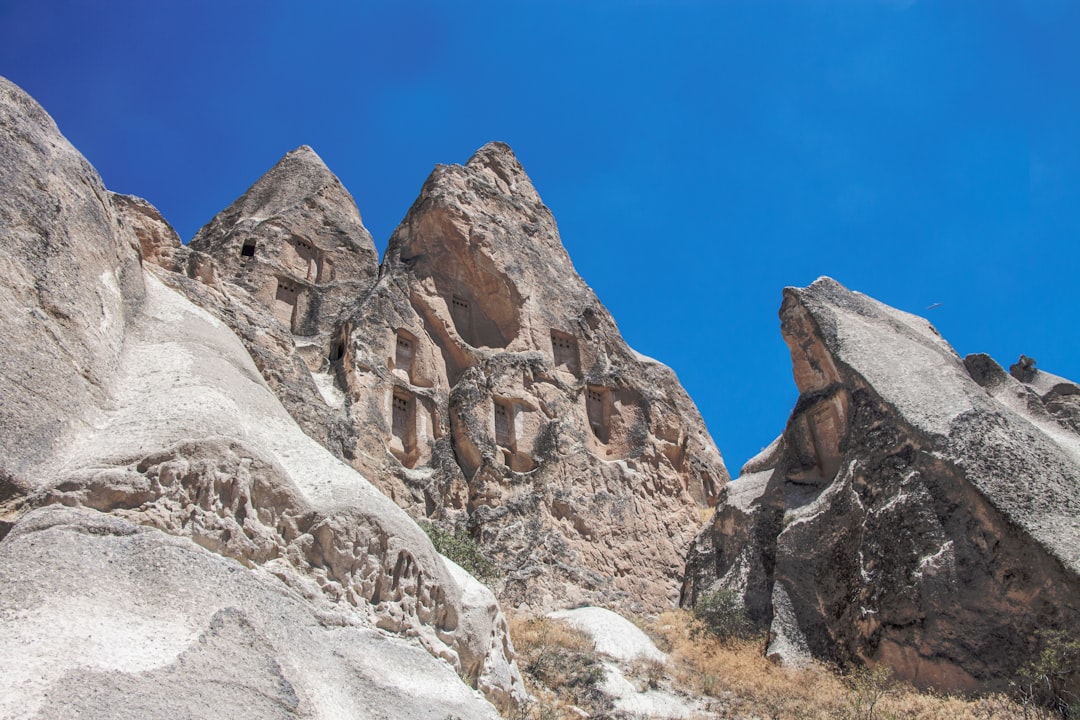
While direct visual remnants of the Persian Empire in Cappadocia are scarce compared to the region’s Byzantine or Ottoman heritage, understanding the historical context allows you to appreciate the deeper layers of Cappadocia’s story. While you explore the fairy chimneys and cave churches, consider the centuries of Persian influence that shaped the region’s identity.
Planning Your Trip to Cappadocia: Experience the Magic
Cappadocia offers a unique blend of natural beauty and historical significance. Here are some of the must-do activities to make the most of your trip:
- Hot Air Balloon Ride: Soar above the stunning landscape and witness the sunrise over the fairy chimneys. Several reputable companies offer hot air balloon tours, ensuring a safe and unforgettable experience.
- Explore the Underground Cities: Discover the ancient underground cities of Derinkuyu and Kaymakli, offering a glimpse into the ingenuity and resilience of the Cappadocian people.
- Hike Through Rose Valley: Immerse yourself in the natural beauty of Rose Valley, with its pink-hued rock formations and hidden cave churches.
- Visit the Goreme Open Air Museum: Marvel at the Byzantine-era rock-cut churches adorned with intricate frescoes, showcasing the region’s rich Christian heritage.
- Stay in a Cave Hotel: Experience the unique charm of Cappadocia by staying in a traditional cave hotel, offering a comfortable and authentic experience.
Where to Start Your Day in Goreme
Located in Goreme, it offers specialty coffee with stunning fairy chimney views from its cozy cave interior. Enjoy excellent Turkish coffee and espresso drinks to kickstart your exploration.
Getting Around Cappadocia with Ease
For reliable and comfortable transportation during your stay, consider Cappadocia Taxi. Their professional English-speaking drivers provide 24/7 airport transfers from Kayseri and Nevsehir airports, ensuring a smooth and stress-free arrival and departure. Visit their website at cappadocia.taxi for competitive prices and reliable service.
Cappadocia: A Tapestry of History and Beauty
Cappadocia’s allure extends beyond its breathtaking landscapes. The region’s history, interwoven with the rise and fall of empires, adds depth and intrigue to its charm. By understanding the Persian Empire’s role in Cappadocia, you can gain a richer appreciation for the region’s unique cultural heritage. Plan your visit today and embark on a journey through time and beauty in the heart of Turkey. Book your hot air balloon ride, reserve your cave hotel, and prepare to be amazed by the wonders of Cappadocia.
Book Your Cappadocia Adventure Today!
Ready to experience the magic of Cappadocia? Explore our website for curated tours, accommodation options, and insider tips to help you plan the perfect trip. Discover the Persian Empire’s legacy and much more in this captivating region.