Preservation Efforts for Heritage Sites in Cappadocia: Protecting the Magic
Cappadocia, Turkey, a land of breathtaking landscapes and ancient history, captivates visitors with its unique geological formations, the iconic fairy chimneys, and intricate cave dwellings. The region’s cultural heritage, including its early Christian churches and vast underground cities, draws tourists from around the globe. However, the very features that make Cappadocia so alluring are also vulnerable. This article delves into the ongoing preservation efforts crucial for safeguarding Cappadocia’s invaluable heritage for future generations.
The Significance of Cappadocia’s Heritage
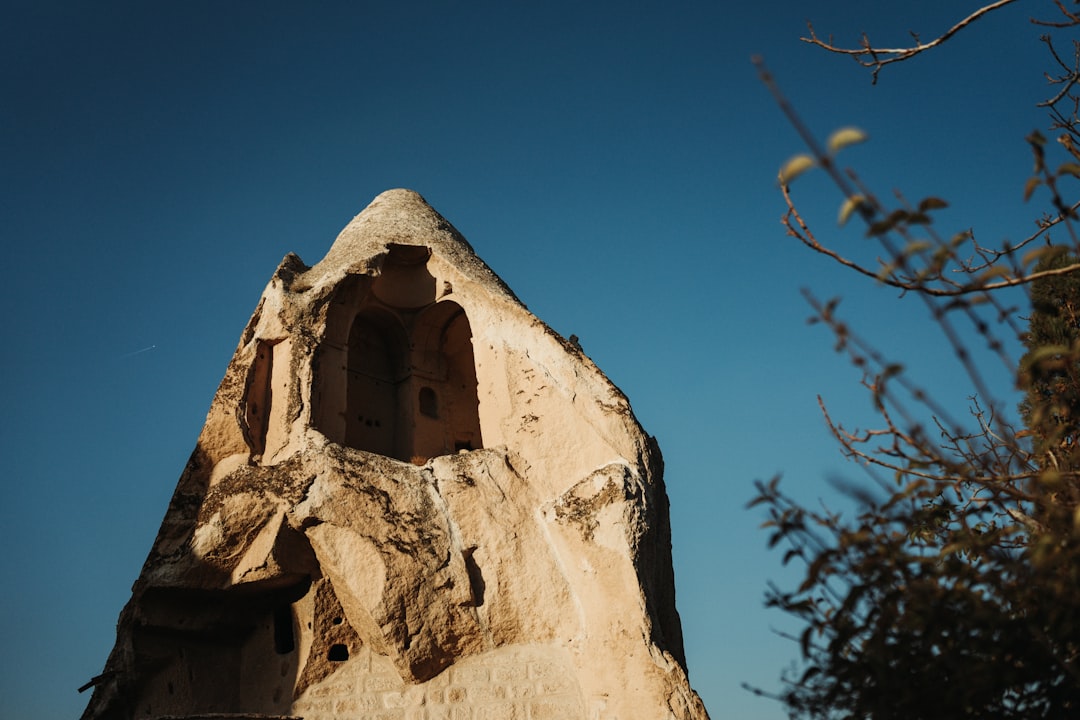
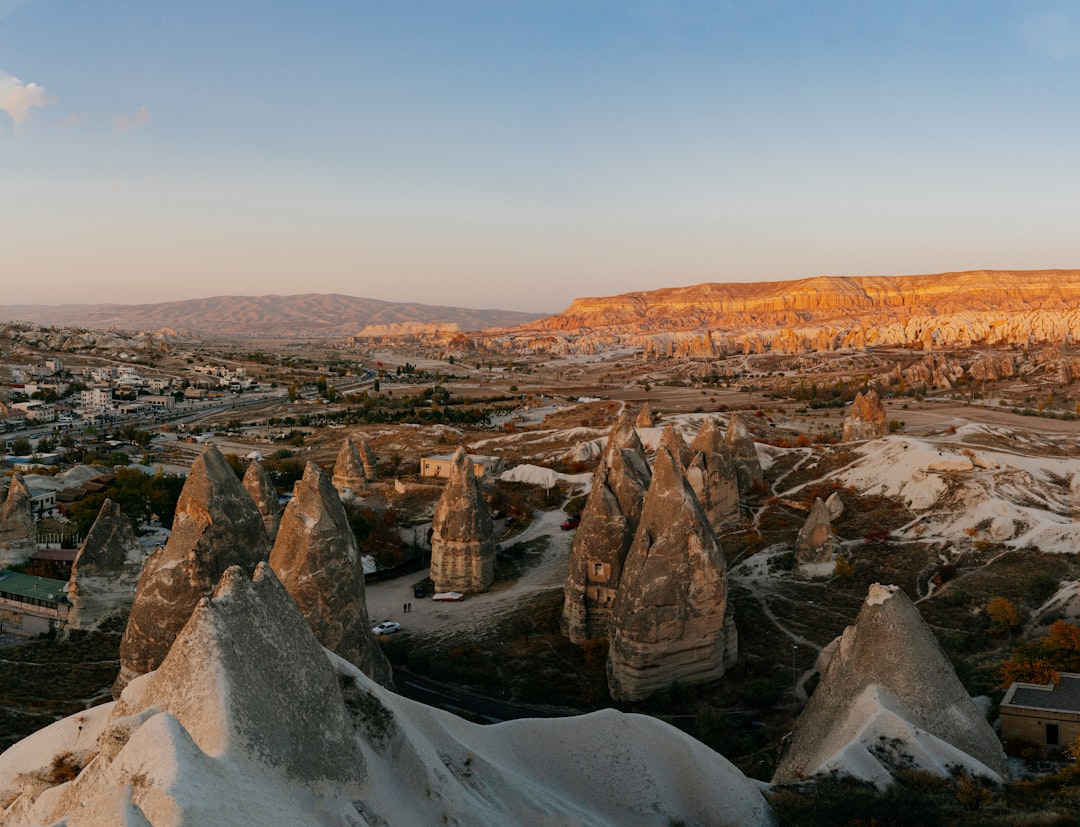
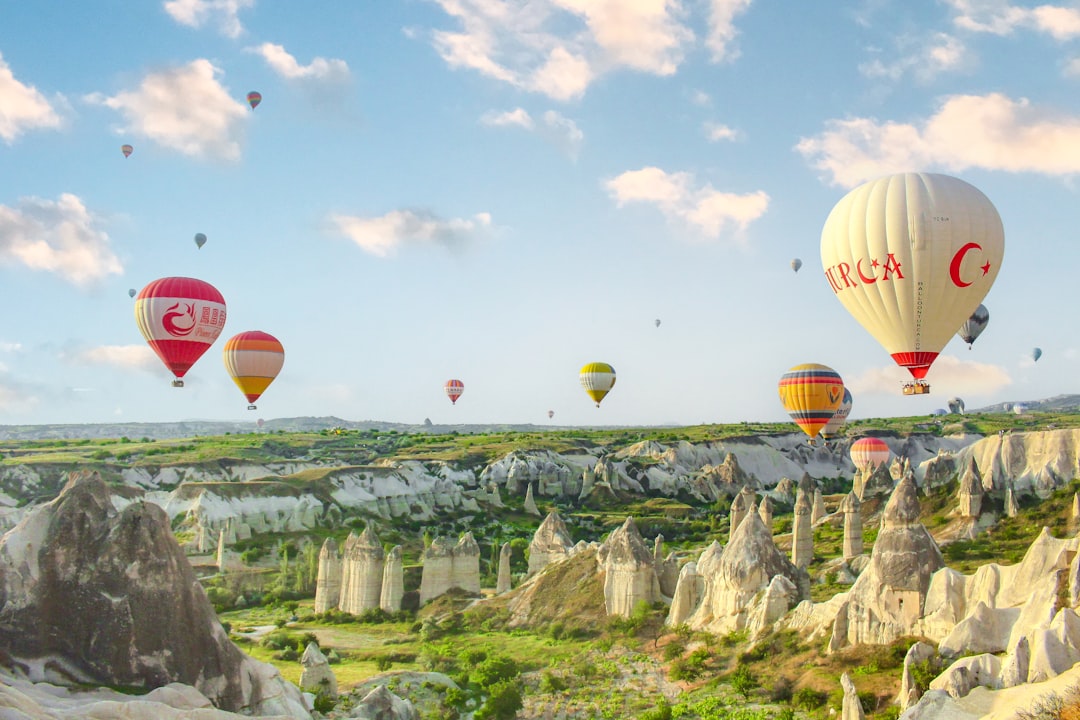
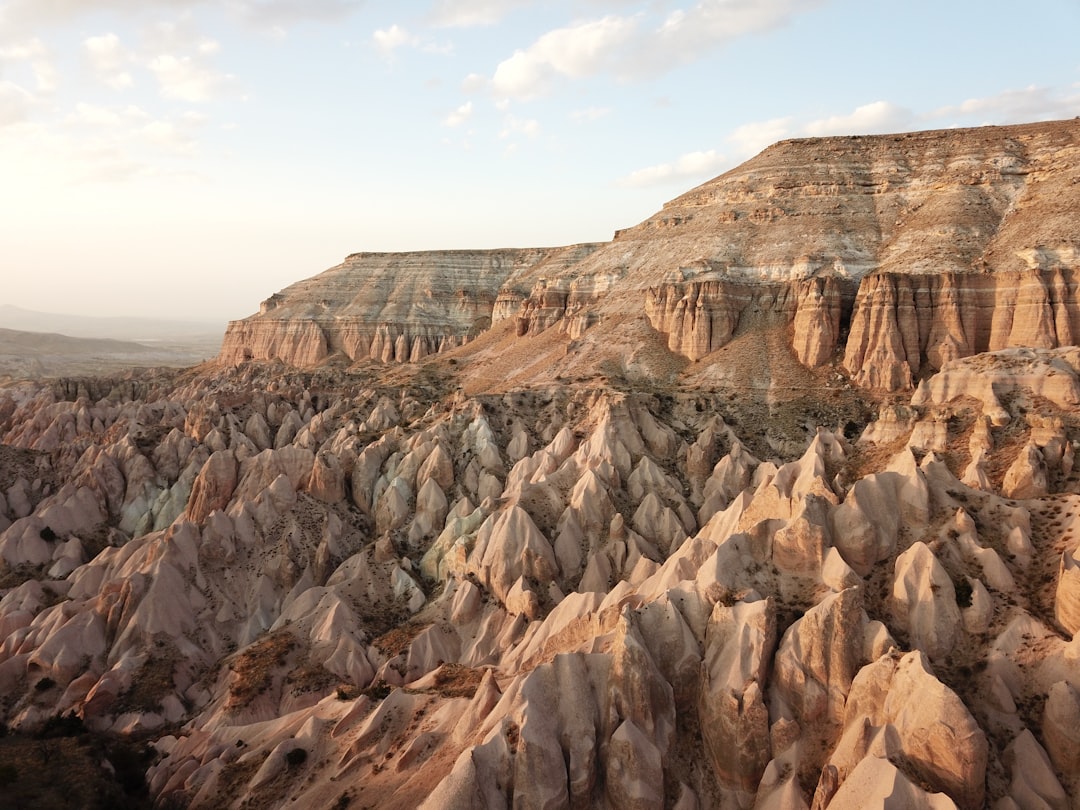
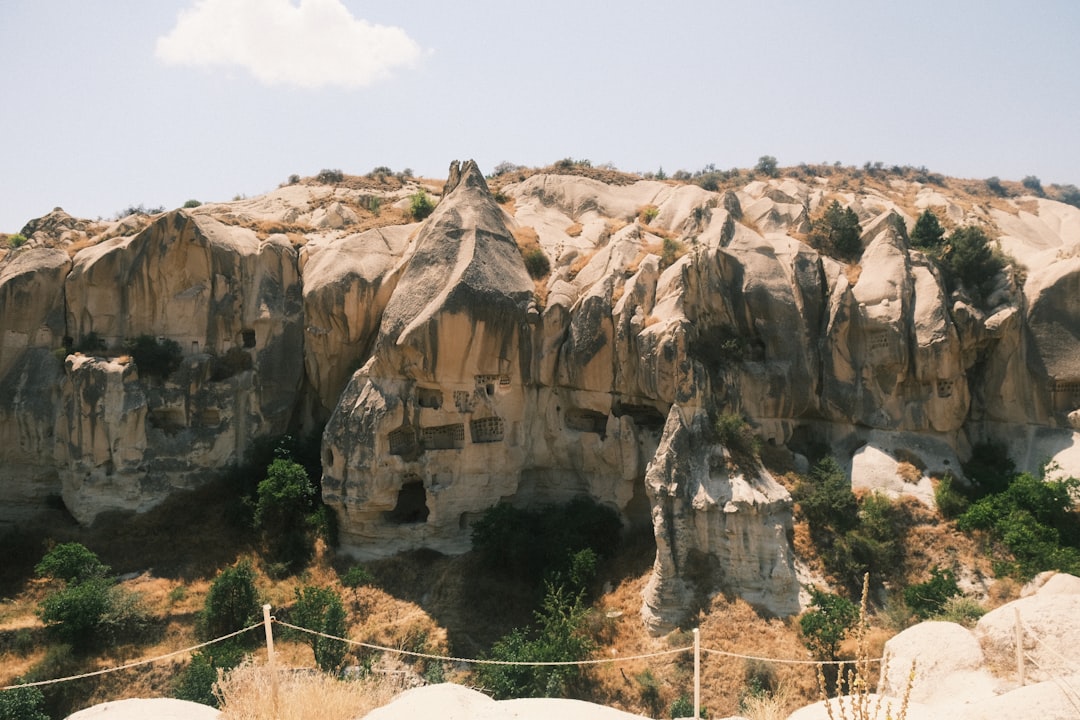
Cappadocia’s landscape tells a story spanning millennia. Volcanic eruptions millions of years ago sculpted the soft tuff rock that characterizes the region. Wind and water erosion further carved the landscape into the surreal shapes we see today. These geological wonders, combined with human ingenuity, have created a unique cultural landscape. Early Christians, seeking refuge from persecution, carved churches and monasteries into the soft rock, adorning them with stunning frescoes. Later, communities constructed elaborate underground cities, providing shelter during times of invasion. Understanding the significance of this history is the first step in appreciating the importance of its preservation.
- Geological Significance: The unique rock formations, including fairy chimneys, valleys, and cliffs, are a testament to natural processes spanning millions of years.
- Historical Significance: The region’s history as a refuge for early Christians, evidenced by the rock-cut churches and monasteries, holds immense religious and cultural importance.
- Cultural Significance: The blending of natural beauty with human ingenuity, seen in the cave dwellings, underground cities, and traditional villages, creates a cultural landscape of unparalleled value.
Threats to Cappadocia’s Heritage
Despite its enduring beauty, Cappadocia faces numerous threats that jeopardize its heritage. These threats stem from both natural processes and human activities.
Natural Erosion and Weathering
The soft tuff rock that forms Cappadocia’s landscape is susceptible to erosion from wind and water. This natural process, while responsible for the region’s unique formations, also poses a threat to the stability of rock-cut structures. Weathering, caused by temperature fluctuations and precipitation, further weakens the rock, leading to collapses and damage to frescoes.
Tourism and Development
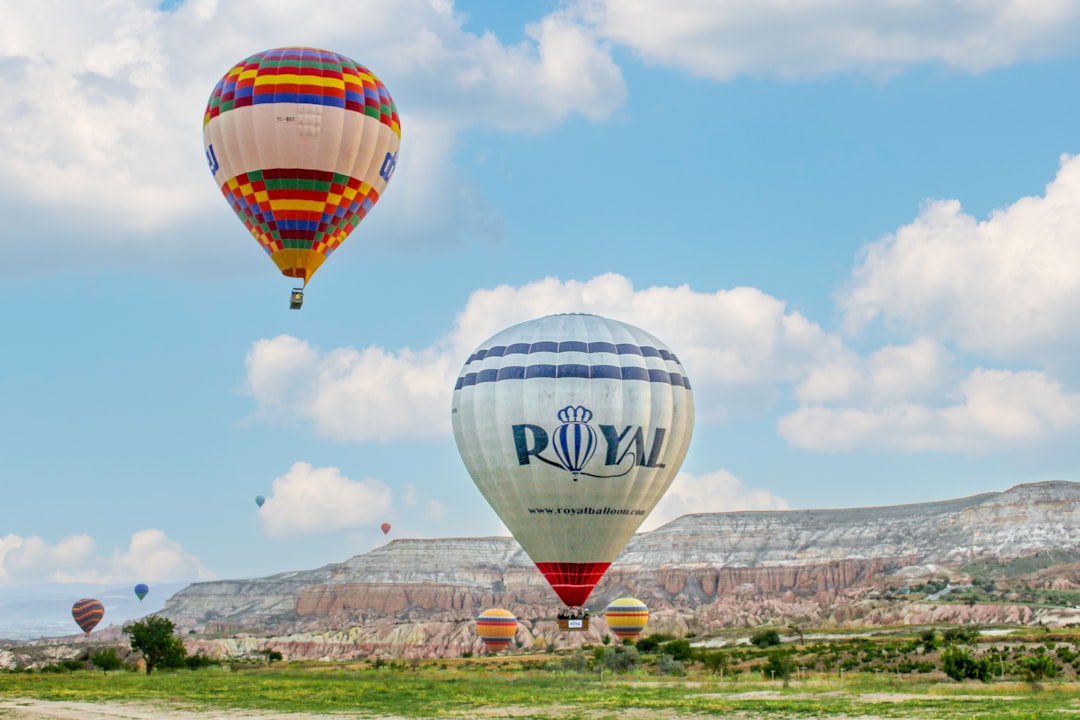
The increasing popularity of Cappadocia as a tourist destination brings economic benefits but also poses challenges. Uncontrolled development, including the construction of new hotels and infrastructure, can disrupt the landscape and damage historical sites. The sheer volume of tourists visiting the region can also contribute to the wear and tear of fragile structures, particularly inside rock-cut churches and underground cities.
Vandalism and Neglect
Unfortunately, some historical sites have suffered from vandalism, with graffiti and damage to frescoes. Neglect, stemming from a lack of awareness or resources, can also lead to the deterioration of cultural heritage. This is particularly true for lesser-known sites that may not receive the same level of protection as more popular attractions.
Agricultural Practices
Traditional agricultural practices, while contributing to the region’s cultural landscape, can also pose a threat to heritage sites. The use of heavy machinery can damage the fragile terrain, and the application of fertilizers and pesticides can contaminate the soil and water, potentially affecting the stability of rock-cut structures.
Preservation Initiatives: Protecting Cappadocia’s Treasures
Recognizing the importance of safeguarding Cappadocia’s heritage, various organizations and institutions are involved in preservation efforts. These initiatives encompass a range of strategies, including conservation, restoration, and sustainable tourism development.
UNESCO World Heritage Status
Cappadocia was designated a UNESCO World Heritage Site in 1985, recognizing its outstanding universal value. This designation provides international recognition and support for preservation efforts. UNESCO works with local authorities to develop management plans and implement conservation strategies. The World Heritage status helps raise awareness of Cappadocia’s heritage and encourages responsible tourism.
Conservation and Restoration Projects
Numerous conservation and restoration projects are underway to protect and repair damaged historical sites. These projects involve stabilizing rock formations, repairing frescoes, and consolidating structures. Expert conservators use specialized techniques to preserve the integrity of the original materials while ensuring the long-term stability of the sites.
Sustainable Tourism Development
Sustainable tourism is crucial for balancing the economic benefits of tourism with the need to protect Cappadocia’s heritage. This involves promoting responsible travel practices, managing visitor flows, and supporting local communities. Encouraging tourists to visit lesser-known sites and stay in locally owned accommodations can help distribute the economic benefits of tourism more equitably and reduce the pressure on popular attractions.
Research and Documentation
Ongoing research and documentation are essential for understanding the history and condition of Cappadocia’s heritage sites. Archaeological surveys, historical research, and digital documentation provide valuable information for conservation and management planning. This information helps prioritize conservation efforts and develop effective strategies for protecting the region’s cultural heritage.
Community Involvement and Education
Engaging local communities in preservation efforts is crucial for their success. Educating residents and visitors about the importance of Cappadocia’s heritage can foster a sense of stewardship and encourage responsible behavior. Supporting local initiatives, such as traditional crafts and cultural events, can also help preserve the region’s cultural identity.
Specific Examples of Preservation Efforts
Several specific examples illustrate the dedication to preserving Cappadocia’s heritage.
Göreme Open Air Museum
The Göreme Open Air Museum, a UNESCO World Heritage Site, is a prime example of ongoing conservation efforts. This complex of rock-cut churches and monasteries features stunning frescoes that are meticulously restored and protected. Visitors can explore these historical treasures while learning about their significance. The museum employs conservation specialists who work to maintain the structural integrity of the churches and preserve the delicate frescoes from further damage. Guided visits are available to provide visitors with in-depth information about the history and art of the site.
Kaymakli Underground City
The Kaymakli Underground City, one of the largest underground settlements in Cappadocia, is another site undergoing preservation efforts. The city’s complex network of tunnels and chambers is being stabilized and made accessible to visitors. These efforts include reinforcing walls, improving lighting, and providing interpretive signage. The ongoing preservation work aims to protect the historical integrity of the city while allowing visitors to experience its unique atmosphere.
Restoration of Frescoes
The restoration of frescoes in Cappadocia’s rock-cut churches is a delicate and time-consuming process. Expert conservators use specialized techniques to clean and stabilize the frescoes, revealing their original colors and details. This work requires a deep understanding of the materials and techniques used by the original artists. The restored frescoes provide valuable insights into the art and religious beliefs of the early Christians who inhabited the region.
How You Can Contribute to Preservation Efforts
As a visitor to Cappadocia, you can play an important role in preserving the region’s heritage.
Respect the Environment
Be mindful of your impact on the environment. Avoid littering, stay on marked trails, and do not disturb the natural landscape. The delicate tuff rock is easily damaged, so it’s essential to tread lightly and avoid climbing on unstable formations.
Support Sustainable Tourism
Choose accommodations and local operators that are committed to sustainable tourism practices. Look for businesses that prioritize environmental protection and support local communities. Consider staying in cave hotels that have been carefully renovated to preserve their historical character.
Be a Responsible Traveler
Follow the rules and guidelines set by museums and historical sites. Do not touch frescoes or other artifacts, and refrain from taking flash photography, which can damage delicate surfaces. Be respectful of local customs and traditions, and dress modestly when visiting religious sites.
Spread Awareness
Share your experiences in Cappadocia with others and raise awareness about the importance of preservation efforts. Encourage your friends and family to visit the region responsibly and support sustainable tourism. You can also donate to organizations that are dedicated to preserving Cappadocia’s heritage.
Consider Cappadocia Taxi for Reliable Transportation
When exploring Cappadocia, choosing a reliable and professional transportation service is crucial. Cappadocia Taxi offers comfortable and safe airport taxi rides from Kayseri and Nevsehir airports, as well as transportation to various sites throughout the region. Their English-speaking drivers are knowledgeable about the area and can provide valuable insights into Cappadocia’s history and culture. By choosing Cappadocia Taxi, you can support a local business that is committed to providing excellent service to visitors.
The Future of Cappadocia’s Heritage
The future of Cappadocia’s heritage depends on continued preservation efforts, responsible tourism, and community involvement. By working together, we can ensure that this extraordinary region remains a treasure for generations to come. The ongoing commitment to conservation, restoration, and sustainable development will be crucial for safeguarding Cappadocia’s unique geological formations, historical sites, and cultural traditions. By promoting responsible tourism practices, educating visitors and residents, and supporting local initiatives, we can help preserve the magic of Cappadocia for future generations.
Cappadocia is more than just a tourist destination; it is a living testament to the power of nature and the ingenuity of humankind. By embracing our responsibility as stewards of this remarkable heritage, we can ensure that its beauty and significance endure for centuries to come.