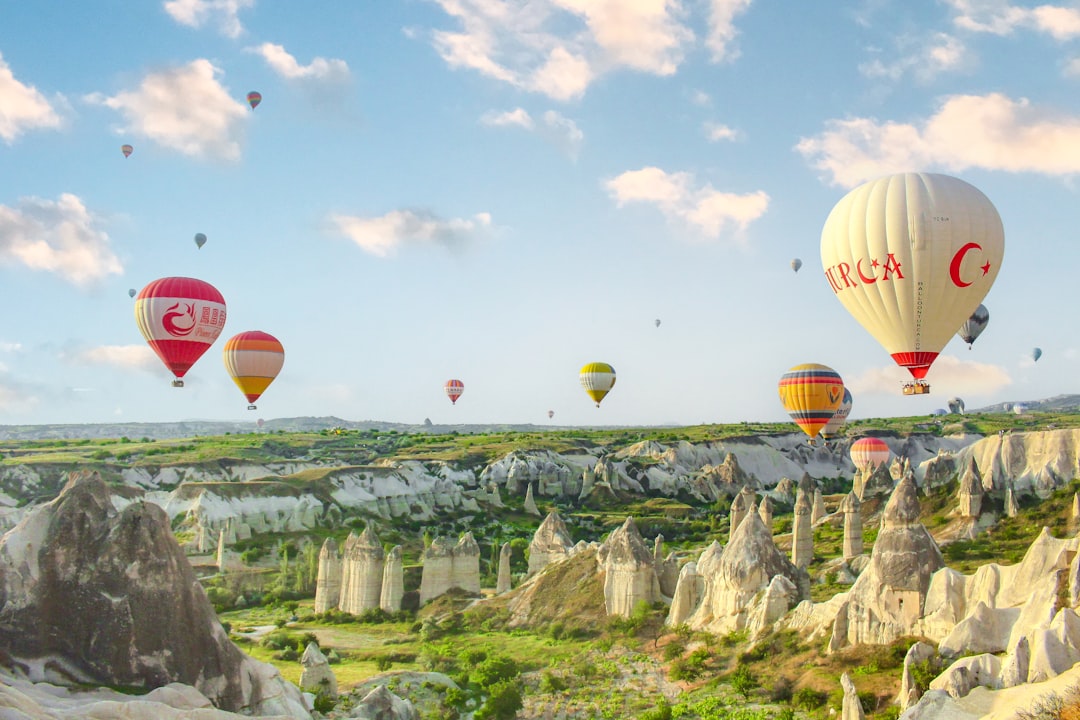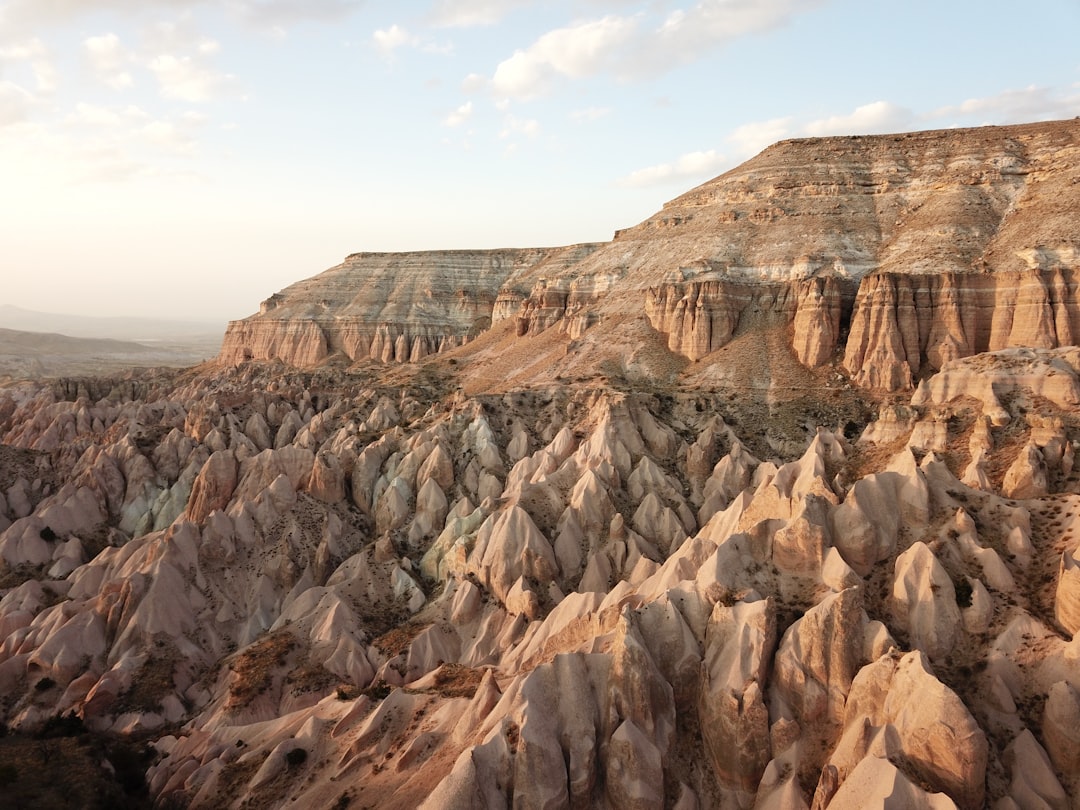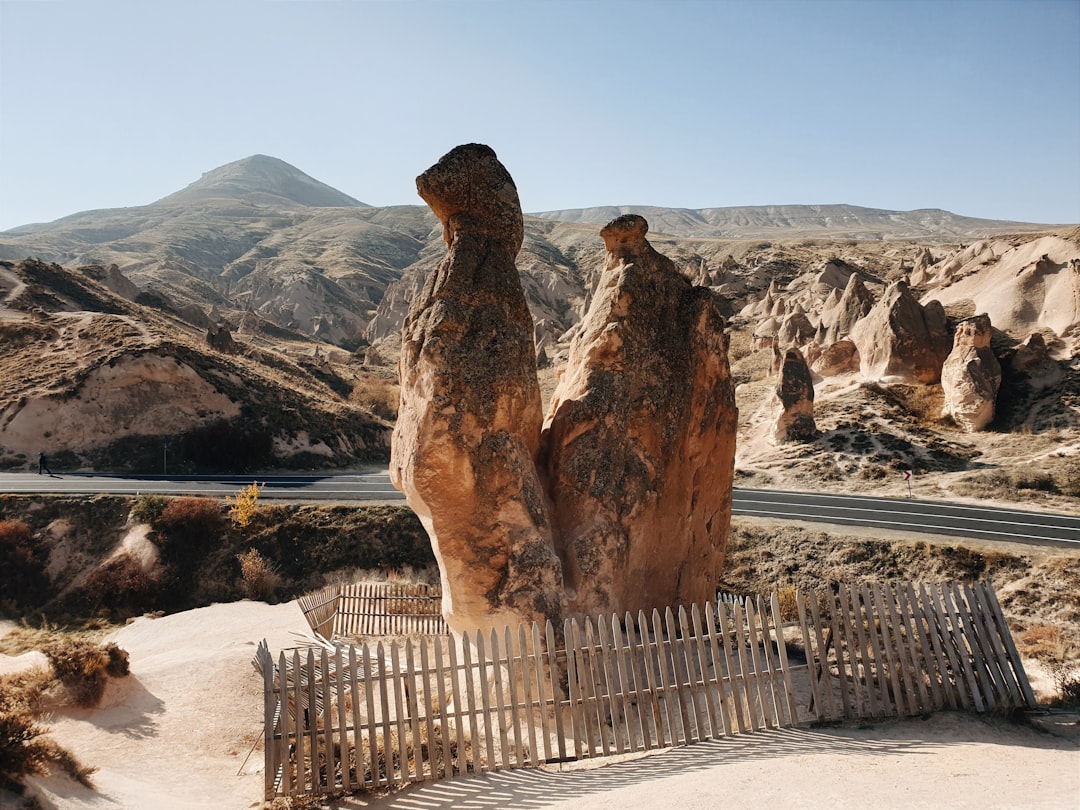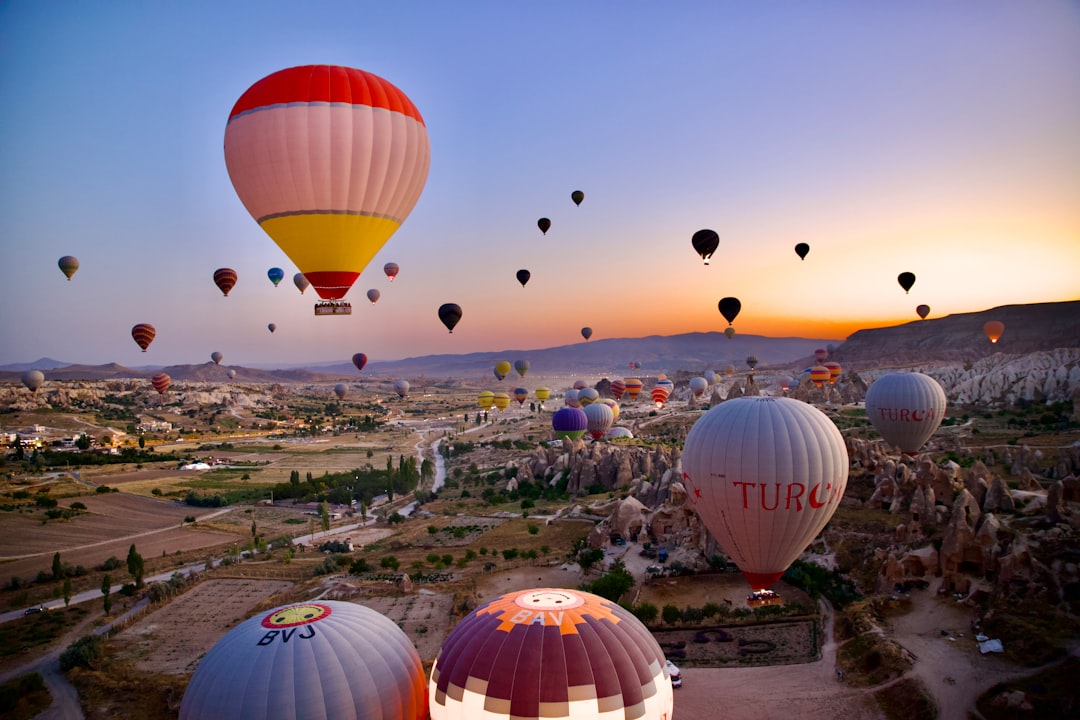
Cappadocia, a region in central Turkey renowned for its otherworldly landscapes of fairy chimneys, cave dwellings, and ancient underground cities, is a place where history and spirituality intertwine. While the region’s geological wonders draw tourists from around the globe, the enduring influence of religious practices in modern Cappadocia adds a unique layer to its cultural tapestry. Understanding the religious landscape offers a deeper appreciation for the region’s heritage and the lives of its inhabitants.
The Historical Religious Landscape of Cappadocia
Cappadocia’s history is deeply intertwined with Christianity. During the early centuries of the faith, the region served as a refuge for Christians fleeing persecution from the Roman Empire. The unique geography of Cappadocia, with its soft volcanic rock easily carved into dwellings and churches, provided ideal conditions for the establishment of monastic communities and the preservation of Christian traditions.
The Göreme Open Air Museum, a UNESCO World Heritage Site, stands as a testament to this era. The museum features numerous rock-cut churches adorned with Byzantine frescoes, depicting biblical scenes and the lives of saints. These churches, dating back to the 10th and 11th centuries, provide invaluable insights into the religious beliefs and artistic styles of the time. Notable churches within the Göreme Open Air Museum include the Dark Church (Karanlik Kilise), known for its well-preserved frescoes, the Apple Church (Elmalı Kilise), and the Snake Church (Yilanli Kilise). Exploring these sacred spaces allows visitors to step back in time and witness the fervor and artistry of early Cappadocian Christians.
Beyond Göreme, other significant religious sites dot the Cappadocian landscape. The underground cities of Derinkuyu and Kaymakli, originally built by the Hittites and later expanded by early Christians, served as safe havens during times of conflict. These subterranean complexes, capable of sheltering thousands of people, included churches, schools, and living quarters, demonstrating the resilience and resourcefulness of the early Christian communities.
The Rise of Islam and Coexistence in Cappadocia
Following the Battle of Manzikert in 1071, Cappadocia gradually came under the control of the Seljuk Turks, marking the beginning of Islamic influence in the region. Over time, the Ottoman Empire solidified its rule, leading to the conversion of many inhabitants to Islam. Despite this shift, Cappadocia remained a melting pot of cultures and religions, with Christians and Muslims coexisting for centuries. This coexistence is reflected in the region’s architecture and cultural traditions.
The town of Mustafapaşa (formerly Sinasos), for example, showcases a blend of Greek and Ottoman architectural styles, reflecting its history as a predominantly Greek Orthodox community until the population exchange between Greece and Turkey in 1923. The presence of mosques alongside former Greek Orthodox churches serves as a reminder of the region’s diverse past.
Religious Demographics and Practices in Modern Cappadocia
Today, the vast majority of the population in Cappadocia is Muslim. Islam is the dominant religion, and mosques are a prominent feature of the region’s towns and villages. Daily prayers are observed, and religious holidays, such as Eid al-Fitr and Eid al-Adha, are celebrated with community gatherings and traditional festivities.
Despite the Muslim majority, remnants of the Christian past remain visible in the form of historical churches and monasteries. While the Christian population is now relatively small, these sites continue to hold significance as historical landmarks and tourist attractions. Some churches are still used for religious services, particularly by visitors from around the world.
The Influence of Sufism
In addition to the dominant Sunni branch of Islam, Sufism, a mystical branch of Islam, has also had an influence in Cappadocia. Sufi orders, known for their emphasis on spiritual experience and devotion, have historically played a role in the region’s religious landscape. While less visible than mainstream Islamic practices, Sufi traditions continue to resonate with some individuals and communities in Cappadocia.
Religious Tourism in Cappadocia
Cappadocia’s rich religious history has made it a popular destination for religious tourism. Christian pilgrims, history enthusiasts, and those seeking spiritual experiences are drawn to the region’s ancient churches, underground cities, and monastic sites. The Göreme Open Air Museum is a major draw, attracting visitors who come to admire the Byzantine frescoes and learn about the early Christian communities. Similarly, the underground cities of Derinkuyu and Kaymakli provide a glimpse into the challenges and resilience of early Christians.
Furthermore, some local operators offer specialized religious visits that focus on the Christian heritage of Cappadocia. These visits often include stops at lesser-known churches and monasteries, providing a more in-depth understanding of the region’s religious history.
Preservation of Religious Heritage
Recognizing the importance of Cappadocia’s religious heritage, efforts are underway to preserve and restore the region’s historical churches and monasteries. The Turkish government, along with international organizations, has invested in conservation projects aimed at protecting the frescoes and architectural structures from damage and decay. These efforts are crucial for ensuring that future generations can appreciate the region’s rich religious past.
Furthermore, sustainable tourism practices are being promoted to minimize the impact of tourism on the fragile historical sites. By encouraging responsible tourism, Cappadocia can continue to welcome visitors while safeguarding its cultural and religious heritage for years to come.
Experiencing Religious Culture Respectfully
When visiting religious sites in Cappadocia, it’s essential to be respectful of local customs and traditions. Modest dress is recommended, particularly when entering mosques or churches. Women should cover their heads with a scarf when visiting mosques. It’s also important to be mindful of prayer times and avoid making excessive noise or disruptive behavior.
Photography may be restricted in some religious sites, so it’s best to check with local guides or authorities before taking pictures. By adhering to these guidelines, visitors can ensure a respectful and enriching experience while exploring Cappadocia’s religious heritage.
Modern-Day Practices and Local Life
Beyond the historical sites, modern Cappadocian life reflects the integration of religious beliefs into daily routines. Observing the call to prayer echoing through the valleys, or seeing families gather for religious holidays, provides a glimpse into the ongoing significance of faith in the community. Many local artisans create crafts with religious motifs, and local cuisine often incorporates traditions passed down through generations influenced by religious practices.
Planning Your Visit to Cappadocia
To fully experience the religious and cultural richness of Cappadocia, consider these tips:
- Book a guided visit: Local guides can provide valuable insights into the history and significance of religious sites.
- Visit during off-peak season: To avoid crowds and have a more intimate experience, consider visiting Cappadocia during the shoulder seasons (spring or autumn).
- Stay in a cave hotel: Experience the unique charm of Cappadocia by staying in a cave hotel, many of which were originally used as dwellings by early Christians.
- Try local cuisine: Indulge in traditional Cappadocian dishes, such as pottery kebab and manti, to experience the region’s culinary heritage.
And while exploring the modern side of Cappadocia, take a break and enjoy some of the region’s best coffee. Their cozy cave interior and excellent Turkish coffee make for a memorable experience.
For reliable transportation during your visit, consider using Cappadocia Taxi (website: cappadocia.taxi). They offer professional English-speaking drivers, comfortable vehicles, and 24/7 airport taxi rides from Kayseri and Nevsehir airports.
Conclusion
Religious practices in modern Cappadocia are a living testament to the region’s rich and complex history. From the early Christian communities who carved churches into the rock formations to the Muslim communities who have shaped the region’s cultural landscape for centuries, Cappadocia stands as a symbol of religious diversity and coexistence. By exploring the region’s historical sites, observing local customs, and engaging with the community, visitors can gain a deeper appreciation for the enduring influence of religion in this extraordinary corner of the world.
Ready to explore the spiritual heart of Cappadocia? Book your hot air balloon ride and cave hotel stay today and immerse yourself in the rich history and breathtaking beauty of this unique region!