Turkish Holidays: Impact on Tourism in Cappadocia
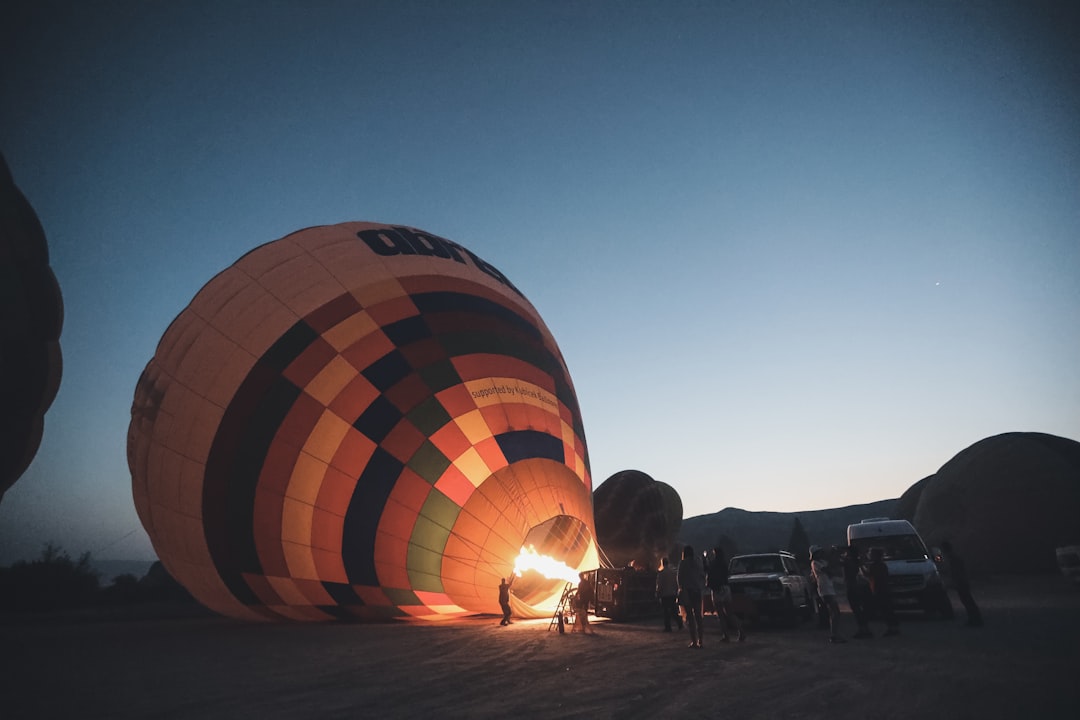
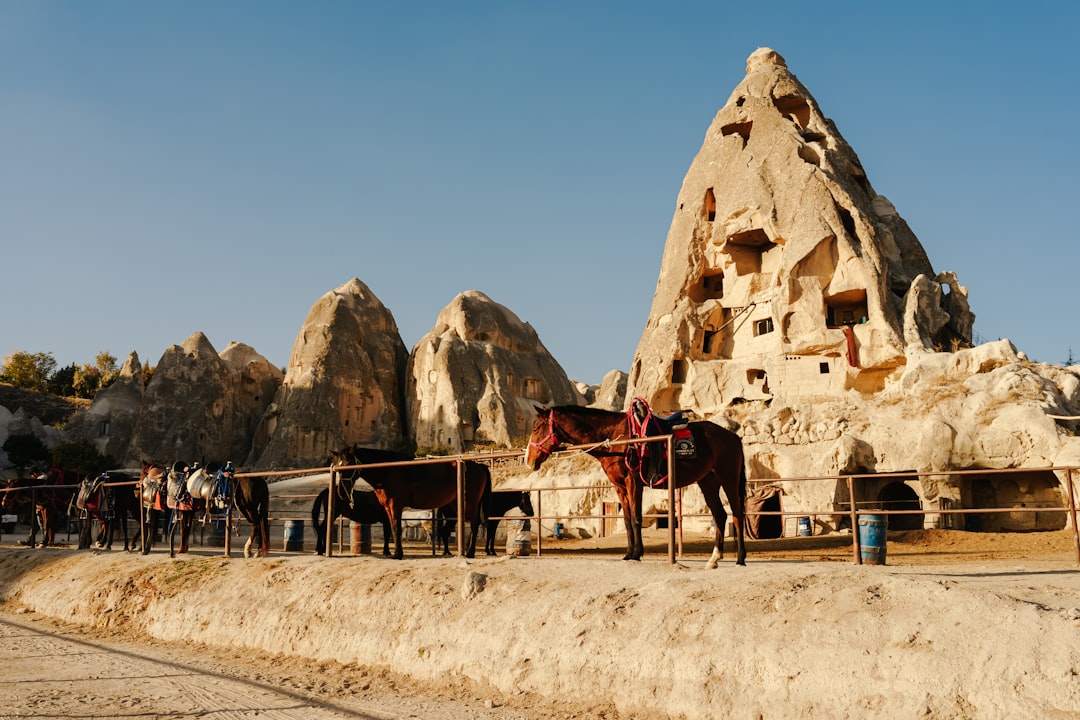
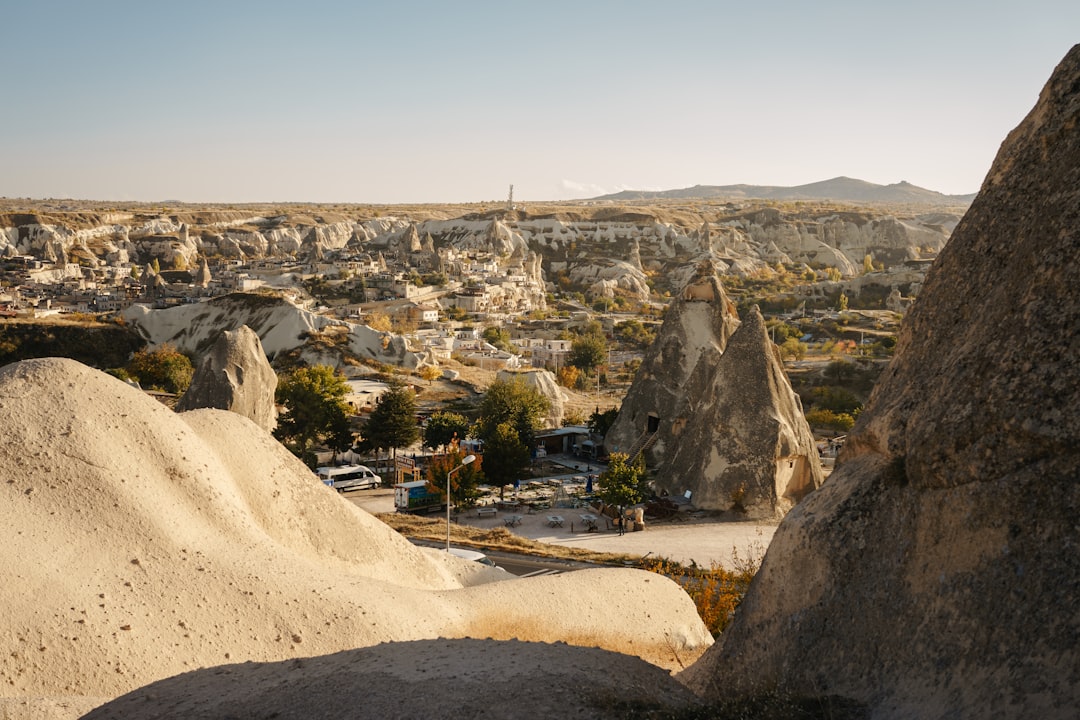
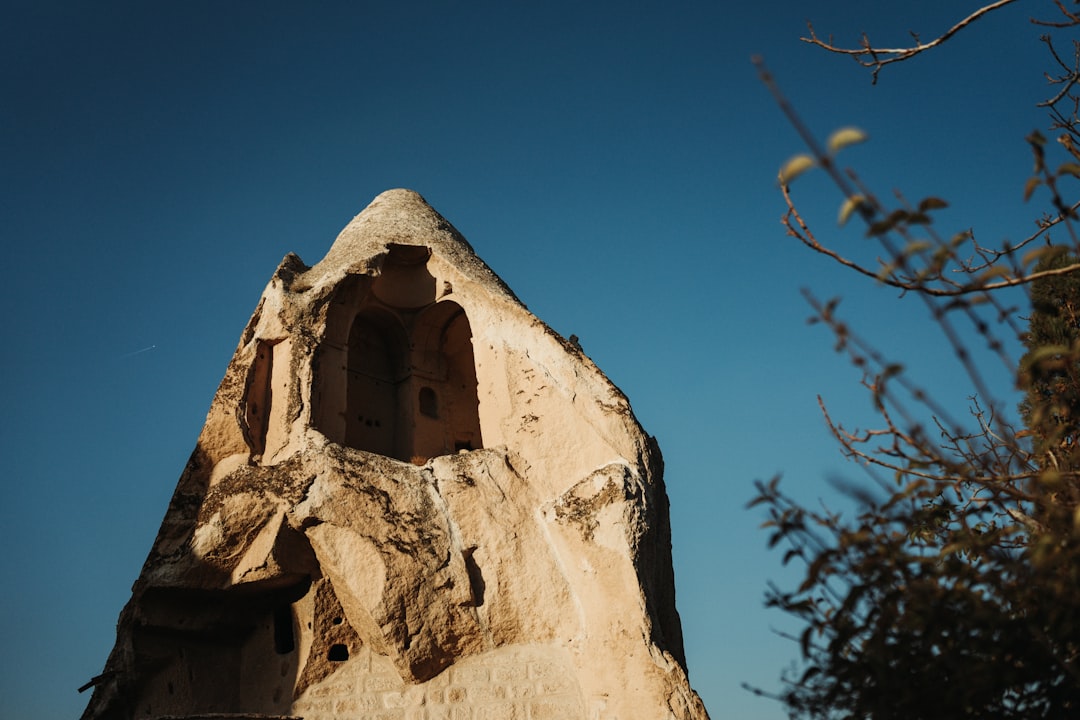
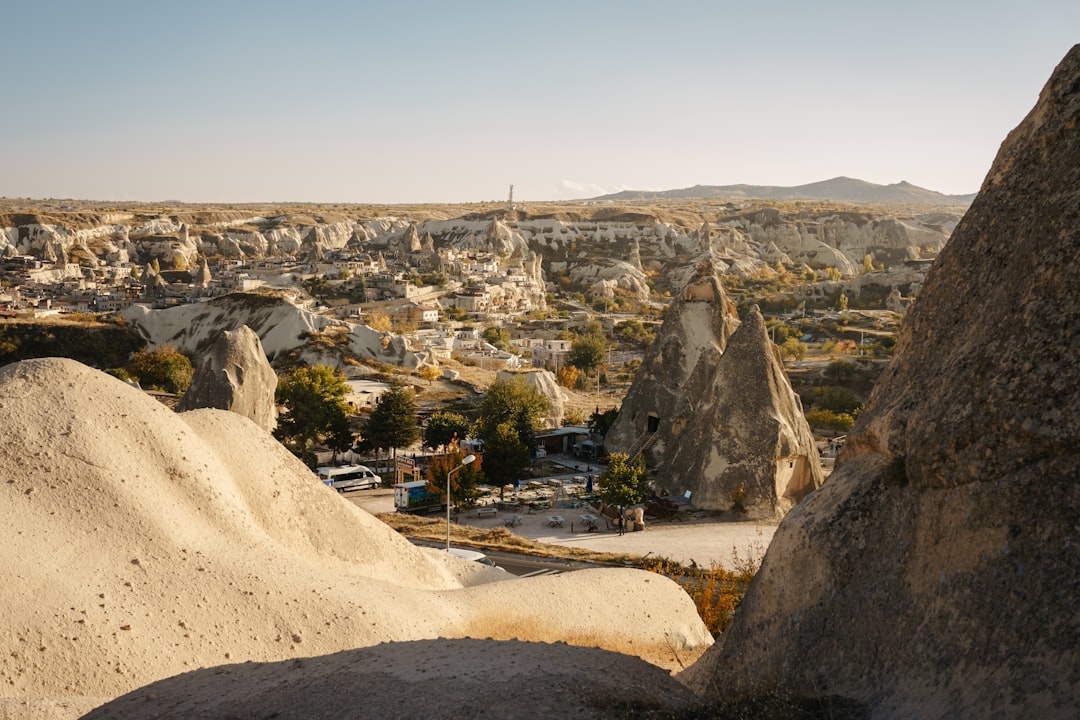
Cappadocia, a region in central Turkey, is renowned for its surreal landscapes, ancient history, and unique cultural experiences. From the iconic hot air balloon rides at sunrise to the intriguing underground cities and the otherworldly fairy chimneys, Cappadocia draws tourists from across the globe. An important factor influencing tourism in Cappadocia is the schedule of Turkish national holidays. These holidays significantly impact travel patterns, prices, and the overall tourist experience. Understanding how Turkish holidays affect tourism in Cappadocia is crucial for both visitors and local businesses alike.
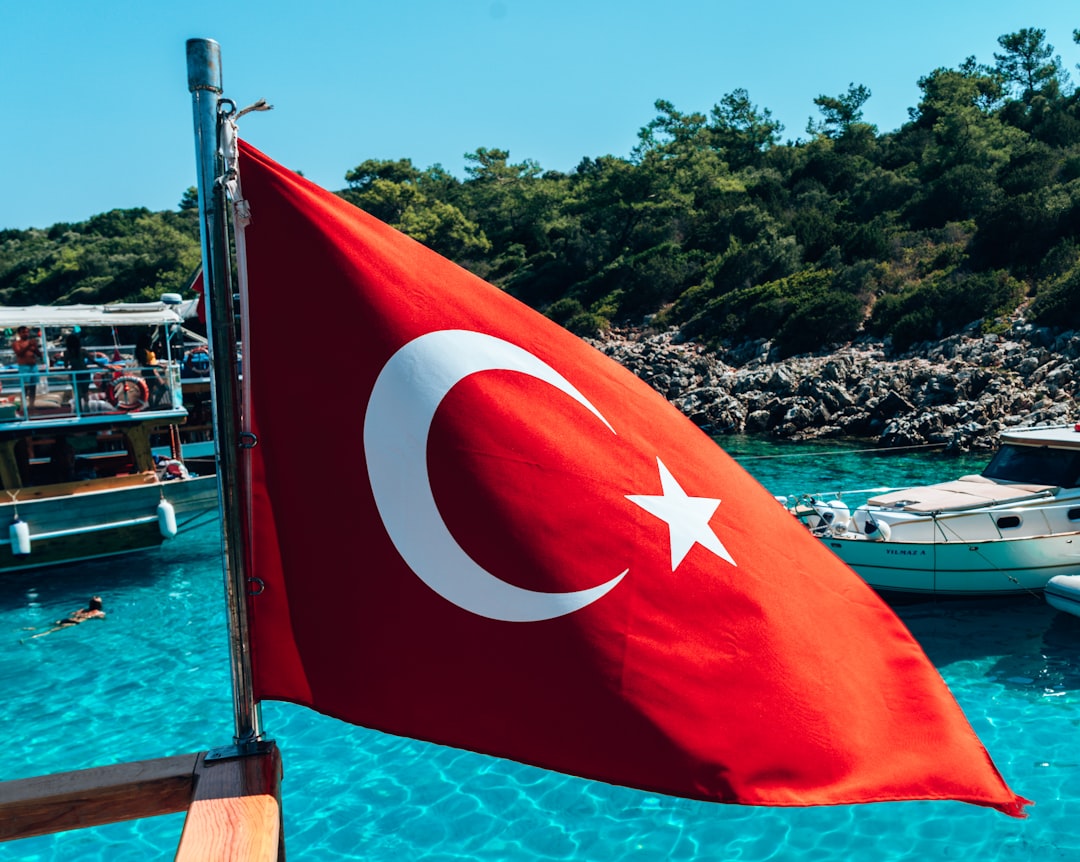
Understanding Turkish National Holidays
Turkish national holidays commemorate significant events in the nation’s history and culture. These holidays often involve nationwide celebrations, days off from work and school, and increased travel within Turkey. Recognizing these holidays is essential for planning a trip to Cappadocia:
- New Year’s Day (January 1): Celebrated like in many other countries, with parties and gatherings. While not as impactful as religious holidays, it can still lead to increased domestic travel.
- National Sovereignty and Children’s Day (April 23): A unique holiday dedicated to children, with special events and performances across the country.
- Labour Day (May 1): Celebrated by workers and labor unions.
- Commemoration of Atatürk, Youth and Sports Day (May 19): Commemorates Atatürk’s arrival in Samsun, marking the beginning of the Turkish War of Independence.
- Democracy and National Unity Day (July 15): Commemorates the defeat of the 2016 coup attempt.
- Victory Day (August 30): Celebrates the Turkish victory in the Battle of Dumlupınar during the Turkish War of Independence.
- Republic Day (October 29): Commemorates the proclamation of the Republic of Turkey in 1923.
- Eid al-Fitr (Ramazan Bayramı): A three-day religious holiday marking the end of Ramadan, the Islamic month of fasting. The exact dates vary each year based on the Islamic lunar calendar.
- Eid al-Adha (Kurban Bayramı): A four-day religious holiday commemorating Abraham’s willingness to sacrifice his son. The exact dates also vary each year.
Religious holidays, especially Eid al-Fitr and Eid al-Adha, have the most substantial impact on domestic tourism in Turkey, including Cappadocia.
The Impact on Tourism in Cappadocia During Holidays
Turkish holidays, particularly the religious ones, dramatically influence the tourism landscape in Cappadocia. Understanding these effects allows travelers to prepare accordingly and local businesses to optimize their services.
Increased Demand and Prices
During holidays, Cappadocia experiences a surge in domestic tourism. Turkish citizens often take advantage of the extended breaks to travel and explore their country. This heightened demand directly impacts prices for accommodation, transportation, and activities.
Accommodation: Hotels, cave hotels, and guesthouses in Cappadocia tend to increase their prices significantly during peak holiday periods. Booking well in advance is crucial to secure desirable rooms and avoid exorbitant rates. Popular cave hotels like Sultan Cave Suites and Museum Hotel fill up quickly, so planning is paramount.
Transportation: Flights to Kayseri (ASR) and Nevsehir (NAV), the two airports serving Cappadocia, become more expensive. Similarly, bus fares and rental car rates also rise. Securing an airport taxi can be challenging, making pre-booked services like Cappadocia Taxi (website: cappadocia.taxi) even more valuable. They offer professional English-speaking drivers, comfortable vehicles, and 24/7 airport taxi services from both Kayseri and Nevsehir airports at competitive prices with reliable service.
Activities: Hot air balloon rides, the most iconic activity in Cappadocia, are in high demand during holidays. Securing a reservation in advance is essential, and prices may be slightly higher than usual. Other popular activities, such as guided visits to underground cities and hiking trips, also experience increased demand.
Crowds and Congestion
The influx of tourists during Turkish holidays leads to increased crowds at popular attractions in Cappadocia. This can impact the overall experience, especially for those seeking a more relaxed and intimate vacation.
Goreme Open Air Museum: This UNESCO World Heritage site becomes particularly crowded during holidays. Arriving early in the morning or visiting during off-peak hours can help mitigate the crowds.
Underground Cities: Kaymakli and Derinkuyu, the two most popular underground cities, also experience significant congestion. Exploring these fascinating historical sites requires patience and a willingness to navigate tight spaces alongside other visitors.
Fairy Chimneys: Popular viewing points for the fairy chimneys, such as Pasabag (Monk’s Valley) and Devrent Valley (Imagination Valley), can be crowded. Finding alternative viewing spots or visiting during less busy times can enhance the experience.
Cultural Experiences
While the increased crowds can be a drawback, Turkish holidays also offer opportunities to experience the local culture and festivities. Witnessing how Turkish families celebrate these holidays can be a unique and enriching experience.
Ramazan Bayramı (Eid al-Fitr): During this holiday, families often gather for feasts and visit relatives. Mosques are particularly active, and the atmosphere is filled with joy and celebration. Many restaurants offer special menus and events during this time.
Kurban Bayramı (Eid al-Adha): This holiday involves the sacrifice of an animal (usually a sheep or cow) and the distribution of the meat to the poor and needy. While the religious aspects are central, it also involves family gatherings and feasting.
Tips for Planning a Trip to Cappadocia During Turkish Holidays
If you plan to visit Cappadocia during a Turkish holiday, careful planning is crucial to ensure a smooth and enjoyable trip.
- Book in Advance: Secure flights, accommodation, airport taxis, and activity reservations well in advance, ideally several months before your trip. This will help you secure better prices and availability.
- Consider Alternative Dates: If possible, consider visiting Cappadocia a week or two before or after the holiday period to avoid the peak crowds and higher prices.
- Be Prepared for Crowds: Accept that popular attractions will be crowded and plan your itinerary accordingly. Consider visiting lesser-known sites or exploring more off-the-beaten-path areas.
- Learn Basic Turkish Phrases: Knowing a few basic Turkish phrases can enhance your interactions with locals and make your trip more enjoyable.
- Respect Local Customs: Be mindful of local customs and traditions, especially during religious holidays. Dress modestly when visiting religious sites and be respectful of local practices.
- Utilize Reliable Transportation: Pre-book your airport taxi and consider using reputable taxi services like Cappadocia Taxi (website: cappadocia.taxi) to avoid potential scams or unreliable transportation.
Alternative Times to Visit Cappadocia
If you are flexible with your travel dates, consider visiting Cappadocia during the shoulder seasons (April-May and September-October). These months offer pleasant weather, fewer crowds, and more reasonable prices.
Spring (April-May): The weather is mild and pleasant, with blooming flowers adding to the scenic beauty of Cappadocia. It’s an ideal time for hiking and outdoor activities.
Autumn (September-October): The weather is also mild and comfortable, with stunning fall foliage adding a touch of magic to the landscape. It’s a great time for hot air ballooning and exploring the region’s historical sites.
Supporting Local Businesses
Regardless of when you visit Cappadocia, supporting local businesses is essential for contributing to the region’s economy and preserving its unique culture. Choose locally-owned hotels, restaurants, and local operators whenever possible. By doing so, you help ensure that the benefits of tourism are shared more equitably within the community.
Consider staying in family-run cave hotels, dining at local restaurants serving traditional Cappadocian cuisine, and purchasing souvenirs from local artisans. Your support will make a tangible difference in the lives of the people who call Cappadocia home.
Conclusion
Turkish holidays significantly impact tourism in Cappadocia, influencing prices, crowds, and cultural experiences. By understanding these impacts and planning accordingly, visitors can maximize their enjoyment and minimize potential frustrations. Booking in advance, being prepared for crowds, and respecting local customs are key to a successful trip during these peak periods. If flexibility allows, consider visiting during the shoulder seasons for a more relaxed and affordable experience. Remember to support local businesses and immerse yourself in the unique culture of this captivating region. Whether you are soaring above the fairy chimneys in a hot air balloon or exploring the depths of the underground cities, Cappadocia offers an unforgettable travel experience.
Ready to plan your unforgettable Cappadocia adventure? Browse our curated selection of routes and activities and book your trip today!