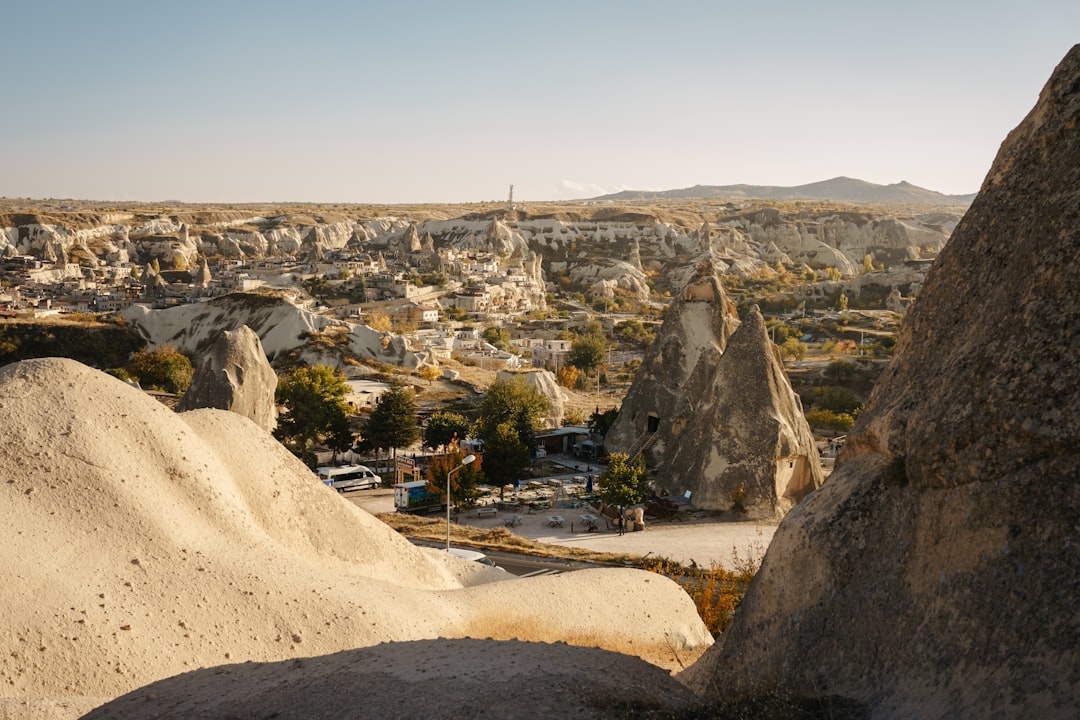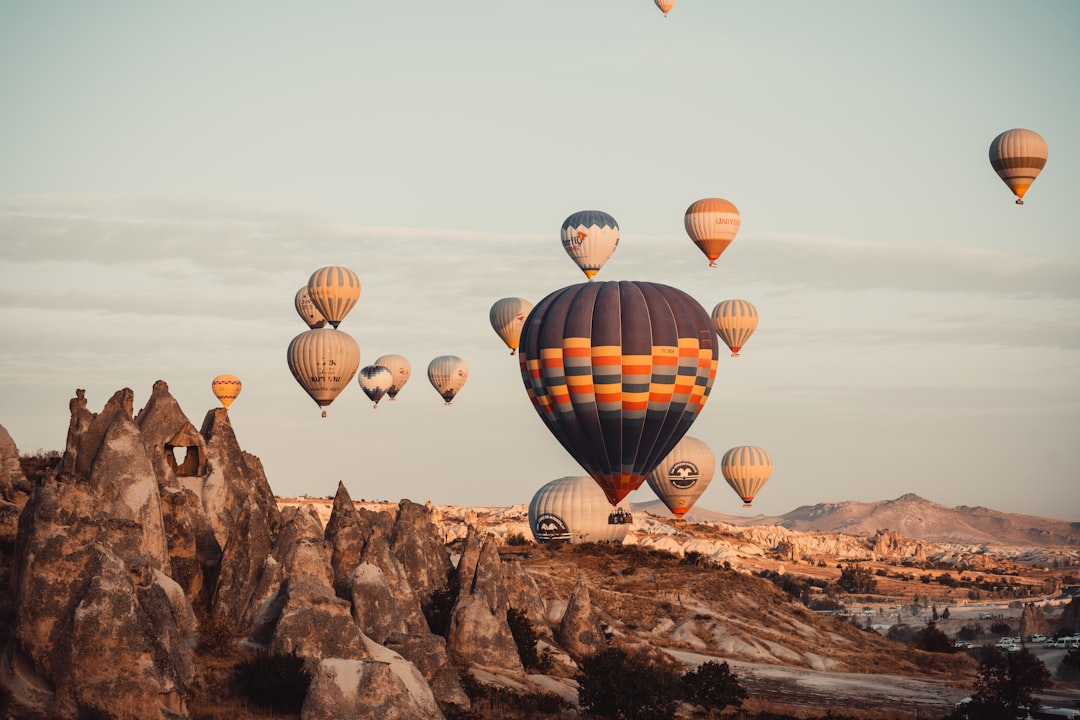
Long before the first sightseeing bus wound its way through the Rose Valley, the twisted spires of Cappadocia were alive with story. The volcanic forces that sculpted these landscapes produced formations so strange that the human mind reached instinctively for the supernatural. Fairy chimneys, cave churches, underground labyrinths: to the people who lived among them, these were not curiosities. They were addresses — places where spirits dwelled, where saints performed miracles, where the boundary between the seen and unseen grew thin. What follows is a journey through the myths and legends that still haunt Cappadocia's valleys — older, stranger, and far more interesting than most guidebooks admit.
The Peri and Fairy Chimney Spirits
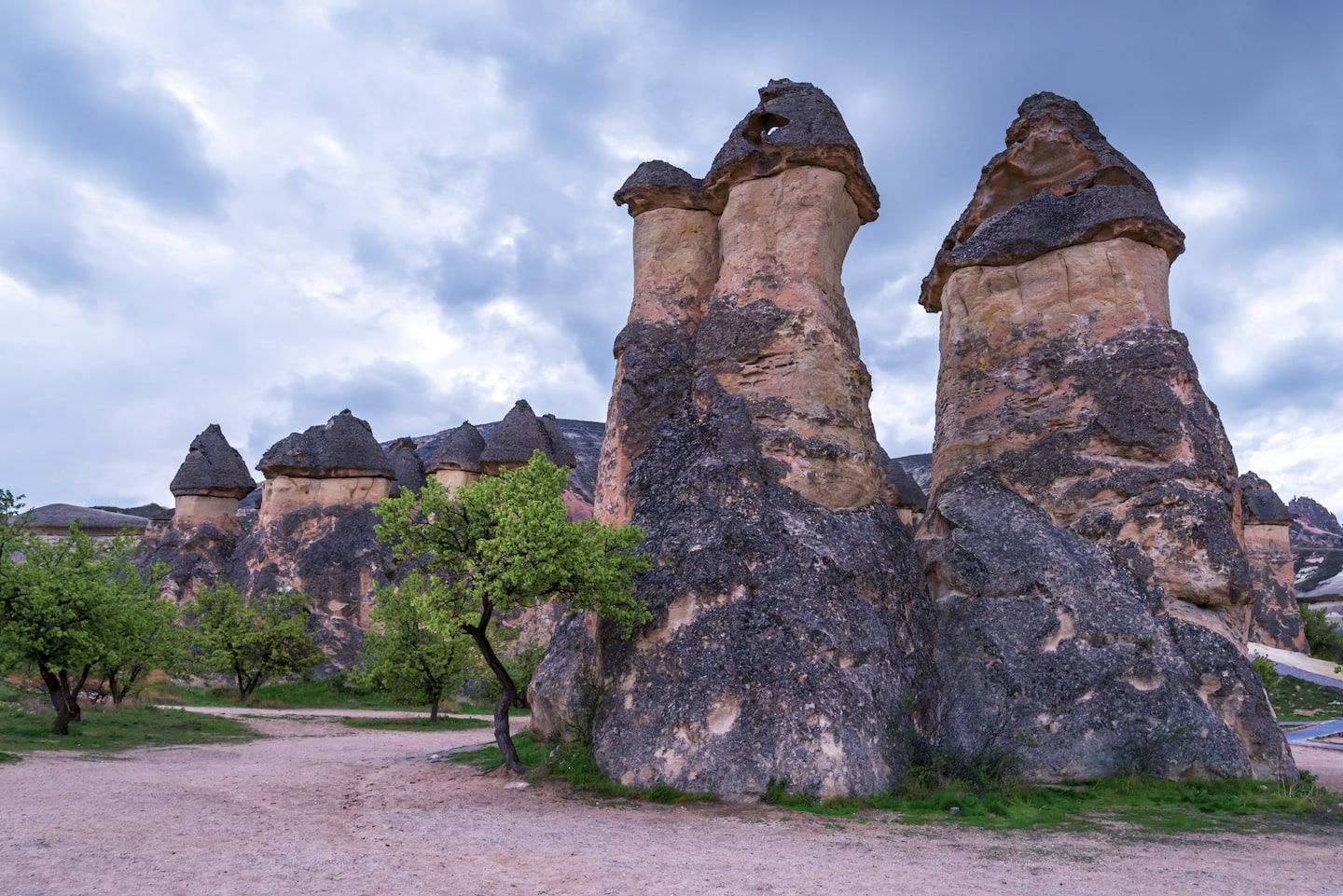
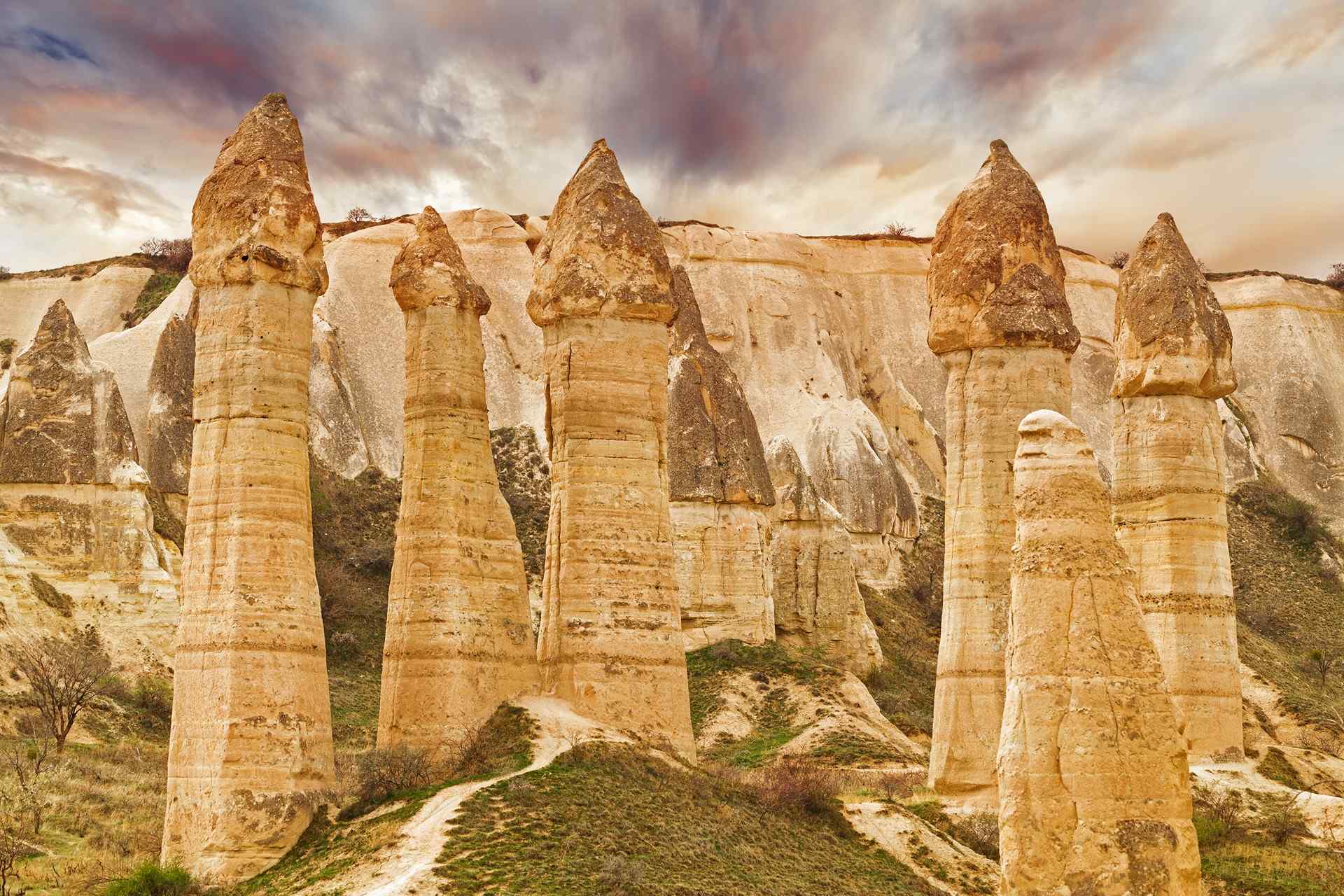
The Turkish phrase for fairy chimney is peri bacası — literally, 'fairy's chimney.' This is not a poetic flourish invented for tourism brochures. It reflects a deep current in Anatolian folk belief: the conviction that peri, supernatural beings somewhere between fairy and spirit, inhabit liminal places — caves, springs, remote hilltops, and above all the eerily human-shaped volcanic spires scattered across Cappadocia.
In traditional belief, peri are neither fully benevolent nor fully malevolent. They are powerful, capricious, and intensely territorial. A chimney with a 'cap' — the distinctive darker capstone balancing on many spires — was considered especially charged. The cap indicated that the peri dwelling inside had a proper home, making it more established and considerably more dangerous to disturb. Villagers historically avoided sleeping alone near prominent chimneys after dark. The whistle of wind through a rock formation was interpreted as peri speech. This folk wariness encoded a practical respect for the landscape — teaching newcomers that these formations, however beautiful, were not playthings.
The Red Valley and the Vampire Legend
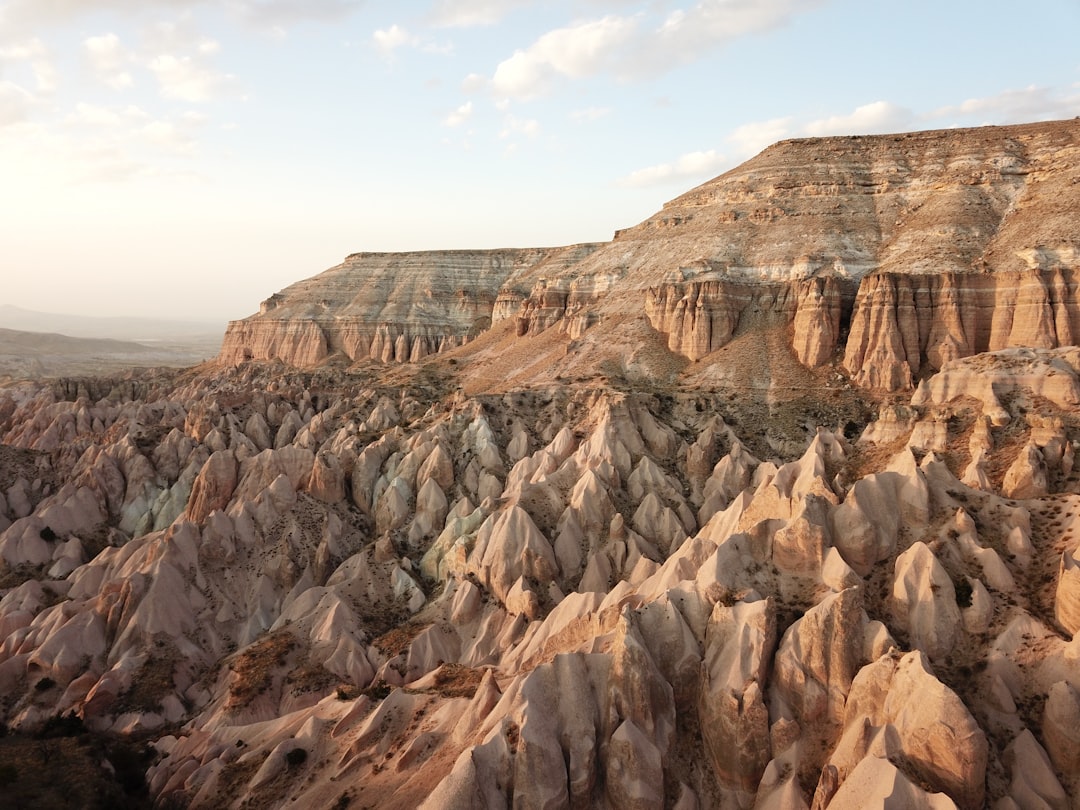
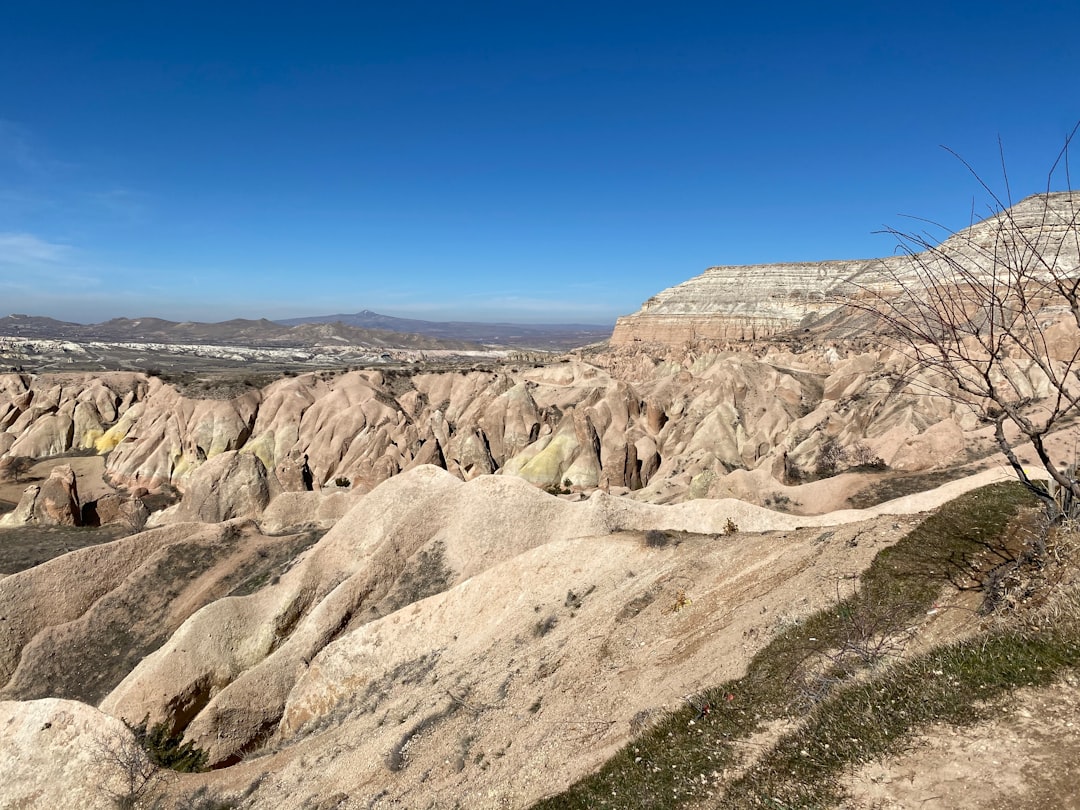
The Red Valley earns its name honestly. At sunset, the iron-rich tuff becomes the colour of cooling embers — a deep, arterial red that photographers chase from the Sunset Hill viewpoint above Çavuşin. But long before photographers, this colour had a different kind of audience.
Before Islam reached deeply into Anatolia, the region held shamanic beliefs in which certain blood-drinking spirits could inhabit the landscape itself. Red rock was associated with transformation — the space between life and death, between one state and another. Local oral tradition preserved echoes of this worldview long after formal conversion: stories circulated about presences in the Red Valley that were hungry in an unsettling, specific way. Over centuries this mythology migrated. The blood-spirit of shamanic belief fused with arriving folk traditions from the Balkans and the broader Islamic world, eventually settling into a form recognisable as the vampire tale. Cappadocia's version is distinctly local: the transformation stories are tied to the rock itself, to the redness of the valley, to the idea that the landscape absorbs and transforms what enters it.
The Legend of the Dragon's Valley
Devrent Valley — sometimes called Imagination Valley — is where geological whimsy reaches its peak. Among the formations, visitors regularly identify a camel, a dolphin, a seated figure. Local tradition holds that every formation has a name and a story, and that seeing the shapes is not imagination but memory — a recognition of something that actually happened here.
The dominant legend concerns a dragon. In the version most commonly told around Ürgüp, a great dragon terrorised the valley, demanding tribute from farming villages and fouling the water sources with its passage. No warrior could defeat it. Eventually a Sufi saint walked into the valley carrying nothing but prayer beads and faith. He confronted the dragon not with a sword but with a single utterance of divine name — and the dragon froze mid-roar, turned to stone. The rock formation you can see today, locals say, is the dragon. It is still frozen. This story reflects a wider Anatolian pattern: the Sufi mystic as the being who domesticates the wild and dangerous, converting brute supernatural force into something permanent and harmless.
Haji Bektash Veli and Miraculous Caves
Of all the saints associated with Cappadocia, Haji Bektash Veli stands tallest. This 13th-century Sufi mystic founded the Bektashi order and is said to have performed a catalogue of miracles: he tamed lions, split rocks, turned stones into bread for the hungry, calmed rivers in flood.
The caves around the town of Hacıbektaş are attributed with healing power. For centuries, pilgrims have made the journey to touch certain stones, to drink from specific springs, and to tie cloth ribbons to the branches of trees near his shrine. These ribbons represent wishes and prayers — a practice mixing Islamic piety with something far older, the Anatolian tradition of leaving a physical token at a sacred place to mark your passage and your hope. What is striking about Haji Bektash's legend is its inclusivity: the Bektashi tradition was historically open to Christians, Jews, and heterodox Muslims alike. In Cappadocia, where Byzantine cave churches sit metres from Ottoman mosques, this seems fitting. The landscape has always made room for more than one story.
Underground Cities and the Giants
Derinkuyu and Kaymakli are the most famous of Cappadocia's underground cities — multi-storey subterranean complexes capable of sheltering tens of thousands of people, with ventilation shafts, wells, wine cellars, and churches carved from living rock. Archaeologists attribute them to various periods of Anatolian history, used as refuges during invasion and persecution. Local legend took a different view.
Some villagers attributed the underground cities to giants — beings of impossible strength who carved the rock with their bare hands when the world was younger. Others credited djinn: the powerful supernatural entities of Islamic tradition, who needed no tools and no light to work stone. Both explanations share a common logic: no ordinary human effort could account for what exists underground. The rolling stone doors — circular millstone-like barriers rolled from inside to seal a corridor — inspired their own stories: tales of unwary travellers who entered seeking treasure, only for the doors to roll shut behind them. Whether djinn, trap, or simply engineering, the image of a corridor sealing itself in darkness lodged in folk memory.
Weather Omens and the Farming Calendar
Not all of Cappadocia's folk knowledge involves supernatural beings. Some of it is intensely practical — the accumulated meteorological wisdom of farming communities who lived for centuries at the mercy of a continental climate where the difference between a good harvest and a failed one was a matter of timing.
The fairy chimneys served as informal weather instruments. Farmers observed their caps in the early morning: moisture condensing on the capstone, a quality of haze around the spire, the direction from which wind moved between formations. 'If the cap is wet at morning, rain by noon' is one such formulation — the elevated capstone condensing atmospheric moisture before lower surfaces, giving advance warning. Mount Erciyes, the great volcanic peak visible on clear days from much of Cappadocia, held more ancient significance still. In Hittite times the mountain was understood as a divine presence — a god-mountain whose moods determined weather across the plain. That status faded formally with successive religions but persisted in the way farmers spoke about Erciyes: with a respect that went beyond acknowledging a geographical feature.
Where to Experience the Myths Today
Cappadocia's mythological landscape is still accessible, if you know where to look.
- Hacıbektaş Shrine: The Bektashi complex receives pilgrims year-round. The courtyards, the tomb, and the surrounding caves carry the weight of centuries of folk belief. Ribbons still flutter on the wishing trees.
- Devrent (Imagination) Valley: A guided walk here with a knowledgeable local guide brings the dragon legend to life. The frozen dragon shape is identifiable from the southern approach.
- Wish Hill above Ürgüp: A modest hilltop site where locals have historically left offerings and stones marked with prayers — less visited than the major sites and more intimate.
- Göreme Open Air Museum: The cave churches preserve Byzantine frescoes that existed in conversation with the surrounding folk beliefs . The juxtaposition of Christian iconography and peri landscape is worth contemplating.
- Cave restaurant evenings in Göreme and Ürgüp: Several venues host storytelling evenings in shoulder season — ask your accommodation for a local recommendation rather than relying on booking platforms.
- Local History Museum, Göreme: Small but well-curated, with material on agricultural traditions and folk practices including weather-reading and festival customs.
Explore the legend-rich valleys by private taxi — use the Cappadocia taxi price calculator to plan your route between Devrent Valley, Hacıbektaş, and the underground cities without the guesswork.
Frequently Asked Questions
Why are the rock formations called fairy chimneys?
The Turkish name peri bacası — fairy chimney — comes from pre-Islamic Anatolian folk belief in peri, spirit beings thought to inhabit powerful or unusual places. The chimneys' uncanny shapes, particularly those with cap stones, were believed to be the homes of these spirits. The name reflects centuries of lived mythology, not modern marketing.
Are there real supernatural or ghost stories from Cappadocia?
Yes, and they are more interesting than generic ghost stories. The Red Valley holds traditions connected to blood-spirit beliefs that predate Islam in the region. Underground cities like Derinkuyu have legends about self-closing doors and djinn guardians. Devrent Valley holds the dragon-turned-to-stone tale attributed to a Sufi saint. These are genuinely local narratives rooted in the specific landscape.
Where is the best place to hear local legends from residents rather than tourist guides?
Cave restaurants in Göreme and Ürgüp that run storytelling evenings are one option — ask your accommodation to recommend one with an actual local host. The Hacıbektaş shrine attracts pilgrims who carry oral tradition directly. The village of Çavuşin, smaller and less touristed than Göreme, has older residents with strong connections to the farming-era folk wisdom including the weather-reading traditions of the fairy chimneys.