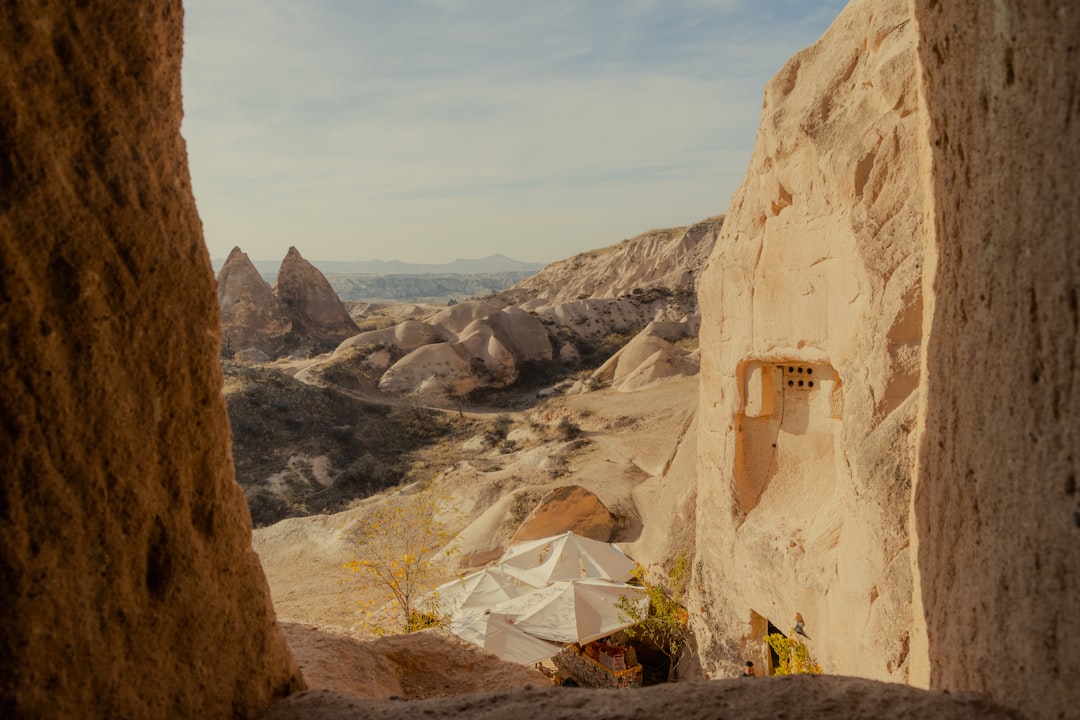
Turkey is the world's largest per-capita consumer of tea — not coffee, not wine, but çay, the small tulip-shaped glass of amber liquid that appears on every desk, in every carpet shop, and at every family gathering across the country. To travel in Turkey without engaging with çay culture is to miss something essential. And nowhere does tea feel more cinematic than in Cappadocia, where cave tea houses glow amber against volcanic tuff walls and terrace gardens spill over fairy-chimney ridgelines.
The Turkish Tea Culture — Why It Matters
The first thing to understand is the glass itself. Turkish tea is never served in a mug. It arrives in a tulip-shaped glass — slender at the waist, wider at the rim — so you can hold it by the upper edge without burning your fingers. This is not an accident of design; it is a statement of intent. Çay is meant to be sipped slowly, cradled, extended. The glass is small because refills are assumed.
The social architecture around çay is just as deliberate. When you enter a shop in Cappadocia's Göreme bazaar, a tea will materialise before any prices are discussed. This is not a sales trick — or not only a sales trick. Offering tea signals hospitality, equality, and a willingness to spend time. Refusing it can feel abrupt. Accepting it commits you to nothing except conversation.
The çay bahçesi — tea garden — is the outdoor extension of this culture. Turkey's çay bahçeleri are public living rooms: shaded courtyards strung with fairy lights where generations of men (and increasingly mixed crowds) play backgammon, watch football on muted screens, and nurse successive glasses through the afternoon. In Cappadocia the gardens have a dramatic advantage — they are often perched above valleys that look like the surface of another planet.
Turkey's tea comes overwhelmingly from the Rize province on the Black Sea coast, where terraced gardens produce the Çaykur cooperative brand found in every grocery and hotel. Picking runs from May to October — the high-altitude July harvest is considered the finest. The best tea, locals will tell you, stays home.
How Turkish Tea Is Served
The double-boiler method — çaydanlık — is non-negotiable in Turkish tea culture. A large lower kettle brings water to a rolling boil. A smaller pot sits on top, brewing a near-black concentrate of loose leaf tea. When your glass arrives, the server ladles concentrate from the top pot, then dilutes it from the bottom with boiling water. The ratio is yours to decide.
- Açık (light): more water, golden amber — chosen by those who want the flavour without the caffeine punch
- Orta (medium): the standard balance, a warm reddish-brown
- Koyu / demli (dark/steeped): heavy on concentrate, almost mahogany — what the regulars drink
Two cubes of beet sugar come on the saucer, though many Turks dissolve one cube against their teeth rather than in the glass — it prolongs the sweetness without making the tea cloying. There is no milk in Turkish tea. Suggesting it will earn you a patient smile. Refills appear without asking; declining one is the signal that you are finished.
Çay Gardens in Cappadocia
Cappadocia's tea culture is concentrated in three towns, each offering a distinct atmosphere.
Göreme has the most tourist-facing tea gardens, clustered around the main square. The best ones occupy terraces above street level with unobstructed views across the valley toward the Open-Air Museum rock formations. Morning tea here — ordered before the hot-air balloon wave lands around 8am — is one of Cappadocia's quieter pleasures.
Ürgüp's old quarter holds cave-interior çay houses carved directly into the tuff. These are darker, cooler, and more atmospheric than the terrace gardens — lantern-lit vaulted rooms where the rock walls are close enough to touch. Some serve nargile (hookah) alongside tea, a combination that traces back to Ottoman coffeehouse culture and remains a fixture at certain Cappadocian venues.
Avanos, the pottery town on the Kızılırmak River, has a line of riverside tea gardens where the red clay riverbank does most of the decorating. These spots tend to be quieter and more local-feeling than Göreme; it is not unusual to share a garden with a table of potters on a break.
A note on carpet shops: entering any serious carpet dealer sets a familiar sequence in motion — seat offered, tea poured, carpets unrolled. The tea is often genuinely good. The ritual is real even if the commercial stakes are too. You can enjoy the çay, admire the craft, and leave without buying.
Regional Tea Variations
Black tea dominates, but Turkey has a rich herbal tradition that surfaces in Cappadocia's tea menus — particularly at the more traditional çay houses.
- Adaçayı (sage tea): grown wild across the Anatolian plateau; earthy and slightly resinous, served with honey — very much a local drink
- Ihlamur (linden blossom): pale and floral, prescribed by Turkish grandmothers for colds and insomnia; widely available
- Papatya (chamomile): mild and familiar to most international visitors; served hot year-round
- Elma çayı (apple tea): the powdered, bright-red drink offered to tourists everywhere — not what locals drink, almost never real apple, but undeniably sweet and hard to dislike
- Nar (pomegranate tea): sharp and ruby-red, increasingly popular at tourist-facing cafes; better versions use actual pomegranate juice
A useful rule: if a tea house's menu leads with elma çayı, you are in a tourist venue. If it leads with Rize çayı or adaçayı, you are somewhere more local.
Turkish Coffee vs. Çay
Turkish coffee occupies a different social register. Çay is the daily lubricant — drunk three to four glasses at a time, all day, in every context. Coffee is the slower, more ceremonial option: a small copper cezve (pot) heated on sand or direct flame, poured unfiltered into a tiny cup, and sipped until the grounds settle. You do not rush Turkish coffee.
The grounds at the bottom are the basis of tasseography — Turkish coffee fortune-telling. After drinking, you invert the cup onto the saucer, let it cool, and a reader interprets the dried patterns. Even secular Turks rarely dismiss what the cup says. In Cappadocia, several cafes offer readings alongside their coffee service.
The Best Cafe Experiences in Cappadocia
For atmosphere and quality together, a few places stand out consistently.
King's Coffee Cappadocia in Göreme is the region's standout specialty coffee venue. Set in a cave-carved space with stone walls and atmospheric lighting, it has built a reputation around pistachio-based drinks — the pistachio latte and pistachio cream coffee in particular — that use real pistachios rather than syrup. The çay is proper Rize-source tea served in the right glassware. It is a good base for a mid-morning break after the Göreme Open-Air Museum and a natural stop before heading further into the valleys.
For rooftop terrace views, the gardens above Göreme's main square facing the valley offer the most dramatic backdrop — best visited late afternoon when the light hits the rock formations at a low angle. Ürgüp's old quarter rewards those willing to explore on foot: duck into side streets off the main bazaar to find cave çay houses with almost no signage and very good tea.
Moving between tea spots in Cappadocia's scattered towns is easier by taxi than on foot. To estimate taxi fares between Göreme, Ürgüp, and Avanos, check current fares on the Cappadocia Taxi price calculator before heading out.
How to Order Like a Local
A few phrases that will serve you well in any Cappadocian tea house:
- "Bir çay lütfen" — One tea, please (the baseline order)
- "Açık olsun" — Make it light (more water)
- "Koyu / demli olsun" — Make it dark / well-steeped
- "Adaçayı var mı?" — Do you have sage tea?
- "Teşekkür ederim" — Thank you (always appreciated after being served)
Tipping for tea is not a strong cultural expectation in Turkey — a small gesture of rounding up is courteous at a local çay house, but the tea itself is almost never overpriced, and a warm thank-you carries as much weight as a few extra lira. The most important thing is to slow down: çay culture rewards the visitor who is willing to sit, let the glass cool slightly, and watch Cappadocia go past.
Frequently Asked Questions
What is Turkish tea and why is it served in a special glass?
Turkish tea (çay) is a strong black tea brewed from loose leaves grown primarily in the Rize region on Turkey's Black Sea coast. It is served in a small tulip-shaped glass — narrow at the waist, wider at the rim — so the drinker can hold it by the top edge without burning their fingers while the bottom stays hot. The shape also allows you to see the tea's colour clearly, which helps gauge its strength before drinking.
Is apple tea actually Turkish?
Apple tea as most tourists encounter it — the bright red, very sweet powdered drink — is not a traditional Turkish beverage. It was developed specifically for the tourist trade and is rarely drunk by locals. Real Turkish tea is black tea from the Rize region. That said, Turkey does have a genuine herbal tea tradition including sage (adaçayı), linden blossom (ıhlamur), and chamomile (papatya), all of which are authentically Turkish and widely available in Cappadocia's tea houses.
How much does çay cost in Cappadocia?
Tea prices vary between local çay houses and tourist-facing cafes. At a traditional local tea garden, a glass is typically very affordable — one of the cheapest things you can buy in Turkey. Tourist venues in Göreme town centre tend to charge more, reflecting the setting and view. Specialty cafes offering herbal teas or premium loose-leaf brews sit at a higher price point still. Prices change frequently; always check the current menu on arrival rather than relying on published figures.