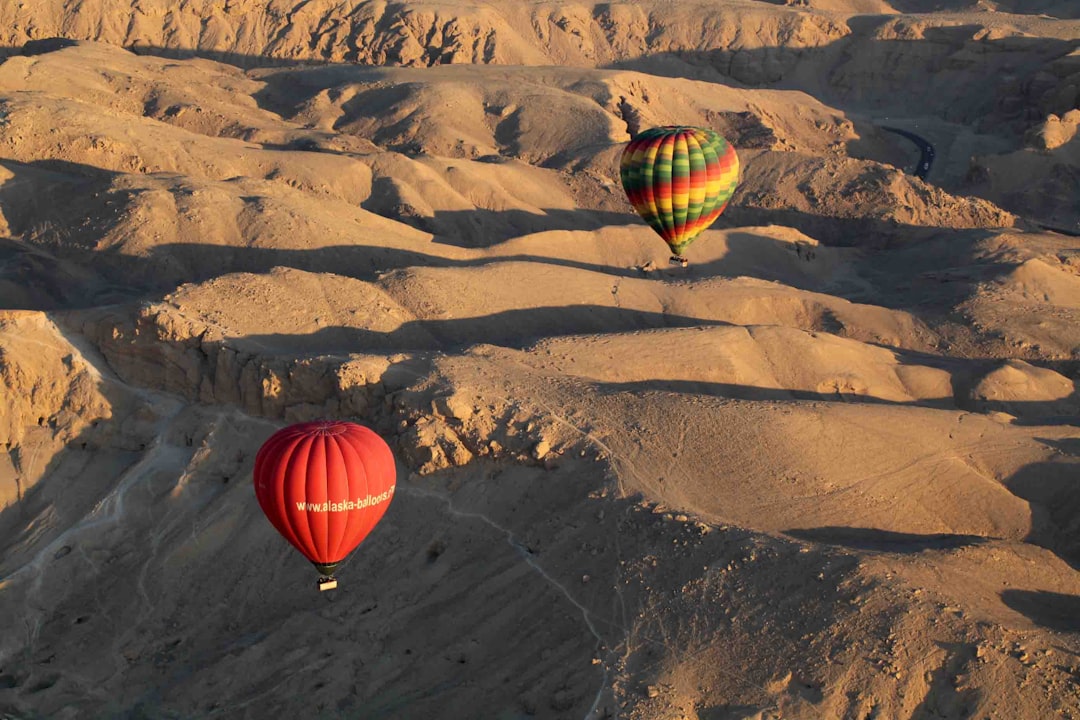
Hot air ballooning over Cappadocia sits near the top of millions of bucket lists — and for good reason. The combination of fairy chimney rock formations, the silence of a still dawn, and the slow ascent to 600 metres above one of the world's most surreal landscapes makes this one of the genuinely extraordinary travel experiences on earth. Here is everything you need to know before you book.
What Is the Cappadocia Balloon Experience Like?
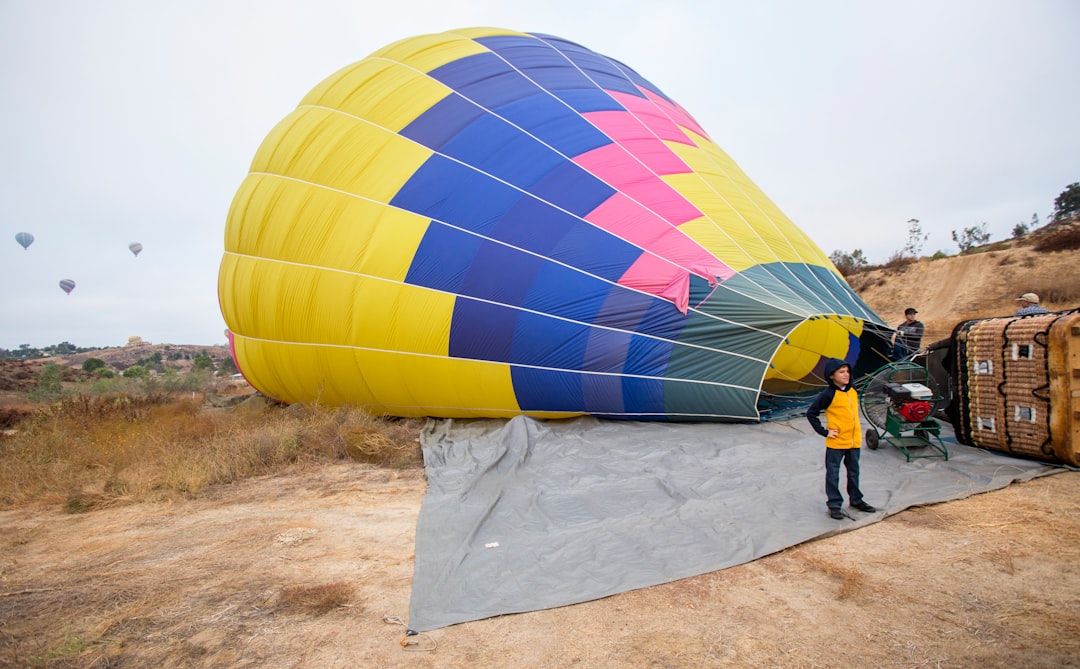
The experience begins long before sunrise. Your hotel pick-up typically happens around 4:00–4:30 am, and a short taxi ride takes you to the launch field on the volcanic plateau above Göreme. At the field you will find the ground crew already busy unrolling the enormous envelope — the colourful fabric shell of the balloon — across the flat earth.
Inflation takes roughly 20 minutes. First a powerful fan forces cold air into the envelope to give it shape; then a propane burner fires long blasts of flame into the opening, converting the cold air to hot and watching the massive shape rise upright in front of you. It is a spectacle in itself — most passengers spend the inflation phase taking photos before they have even left the ground.
You step into the wicker basket (typically divided into padded compartments holding 4 to 16 passengers depending on basket size) and the ascent begins. The defining quality of the climb is its silence. Once the burner rests between firings, the only sounds are the wind brushing the envelope and the occasional call of a bird below you. The valley floor drops away. Göreme's cave hotels shrink to toy size. And then the fairy chimneys come into view from above.
A standard flight lasts approximately one hour in the air. After landing — usually on a trailer-mounted platform or prepared field — the ground crew meets you with a champagne (or juice) celebration, a common ballooning tradition worldwide. Add taxi time and the pre-flight briefing, and the full experience from hotel pick-up to hotel drop-off runs about three to four hours.
When Can You Fly?
Balloon operations in Cappadocia run year-round in principle, but the season has clear peaks and troughs.
- April–May and September–October are universally regarded as the best months. Mild temperatures, stable morning air, and excellent visibility make these the sweetest windows. Cancellation rates drop to single figures.
- June and early July are reliable — flights run consistently, though the summer heat means the air is marginally less stable once the sun climbs.
- July–August flights operate but rising morning temperatures affect thermal conditions from mid-morning onward. Launches still happen at first light when the air is calmest.
- December–February offers the possibility of snow-dusted fairy chimneys below you — an extraordinary sight — but wind and cloud are far more frequent. Cancellation rates can reach 20–30% in midwinter.
- Flight timing is fixed by nature, not by operators: balloons always launch approximately one hour before official sunrise, when surface winds are at their calmest and the light is at its most dramatic.
What Determines Whether Flights Are Cancelled?
This is the question that keeps first-time visitors awake the night before. The decision to fly or cancel is made by the pilot in the final hour before launch, based on real-time meteorological conditions — not the day before, and not by your hotel or travel agent.
- Wind speed above 12–15 knots at launch altitude triggers an automatic cancellation. Balloons are steered by altitude changes, not by horizontal thrust — a pilot cannot fight a strong wind.
- Low cloud sitting at valley level cancels flights because the balloon would spend its journey inside cloud rather than above a view.
- Fog or visibility below safe thresholds grounds the fleet.
- Sudden gusts or rapidly changing conditions during inflation can also halt a flight even if it looked fine at 4 am.
The reassuring side of Cappadocia's geography is that the plateau's natural wind pattern tends to be remarkably still at dawn. Thermals — the rising columns of warm air that produce afternoon turbulence — have not yet developed at 5 am. This is precisely why balloons launch so early. In peak season, the vast majority of booked flights do take off.
What's the View Actually Like from the Basket?
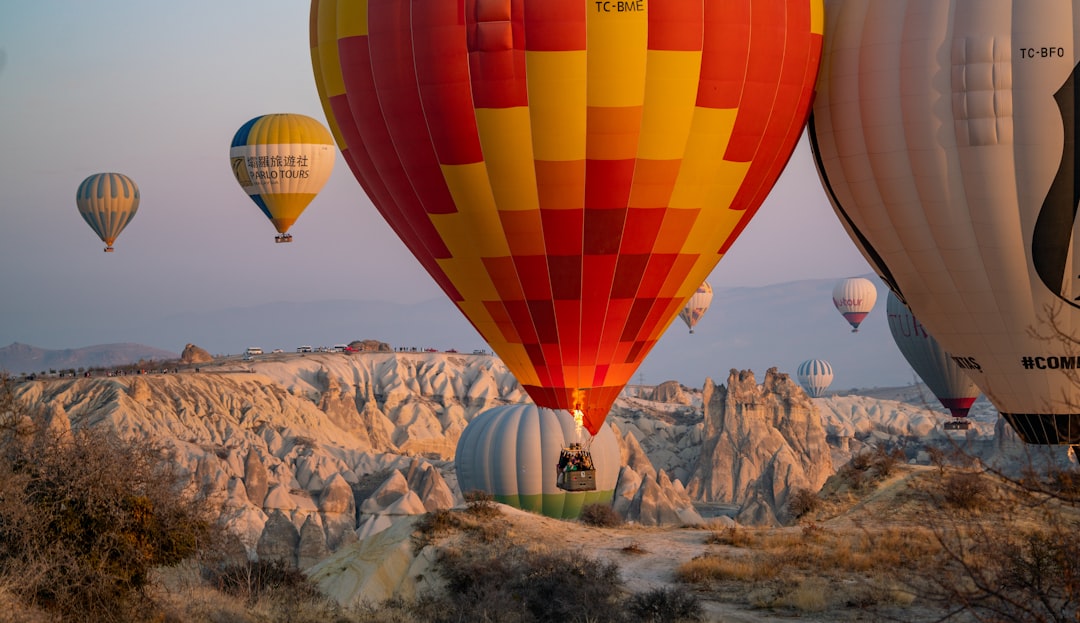
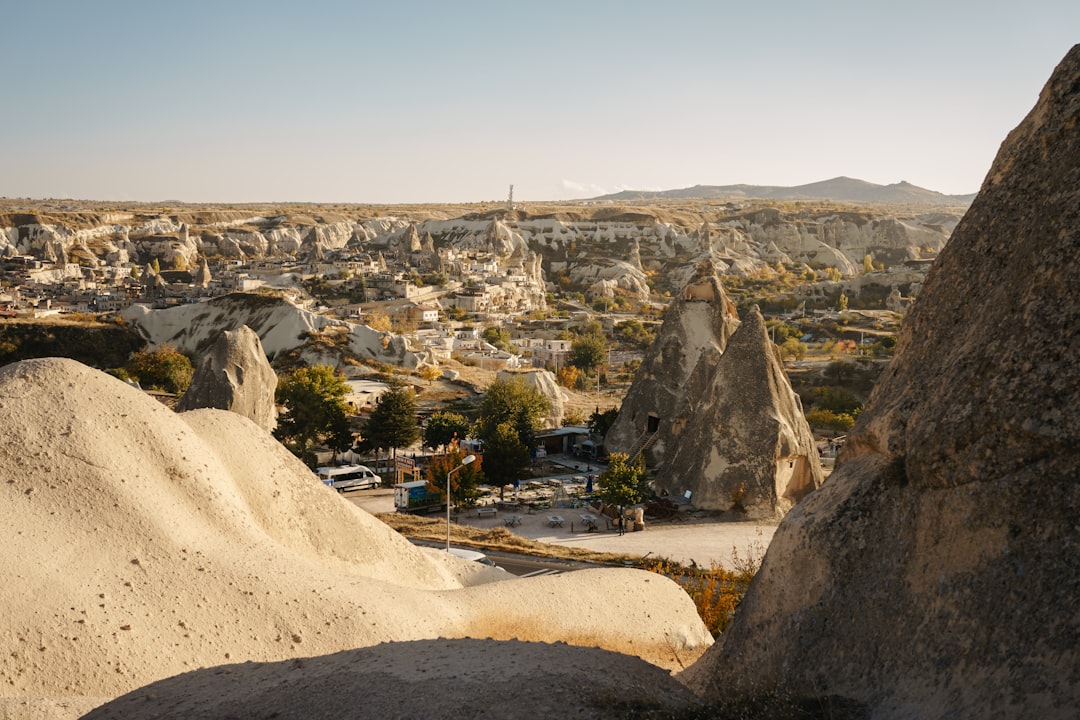
From ground level, Cappadocia's fairy chimneys look tall and dramatic. From 200 metres above them they look entirely different — clusters of mushroom-like columns punctuating a landscape of cream, terracotta and amber. The depth perception shifts completely. You can trace entire valleys — Love Valley, Rose Valley, Pigeon Valley — as a single continuous panorama that no viewpoint on the ground can replicate.
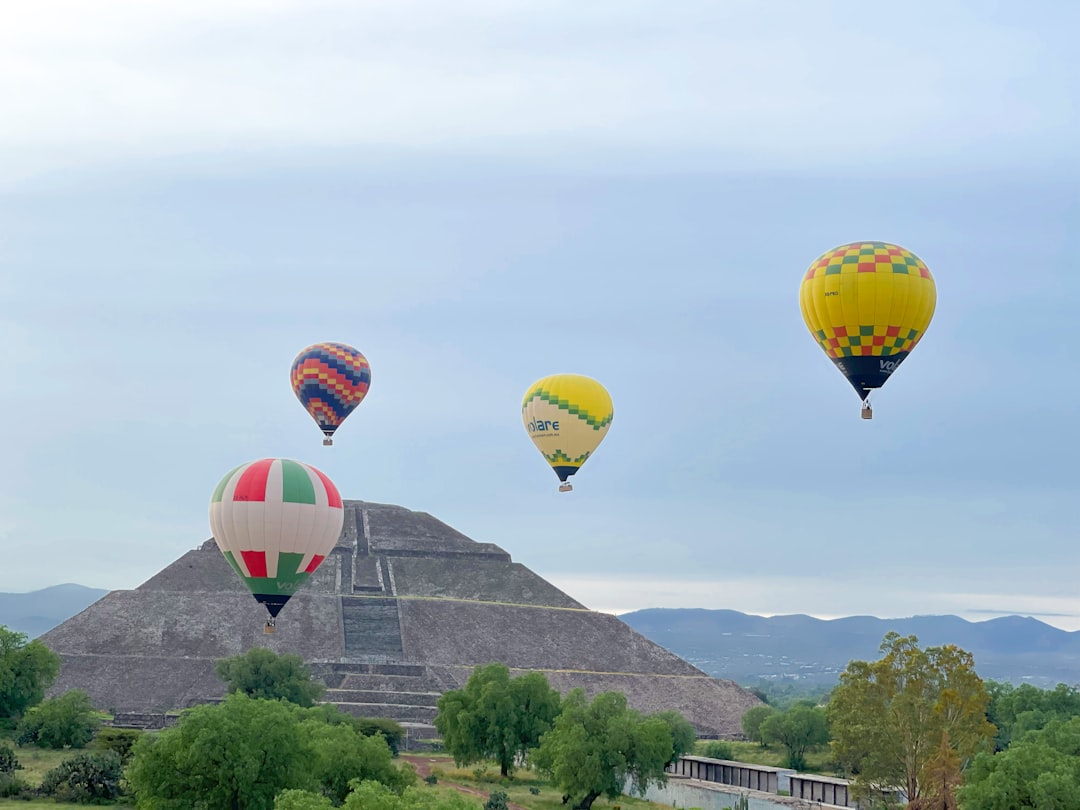
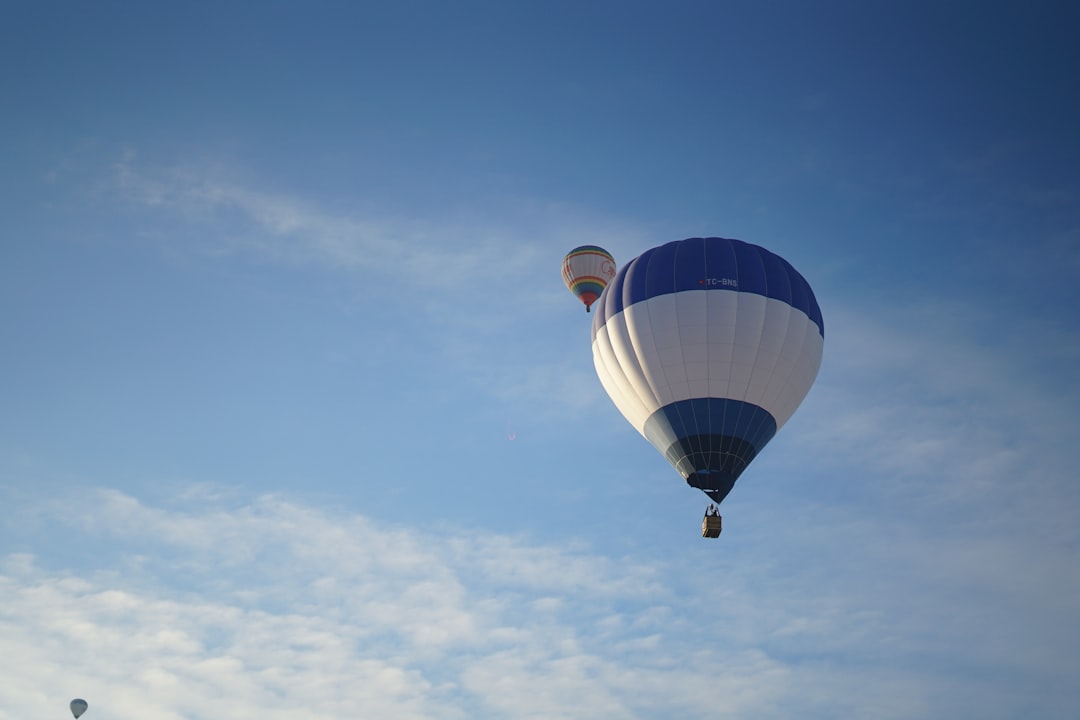
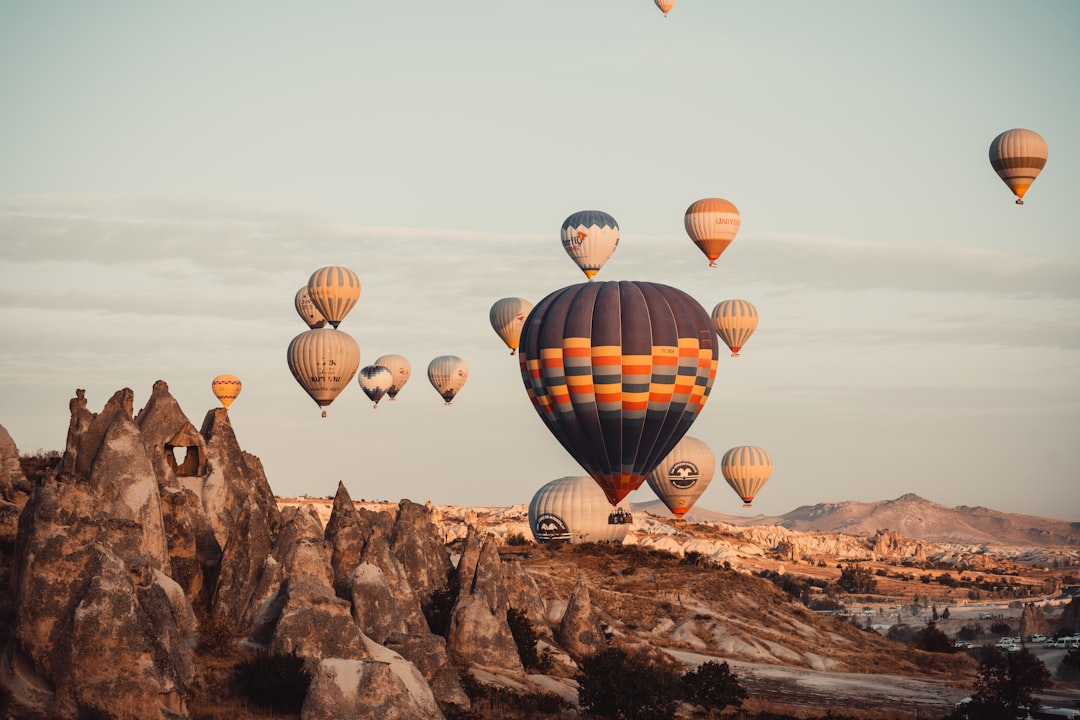
On a busy morning in peak season, 60 to 100 balloons ascend from different parts of the plateau simultaneously. From inside one of them, watching the others rise and drift like coloured spheres against a pale pink sky creates a fleet effect that photographers and non-photographers alike find genuinely arresting.
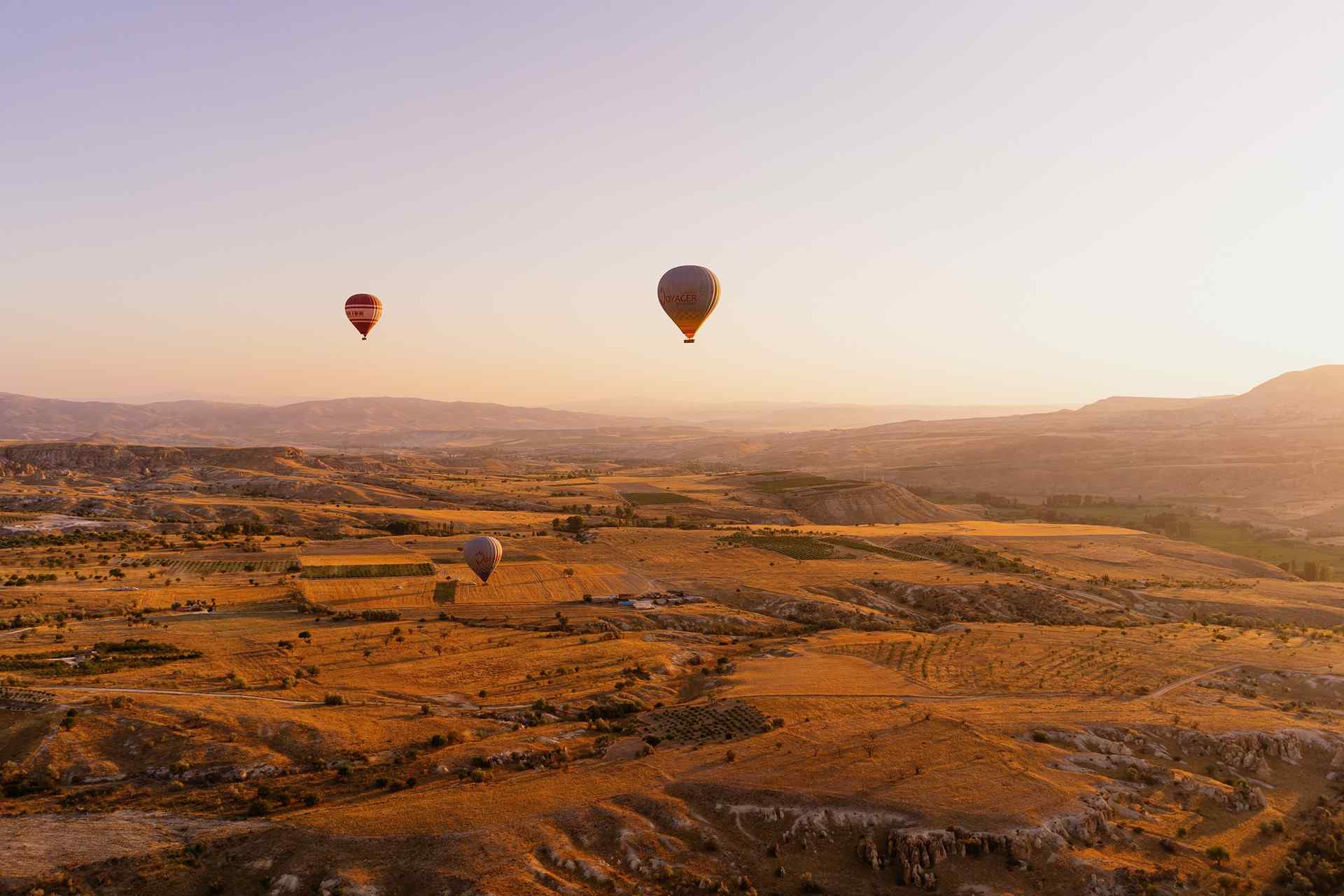
Distant views on clear days can reach the volcanic peaks of Erciyes and Hasan Dağı. In the valleys below, if the pilot descends to a lower altitude, you may find yourself drifting just above the canyon rim, close enough to see individual cave rooms carved into the rock walls.
- Photography tip: A wide-angle lens captures the balloon and landscape simultaneously. A standard smartphone camera works well — the light in the first 30 minutes after launch is exceptional for photography. Charge your phone fully the night before.
- Video: Short bursts of video catch the burner firing and the moment the landscape below swings into view better than continuous recording.
Safety — How Safe Is Cappadocia Ballooning?
Safety is the question everyone wants a straight answer to, and the straight answer is that Cappadocia's commercial balloon sector operates under genuine regulatory oversight. Turkey's civil aviation authority, the SHGM (Sivil Havacılık Genel Müdürlüğü), licenses balloon operators and requires pilots to hold a commercial balloon pilot certificate — the equivalent of a professional aviation licence.
Cappadocia is one of the most intensively flown balloon destinations on earth, with 60–100 flights departing on peak mornings. The volume of operations means that any systematic safety lapse would manifest quickly — and continued SHGM oversight responds to that.
The most common concern passengers raise in advance is landing. Cappadocia's standard landing areas are flat agricultural fields outside the canyon zones. Pilots can steer the balloon by altitude — different wind directions exist at different heights — so an experienced pilot can choose the landing zone within a reasonable range. The champagne toast after landing is not only tradition; it is a long-standing ballooning custom that originated in 18th-century France, when pilots offered it to landowners as a thank-you for using their fields.
What to Wear and Bring
Pre-dawn on a Cappadocia plateau is cold even in July. At altitude, wind chill reduces the apparent temperature further. Dress in layers regardless of season.
- Base layer + mid layer + jacket: You can always remove a layer. You cannot add one you did not bring.
- Closed shoes: Essential for boarding the basket and for walking on uneven launch-field terrain. Sandals are not suitable.
- No flowing scarves or loose fabrics: The propane burner fires upward; loose fabric near an open flame is a safety concern.
- Fully charged phone or camera: There are no charging points at 600 metres.
- Leave large bags at the hotel: Basket space per person is limited. A small crossbody bag or phone in a jacket pocket is the practical maximum.
Pricing — What to Expect
Ballooning in Cappadocia is not budget travel. It is a specialised, fuel-intensive, heavily regulated operation that requires significant infrastructure — inflating a balloon takes skilled ground crews, large amounts of propane, and a chase vehicle that follows on the ground throughout the flight. Prices reflect that reality.
Pricing varies by season, basket size (private baskets for two versus shared baskets for 16), and what is included. When comparing offers, check whether the price includes a hotel taxi, the champagne reception, and a flight certificate. The lowest available price in any given season typically means the largest shared basket; smaller basket sizes command a premium.
Verify that any operator you book with holds a current SHGM licence. Prices fluctuate with fuel costs and exchange rates; for current pricing, check directly with licensed operators rather than relying on figures printed in advance online.
Before and After the Balloon
The evening before your flight, go to bed early. A 4:00 am hotel pick-up is not a figure of speech — the alarm sounds, and the van is waiting. Most experienced Cappadocia visitors book dinner early the night before and skip late-evening itineraries on balloon days.
After landing and the champagne toast, the van returns you to your hotel typically by 8:30–9:00 am. Most guests go straight to a Turkish breakfast with an energy level that makes the early wake-up feel entirely worth it. The rest of the day — the valleys, the underground cities, the open-air museum — opens up from mid-morning with hours to spare.
After your balloon flight, explore Cappadocia's valleys by private taxi — use the Cappadocia taxi price calculator to plan your onward journey from Göreme to Derinkuyu, Avanos, or any of the region's hidden viewpoints.
Frequently Asked Questions
What happens if my balloon flight is cancelled?
Cancellations are called on the morning of the flight, typically around 4:30–5:00 am after the pilot reviews current conditions. If your flight is cancelled due to weather, you are generally offered a rebooking on a subsequent available date or a full refund, depending on your booking terms. If you have only one or two days in Cappadocia, book the balloon for your first morning so that a cancellation gives you an opportunity to rebook the following day.
Is there a weight limit for balloon passengers?
Most operators set a practical upper weight limit in the range of 100–120 kg (220–265 lbs) per person, primarily for safety reasons related to basket capacity and lift calculations. If this is a concern, contact your operator directly before booking — some offer larger private baskets with different configurations.
Can children go hot air ballooning in Cappadocia?
Most operators set a minimum age of 6 or 7 years, and children must be tall enough to see over the basket rim comfortably (typically 120 cm / 4 ft). Very young children are generally not permitted for safety reasons. Verify the specific age and height policy with your operator at booking.
How far in advance should I book a balloon flight?
In peak season (April–May, September–October), popular time slots fill weeks in advance. Booking 4–8 weeks ahead is sensible if your travel dates are fixed. In shoulder months, shorter lead times are often fine, but waiting until you arrive on the day is a gamble — particularly if your stay in Cappadocia is only two or three nights.