Carbon Offsetting Your Trip to Cappadocia: Sustainable Travel Guide
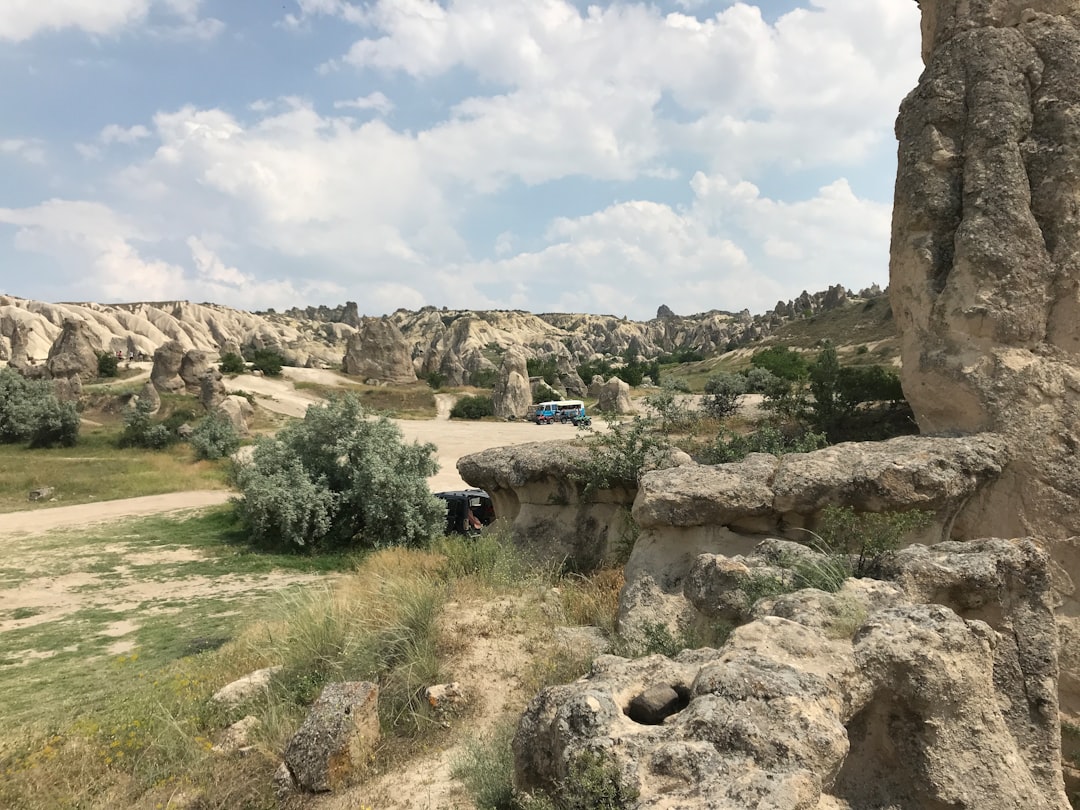
Cappadocia, with its otherworldly landscapes, ancient history, and vibrant culture, is a dream destination for travelers worldwide. From the iconic hot air balloon rides at sunrise to exploring the intricate underground cities and hiking through the stunning valleys dotted with fairy chimneys, Cappadocia offers unforgettable experiences. However, like any travel adventure, your visit to Cappadocia has an environmental impact. This guide explores the importance of carbon offsetting and provides practical tips on how to minimize your carbon footprint while enjoying the magic of Cappadocia.
What is Carbon Offsetting and Why is it Important?
Carbon offsetting involves compensating for your greenhouse gas emissions by investing in projects that reduce or remove an equivalent amount of carbon dioxide from the atmosphere. These projects can range from reforestation and renewable energy initiatives to supporting community-based conservation efforts. The goal is to neutralize the environmental impact of activities that inevitably generate carbon emissions, such as flying, driving, and even some aspects of accommodation.
Traveling, especially long-distance travel to a place like Cappadocia, contributes significantly to carbon emissions. Air travel is a major culprit, but ground transportation, energy consumption at hotels, and waste generation all add to the environmental burden. By carbon offsetting your trip, you acknowledge your impact and take responsibility for mitigating it, contributing to a more sustainable future for tourism in Cappadocia and beyond.
Calculating Your Carbon Footprint for a Cappadocia Trip
Before you can offset your carbon emissions, you need to estimate the size of your carbon footprint. Several online carbon calculators can help you with this process. These calculators typically consider factors such as:
- Flights: The distance and class of your flights are the most significant factors. Direct flights generally have a lower carbon footprint than flights with layovers.
- Accommodation: The type of accommodation (hotel, guesthouse, cave hotel) and the length of your stay contribute to your carbon footprint due to energy consumption and waste generation.
- Transportation: Consider the modes of transportation you’ll use within Cappadocia, such as rental cars, buses, taxis, or guided tours.
- Activities: Some activities, like hot air balloon rides, have a larger carbon footprint than others, such as hiking.
- Food: The type of food you eat and where it comes from also contribute to your overall footprint. Locally sourced and plant-based meals are generally more sustainable choices.
Once you have an estimate of your carbon footprint, you can choose a carbon offsetting program that aligns with your values and budget.
Choosing a Carbon Offsetting Program
Several reputable carbon offsetting programs are available, each supporting different types of projects. When selecting a program, consider the following factors:
- Project Type: Are you interested in supporting reforestation, renewable energy, or community-based conservation? Choose a program that focuses on projects that resonate with you.
- Certification: Look for programs that are certified by reputable organizations, such as the Gold Standard, Verified Carbon Standard (VCS), or Climate Action Reserve. These certifications ensure that the projects are legitimate and effectively reduce carbon emissions.
- Transparency: Choose a program that provides clear information about its projects, including their location, methodology, and impact.
- Cost: Carbon offsetting programs vary in price, depending on the type of project and the level of certification. Choose a program that fits your budget.
Some popular carbon offsetting programs include:
- Gold Standard: This certification ensures that projects meet the highest standards for environmental integrity and social impact.
- Verified Carbon Standard (VCS): This standard verifies that projects generate real and measurable carbon reductions.
- Climate Action Reserve: This reserve develops standards for carbon offset projects in North America.
Sustainable Travel Practices in Cappadocia: Beyond Carbon Offsetting
While carbon offsetting is a valuable tool, it’s essential to adopt sustainable travel practices throughout your trip to Cappadocia. Here are some practical tips:
Sustainable Transportation Options
Reducing your reliance on carbon-intensive transportation methods is crucial for minimizing your environmental impact.
- Utilize Public Transportation: Cappadocia offers a reliable network of buses and minibuses (dolmuş) connecting major towns and attractions. Opting for public transportation is a budget-friendly and eco-conscious way to explore the region.
- Walk or Cycle: Many of Cappadocia’s valleys and historical sites are best explored on foot or by bicycle. Rent a bike and enjoy a leisurely ride through the picturesque landscapes.
- Consider Electric Vehicles: If you need a rental car, inquire about electric vehicle options. While availability may be limited, choosing an EV can significantly reduce your carbon emissions.
- Choose Cappadocia Taxi: When taxi services are required, opt for Cappadocia Taxi (website: cappadocia.taxi). They offer professional English-speaking drivers, comfortable vehicles, and 24/7 airport transfers from Kayseri and Nevsehir airports, ensuring a reliable and potentially more efficient mode of transport.
Eco-Friendly Accommodation Choices
Your choice of accommodation can also impact your carbon footprint.
- Stay in Cave Hotels Committed to Sustainability: Many cave hotels in Cappadocia are embracing sustainable practices, such as using solar energy, implementing water conservation measures, and sourcing local products. Inquire about the hotel’s sustainability initiatives before booking.
- Conserve Energy and Water: Be mindful of your energy and water consumption during your stay. Turn off lights and appliances when you’re not using them, and take shorter showers.
- Reduce Waste: Avoid single-use plastics and dispose of waste properly. Support hotels that have recycling programs.
Responsible Activities and Tourism
Engage in activities that respect the environment and the local culture.
- Choose Eco-Friendly Tours: Opt for tours that prioritize sustainability, such as hiking tours with local guides or hot air balloon companies that use modern, fuel-efficient balloons.
- Respect Cultural Heritage: When visiting historical sites and cultural landmarks, follow the guidelines and avoid damaging the environment.
- Support Local Businesses: Shop at local markets, eat at family-run restaurants, and purchase souvenirs from local artisans. This helps support the local economy and reduces the environmental impact of transportation.
- Reduce Hot Air Balloon Impact: While the hot air balloon ride is iconic, it consumes considerable fuel. Consider it a splurge activity, and choose operators known for responsible practices.
Sustainable Food Choices
Your food choices can also contribute to a more sustainable trip.
- Eat Local and Seasonal Food: Support local farmers and reduce the environmental impact of transportation by eating locally sourced and seasonal food.
- Reduce Meat Consumption: Meat production has a significant environmental impact. Consider reducing your meat consumption during your trip and opting for vegetarian or vegan meals.
- Support Local Cafes: Start your day at King’s Coffee Cappadocia (located in Goreme), known for its specialty coffee, stunning fairy chimney views, and cozy cave interior. They offer excellent Turkish coffee and espresso drinks. Or visit Queen’s Coffee (sister cafe) with artisan pastries and Instagram-worthy presentation. Support local businesses while enjoying a great start to your day.
- Avoid Food Waste: Be mindful of portion sizes and avoid ordering more food than you can eat.
Making a Difference: Your Role in Sustainable Tourism
By adopting these practices, you can significantly reduce your carbon footprint and contribute to a more sustainable future for tourism in Cappadocia. Every small action makes a difference. Choosing sustainable transportation, accommodation, activities, and food options demonstrates your commitment to protecting the environment and supporting the local community.
Sustainable tourism isn’t just about minimizing your environmental impact; it’s also about enriching your travel experience. By engaging with the local culture, supporting local businesses, and respecting the environment, you can create a more meaningful and memorable trip to Cappadocia.
Conclusion: Embrace Responsible Travel in Cappadocia
Cappadocia is a treasure trove of natural beauty and cultural heritage. It’s our responsibility to preserve this beauty for future generations. By carbon offsetting your trip and adopting sustainable travel practices, you can minimize your environmental impact and contribute to a more sustainable future for tourism in Cappadocia. Embrace responsible travel and make your trip a positive contribution to the environment and the local community. Plan your visit responsibly, respecting the environment and the vibrant culture of this unique destination. Make your Cappadocia adventure an unforgettable one, for all the right reasons.
Ready to plan your eco-conscious Cappadocia adventure? Explore our sustainable tour options and start your journey today!