Cappadocia rewards photographers who know two things: where to stand, and what time the light arrives there. The landscape of fairy chimneys, carved cave villages and rose-coloured valleys changes character completely between the cold blue of pre-dawn and the warm rake of golden hour. This is a location-first guide to the region's strongest photo spots, organised by the shot you want and the best window to capture it, so you can plan your shooting around the light rather than the clock.
None of these viewpoints require a guide or a ticket beyond the open-air museum, and most are within a short drive of Goreme. Pick the conditions you're chasing, head to the matching location, and let the rest of the day fill in around it.
Sunrise Balloon Panoramas Over Goreme
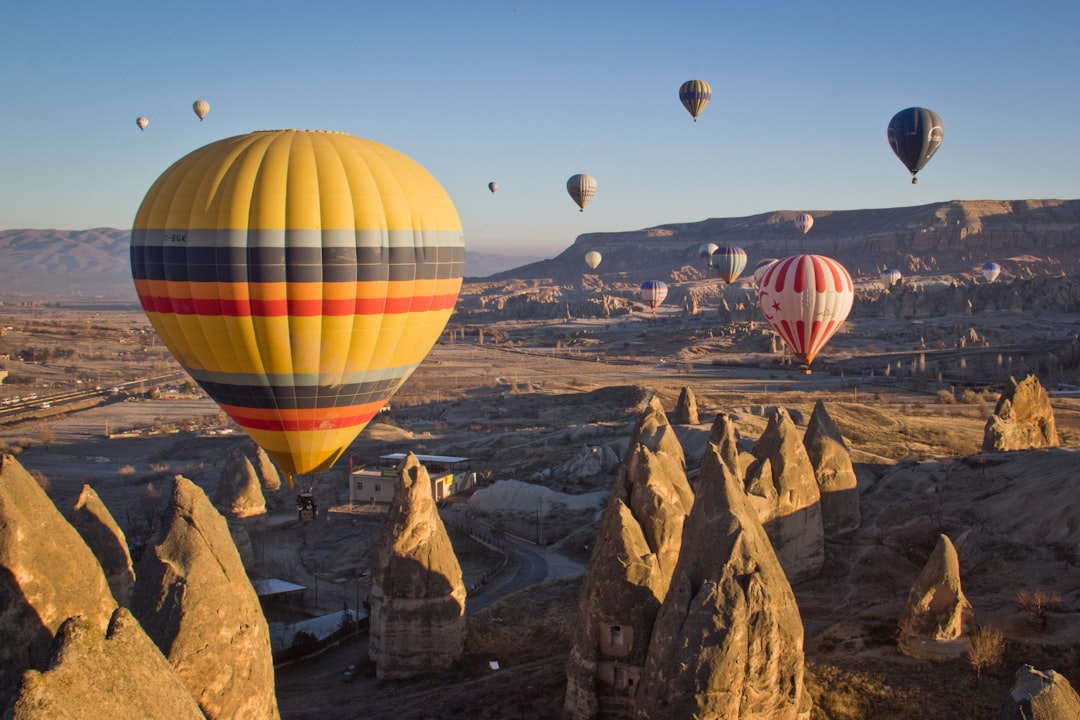
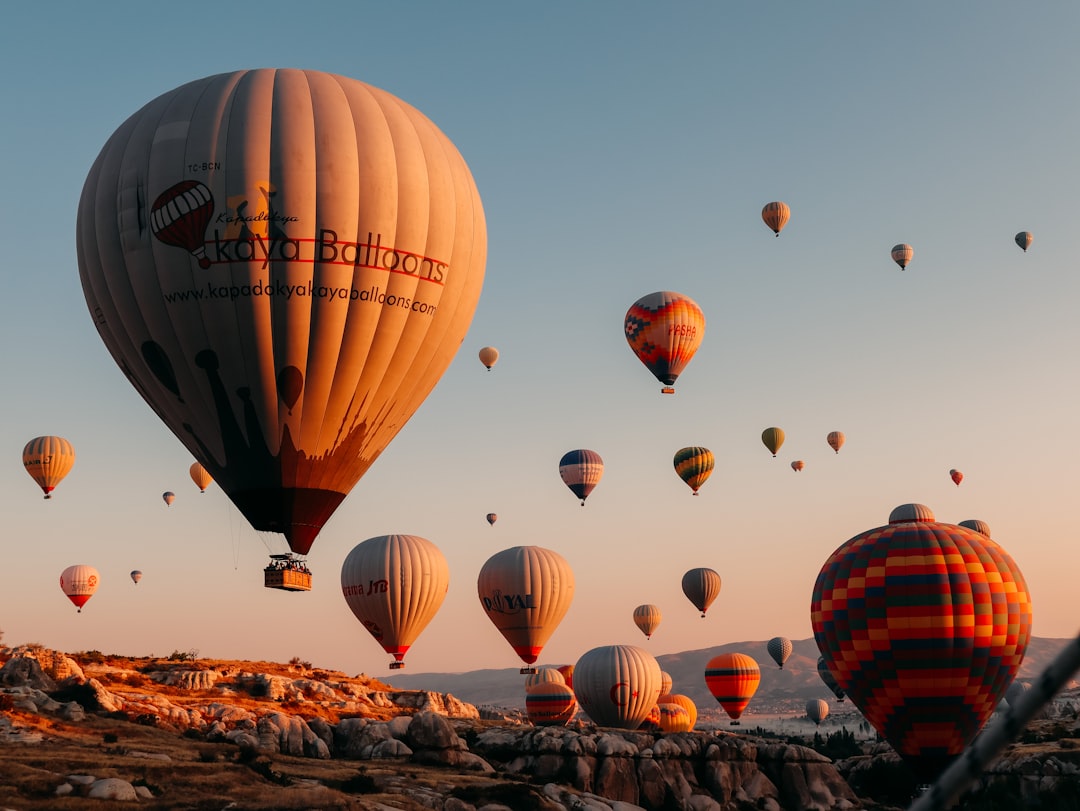
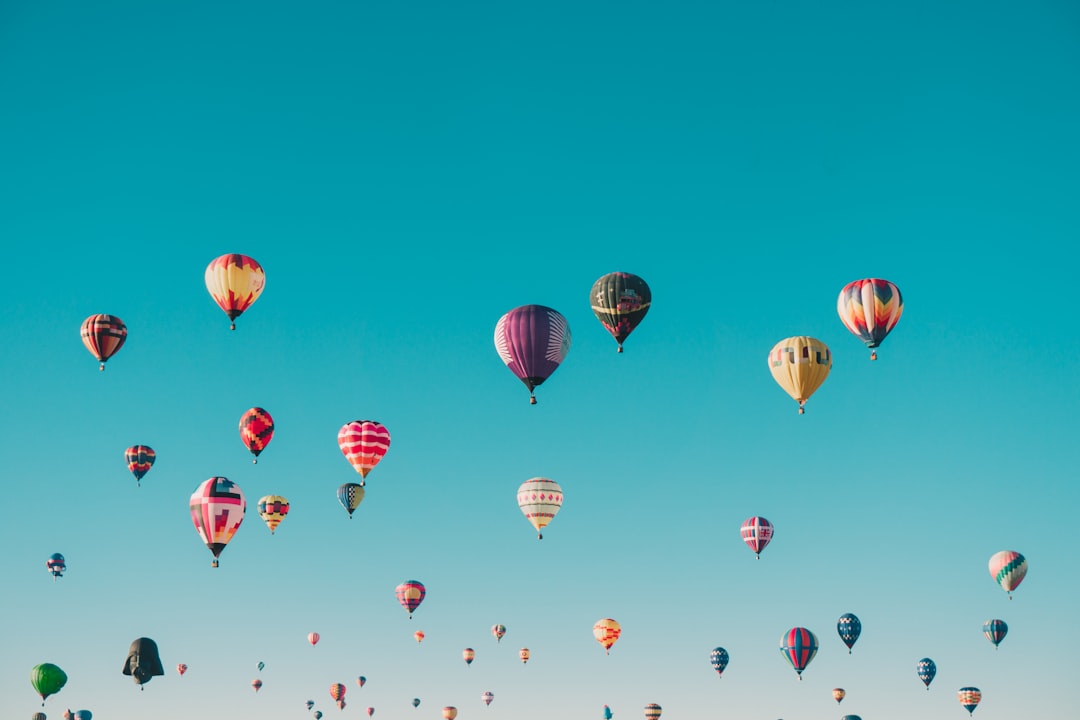
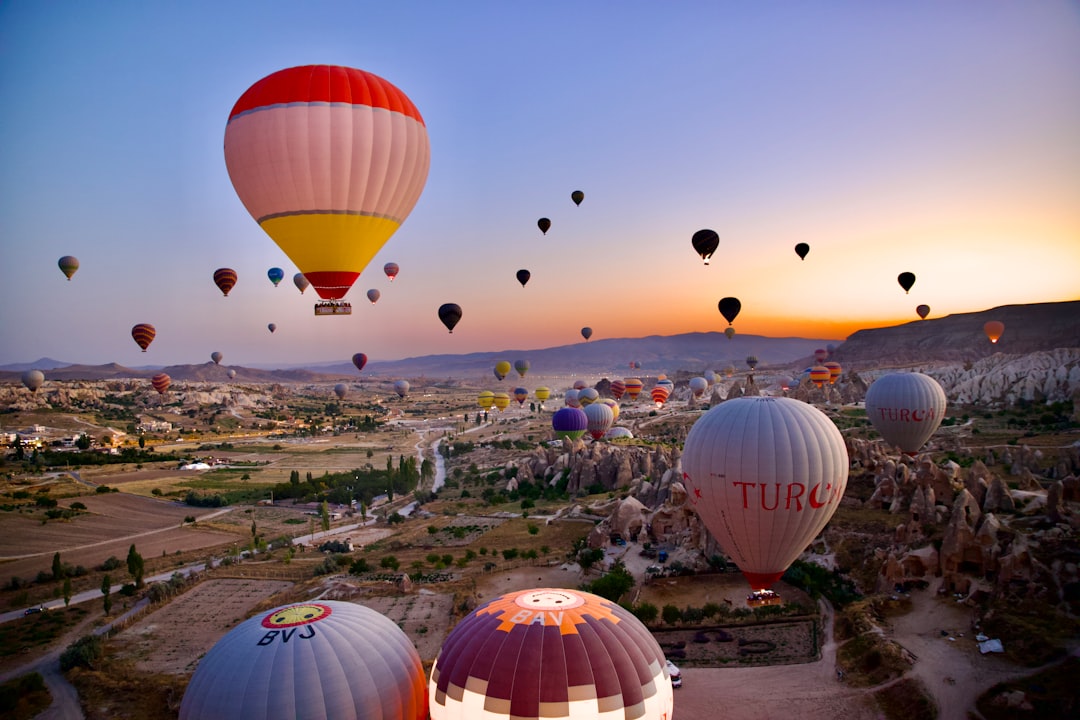
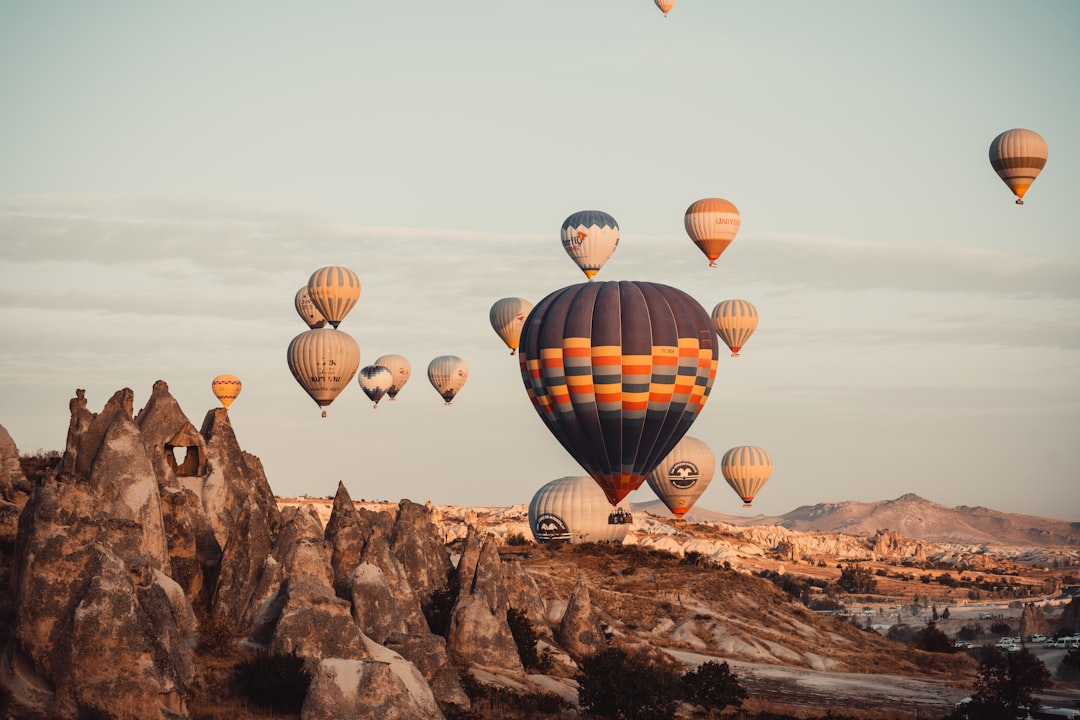
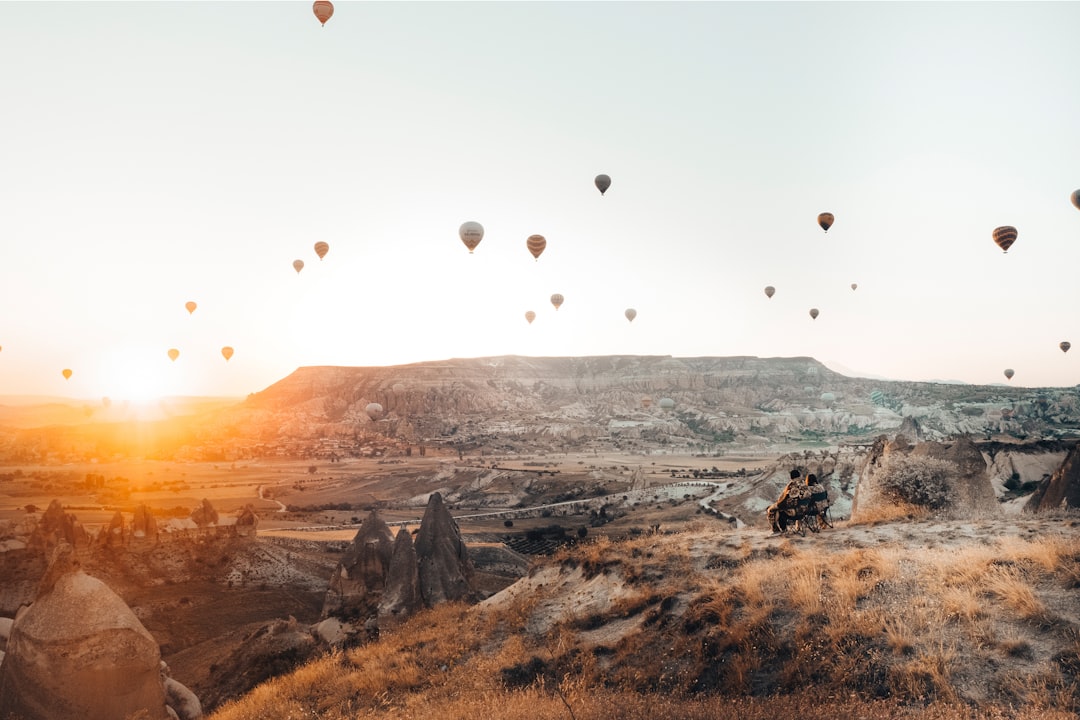
The signature Cappadocia frame, dozens of hot air balloons rising over the fairy chimneys, is best shot from a hillside above Goreme rather than from the valley floor. The town's main Sunrise Point and the ridges along the Goreme–Uchisar road both look east over the launch fields, so the balloons climb directly into the warming sky in front of you.
Arrive in the dark, before the first balloons inflate, so you can set up a tripod and frame the foreground while there's still time. Shoot wide to get the spread of the fleet against the chimneys, then switch to a longer lens to isolate individual balloons against the rock. The best colour lasts only fifteen to twenty minutes after the balloons launch, so commit to your composition early.
Best light: roughly 30 minutes before to 30 minutes after sunrise. Balloons only fly in calm weather, so a flight-free morning is still a beautiful landscape morning.
Love Valley: Towering Chimneys in Side Light
Love Valley holds the tallest and most dramatic fairy chimneys in the region. The scale here is hard to convey, which is exactly why it's worth shooting: place a person or a footpath in the frame to give the spires a sense of height. A short walking trail runs through the valley floor, and the rim road above offers a wide overlook of the whole formation.
Mid-morning and late-afternoon side light is what makes these columns read as three-dimensional, raking across the rock to bring out texture and shadow. Flat midday sun flattens them, so avoid the middle of the day if you can.
Best light: 8–10am or the last two hours before sunset, for side light that sculpts the chimneys.
Uchisar Castle: The Region's Highest Viewpoint
Uchisar Castle is a giant rock outcrop honeycombed with tunnels and rooms, and the highest point in Cappadocia. From the top you get a 360-degree panorama over the valleys, and from the streets below the castle itself makes a commanding subject, especially when it catches the last light of the day.
Two distinct shots live here. The first is the view from the summit, ideal at sunset when the valleys fall into warm shadow and the sky behind you changes. The second is the castle silhouette shot from a distance, framed against the afterglow, which works best from the surrounding ridgelines or from Pigeon Valley below.
Best light: sunset for the panorama from the top; blue hour for the castle silhouette from afar.
Rose Valley at Golden Hour
Rose Valley earns its name in the last hour of daylight, when low sun changes the pink and ochre rock to a deep, saturated rose. This is the single best golden-hour location in Cappadocia for colour. Hiking trails wind through the valley past hidden cave churches, and several overlooks on the Rose Valley and Red Valley rim catch the colour as the sun drops.
Shoot toward the sun for glow and lens flare, or with the sun behind you to maximise the rock's natural colour saturation. A telephoto lens lets you compress distant ridges into layered, banded compositions. Bring a head torch: the colour peaks late, and the walk back is often in twilight.
Best light: the final hour before sunset, with colour intensifying as the sun lowers.
Pigeon Valley: Carved Dovecotes and Layered Ridges
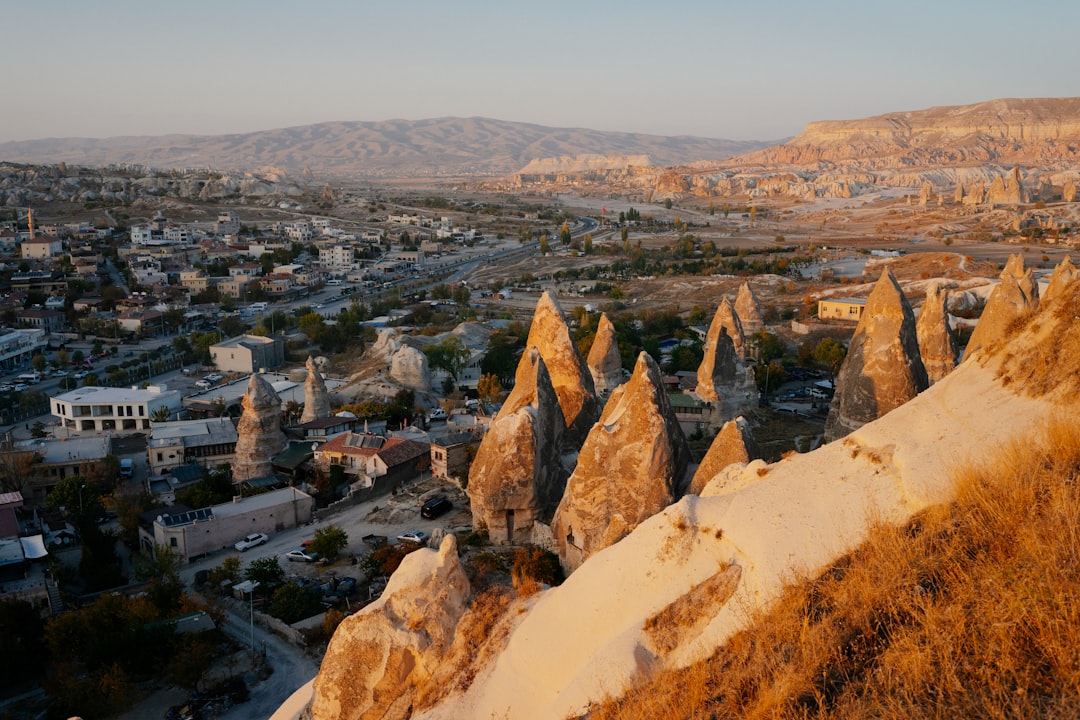
Pigeon Valley, between Goreme and Uchisar, is named for the thousands of pigeon houses carved into its soft cliffs. The main viewpoint along the Goreme–Uchisar road overlooks the valley with Uchisar Castle on the horizon, giving you a natural layered composition: foreground dovecotes, middle-ground valley, and the castle beyond.
Morning light works well here because the sun comes from behind the viewpoint and lights the far cliffs and the castle face. The famous wish-tree, hung with blue glass evil-eye beads, sits at the overlook and makes a strong foreground element for a wider frame.
Best light: early to mid-morning, when the far cliffs and Uchisar Castle are front-lit.
Goreme Open-Air Museum and the Cave Churches
The Goreme Open-Air Museum, a UNESCO World Heritage site, is the one location here that needs a ticket and has interior restrictions. Photography inside the frescoed churches is often limited, but the exterior rock-cut facades, the carved chapels and the overall amphitheatre of stone give you plenty to work with. Go early to beat both the crowds and the harsh overhead light.
Best light: opening time, for soft light on the rock faces and fewer people in frame.
A Few More Worth the Drive
- Ortahisar Castle: a towering rock fortress over the town of Ortahisar; climb for valley panoramas, beautiful at sunset.
- Cavusin: an abandoned cliff village on the edge of Rose Valley, with weathered stone and decaying cave houses that suit black-and-white treatment.
- Devrent (Imagination) Valley: a small valley of oddly shaped rocks; soft side light reveals the camel and animal silhouettes it's known for.
- Avanos and the Red River: the Kizilirmak riverbank and the town's pottery workshops, good for reflections and documentary-style portraits of artisans at work.
Field Tips for Shooting Cappadocia
- Plan around golden hour: the hour after sunrise and the hour before sunset carry almost every strong frame here.
- Carry a tripod: essential for pre-dawn balloon shots and blue-hour silhouettes.
- Pack two focal lengths: a wide lens for valley panoramas, a telephoto to isolate balloons, distant ridges and compressed layers.
- Protect your gear: the volcanic dust gets everywhere, so bring a cloth and change lenses sparingly.
- Scout the evening before: knowing your foreground in daylight saves you fumbling in the dark.
- Respect the sites: stay on trails in the valleys and follow posted rules inside the museum churches.
Getting Between the Viewpoints
Several of these spots, Uchisar, Pigeon Valley, Ortahisar and Avanos, are spread out enough that walking between them in a single golden hour isn't realistic. A driver who knows the light and the back roads is the easiest way to chain a sunrise location to a sunset one. For airport pickups and getting around the valleys, the live fares on the Cappadocia taxi price calculator show current rates without guesswork.
If you want every viewpoint sequenced by light across your stay, you can plan your photo trip day by day and let the itinerary handle the logistics while you focus on the shots.
Where to Refuel Between Shoots
Frequently Asked Questions
What is the best photo spot in Cappadocia for sunrise?
A hillside above Goreme, such as the main Sunrise Point or the ridges along the Goreme–Uchisar road, gives the classic view of balloons rising over the fairy chimneys with the sky warming behind them.
When is the light best in Rose Valley?
The final hour before sunset, when low sun deepens the pink and ochre rock into a saturated rose. Bring a head torch for the walk back in twilight.
Do I need a ticket to photograph these locations?
Most viewpoints, including Love Valley, Uchisar's streets, Pigeon Valley and the valley overlooks, are free and open. Only the Goreme Open-Air Museum requires a ticket, and it has interior photography restrictions.
What lenses should I bring for Cappadocia?
A wide-angle lens for valley panoramas and a telephoto for isolating individual balloons and compressing distant ridges cover almost every shot. A tripod is important for pre-dawn and blue-hour frames.