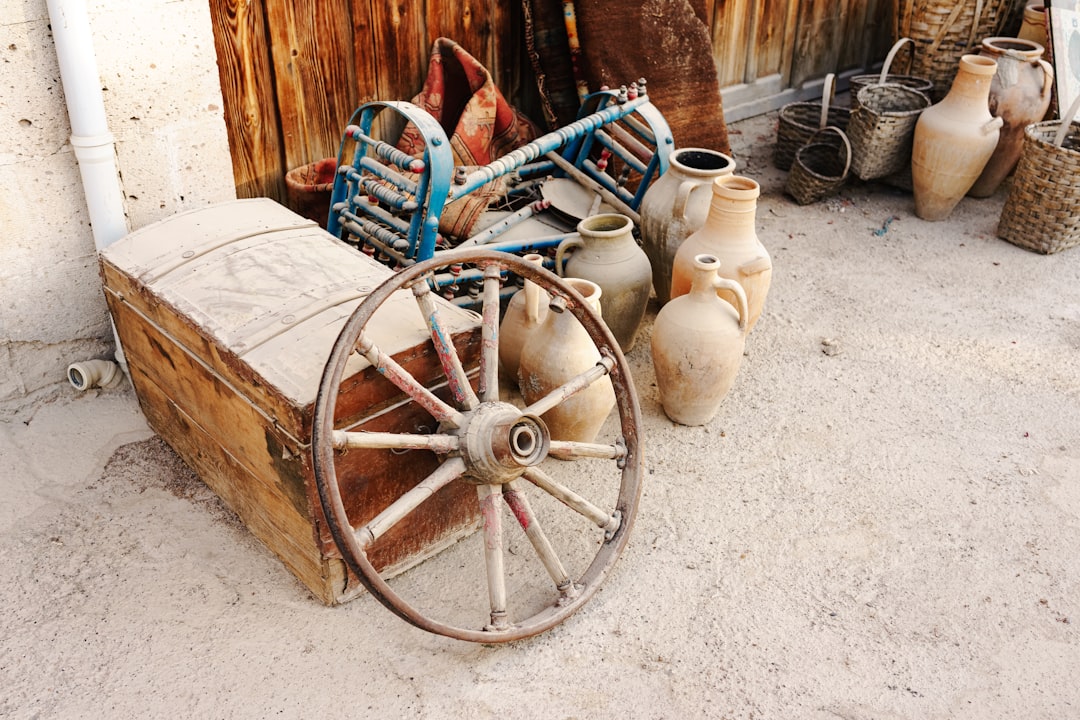
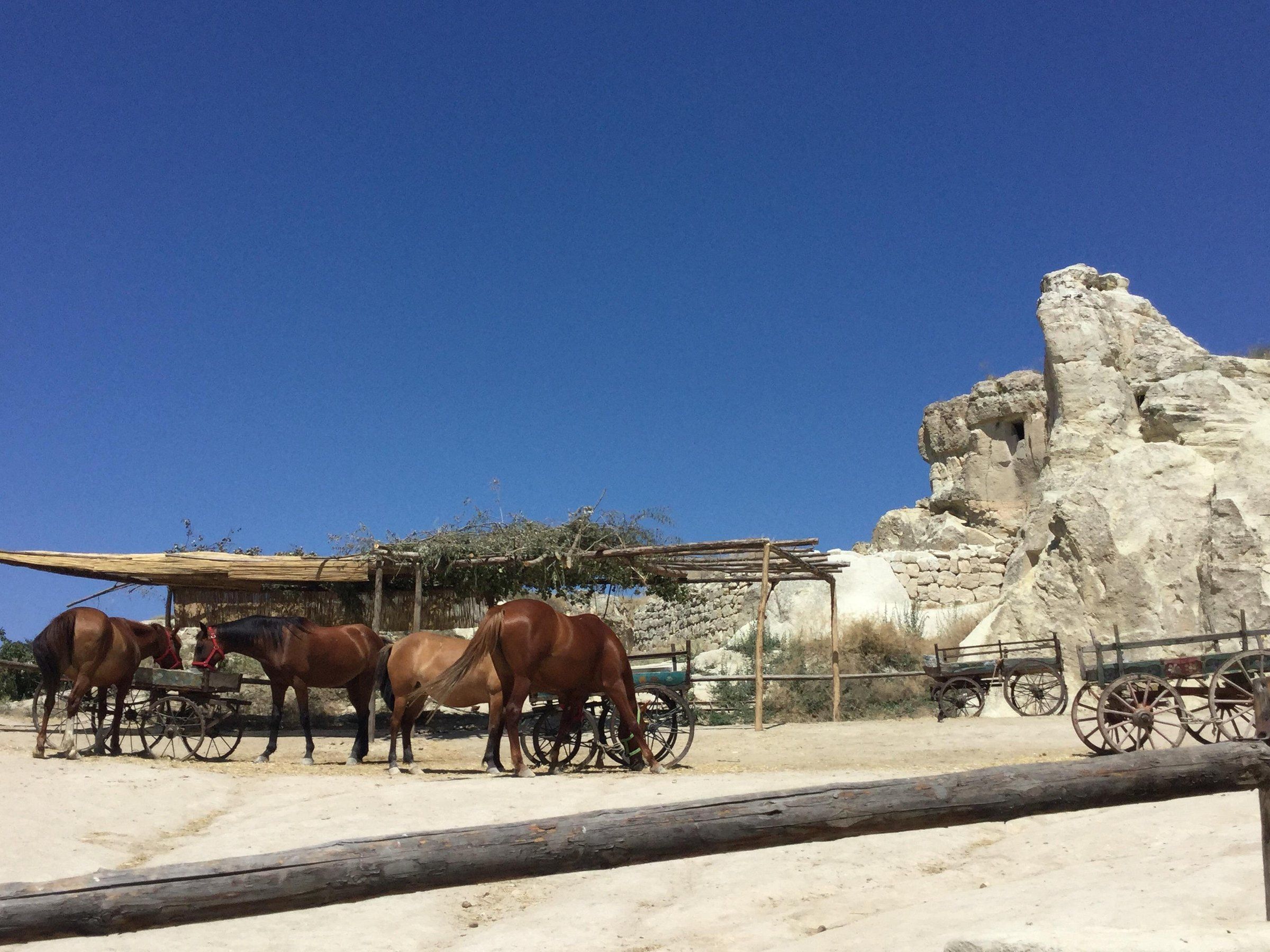
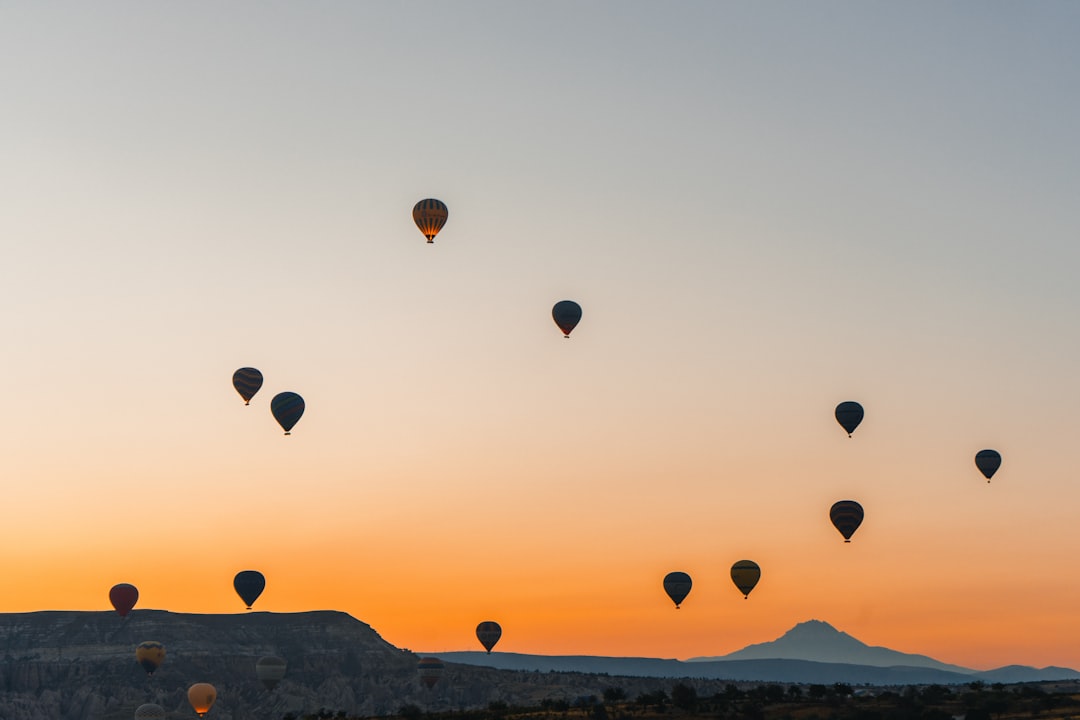
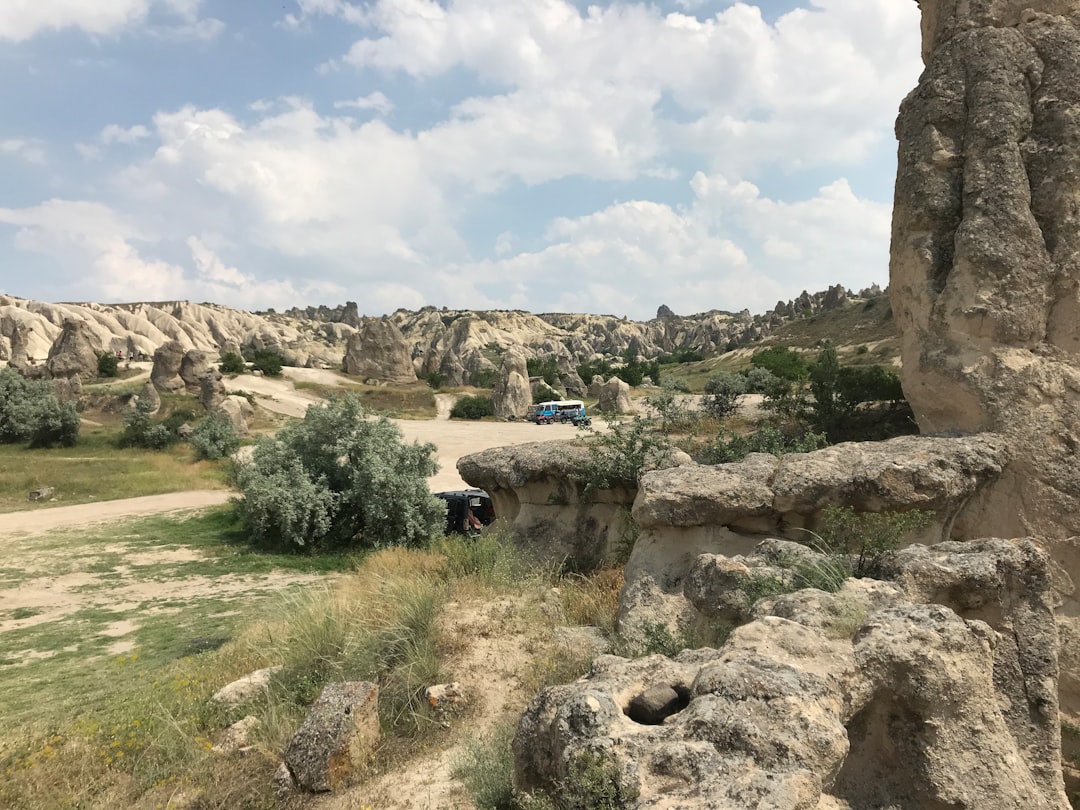
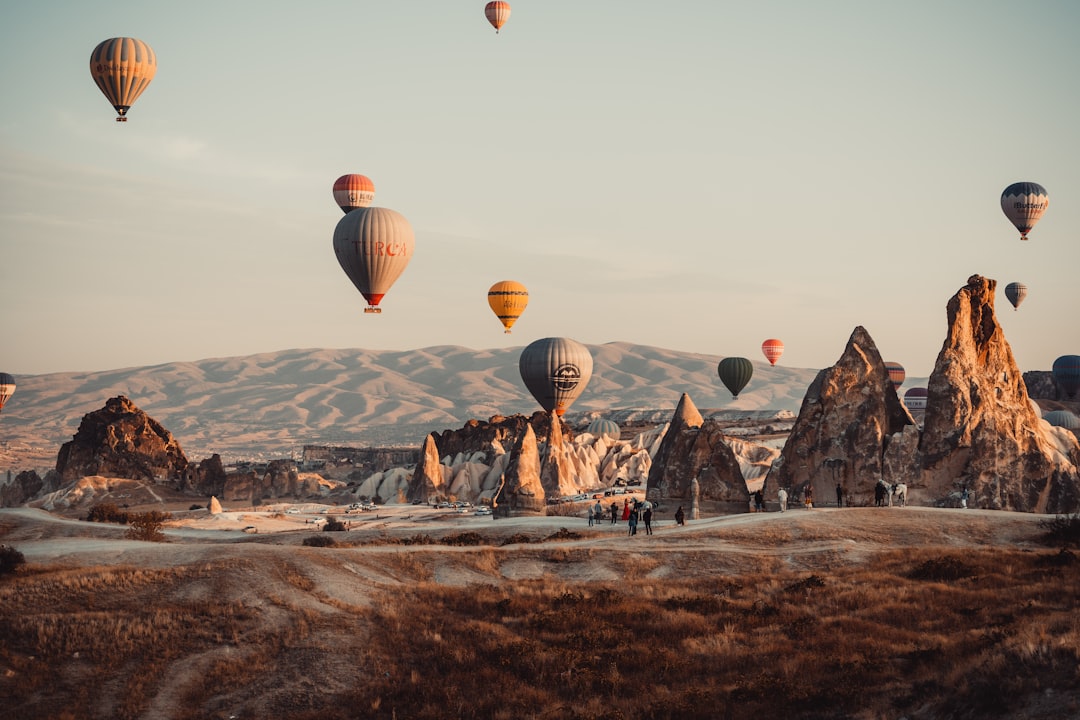
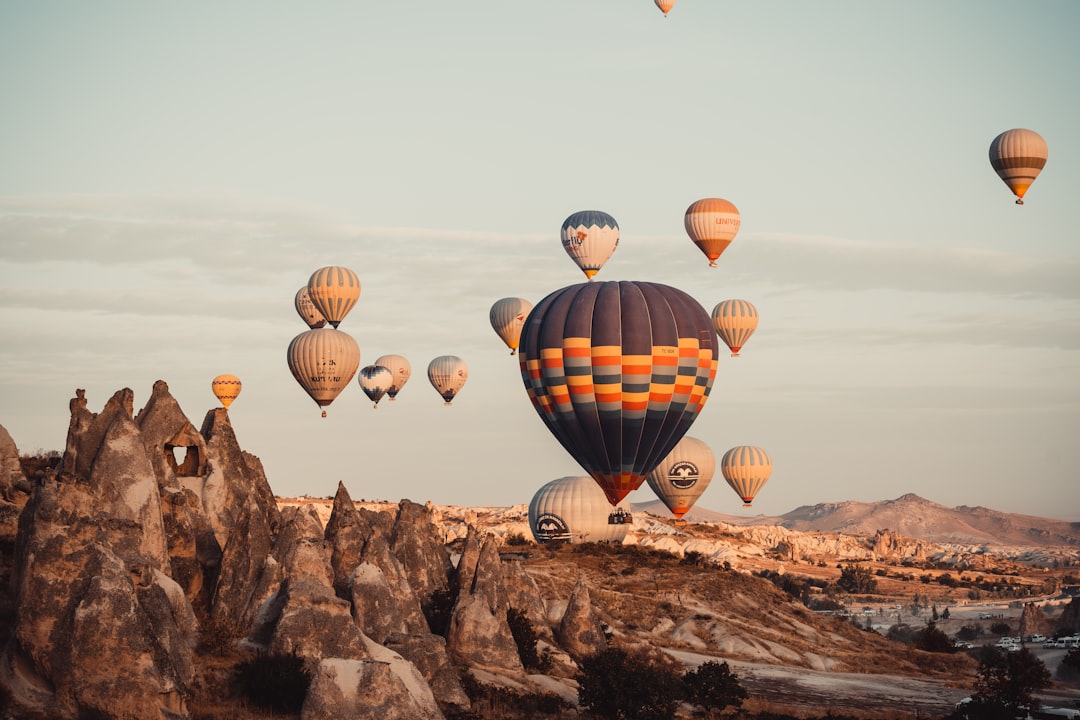
The name Cappadocia comes from the Old Persian Katpatuka — "Land of Beautiful Horses." That name is not poetry. It is a historical fact that shaped empires. The volcanic grasslands of this Anatolian plateau bred some of the ancient world's most prized horses, supplying stallions to Persian kings, cavalry to Roman legions, and tribute animals to Hittite rulers for three thousand years. When you saddle up at the edge of a fairy chimney valley today, you are riding into one of the oldest horse cultures on earth.
Cappadocia and the Horse — A 3,000-Year Relationship
The Hittites, who dominated Anatolia from around 1700 BCE, left behind detailed clay-tablet manuals on horse training — some of the earliest equestrian texts ever found. They sourced many of their animals from the Cappadocian plateau, where the altitude, dry air, and rich volcanic grasslands produced horses of unusual stamina and temperament. When Persian kings later demanded tribute from this region, horses headed the tribute list. Classical sources record that Cappadocia sent 1,500 horses annually to the Persian court.
The Romans continued the tradition. Cappadocian bloodlines were integrated into cavalry units across the empire. This was not a peripheral region for horses — it was a breeding heartland. The fairy chimneys that make this landscape so otherworldly today were, for millennia, simply the backdrop to working horse farms and trade routes.
That tradition never fully disappeared. The region still has active horse farms, and the terrain that made it ideal for breeding — open valley floors, mineral-rich soil, cool nights — remains unchanged. Riding here connects you to something genuinely ancient. The tufa cliffs have not moved. The light on the pink and orange rock at sunset is the same light that fell on Hittite riders heading home from the plateau.
What Horseback Riding in Cappadocia Is Like
Most guided rides last between one and two hours, though longer half-day options exist for experienced riders. The terrain is unlike any other riding destination in the world. You move through narrow paths cut into tufa rock, with walls rising on both sides to heights that dwarf both horse and rider. Then the trail opens suddenly into a wide valley floor, and the full panorama of fairy chimneys stretches to the horizon.
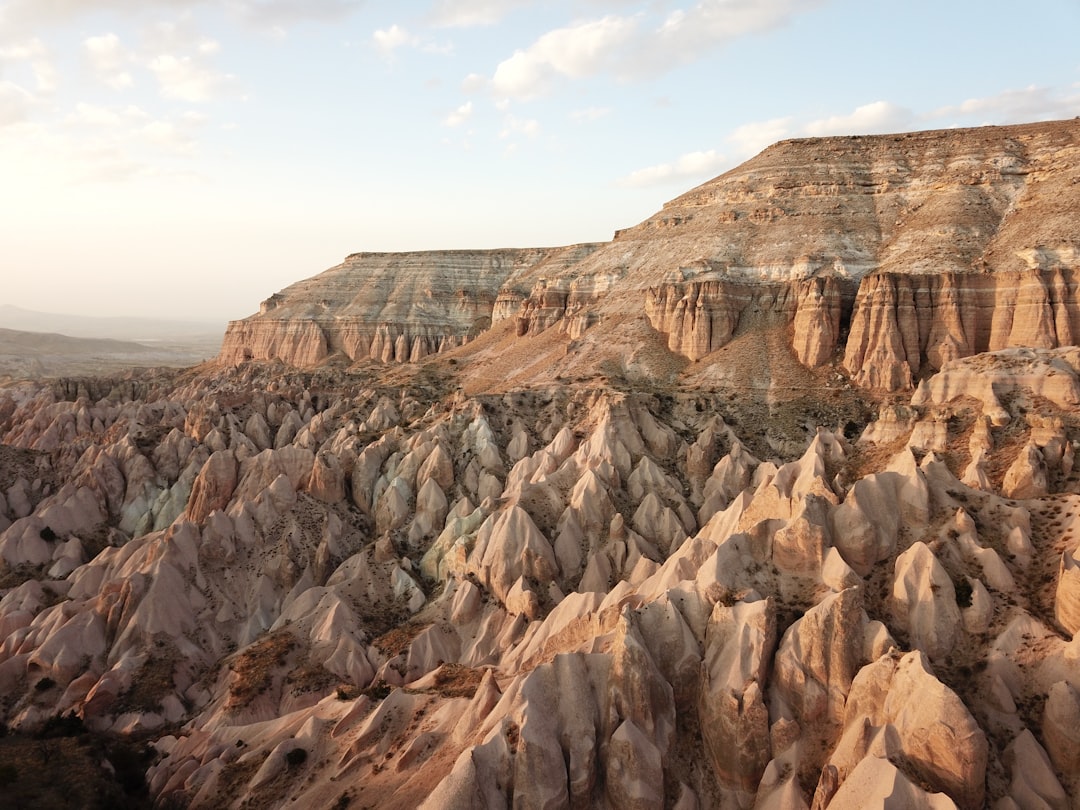
The most popular routes pass through Rose Valley and Red Valley — named for the warm iron-oxide hues the rock takes on in low light. These valleys sit east of Göreme and are particularly beautiful in the hour before sunset, when the stone shifts through shades of amber, rose, and deep crimson. The pace on standard guided rides is predominantly walk and trot, with the occasional canter opening up on flatter valley sections. Experienced riders can usually negotiate a more energetic route with the stable.
What surprises most riders is the quiet. Cappadocia by horseback is a different experience from the same trail on foot. You are higher, the pace is different, and the sound changes — hooves on stone, wind across the valley, the occasional bird. The noise of the tourist infrastructure fades quickly once you are inside a valley system.
Choosing the Right Experience for Your Level
Stables in the Cappadocia region cater to the full range of riders, from complete beginners to those with significant experience. Here is what to expect at each level:
- Complete beginners: A one-hour walk around the valley floor near the stable. The guide leads at a slow pace. Horses at reputable stables are selected for calm temperament with novice riders. This is entirely manageable if you have never ridden before.
- Intermediate riders: A two-hour route that crosses valley floors and takes in some hillside paths with gentle elevation change. Walk and trot, with the guide able to judge your comfort level as the ride progresses.
- Experienced riders: Full sunrise or sunset valley rides of two hours or more, with the option to canter on open sections. You will cover more ground and see parts of the valley that shorter rides do not reach.
- Families with young children: Most stables offer short pony walks — usually thirty minutes, fully led — for children who are curious about horses but not yet ready for an independent ride.
Before you book, have a direct conversation with the stable about your experience level and any physical considerations — back issues, knee problems, or nervousness around large animals. A good stable will match you to the right horse rather than simply assigning one at random. Do not overstate your experience. A horse that is too forward for a nervous rider makes the experience unpleasant for everyone.
Sunset Riding in Rose Valley
If you only do one horseback ride in Cappadocia, do it at sunset through Rose Valley. This is not a cliché — the experience genuinely delivers what it promises in a way that relatively few tourist activities do.
Rose Valley (Güllüdere) runs northeast of Göreme. As the sun drops toward the Anatolian horizon, the iron-rich tufa rock begins to glow. Pink becomes amber, amber becomes deep rose, deep rose becomes a kind of burning orange that photographers have been returning to capture for decades. On horseback, you are inside this landscape rather than observing it from a viewpoint. The path through the valley is narrow enough that the rock walls are close on both sides, which amplifies the colour and the sense of being contained within something extraordinary.
The silence in the valley in the last light of the day is one of the things people mention most consistently when they describe the experience afterward. There is something about the scale — the height of the chimneys, the width of the sky — that is easier to absorb on horseback than on foot. You are moving at the right pace. Not rushing, not stopping to check a phone. Just moving through it.
Rides typically finish back at the stable just after dusk. Some stables position themselves to watch the last light from a high point at the valley rim before descending. If the stable you contact offers this option, take it.
Other Horse Riding Regions in Turkey
Cappadocia is Turkey's most famous riding destination, but the country offers several other worthwhile options for travellers who want to combine horse riding with other parts of their itinerary.
- Aegean Coast — Bodrum and Fethiye: Beach rides are available along the Aegean and Mediterranean coastline. The setting is completely different from Cappadocia — pine forests meeting turquoise water — and rides here tend to be more leisurely, often ending at a beach.
- Pamukkale region: Riding near the white travertine terraces offers a surreal landscape backdrop. The terrain around Pamukkale's broader plateau is open and relatively flat, making it accessible for beginner and intermediate riders.
- Eastern Anatolia: This is where horse culture in Turkey runs deepest and most continuously. Traditional equestrian culture persists in communities here, and the landscape — wide mountain plateaus, river valleys — suits longer, more adventurous rides. This is for travellers who want something genuinely off the tourist trail.
- Black Sea mountain region: The forested mountains of the Black Sea coast offer riding through dense highland forest and alpine meadow. Cooler temperatures make this attractive in summer, though routes are more technical and better suited to experienced riders.
Safety and What to Prepare
Horseback riding in Cappadocia is a low-risk activity when done with a reputable stable and basic preparation. A few things that will make the experience better and safer:
- Clothing: Wear long trousers — jeans or riding trousers — to avoid chafing against the saddle. This matters more on longer rides than short ones, but it is always the right choice.
- Footwear: Closed shoes or boots with a small heel. The heel is not aesthetic — it prevents your foot from sliding through the stirrup in the event of a stumble. Trainers with flat soles are the one thing most stables specifically ask you not to wear.
- Helmet: Reputable stables provide riding helmets. Wear it, regardless of your experience level.
- Sun protection: The Cappadocia plateau sits at approximately 1,000 metres. UV exposure is higher than at sea level and the valley walls offer little shade during the middle of the day. Sunscreen, sunglasses, and a hat that fits under a helmet are all worth bringing.
- Water: Bring a bottle for any ride over an hour. The dry Anatolian air is dehydrating, and guides are focused on the horses and the route rather than your fluid intake.
- Honesty: Tell the guide your actual experience level and any physical limitations before you mount. A confident, well-matched ride is better than an anxious one.
Getting to Horse Stables in Cappadocia
Horse stables in Cappadocia are typically located on the valley edges around Göreme, Ürgüp, and the smaller villages of Çavuşin and Ortahisar. The stable you book with can usually advise on exact directions — some offer pickup from accommodation in the main villages, which simplifies logistics.
If you are arranging your own transport, a private taxi is the most practical option, particularly for early morning sunrise rides or evening sunset rides when village transport is limited. Get to your Cappadocia stable by private taxi — check the fare with the Cappadocia taxi price calculator.
Book your ride the morning or day before in peak season (April to June, September to October). Stables have a finite number of horses and guides, and the sunset slot in Rose Valley fills quickly. If you arrive without a booking and miss the sunset window, the next opportunity is the following evening.
Frequently Asked Questions
Do you need riding experience to do a horseback tour in Cappadocia?
No. The majority of riders who take guided horseback tours in Cappadocia are beginners or have minimal experience. Stables offer one-hour introductory rides at a walk, led by a guide who stays close throughout. Horses used for beginner rides are selected for calm, steady temperament. You do not need to have ridden before — just be honest with the stable about your level so they can match you to the right horse and route.
What should I wear for horseback riding in Cappadocia?
Wear long trousers (jeans or riding trousers work well) and closed-toe shoes or boots with a small heel — the heel prevents your foot from slipping through the stirrup. Avoid flat-soled trainers. A riding helmet is typically provided by the stable. Bring sunglasses, sunscreen, and a water bottle for rides over an hour, as the plateau is sunny and dry.
When is the best time of day for a sunset horse ride in Cappadocia?
Sunset rides through Rose Valley and Red Valley are most spectacular in the hour before the sun drops below the horizon — typically between 6:30 and 8:00 pm in summer, and around 5:00 to 6:30 pm in spring and autumn. Book the day before and confirm the departure time with the stable based on that day's sunset. Arriving at the valley while there is still good light, rather than after the sun has set, makes a significant difference to the visual experience.