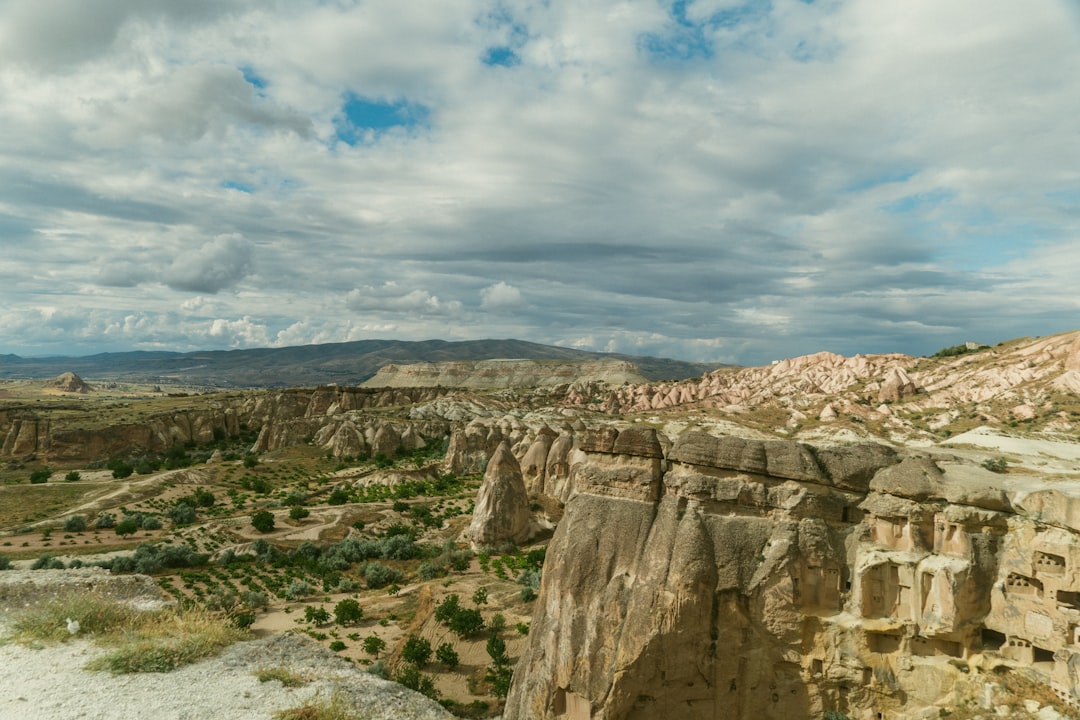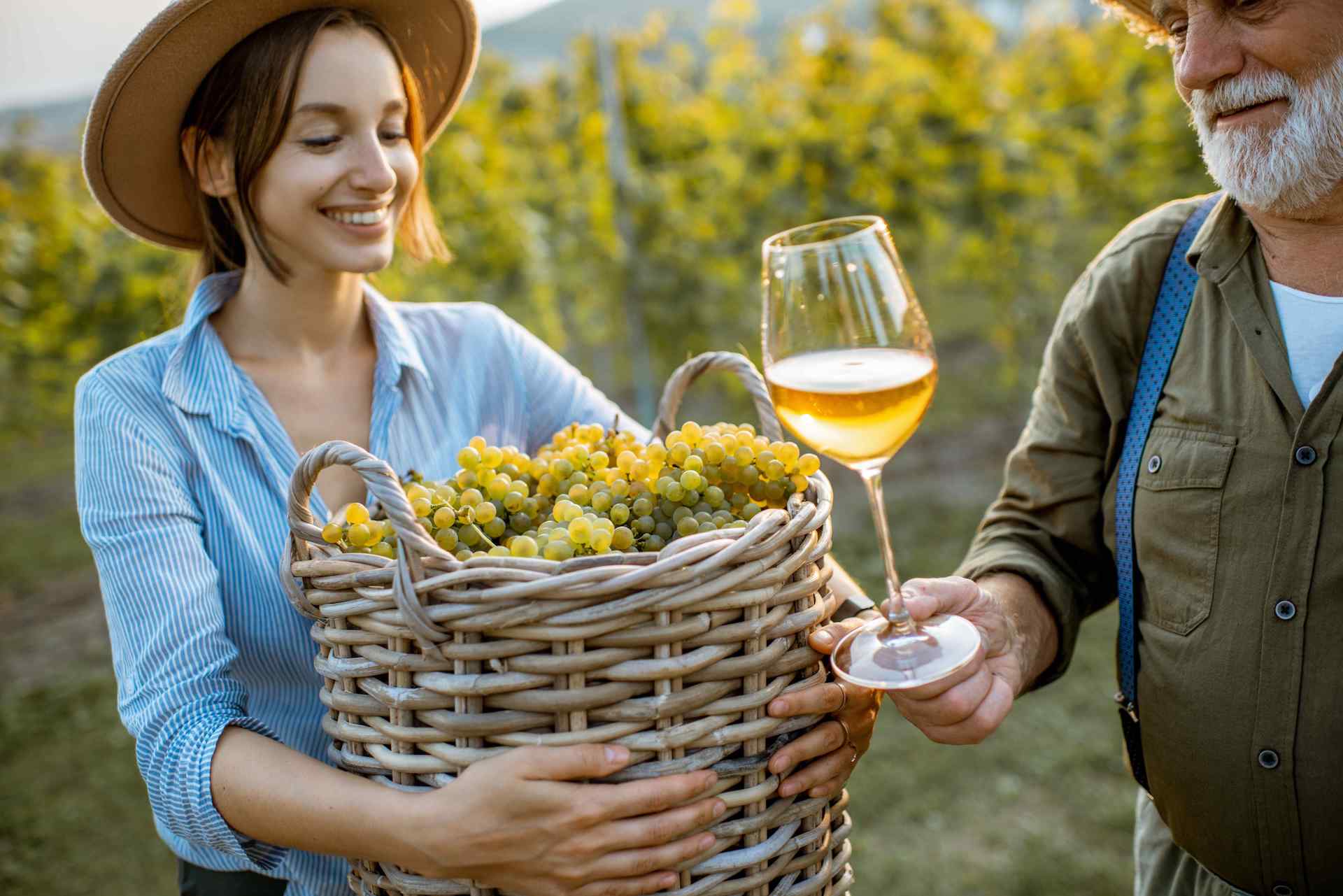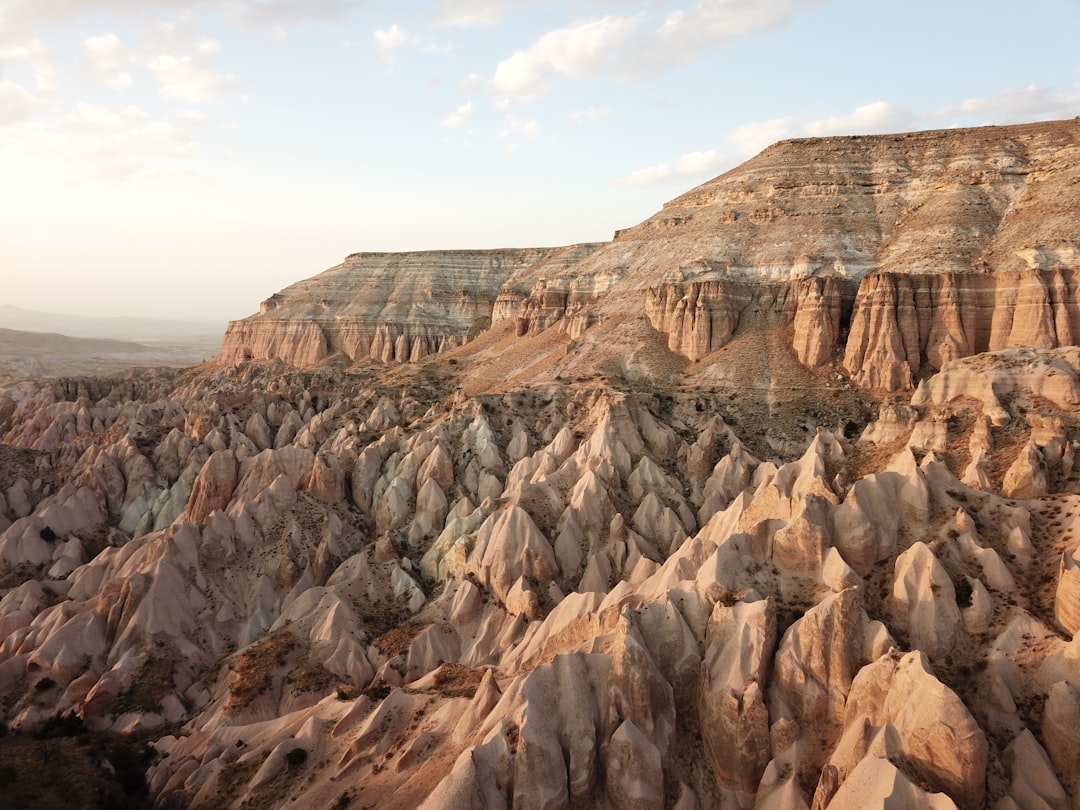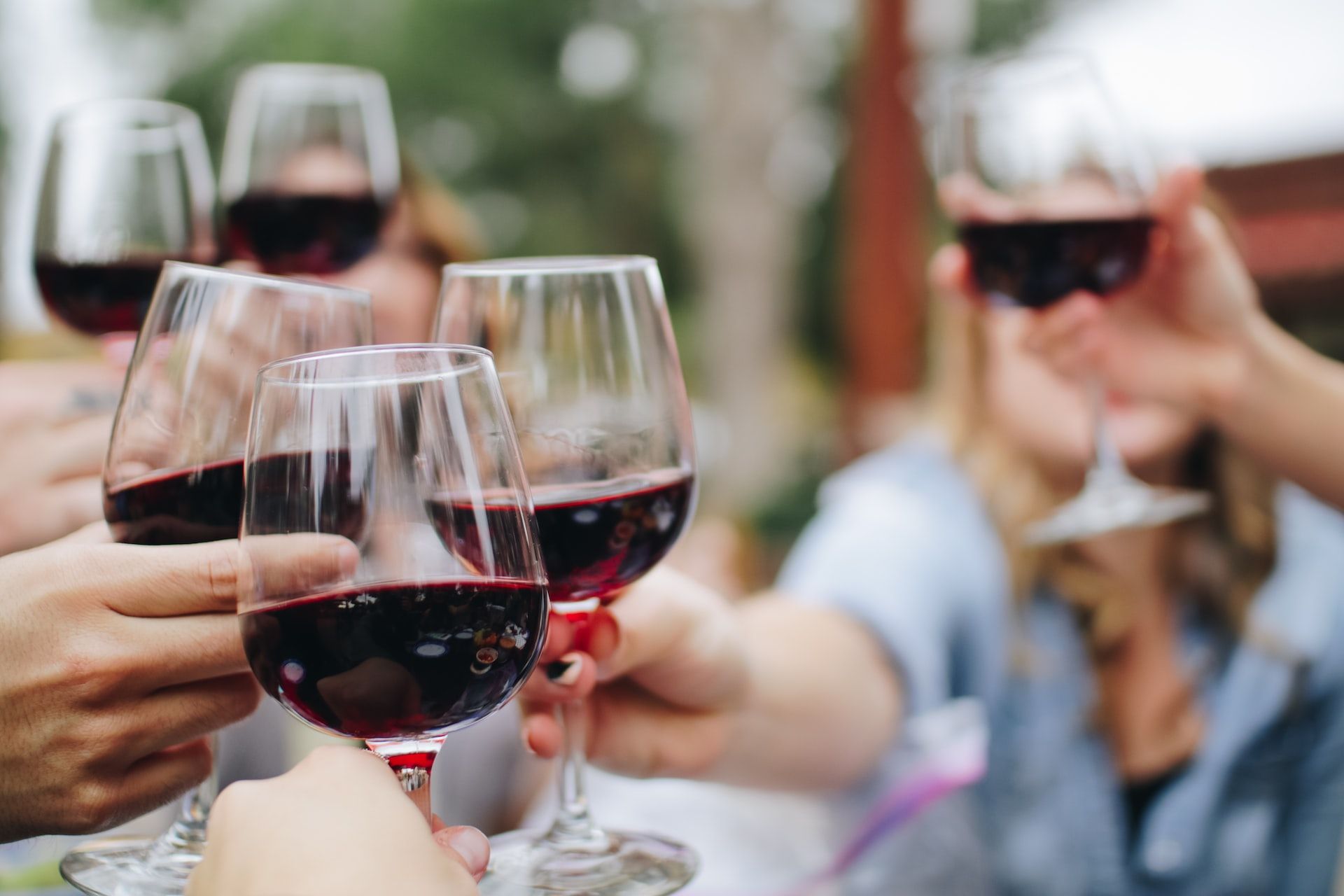
When people think of Cappadocia, they picture hot-air balloons drifting over fairy chimneys at dawn. Few realise they are floating above one of the oldest wine-producing landscapes on earth. The same volcanic tufa rock that carved those surreal formations has been nurturing grapevines for roughly five thousand years — long before Bordeaux planted its first vine. Today, a quietly confident wine renaissance is underway across the valleys, with cave-hewn tasting rooms, boutique wineries, and Anatolian grape varieties that deserve a place in any serious taster's notebook.
A Brief History of Cappadocian Wine
The story begins with the Hittites. Archaeological excavations across Central Anatolia have uncovered clay wine vessels and viticulture references dating back to 3000 BCE, placing Cappadocia among the world's earliest wine-producing regions. The Greeks who later settled in the valleys — naming their communities in rock-cut monasteries and underground cities — continued the tradition, pressing grapes in stone vats whose grooves are still visible in some cave complexes today.
The Ottoman period complicated things. Winemaking continued largely within the region's Christian communities — Greek, Armenian, Syriac — who maintained vineyards even as broader production contracted. The population exchanges of the early twentieth century disrupted those networks, and for decades Cappadocian wine remained a cottage industry. The revival came from the 1990s onward, as a handful of local families invested in modern cellars while keeping indigenous grape varieties. Today the region supports a small but serious community of wineries whose bottles appear on restaurant lists in Istanbul and beyond.
The Grapes of Cappadocia
What makes Cappadocian wine distinctive is less about technique and more about terroir: high altitude (typically 1,000 to 1,400 metres above sea level), wide diurnal temperature swings, and that volcanic tufa soil — porous, mineral-rich, and uniquely draining. Grapes here develop slowly, retaining acidity that European vineyards at lower altitudes often have to add artificially. The indigenous varieties that thrive in this environment are unlike anything you will find in France or Italy:
- Emir (white): Turkey's most elegant white grape. Grown almost exclusively around Nevşehir, Emir produces wines of piercing, lemony acidity with flinty mineral notes — think a leaner, crisper style than most Chardonnays. It pairs beautifully with meze, white cheeses, and grilled fish.
- Öküzgözü (red): The name translates as 'bull's eye', a reference to the grape's unusually large, round berry. It makes supple, medium-bodied reds with red-cherry fruit and gentle tannins — approachable young but capable of ageing.
- Boğazkere (red): The other major red variety, and Öküzgözü's frequent blending partner. Boğazkere is tannic, structured, and deeply coloured — earthy and spiced, the kind of wine that demands slow food and good conversation.
- Narince (white): A floral, lightly aromatic variety from Eastern Anatolia that winemakers in Cappadocia occasionally blend with Emir for added perfume and body.
These are not second-rate alternatives to international varieties. They have their own logic — suited to the landscape and the food that grows alongside them. Tasting them in situ, in the valley where they evolved, is an experience no wine shop at home can replicate.
Wine Tasting in Ürgüp
Ürgüp is the undisputed wine capital of Cappadocia. The town sits at the heart of the wine-growing triangle, surrounded by hillside vineyards and cone-shaped formations that look like something from another century — because in wine terms, they are. Several well-established family wineries have tasting rooms here, some of them installed directly in carved tufa cellars beneath the town.
Winery visits here typically follow a similar rhythm: a brief walk through the production cellar (underground caves maintain 12–14°C year-round without any artificial cooling), then a structured tasting of four to six wines. Terraces overlooking the Ürgüp rock formations make the experience memorable at golden hour. Some wineries ask for reservations during peak season.
Cave Wine Bars — the Unique Experience
Beyond the wineries, a number of wine bars have taken up residence in genuine cave spaces — rooms carved into the volcanic rock centuries ago, now lit with candles and furnished with low tables. The atmosphere is unlike any wine bar you will find in a European city. Tufa maintains a natural temperature of 12 to 14 degrees Celsius year-round: ideal for both storing and serving wine. In summer the cool walls offer relief from the heat; in winter the enclosed spaces feel intimate and sheltered. Some cave bars in Göreme and Ürgüp double as live music venues in the evenings, with traditional Turkish instruments played alongside the wine service — a combination that becomes one of the defining memories of any visit.
The Avanos Wine Scene
Avanos, the pottery town on the north bank of the Kızılırmak River, has developed a quieter but genuine food and wine culture. Restaurants that grew up around pottery tourism have invested in well-chosen Turkish wine lists, and a glass of chilled Emir alongside a spread of local meze — white bean salad, roasted aubergine, fresh bread — is one of the more understated pleasures the valley offers.
Getting Between Wine Spots
The main wine locations — Ürgüp, Göreme, Uçhisar, Avanos — are rarely more than 20 kilometres apart but connected by winding rural roads. The combination of unfamiliar signage and the obvious issue of tasting wine at multiple stops makes driving yourself a poor plan. The most practical approach is a private taxi: a driver who takes you from one winery to the next and waits while you taste. For a wine outing without worrying about driving, use the Cappadocia taxi price calculator — a driver can wait while you taste, and the fare split across two people is genuinely reasonable.
Practical Tips for Wine Tasting in Cappadocia
- Timing: Late September and early October is harvest season — the most atmospheric time to visit, when grapes are being picked and the wineries are at their most alive.
- Value: Turkish wine is genuinely affordable compared to European equivalents of similar quality. Buying a bottle directly from the winery offers the best value and supports the producers.
- Reservations: Several tasting rooms require advance bookings, particularly in July and August. Check before you travel.
- Food pairings: The local cuisine — lamb dishes, soft white cheeses, mezze spreads, stuffed vegetables — aligns naturally with indigenous varieties. Let the food and wine inform each other.
- Winter visits: Wine tourism is quieter between November and March, but many tasting rooms remain open. The cave wine bars are particularly atmospheric in cooler months.
Frequently Asked Questions
Is Cappadocian wine actually good quality?
Yes. High altitude, volcanic soil, and wide temperature swings produce wines with natural acidity and mineral character. Indigenous varieties like Emir and Öküzgözü are genuinely distinctive, and quality has improved steadily since the 1990s revival.
What is the most famous local grape variety in Cappadocia?
Emir is the white grape most associated with the region — crisp, mineral, and grown almost exclusively around Nevşehir. For reds, Öküzgözü and Boğazkere are the dominant indigenous varieties, often blended into structured, food-friendly wines.
Can you visit wineries in Cappadocia without a car?
Yes, but it takes planning. Main wine towns (Ürgüp, Göreme, Avanos) are reachable by dolmuş (shared minibus). For a multi-stop route, a private taxi with a waiting driver is the most practical and comfortable option.