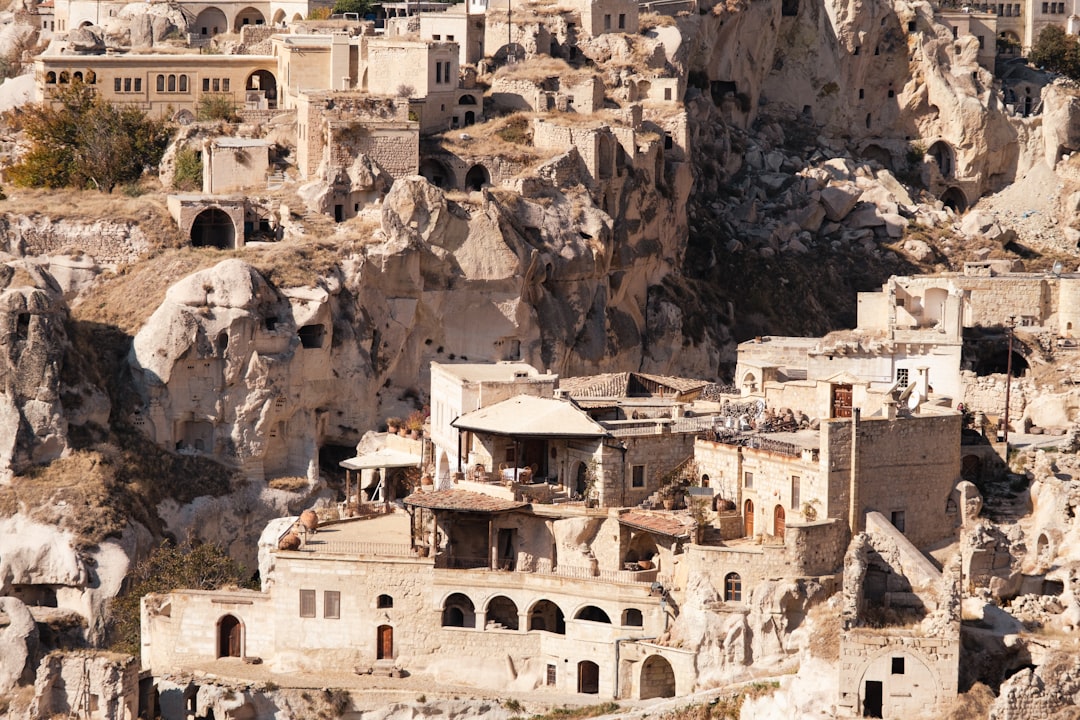
Discover the Ancient Art of Traditional Bread Making in Cappadocia’s Villages
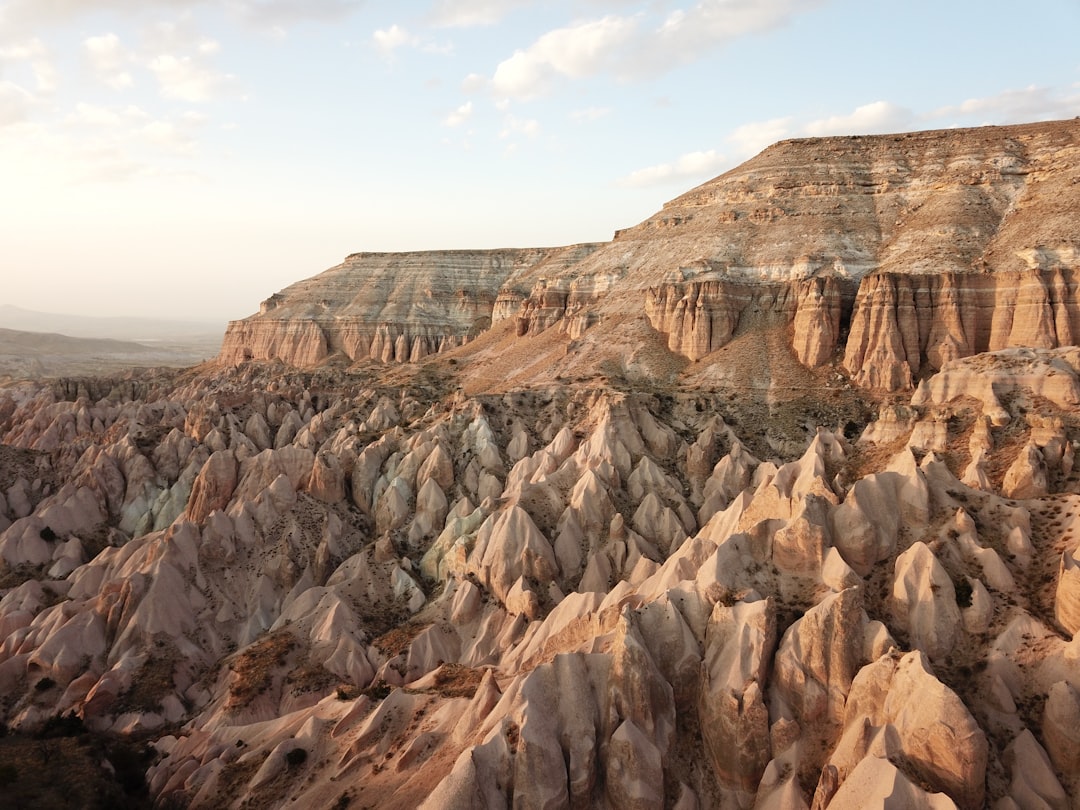
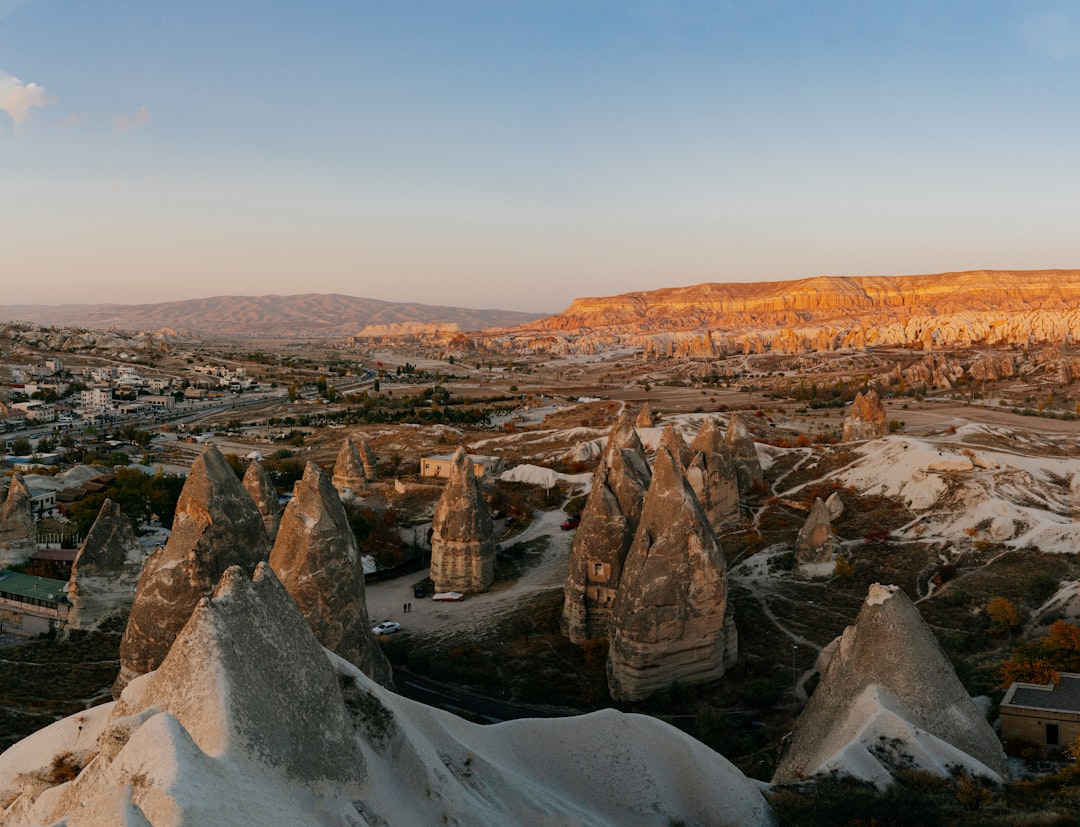
Cappadocia, famed for its otherworldly landscapes of fairy chimneys and captivating hot air balloon rides, holds more than just geological wonders and historical sites. Nestled within its valleys and surrounding villages lies a rich tapestry of cultural traditions, one of the most enduring being the art of traditional bread making. Stepping away from the tourist hotspots and venturing into these villages allows you to witness firsthand this ancient practice, passed down through generations, and even participate in the creation of this essential staple.
For centuries, bread has been the heart of the Cappadocian diet. More than just sustenance, it represents community, hospitality, and the connection to the land. The methods employed in villages like Avanos, Uçhisar, and Ortahisar, offer a glimpse into a time when food preparation was a meticulous and deeply personal process. This article explores the captivating world of traditional bread making in Cappadocia’s villages, highlighting the techniques, the cultural significance, and how you can experience this unique aspect of Cappadocian life.
The Heart of the Home: Traditional Ovens in Cappadocia
The cornerstone of traditional bread making in Cappadocia is the “tandır” oven, a clay oven built either into the ground or as a freestanding structure within the home or courtyard. The tandır is more than just an oven; it’s a symbol of the family and a gathering place, particularly during bread-making days. These ovens, often passed down through generations, are carefully maintained and repaired, reflecting their importance in the household.
The construction of a tandır is an art in itself. Local clay is mixed with straw and other natural materials, then meticulously shaped and allowed to dry slowly to prevent cracking. The design ensures even heat distribution, crucial for baking perfectly browned and flavorful bread. Different villages may have slight variations in their tandır designs, reflecting local traditions and preferences.
From Wheat Field to Table: The Bread-Making Process
The journey of traditional Cappadocian bread begins long before the dough is mixed. It starts with the cultivation of wheat, often grown locally in the surrounding fields. Harvesting is usually a community effort, with families and neighbors working together to bring in the crop. The wheat is then ground into flour, traditionally using a stone mill, though modern mills are also used today. The flour’s coarseness impacts the bread’s texture and adds to its rustic charm.
The dough-making process is a labor of love. Recipes vary from family to family, but the basic ingredients remain the same: flour, water, salt, and a starter (sourdough or yeast). The starter, often carefully nurtured for years, contributes to the bread’s unique flavor and texture. The dough is kneaded by hand, a physically demanding task that requires skill and experience. The kneading process develops the gluten, which gives the bread its structure and elasticity.
After kneading, the dough is left to rise in a warm place, allowing the yeast or sourdough to work its magic. The rising time can vary depending on the temperature and the strength of the starter. Once the dough has doubled in size, it’s ready to be shaped. The baker skillfully divides the dough into portions and shapes them into various forms, often round or oval loaves. Sometimes, the dough is flattened into thin rounds for making gözleme, a savory flatbread filled with cheese, spinach, or potatoes.
The Baking Ritual: Firing the Tandır
Preparing the tandır for baking is a crucial step in the process. The oven is fired with wood or dried dung, carefully regulated to achieve the perfect temperature. The baker uses their experience to judge the heat, ensuring the bread is cooked evenly without burning. Once the oven is hot enough, the embers are raked out, and the inside is cleaned with a damp cloth.
The loaves are then carefully placed inside the hot tandır, often stuck directly to the oven walls. The baker must be quick and precise, as the oven loses heat rapidly. The baking time varies depending on the size and thickness of the loaves, but it typically takes between 30 to 60 minutes. During baking, the aroma of freshly baked bread fills the air, a tantalizing scent that evokes feelings of warmth and comfort.
Varieties of Traditional Cappadocian Bread
Cappadocia boasts a diverse range of traditional breads, each with its unique characteristics and purpose. Here are some of the most common types:
- Ekmek: The everyday bread, typically a large, round loaf made with wheat flour. This is the staple bread of the region.
- Bazlama: A flatbread cooked on a griddle or in a tandır, often used for wrapping kebabs or eating with dips. Its soft texture and slightly smoky flavor make it a local favorite.
- Gözleme: A savory flatbread filled with various ingredients, such as cheese, spinach, potatoes, or minced meat. It’s a popular snack or light meal, often enjoyed with ayran (a salty yogurt drink).
- Yufka: A very thin flatbread, similar to phyllo dough, used for making börek (a savory pastry). It requires significant skill to prepare, as the dough must be stretched incredibly thin without tearing.
- Pide: A boat-shaped flatbread topped with various ingredients, similar to pizza. Common toppings include cheese, minced meat, and vegetables.
Cultural Significance of Bread in Cappadocia
Bread holds a profound cultural significance in Cappadocia, deeply intertwined with hospitality, community, and tradition. Offering bread to guests is a sign of welcome and generosity, and sharing a meal together is an important social custom. Bread is also often used in religious ceremonies and celebrations, symbolizing sustenance and blessings.
In many Cappadocian villages, bread making is a communal activity. Women often gather together to bake bread, sharing stories, recipes, and laughter. This shared experience strengthens community bonds and preserves traditional knowledge. The skills and techniques of bread making are passed down from mother to daughter, ensuring the continuity of this vital cultural practice.
Experiencing Traditional Bread Making in Cappadocia
While many bakeries in Cappadocia offer commercially produced bread, the best way to experience the authentic art of traditional bread making is to venture into the villages and seek out opportunities to witness or participate in the process. Several options are available for travelers interested in learning more:
- Village Visits: Organize a guided visit to a local village, such as Avanos or Ortahisar, and request a visit to a family home where bread making is practiced. Be respectful and ask permission before taking photographs or videos.
- Cooking Classes: Some local businesses and guesthouses offer cooking classes that focus on traditional Cappadocian cuisine, including bread making. These classes provide hands-on experience and allow you to learn the techniques from skilled local cooks.
- Farm Stays: Consider staying at a farm stay in a rural area of Cappadocia. Many farm stays offer opportunities to participate in traditional activities, such as bread making, cheese making, and harvesting crops.
- Homestays: Staying with a local family in a village homestay is a great way to experience the culture firsthand. Inquire whether the family makes their own bread and if they are willing to share their knowledge with you.
Beyond Bread: Discovering Cappadocian Village Life
While the focus of this article is on traditional bread making, a visit to a Cappadocian village offers much more than just culinary experiences. You can also discover:
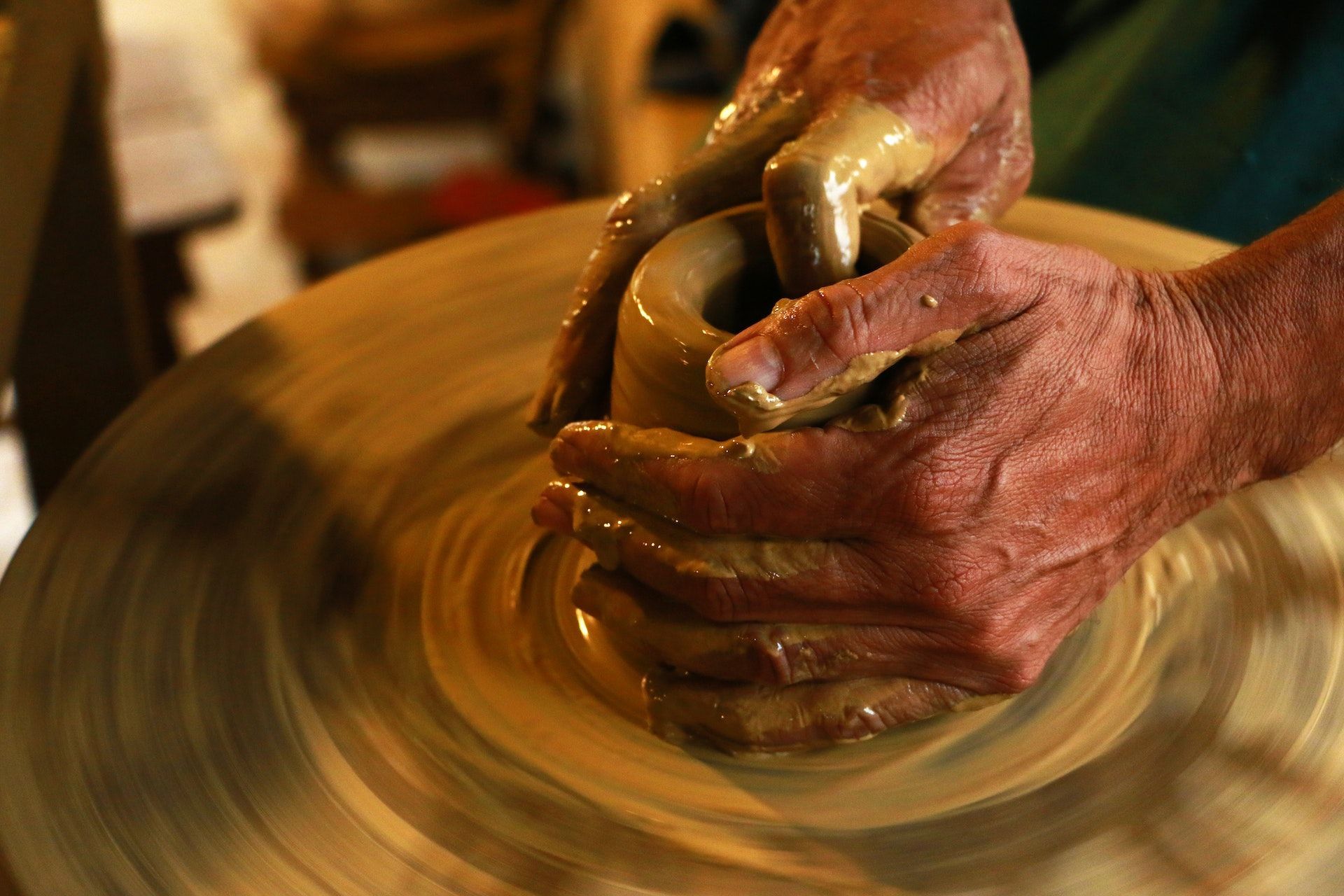
- Handicrafts: Many villages are known for their traditional handicrafts, such as pottery, carpet weaving, and embroidery. Avanos, in particular, is famous for its pottery, made from the red clay of the Kızılırmak River.
- Local Markets: Visit the local markets to sample regional specialties, such as dried fruits, nuts, and spices. These markets are a vibrant hub of activity and offer a glimpse into the daily life of the villagers.
- Historical Sites: Explore the ancient churches, monasteries, and cave dwellings that are scattered throughout the villages. Many of these sites are less crowded than the main tourist attractions and offer a more intimate glimpse into Cappadocia’s history.
- Hiking Trails: Discover the hidden valleys and stunning landscapes that surround the villages by exploring the network of hiking trails. Many trails offer breathtaking views of the fairy chimneys and other geological formations.
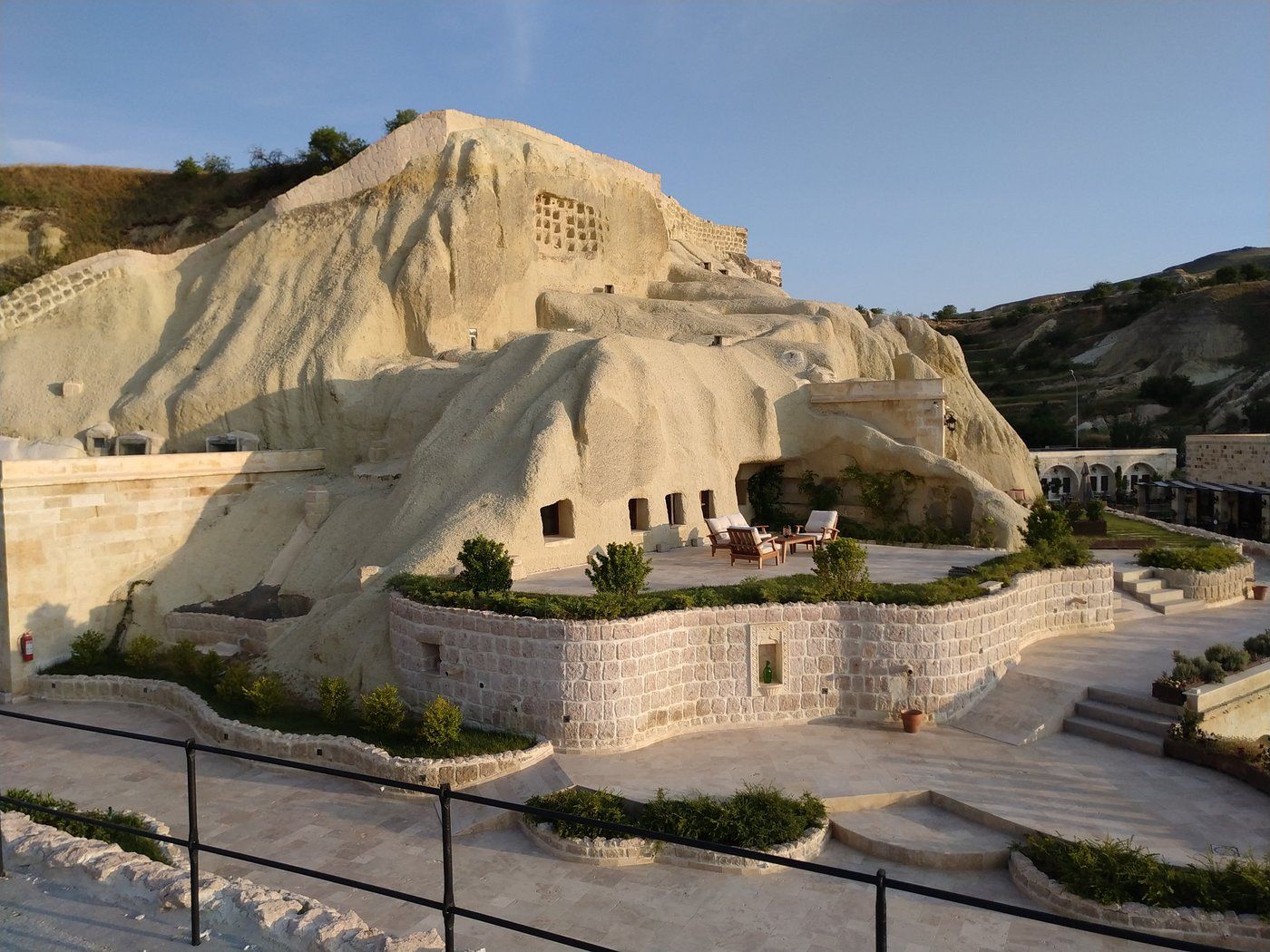
Their cozy cave interior provides the perfect atmosphere to relax and reflect on your cultural immersion.
And to easily get to and from the villages, or perhaps to visit different regions of Cappadocia, Cappadocia Taxi (website: cappadocia.taxi) offers a reliable and comfortable transportation option. Their professional English-speaking drivers and 24/7 airport taxi service from Kayseri and Nevsehir airports will ensure a stress-free travel experience.
Preserving Tradition: The Future of Bread Making in Cappadocia
While modern influences are gradually impacting traditional practices, there is a growing awareness of the importance of preserving Cappadocia’s cultural heritage. Efforts are being made to support local artisans and promote traditional crafts, including bread making. By visiting the villages, participating in cultural activities, and purchasing locally made products, you can contribute to the preservation of these traditions for future generations.
Traditional bread making in Cappadocia is more than just a culinary skill; it’s a living embodiment of the region’s history, culture, and community spirit. By taking the time to explore this unique aspect of Cappadocian life, you can gain a deeper appreciation for the beauty and richness of this remarkable region.
So, next time you find yourself in Cappadocia, venture beyond the well-trodden tourist paths and immerse yourself in the authentic world of traditional bread making. You’ll not only taste the delicious flavors of Cappadocia but also experience the warmth and hospitality of its people.
Ready to experience the magic of Cappadocia? Book your hot air balloon ride and cave hotel stay today!