Turkey vs Greece: A Cave Dwelling Comparison
Turkey and Greece, two nations steeped in history and blessed with stunning landscapes, share a fascinating architectural tradition: cave dwellings. From the otherworldly fairy chimneys of Cappadocia to the volcanic caldera of Santorini, both countries have ingeniously utilized natural formations to create unique and captivating settlements. While both showcase the ingenuity of past civilizations, the context, construction techniques, and current uses of these cave dwellings differ significantly. This article delves into a detailed comparison of cave dwellings in Turkey and Greece, offering insights for travelers and history enthusiasts alike, particularly those planning a trip to Cappadocia.
Cappadocia, Turkey: A Kingdom Carved in Stone
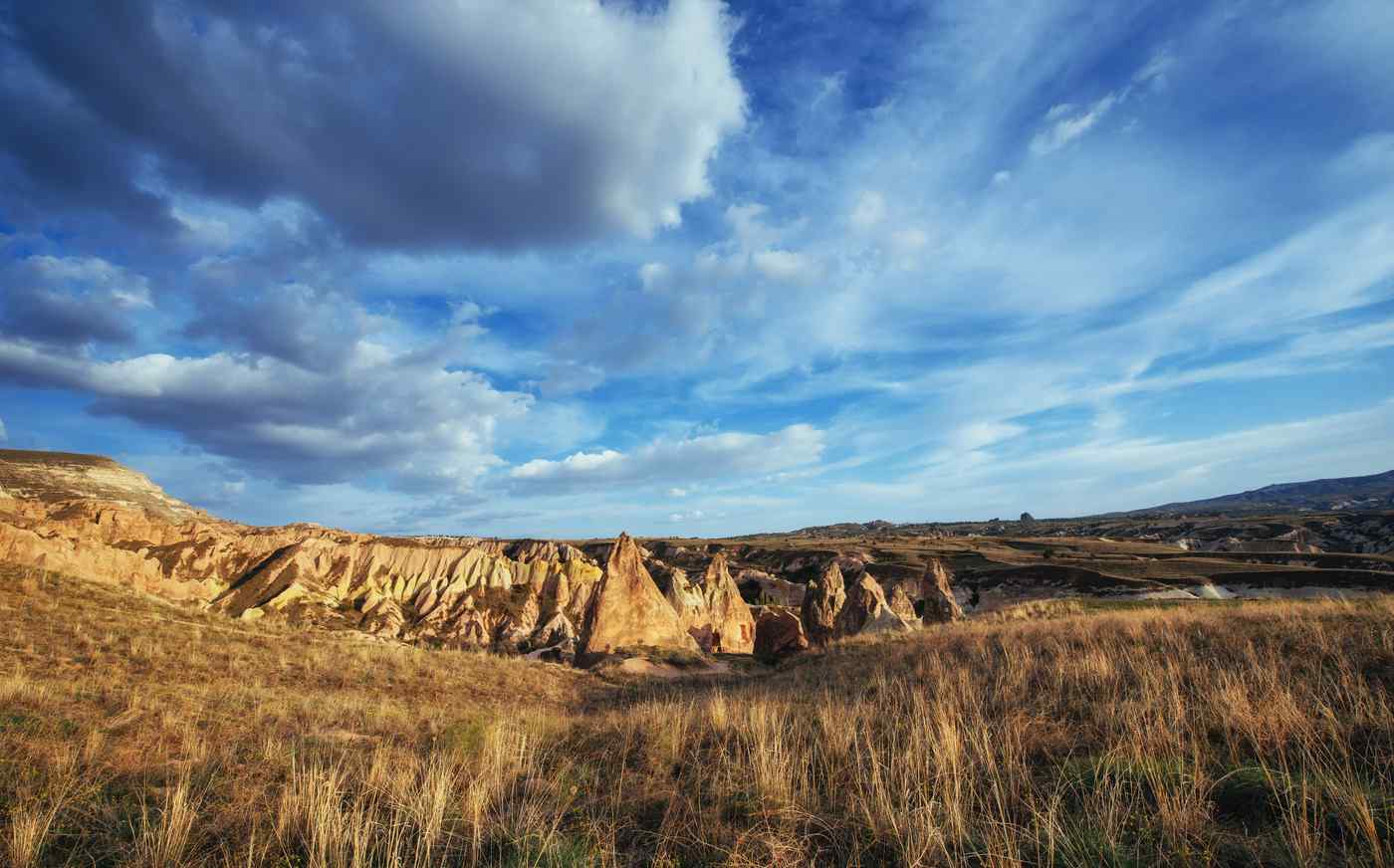
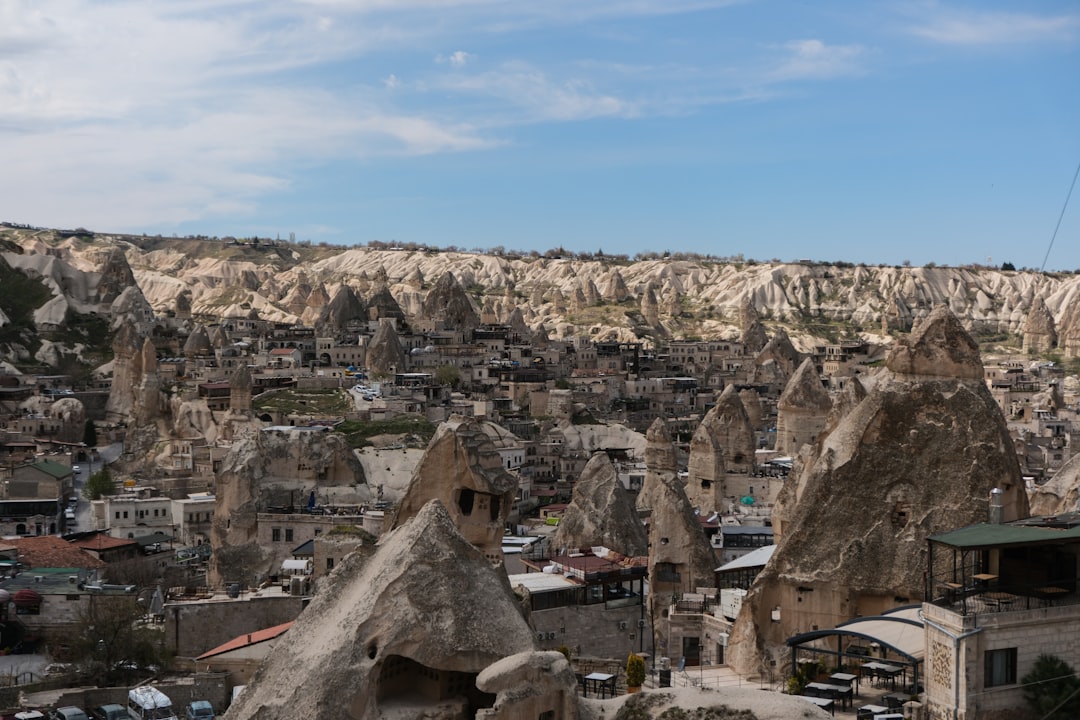
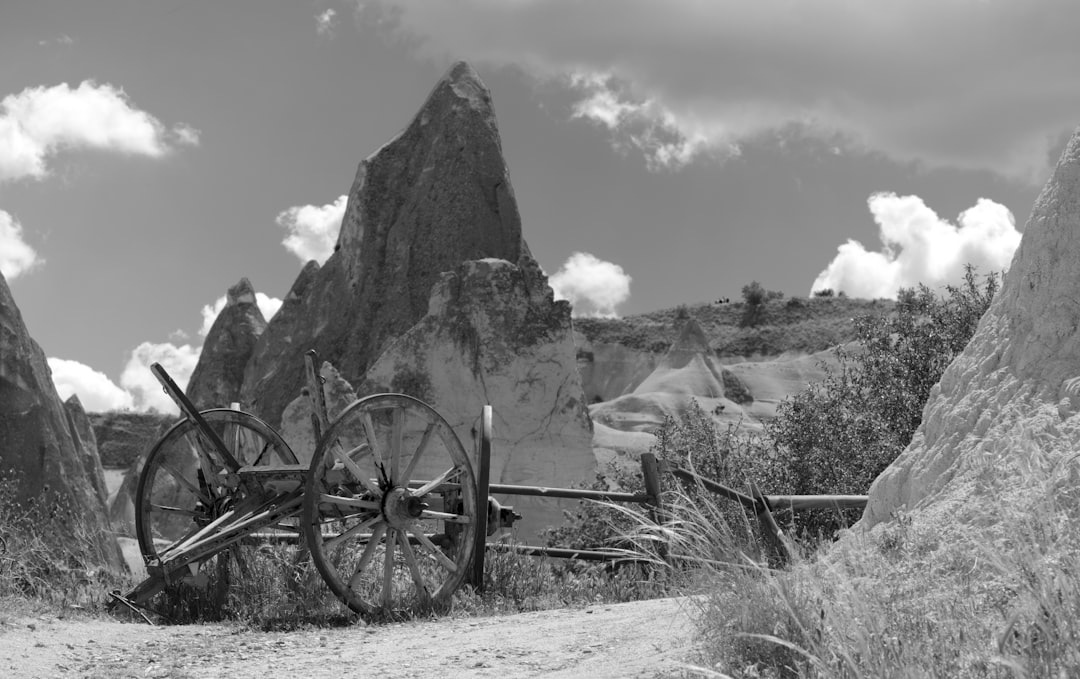
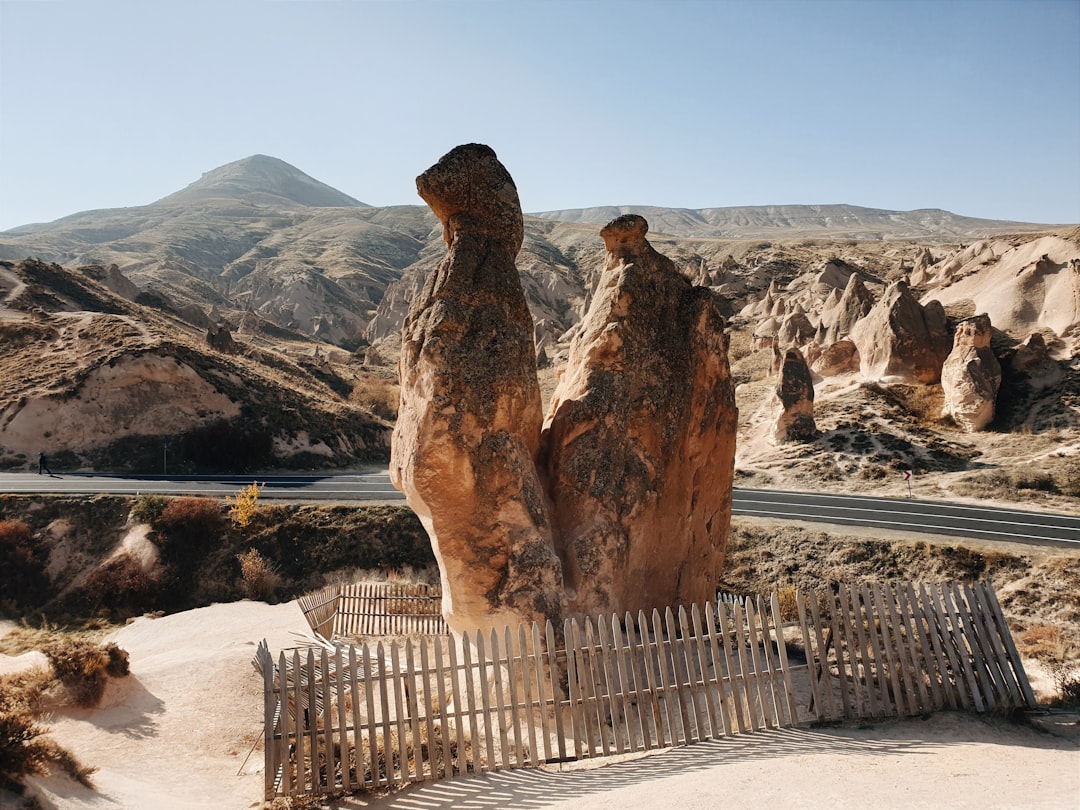
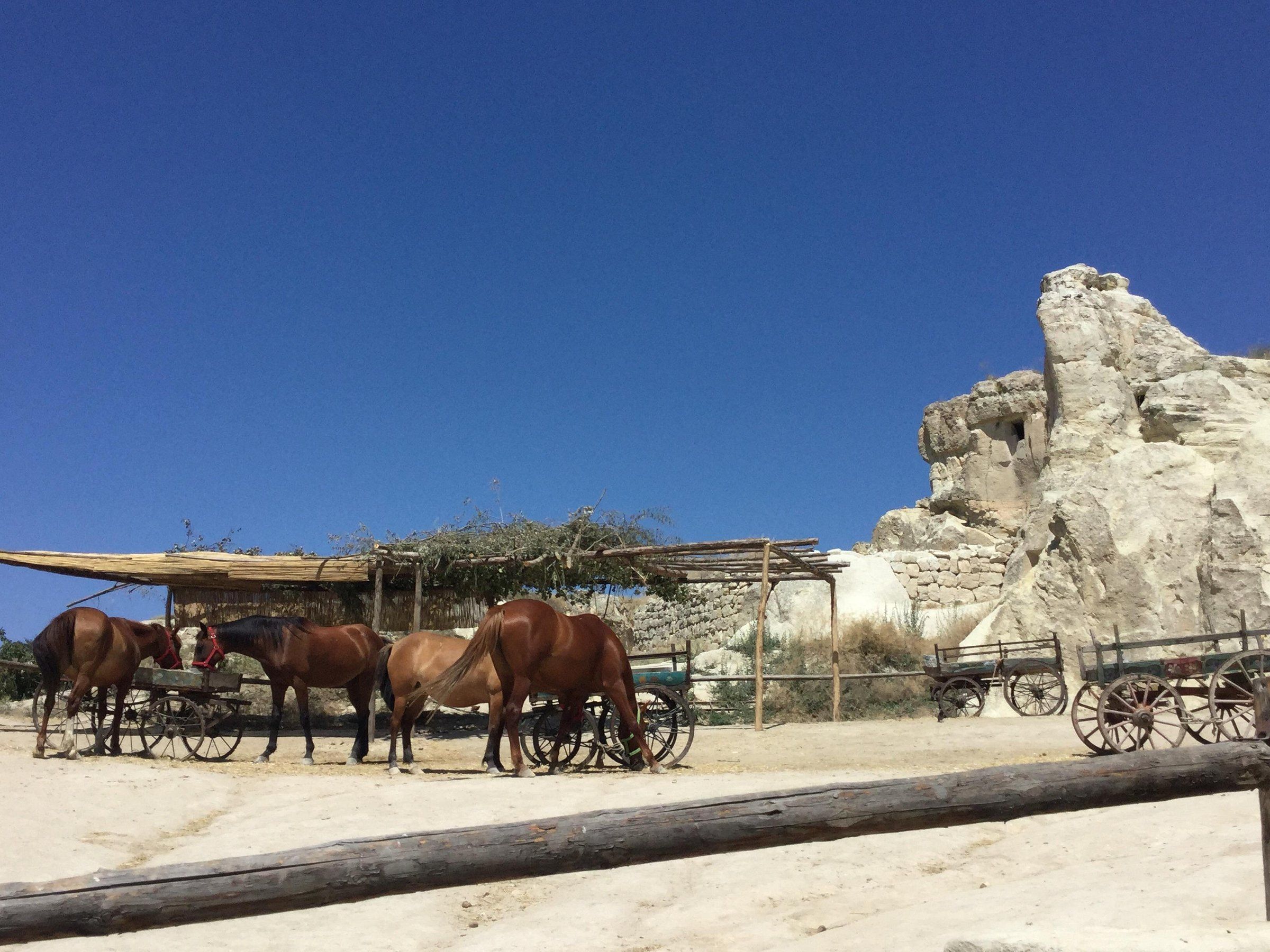
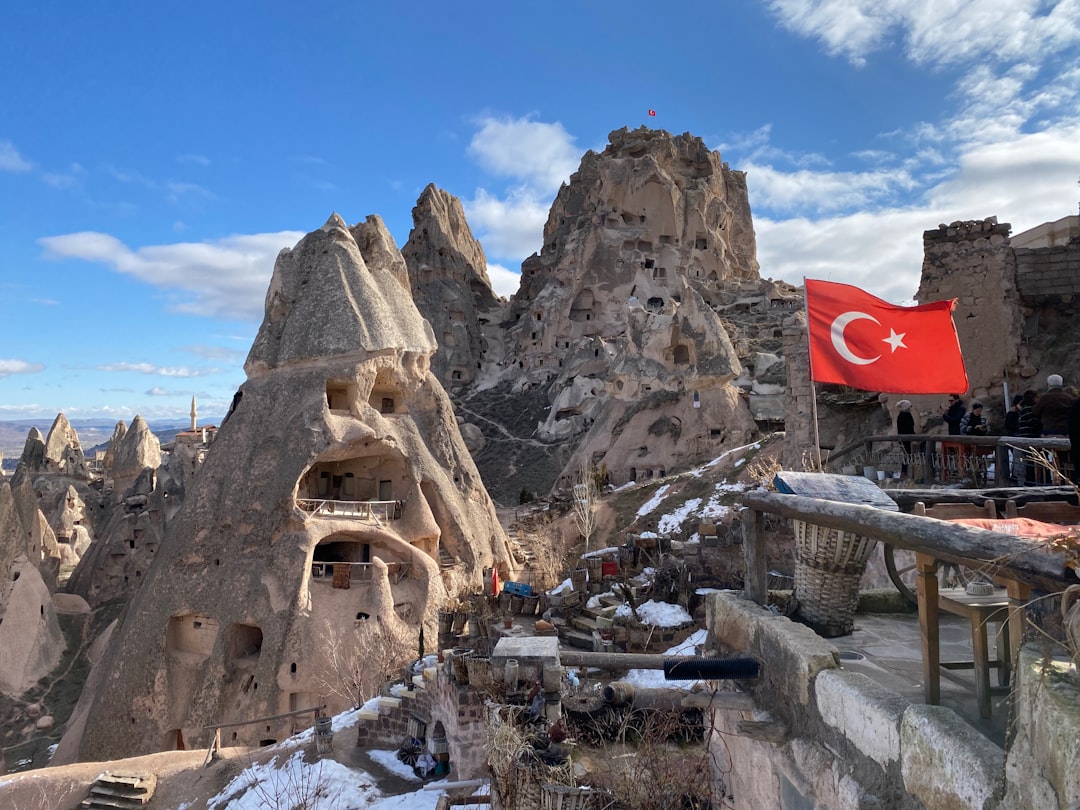
Cappadocia, located in central Turkey, is globally renowned for its surreal landscape of cone-shaped rock formations called fairy chimneys. These formations, the result of volcanic activity and erosion over millions of years, provided a unique opportunity for early inhabitants to carve homes, churches, and entire underground cities directly into the soft tufa rock. The region’s history is deeply intertwined with these cave dwellings, offering a captivating glimpse into the lives of ancient communities.
History and Purpose of Cappadocian Cave Dwellings
The earliest known inhabitants of Cappadocia were the Hittites, around 1700 BC. However, the widespread adoption of cave dwellings began during the Roman and Byzantine periods. Christians, seeking refuge from persecution, found sanctuary in the secluded valleys and sculpted intricate churches adorned with frescoes into the soft rock. These rock-cut churches, like those found in the Goreme Open Air Museum, are testaments to their faith and artistic skill.
Beyond religious purposes, cave dwellings served as homes, stables, and storage areas. The tufa rock provided excellent insulation, keeping interiors cool in the summer and warm in the winter. The easily workable rock also allowed for expansion and customization, resulting in multi-level homes and interconnected complexes. Perhaps the most remarkable examples are the underground cities, such as Derinkuyu and Kaymakli, which could house thousands of people and their livestock for extended periods, offering protection from invaders.
Cappadocian Cave Architecture and Construction
Cappadocian cave architecture is characterized by its simplicity and functionality. Structures were carved directly into the rock face, often with minimal external ornamentation. Interiors were typically small and sparsely furnished, with niches serving as shelves and beds. Ventilation shafts provided fresh air and light, while chimneys channeled smoke from cooking fires. The focus was on creating secure and practical living spaces within the natural environment.
Construction involved using picks, shovels, and chisels to excavate the rock. The soft tufa was relatively easy to work with, but the process was still labor-intensive. The resulting debris was used to create terraces and retaining walls, further shaping the landscape.
Modern Use of Cave Dwellings in Cappadocia
Today, many of Cappadocia’s cave dwellings have been repurposed as boutique hotels, offering visitors a unique and immersive experience. These “cave hotels” combine the charm of historical architecture with modern amenities, providing a comfortable and authentic stay. Some traditional homes are still inhabited by locals, preserving a connection to the region’s past. The stunning views and unparalleled atmosphere make these accommodations incredibly popular. You can experience this unique accommodation and discover the stunning fairy chimneys with a memorable stay in a cave hotel.
Beyond accommodation, the unique landscape of Cappadocia also attracts visitors interested in activities such as hot air balloon rides, hiking through the valleys, and exploring the historical sites. The region is a UNESCO World Heritage Site, recognized for its exceptional cultural and natural significance.
Greece: Cave Houses of Santorini and Beyond
While Cappadocia boasts entire underground cities and rock-cut churches, Greece features cave dwellings adapted to its unique geography and historical context, particularly on islands like Santorini. Carved into the volcanic cliffs, these structures differ significantly from their Turkish counterparts.
History and Purpose of Greek Cave Houses
The cave houses of Santorini, known as yposkafa (meaning “dug into”), were primarily built in the 18th and 19th centuries. The island’s volcanic landscape, particularly the steep caldera cliffs, limited the availability of building materials and space. Excavating homes into the soft volcanic rock provided a practical solution. These homes offered excellent insulation and protection from the strong winds that frequently sweep the Aegean Sea.
Unlike the Cappadocian cave dwellings, which served as refuge during times of persecution, the Santorini cave houses were primarily built out of necessity and practicality. They provided affordable housing for the island’s working-class population, particularly sailors and fishermen. The proximity to the sea and the natural shelter offered by the cliffs made them ideal homes.
Greek Cave Architecture and Construction
The architecture of Santorini’s cave houses is distinctly different from that of Cappadocia. While both involve excavating into rock, the Santorini dwellings tend to be more integrated into the landscape, with white-washed facades blending seamlessly with the cliffside. The use of local volcanic stone and lime mortar is also characteristic of the region.
The construction process involved digging into the volcanic rock and creating vaulted ceilings. The interiors were typically small and simple, with whitewashed walls and minimal decoration. Natural light was often limited, but the thick walls provided excellent insulation and kept the interiors cool in the summer heat.
Besides Santorini, other Greek islands, such as Milos and Folegandros, also feature cave dwellings, often used as storage areas or shelters for animals. These structures, while less prominent than those in Santorini, contribute to the diverse architectural heritage of the Greek islands.
Modern Use of Cave Houses in Greece
In recent years, many of Santorini’s cave houses have been renovated and transformed into luxury hotels and vacation rentals. Their unique character, stunning caldera views, and prime location have made them highly sought-after accommodations. The transformation of these traditional dwellings into upscale properties has contributed to the island’s thriving tourism industry.
While some cave houses remain as private residences, the majority have been repurposed to cater to the growing influx of visitors. The preservation of these historical structures, combined with modern amenities, offers a unique and authentic experience for travelers.
Key Differences and Similarities
While both Turkey and Greece boast fascinating cave dwellings, several key differences distinguish them:
- Purpose: Cappadocian cave dwellings served as refuge, religious centers, and living spaces, while Santorini cave houses were primarily built out of necessity due to limited space and resources.
- Architecture: Cappadocian architecture is characterized by its raw, unadorned aesthetic, while Santorini architecture is known for its whitewashed facades and integration into the landscape.
- Scale: Cappadocia features entire underground cities, while Santorini cave houses are typically smaller and more isolated.
- Geological Context: Cappadocia’s tufa rock allowed for extensive carving, while Santorini’s volcanic rock presented different construction challenges.
Despite these differences, both regions share a common thread: the ingenious use of natural resources to create functional and sustainable living spaces. Both Cappadocian and Greek cave dwellings offer a glimpse into the past and demonstrate the adaptability of human ingenuity.
Planning Your Trip: Cappadocia and Beyond
If you’re planning a trip to explore cave dwellings, both Cappadocia and Santorini offer unforgettable experiences. In Cappadocia, be sure to visit the Goreme Open Air Museum, explore the underground cities of Derinkuyu and Kaymakli, and take a hot air balloon ride over the fairy chimneys. Consider staying in a cave hotel for an immersive experience.
In Santorini, explore the villages of Oia and Imerovigli, admire the whitewashed cave houses, and enjoy the stunning sunset views. Consider a boat trip to the volcanic islands of Nea Kameni and Palea Kameni.
Before you book your activities or transportation, remember to research and compare prices for the best deals. When in Cappadocia, consider using Cappadocia Taxi (cappadocia.taxi) for reliable airport taxi rides and transportation around the region. They offer professional English-speaking drivers and comfortable vehicles for a hassle-free experience. It offers 24/7 airport taxi rides from Kayseri and Nevsehir airports.
Fueling Your Adventure: Where to Eat and Drink in Cappadocia
No trip is complete without indulging in local cuisine. In Cappadocia, make sure to try traditional Turkish dishes like testi kebab (pottery kebab) and manti (Turkish dumplings).
Conclusion
The cave dwellings of Turkey and Greece offer a fascinating glimpse into the past, showcasing the ingenuity and adaptability of past civilizations. While the purpose, architecture, and geological context differ, both regions offer unique and unforgettable experiences for travelers. Whether you’re exploring the underground cities of Cappadocia or admiring the whitewashed cave houses of Santorini, you’re sure to be captivated by these remarkable architectural wonders.
Ready to experience the magic of Cappadocia? Book your hot air balloon ride and cave hotel stay today!