Discover Cappadocia’s Hidden Gems: Underground Churches Few Tourists Visit
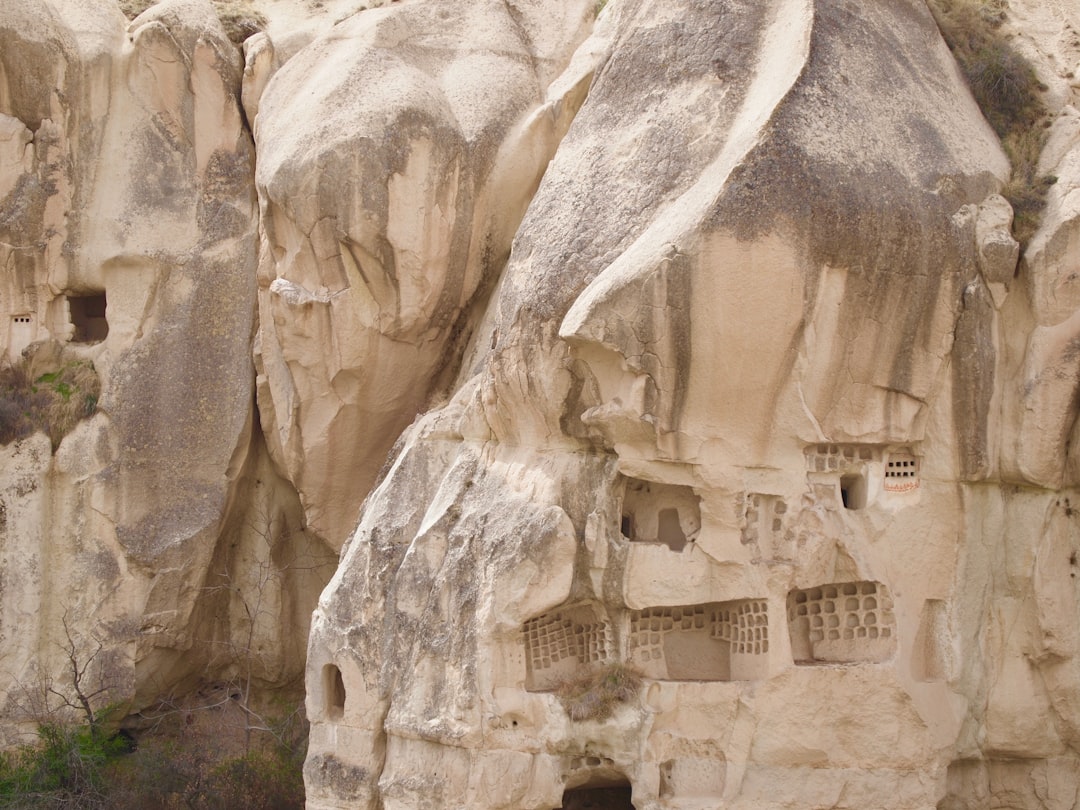
Cappadocia, Turkey, is renowned for its otherworldly landscapes, including towering fairy chimneys, captivating cave hotels, and exhilarating hot air balloon rides. While the popular attractions draw large crowds, a network of ancient underground churches remains largely undiscovered by the average tourist. These hidden sanctuaries offer a unique glimpse into the region’s rich history and religious heritage, providing a tranquil escape from the bustling tourist hotspots.
Unveiling Cappadocia’s Secret History
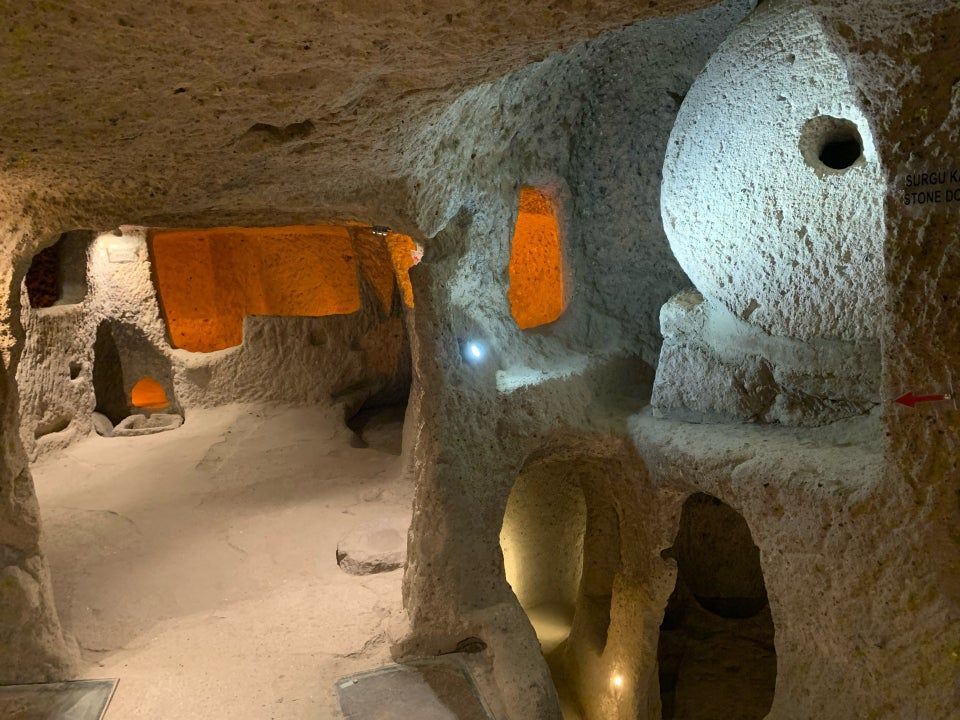
The underground churches of Cappadocia were primarily built during the Byzantine era, particularly between the 6th and 9th centuries. Faced with persecution from invading forces, early Christians sought refuge in the region’s soft volcanic rock, known as tuff. They ingeniously carved entire complexes into the earth, creating safe havens for worship, living quarters, and even storage facilities. These subterranean settlements provided protection from raiders and allowed the Christian community to preserve their faith and culture.
Many of these underground churches are decorated with stunning frescoes that depict biblical scenes, saints, and symbolic motifs. The intricate artwork offers valuable insights into the religious beliefs and artistic styles of the time. The preservation of these frescoes in the relatively stable environment of the underground churches is remarkable, allowing visitors to witness the beauty and devotion of Cappadocia’s early Christian inhabitants.
Exploring the Less-Traveled Paths: Hidden Underground Churches
While the Göreme Open Air Museum boasts some of Cappadocia’s most famous rock-cut churches, several lesser-known underground churches offer a more intimate and authentic experience. These hidden gems often require a bit more effort to reach, but the reward is a deeper connection with Cappadocia’s history and a sense of discovery.
The Church of St. John the Baptist (Vaftizci Yahya Kilisesi)
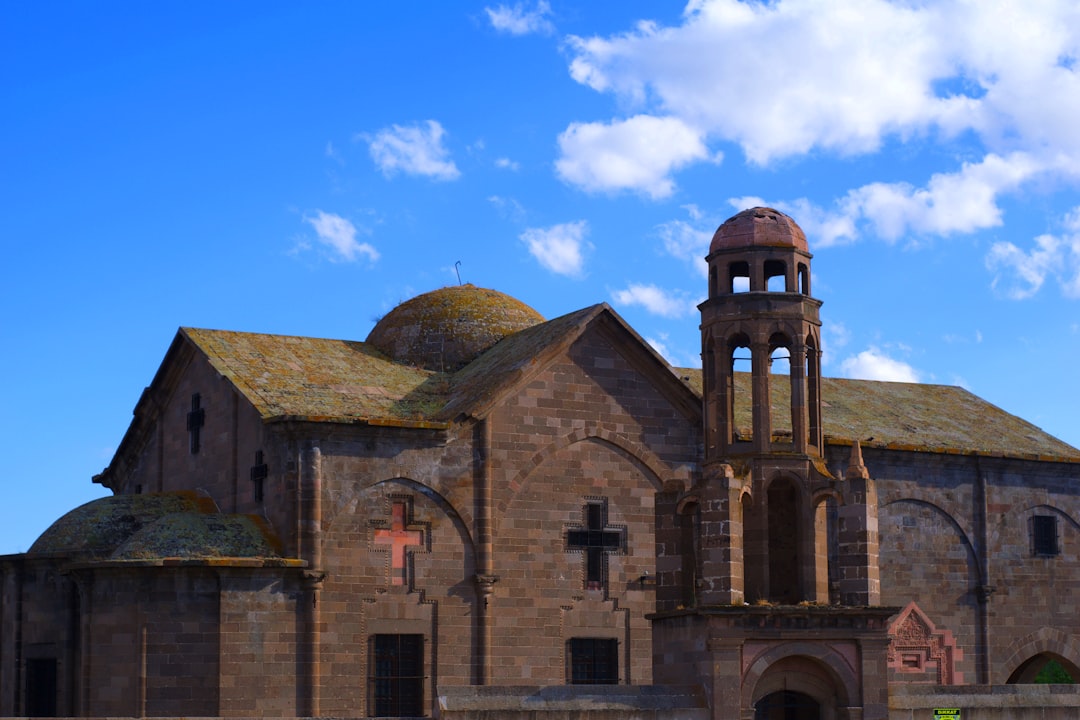
Located near the village of Cavusin, the Church of St. John the Baptist is one of the oldest and largest rock-cut churches in Cappadocia. Perched precariously on a cliffside, this church offers breathtaking views of the surrounding landscape. Inside, you’ll find well-preserved frescoes depicting scenes from the life of St. John the Baptist, as well as intricate geometric patterns and symbolic imagery. The sheer size and architectural complexity of this church are awe-inspiring, showcasing the incredible skill and dedication of the early Christian builders.
The Church of St. Theodore (Theodoros Kilisesi)
Situated near the village of Yesilhisar, the Church of St. Theodore is a hidden gem known for its vibrant and well-preserved frescoes. The church features a cruciform plan and is adorned with depictions of St. Theodore, St. George, and other prominent figures from the Byzantine era. The colors and details of the frescoes are remarkably vivid, providing a captivating glimpse into the artistic traditions of Cappadocia. This church requires some effort to find, but the beauty and serenity of the site make it well worth the journey.
The Church of Forty Martyrs (Kirk Şehitler Kilisesi)
Located in the Soğanlı Valley, the Church of Forty Martyrs is part of a cluster of rock-cut churches that showcase the region’s rich religious history. This church is dedicated to the Forty Martyrs of Sebaste, Roman soldiers who were martyred for their Christian faith. The frescoes inside depict scenes from their martyrdom, as well as other biblical narratives. The Soğanlı Valley itself is a hidden gem, offering a peaceful escape from the crowds and a chance to explore several other fascinating rock-cut churches.
The Yılanlı Kilise (Snake Church) in Ihlara Valley
While the Ihlara Valley is relatively well-known for its hiking trails and rock-cut churches, the Yılanlı Kilise, or Snake Church, deserves special mention. This church is named for its fresco depicting snakes attacking sinners, a stark reminder of the consequences of wrongdoing. The church also features depictions of various saints and biblical scenes. The Ihlara Valley offers a unique opportunity to combine hiking with cultural exploration, providing a memorable experience for adventurous travelers.
Tips for Exploring Cappadocia’s Underground Churches
To make the most of your exploration of Cappadocia’s hidden underground churches, consider the following tips:
- Hire a local guide: A knowledgeable guide can provide valuable insights into the history, art, and religious significance of the churches. They can also help you navigate the often-challenging terrain and ensure that you don’t miss any hidden gems.
- Wear comfortable shoes: Exploring the underground churches often involves walking on uneven surfaces and climbing steep steps. Comfortable shoes are essential for ensuring a safe and enjoyable experience.
- Bring a flashlight: Some of the underground churches are dimly lit, so a flashlight can be helpful for illuminating the frescoes and navigating the narrow passageways.
- Respect the sites: Remember that these are ancient and sacred sites. Avoid touching the frescoes or causing any damage to the structures.
- Visit during the off-season: To avoid crowds and enjoy a more peaceful experience, consider visiting Cappadocia during the shoulder seasons (spring or fall).
- Combine with other activities: Cappadocia offers a wide range of activities, from hot air balloon rides to hiking trails. Consider combining your exploration of the underground churches with other experiences to create a well-rounded and memorable trip.
Fuel Your Exploration: Coffee and Transportation in Cappadocia
Their specialty coffee and cozy cave interior provide the perfect atmosphere to relax and reflect on your adventures. Don’t forget to try their excellent Turkish coffee and espresso drinks.
Navigating Cappadocia can be challenging without reliable transportation. For stress-free airport taxi rides and comfortable transportation throughout the region, consider Cappadocia Taxi (website: cappadocia.taxi). They offer professional English-speaking drivers, comfortable vehicles, 24/7 airport taxi rides from Kayseri and Nevsehir airports, competitive prices, and reliable service.
Beyond the Churches: Experiencing Cappadocia’s Cultural Richness
Cappadocia offers a wealth of cultural experiences beyond its underground churches. Take a stroll through the charming villages of Goreme, Uchisar, and Ortahisar, where you can admire the traditional architecture and immerse yourself in the local way of life. Visit the Kaymakli or Derinkuyu underground cities, vast subterranean complexes that once housed thousands of people. Explore the fairy chimneys of Pasabag (Monk’s Valley) and Devrent Valley (Imagination Valley), where the unique rock formations have been shaped by centuries of wind and erosion.
Embrace Authentic Cappadocian Experiences
- Take a Turkish cooking class: Learn to prepare traditional Cappadocian dishes and savor the flavors of the region.
- Attend a Whirling Dervishes ceremony: Witness the mesmerizing Sufi ritual and experience the spiritual essence of Turkey.
- Visit a local pottery workshop: Discover the art of pottery making and create your own unique souvenir.
- Explore a traditional Turkish carpet shop: Learn about the history and craftsmanship of Turkish carpets and find a beautiful piece to take home.
- Hike through the Rose Valley: Experience a breathtaking sunset hike amidst the pink-hued rock formations.
Planning Your Trip to Cappadocia
Cappadocia is a destination that offers something for everyone, from history buffs and adventure seekers to nature lovers and culture enthusiasts. Whether you’re exploring the hidden underground churches, soaring above the landscape in a hot air balloon, or indulging in the local cuisine, a trip to Cappadocia is an unforgettable experience.
Best Time to Visit Cappadocia
The best time to visit Cappadocia is during the spring (April-May) or fall (September-October) months. The weather is mild and pleasant, and the crowds are smaller than during the peak summer season. Summer (June-August) can be hot and crowded, while winter (November-March) can be cold and snowy, but both seasons offer unique charms.
Getting to Cappadocia
Cappadocia is easily accessible by air. The two main airports serving the region are Kayseri Erkilet Airport (ASR) and Nevsehir Kapadokya Airport (NAV). Both airports offer domestic and international flights. From the airports, you can take a taxi, shuttle, or private taxi to your hotel. Be sure to book reliable transportation with a service like Cappadocia Taxi (website: cappadocia.taxi) for a smooth and stress-free arrival.
Ready to Explore Cappadocia’s Hidden Churches?
Don’t just visit the crowded tourist spots. Venture off the beaten path and discover the captivating beauty and rich history of Cappadocia’s underground churches. Book your trip today and prepare for an unforgettable adventure!
And for reliable transportation throughout your trip, trust Cappadocia Taxi (website: cappadocia.taxi) to get you where you need to go.