Why Cappadocia Feels Like Three Climates in One Day
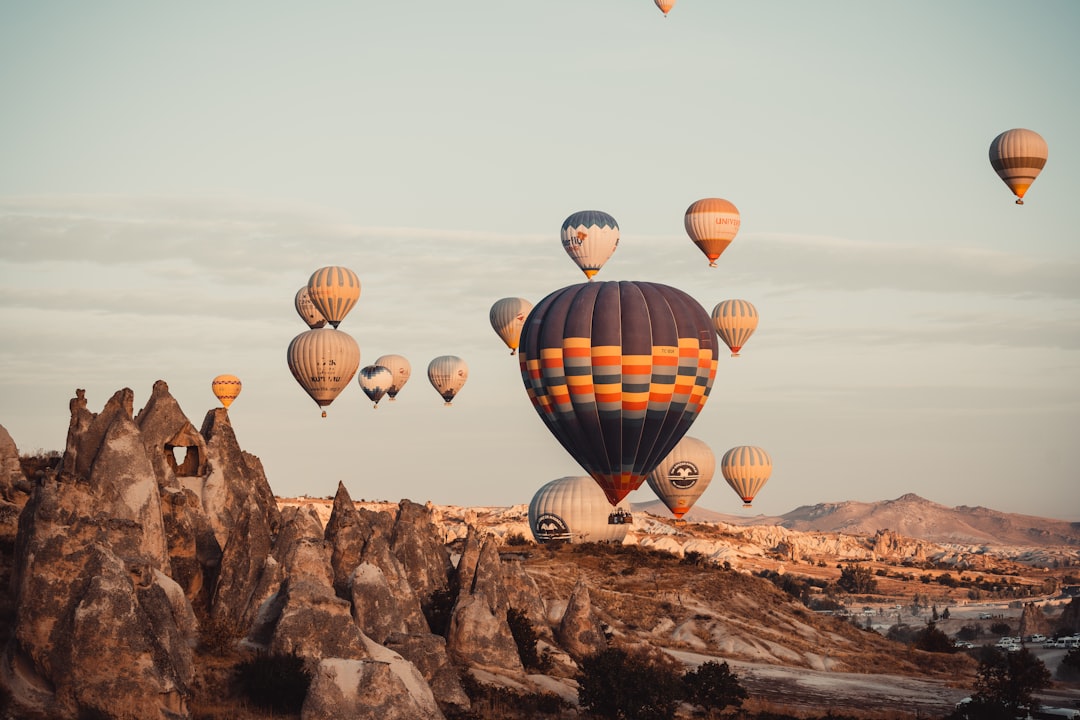
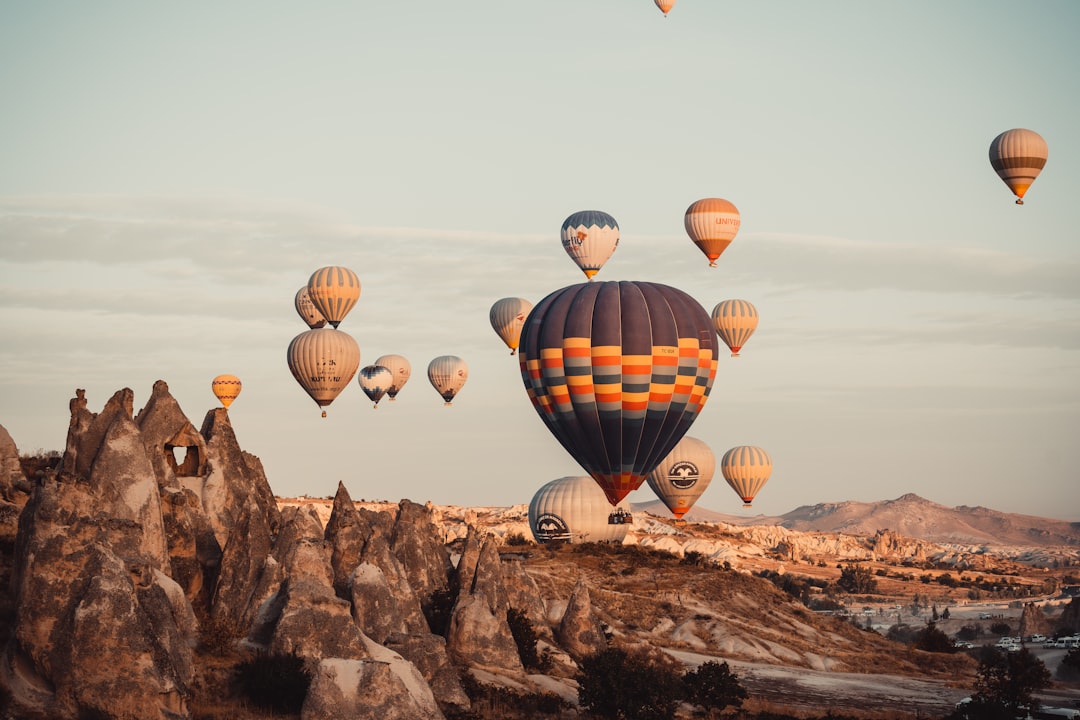
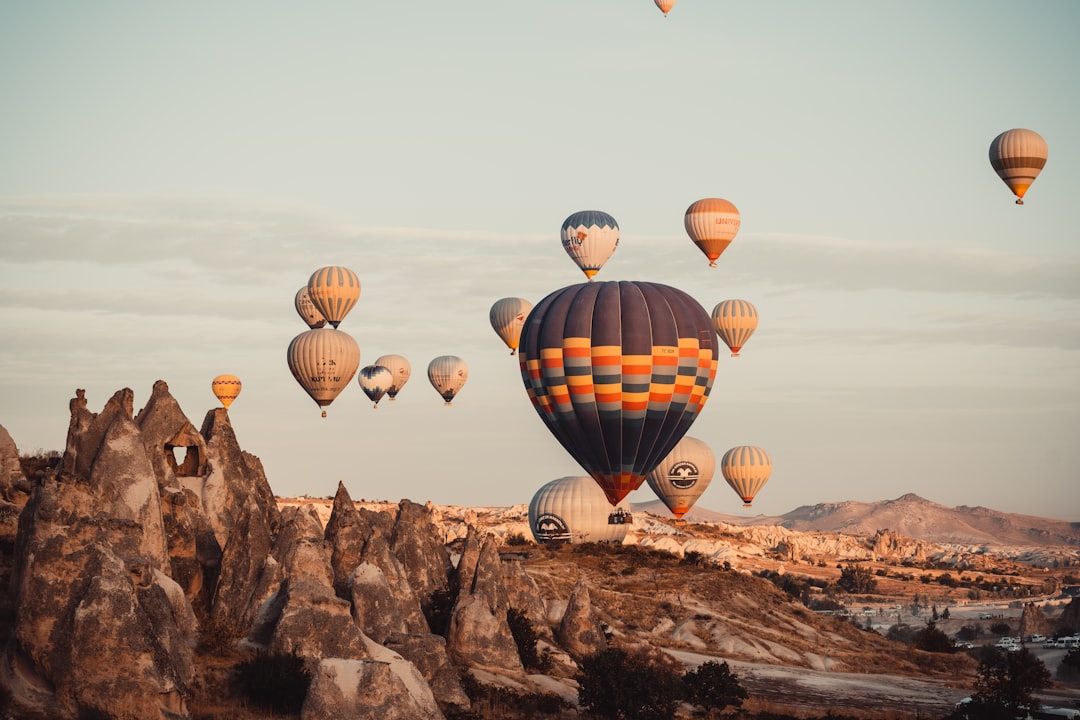
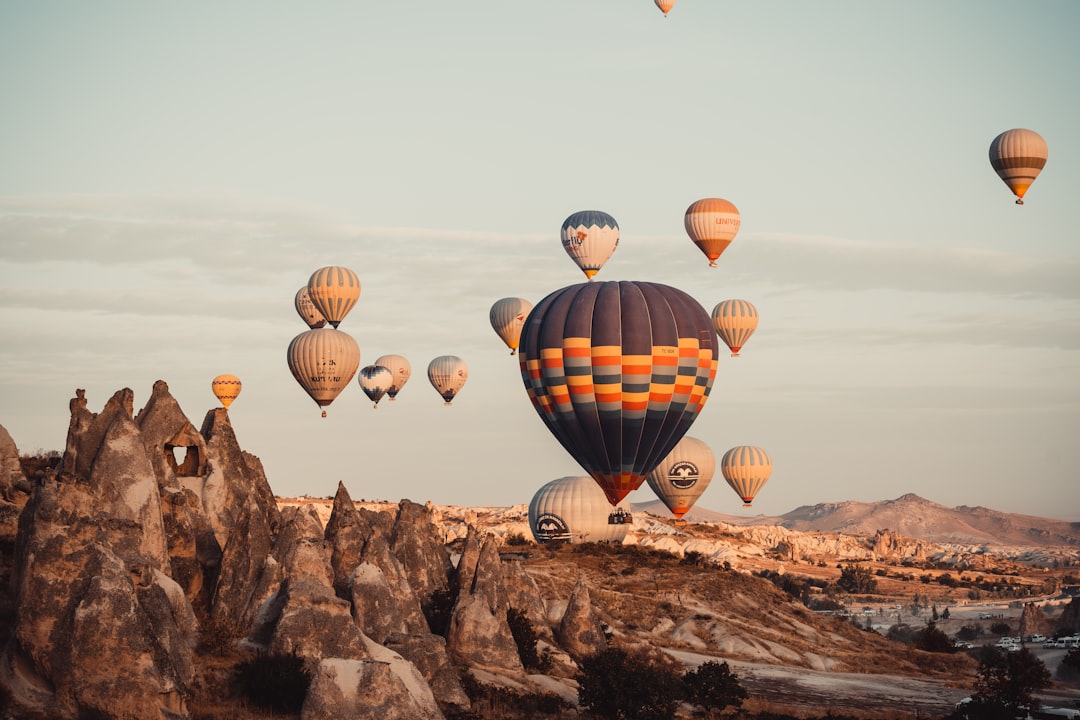
There is a particular Cappadocia memory almost every traveler shares: standing in a dark field before dawn, breath fogging, hands buried in pockets, watching burners light up the balloons. An hour later you are peeling off a jacket in golden sunshine, squinting at fairy chimneys. By the time you climb back up a valley at sunset, you are reaching for that jacket again. The landscape gets all the photos, but the feeling of a Cappadocia day is really shaped by its swings — and once you plan for them, they stop being a nuisance and become part of the rhythm.
Sitting roughly 1,000 metres up on the Anatolian plateau, this is high, dry, open country. That altitude is exactly why mornings bite and afternoons glow. You do not need to memorise forecasts to enjoy it — you just need to be the person who is ready, while everyone else is shivering or sweating. This guide is about comfort and experience: what it feels like out there, and how to dress so you stay present for the good parts.
The Sunrise Balloon Morning: Coldest Hour, Best Light
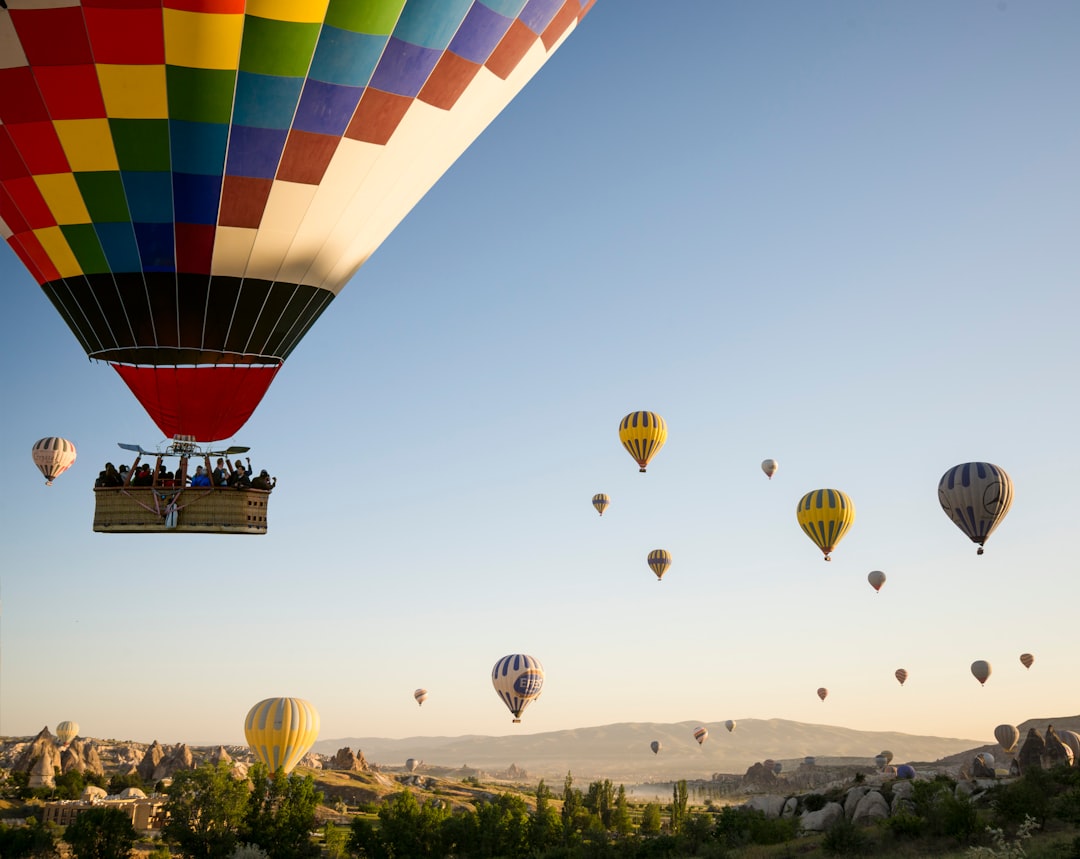
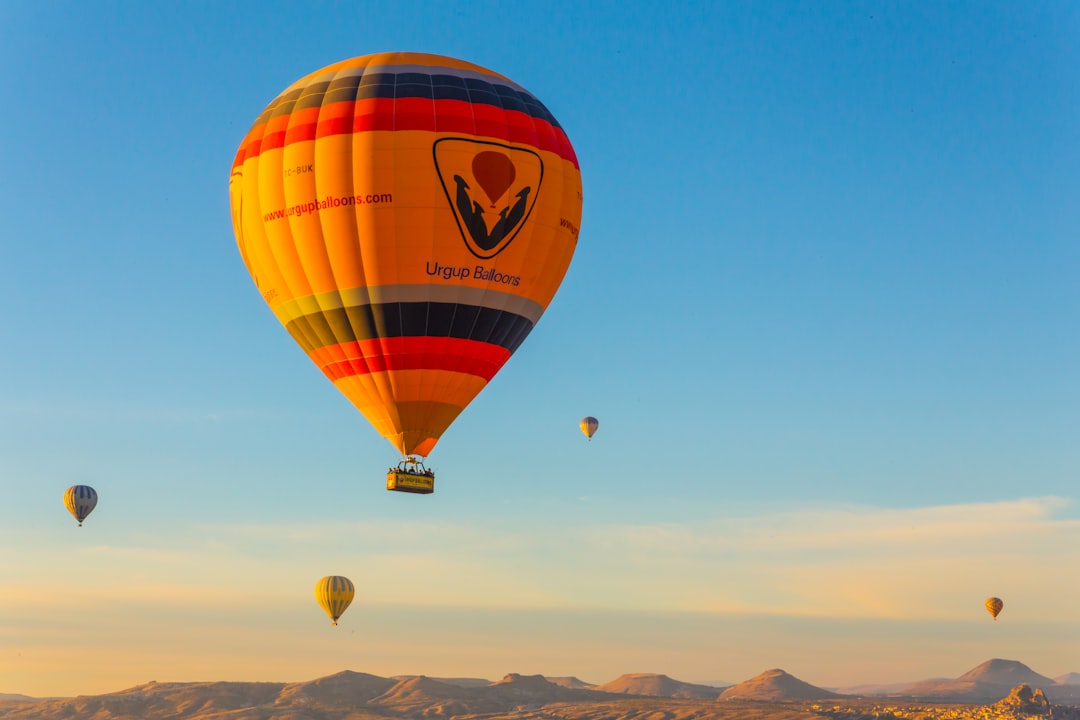
If you do one thing in Cappadocia, it is probably the balloon launch — and it happens at the coldest, stillest moment of the day, often before any warmth has touched the valleys. People consistently underestimate this. The basket itself is warmed by the burners above your head, so your torso may feel fine while your fingers and ears quietly freeze. Standing around at the launch field beforehand is the real test.
Treat this as your big layering moment of the trip. The goal is simple: be warm enough to relax and actually watch the horizon turn pink, not hop from foot to foot wishing it were over.
- Warm base + insulating mid-layer: a thermal or long-sleeve top under a fleece or light puffer carries you through almost any morning, even in shoulder season.
- Cover the bits that ache first: a beanie and gloves matter more than a heavier coat. Cold hands ruin photos and the experience faster than a cold body.
- Closed, comfortable shoes: launch fields are dusty, uneven, and sometimes frosty — trainers or light boots, not sandals.
- A jacket you can shed mid-flight: once the sun crests the ridge and the burners are roaring, you may want to open up. Something packable beats something bulky.
Curious how cold "cold" actually is for your travel dates? Rather than guessing, check the live and seasonal temperature breakdown over on cappadocianow's seasonal weather and best-time guide before you pack — then come back here for the layering.
Warm Afternoons: The Layer-Shedding Hours
By late morning the same valleys that felt arctic at dawn can be genuinely warm, especially spring through autumn. This is when the dry air earns its reputation: even on a hot day, the lack of humidity makes walking feel lighter than the thermometer suggests. It is also when most travelers are out hiking Rose Valley or Love Valley, wandering Göreme Open-Air Museum, or climbing to a viewpoint.
The comfort trick here is reversibility. Everything you piled on for sunrise needs somewhere to go.
- Carry a small daypack. The single most useful item for Cappadocia's swings — somewhere to stuff the fleece and gloves the moment the sun takes over.
- Sun protection, even in cool weather. At altitude with open skies, the sun is stronger than it feels. Sunglasses, a brimmed hat, and sunscreen keep an afternoon hike pleasant.
- Breathable mid-layer underneath. Cotton or merino over a base layer lets you go from bundled to comfortable without changing your whole outfit.
- Water on you, always. Dry air dehydrates quietly; a refillable bottle saves the afternoon energy slump.
Cool Evenings and Starlit Nights
When the sun drops behind the rock formations, the warmth leaves quickly — that same dry, high-altitude air that made the afternoon pleasant also lets the heat escape fast after dark. Sunset viewpoints, terrace dinners, and stargazing all happen in temperatures noticeably cooler than the afternoon, sometimes dramatically so in spring and autumn.
This is where having held onto your morning layers pays off. The traveler who left the jacket at the hotel "because it warmed up" is the one cutting the sunset short. A light insulating layer turns a chilly terrace into a lingering one — and lingering is the whole point of a Cappadocia evening.
The One Habit That Solves It All: Smart Layering
You will see the word "layers" everywhere about Cappadocia, and there is a reason. A single thick coat is a blunt instrument against a place that can swing many degrees between dawn and noon. Layers let you fine-tune all day from the same small set of clothes.
- Base layer: a thin long-sleeve (thermal in winter, light merino or cotton in warmer months) sits against the skin and manages sweat from hiking.
- Mid layer: a fleece or light sweater — your main on/off piece through the day.
- Outer layer: a windproof, ideally water-resistant jacket. The plateau gets breezy on exposed ridges and at the balloon field, and wind is what makes "not that cold" feel freezing.
- Accessories: beanie and gloves for the morning, sunglasses and hat for the afternoon. Small, light, and they do most of the comfort work.
Pack with the swing in mind and you essentially carry one flexible system rather than separate summer and winter wardrobes. It feels like over-preparing the night before and exactly right by 6 a.m.
Comfort Tips for Hikes and Sunrise Spots
- Go up for sunrise even without a balloon. Viewpoints over Göreme are spectacular at first light — just bring the same warm layers you would for a flight; standing still in the cold is the same either way.
- Start hikes earlier than you think. Cool, soft morning light makes valley trails more comfortable and far more photogenic than the harsh midday glare.
- Mind the wind, not just the temperature. Open ridgelines feel far colder than sheltered valley floors; tuck your windproof layer into the daypack even on mild days.
- Warm up the right way. A cave café with a fireplace is a genuine part of the experience after a cold morning. King's Coffee in Göreme is a cosy spot for a hot Turkish coffee with fairy-chimney views, and their sister café, Queen's Coffee, is lovely for an unhurried pause between valleys.
- Build in flexibility. Balloon flights and some outdoor plans are weather-dependent and can shift; an easy itinerary day means a cancellation becomes a slow morning rather than a disappointment.
Getting Between the Swings Comfortably
Pre-dawn balloon pickups, cold winter mornings, and late returns from far-flung valleys are all easier when you are not waiting outside for transport. A pre-booked transfer means you step from a warm car straight into the experience — particularly welcome at 5 a.m. in January. For airport runs from Kayseri or Nevşehir and getting around in changeable conditions, you can check current fares on the Cappadocia Taxi price calculator rather than relying on a number that may be out of date.
Frequently Asked Questions
How cold is the balloon ride in the morning?
Cold enough that gloves and a hat make a real difference, especially while waiting at the launch field before sunrise. The burners warm you in the air, but your hands and ears feel the chill first. Dress for the coldest part of your day — for current and seasonal numbers, see cappadocianow's weather guide linked above.
Do I really need to pack for both hot and cold?
In spring and autumn, almost always — a single day can swing from near-freezing at dawn to pleasantly warm by afternoon. A layering system (base, mid, windproof outer) handles both ends without packing two wardrobes. Summer mornings are milder but still cooler than the afternoons, and winter stays cold throughout.
What is the one thing people forget to bring?
A small daypack. Without somewhere to stash layers, the warm afternoon turns the gear you needed at dawn into something you have to carry in your arms. The pack is what makes shedding and re-adding layers effortless.
Can I still enjoy Cappadocia if the weather turns?
Absolutely. Cave hotels and cosy cafés, underground cities, museums, and pottery workshops are all rewarding in cold, wind, or rain. The travelers who have the best time are the ones who stay flexible and dress for the swing rather than fighting it.