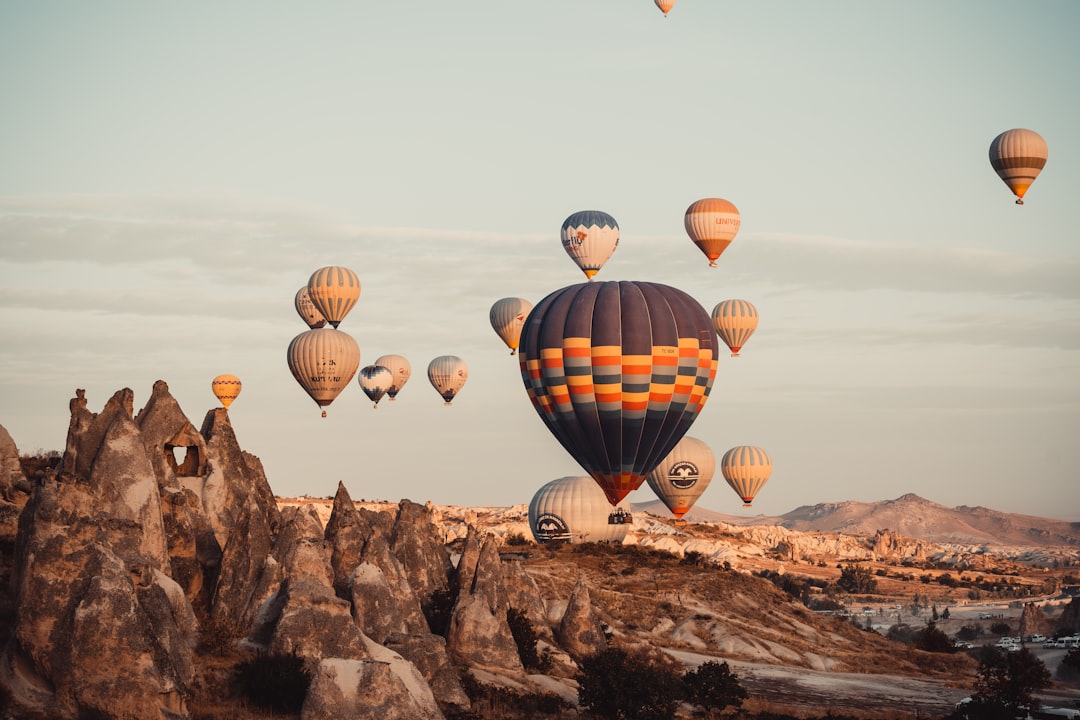
The word "Cappadocia" is ancient — older than Rome, older than the Byzantine Empire, perhaps older than the Silk Road itself. But its exact origin has been debated for centuries by historians, linguists, and geographers. The name has survived the rise and fall of at least five empires, outlasted dozens of administrative borders, and today graces UNESCO heritage documents and airline departure boards alike. Here is what we know about where it came from, what it meant, and why it still matters.
The Ancient Name — Katpatuka
The earliest known form of the word appears in Hittite cuneiform texts as Katpatuka (sometimes written Katapatuka). The Hittite Empire — one of the great Bronze Age powers of the ancient Near East — controlled this volcanic plateau from roughly 1650 to 1200 BCE, and their scribes recorded it on clay tablets found at Hattusa, their capital near modern Boğazkale.
The meaning of Katpatuka is disputed among scholars, but the most widely cited interpretation is "Land of Beautiful Horses." A secondary theory proposes it derives from "Land of the Hatti" — the indigenous Anatolian people who preceded and coexisted with the Hittites. Both theories have linguistic support; neither has been definitively proven. What is certain is that the Hittites considered this region significant enough to name and record — a distinction that very few places on Earth can claim across 3,500 years of continuous usage.
The Persian and Greek Versions
After the collapse of the Hittite Empire around 1200 BCE, Cappadocia passed through successive spheres of influence. By the 6th century BCE it had become a province of the Achaemenid Persian Empire, and texts from this period — including references in the Hasanlu tablets and Persepolis administrative records — record the name as a satrapy (provincial governorate), still recognizable as a descendant of Katpatuka.
The Greeks took the name and adapted it with minimal change. Καππαδοκία (Kappadokia) appears in the writings of Herodotus in the 5th century BCE, where he describes the Cappadocians as a distinct Anatolian people with their own customs and military levies. Greek geographers and historians continued to use the term, cementing it as a fixture of the ancient Mediterranean world's mental map. The willingness of successive civilizations to adopt rather than replace the existing toponym tells us something important: the name was already old and established even by Greek standards.
Horses — Why the "Land of Beautiful Horses" Theory Fits
The "beautiful horses" etymology is not just a romantic legend — it has genuine historical grounding. Cappadocia's volcanic plateau, with its mineral-rich grasslands and relatively mild upland climate, was ideal terrain for horse breeding. The Cappadocian horse was a prized breed in the ancient world.
- Persian tribute records: Achaemenid satrapies were taxed in goods; Cappadocia's tribute included thousands of horses annually
- Royal gifts: Cappadocian horses were sent as diplomatic gifts to Persian kings and later to Roman emperors
- Strabo's Geography: The 1st-century BCE Greek geographer explicitly describes Cappadocia as a major horse-producing region, noting its royal studs
- Enduring symbol: The horse remains one of the region's historical emblems, appearing on ancient coins minted by the Cappadocian kings
Whether or not the etymology is precisely "horses," the association between this landscape and equine culture runs so deep through the historical record that the translation has taken on a life of its own. Today most travel guides repeat it — and for good reason.
The Roman Province of Cappadocia
Cappadocia's status shifted dramatically in 17 CE, when the Roman Emperor Tiberius formally annexed the Kingdom of Cappadocia and organized it as an official Roman province. The local Cappadocian kingdom had existed as a client state of Rome for decades, ruled by a succession of kings; when the last king died without a successor, Tiberius absorbed it directly.
The name Cappadocia — now fully Latinized — appeared on Roman administrative documents, military records, and the itineraries of governors and legions. The Roman province extended far beyond the modern Nevşehir region, encompassing a vast stretch of central Anatolia. This imperial formalization was perhaps the most important moment in the name's survival: Latin bureaucracy preserved it in writing across centuries, long after the province itself disappeared.
Byzantine, Seljuk, and Ottoman Names
The Eastern Roman (Byzantine) Empire retained the Greek form Kappadokia as both an administrative theme (province) and a cultural reference. Byzantine monks and clergy — who carved the extraordinary rock churches visible at Göreme and Ihlara today — lived and worshipped here under that name. The region's unique geology became inseparable from its Christian heritage.
With the Seljuk Turks' arrival after 1071 CE, the region was administered through Persian-influenced governance. The Sultanate of Rum, based at Konya, controlled central Anatolia, and the region's name circulated in its Arabic and Persian forms in administrative correspondence. Under the Ottomans, the area was divided into sanjaqs and vilayets — smaller administrative units that did not use "Cappadocia" as an official term. The name retreated from government documents into the vocabulary of classical scholars and European travelers curious about the ancient world.
The Modern Revival of "Cappadocia"
The name's modern resurrection as a widely recognized geographic and cultural brand owes much to Western rediscovery. French Jesuit priest Guillaume de Jerphanion conducted extensive surveys of Cappadocia's rock-cut Byzantine churches in the 1920s and 1930s, publishing scholarly work that reintroduced "Cappadocia" to an international academic audience.
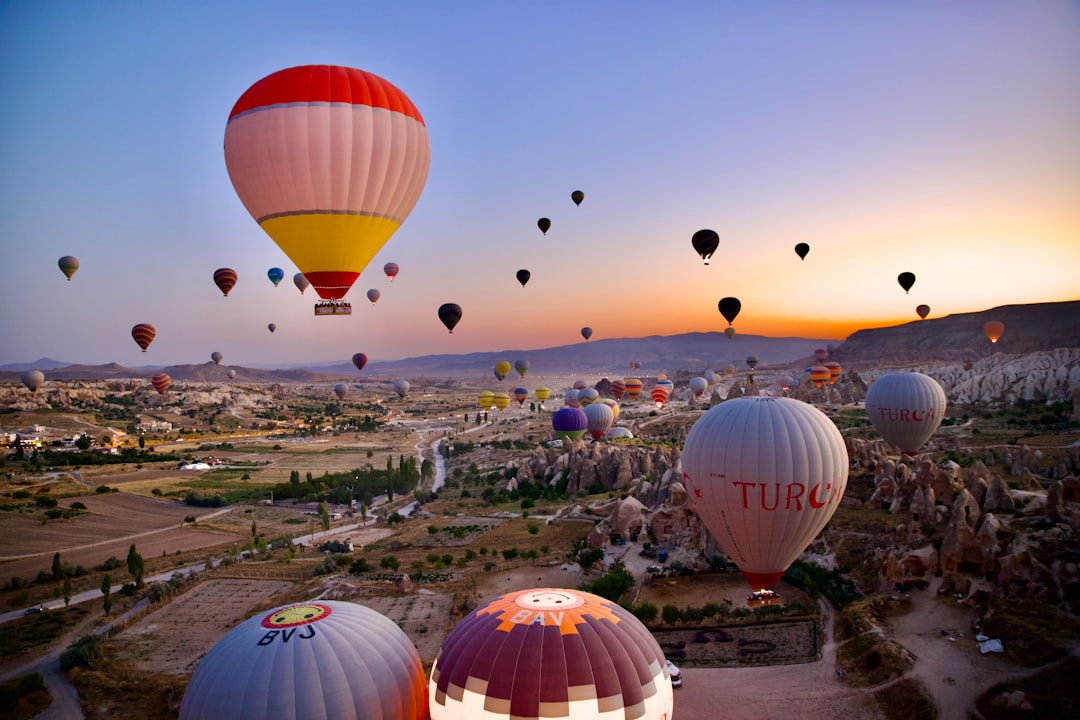
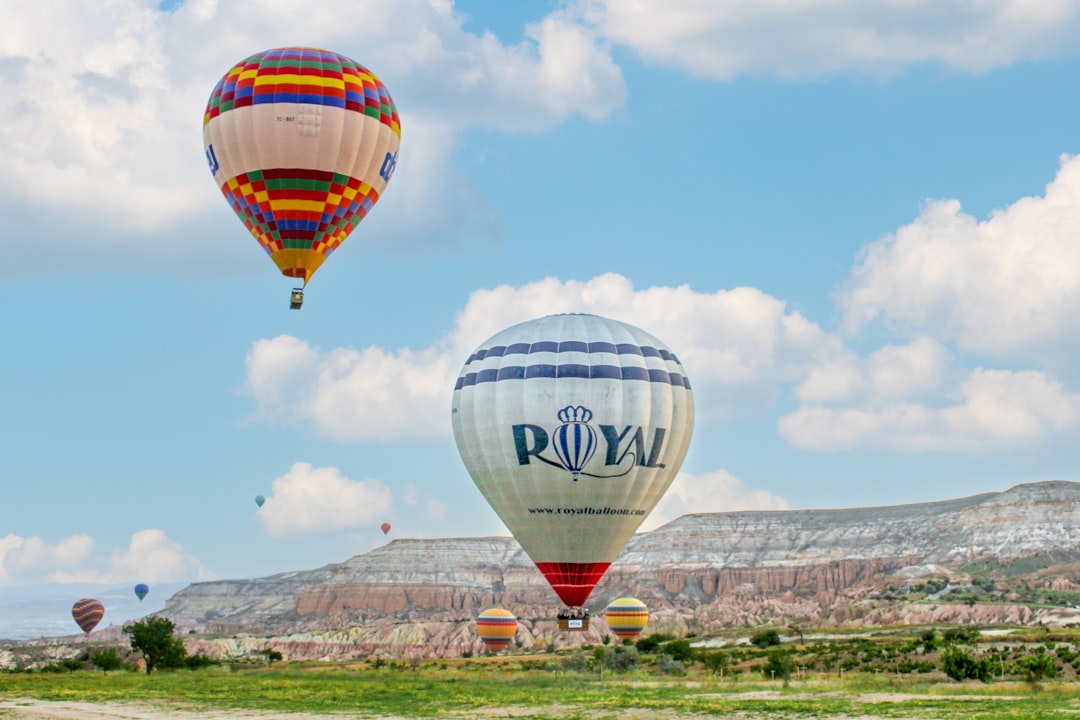
The decisive modern moment came in 1985, when UNESCO inscribed the region on its World Heritage List as "Göreme National Park and the Rock Sites of Cappadocia." That listing — with Cappadocia prominent in the official title — gave the name global legitimacy and launched it into mainstream tourism consciousness. Hot-air balloon operators, boutique cave hotels, and international travel magazines all began using it consistently through the 1990s and 2000s.
Today there is a gentle tension between the Turkish form Kapadokya and the international spelling Cappadocia. Both are correct; they reflect the same ancient root filtered through different linguistic traditions.
What the Name Means Today
For most Turks, the region is Kapadokya — but the boundaries are deliberately loose. Officially, the core of what tourists mean by Cappadocia falls within Nevşehir Province. Yet residents of Ürgüp, Avanos, Ortahisar, and Uçhisar all claim the Cappadocian identity with equal conviction, even though the ancient province once stretched far beyond all of them.
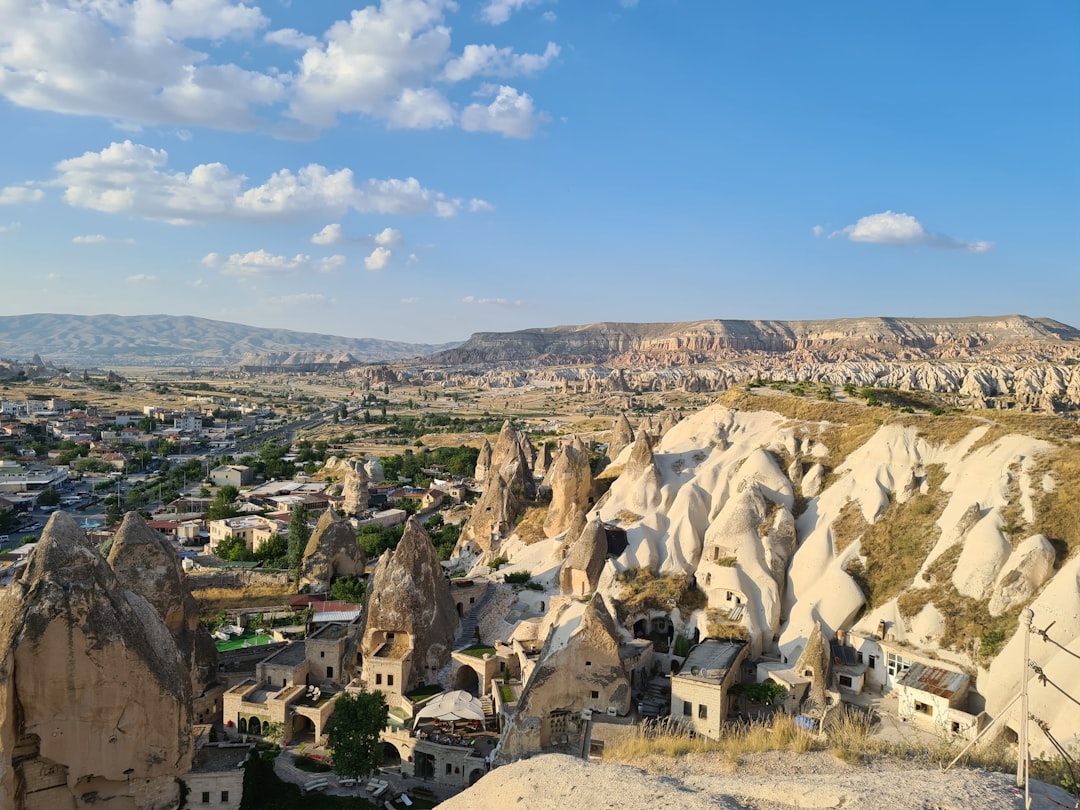
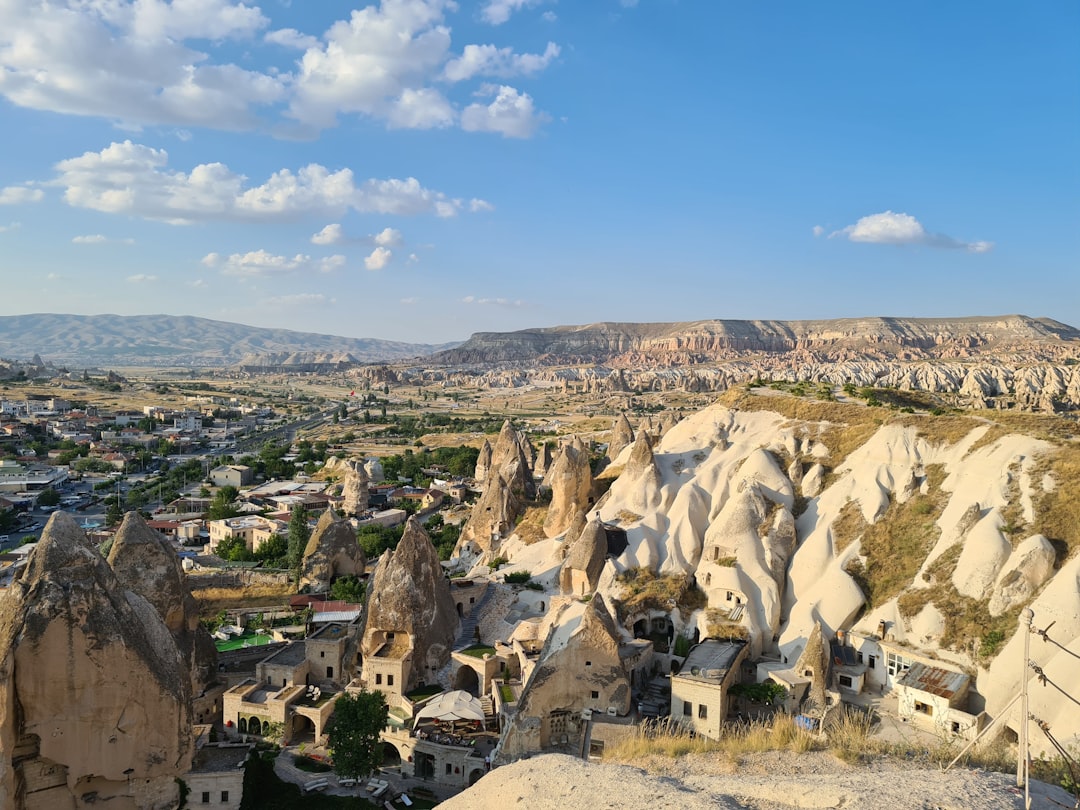
In practice, the name now functions as a cultural umbrella for the broader Central Anatolian volcanic landscape — the fairy chimneys of Göreme, the underground cities of Derinkuyu, the valleys of Ihlara and Soğanlı, the caravanserais of the old Silk Road routes. No single administrative boundary captures what "Cappadocia" means to the millions of visitors who arrive each year. That, perhaps, is exactly how a 3,500-year-old geographic name should work: large enough to hold history, flexible enough to hold a living culture.
Explore the ancient landscape that gave the region its name — use the Cappadocia taxi price calculator to get between sites.
Frequently Asked Questions
What does Cappadocia mean in English?
The most widely accepted translation is "Land of Beautiful Horses," derived from the ancient Hittite/Luwian name Katpatuka. The region was famous throughout the ancient world for breeding prized horses gifted to Persian and Roman rulers. A secondary theory suggests it means "Land of the Hatti," referring to an indigenous Anatolian people, but the horse interpretation remains dominant in both scholarly and popular usage.
Is Cappadocia a Turkish or Greek word?
Neither originally — it predates both. The name comes from the Hittite and Luwian languages of ancient Anatolia, recorded as Katpatuka around 1600 BCE. The Greeks adapted it as Kappadokia, the Romans Latinized it as Cappadocia, and modern Turkish uses Kapadokya. All of these are descendants of the same Bronze Age original. It is one of the oldest continuously used place names in the world.
What was Cappadocia called before it was Cappadocia?
Before the Hittite name Katpatuka was recorded, the region's earlier names are lost to prehistory. The Hittites themselves referred to the indigenous pre-Hittite inhabitants as the Hatti, and the region may have had local names in those languages. After the Hittites, Persian administrative records used their own adaptation of Katpatuka, and Greek geographers turned it into Kappadokia. The region has never truly had a different name — only different language versions of the same ancient root.