Cappadocia — officially listed as "Goreme National Park and the Rock Sites of Cappadocia" — was inscribed on the UNESCO World Heritage List in 1985. It is a rare mixed site, recognised for both its dramatic natural landscape and its centuries of human culture carved directly into the rock.
A Landscape Shaped by Fire and Water
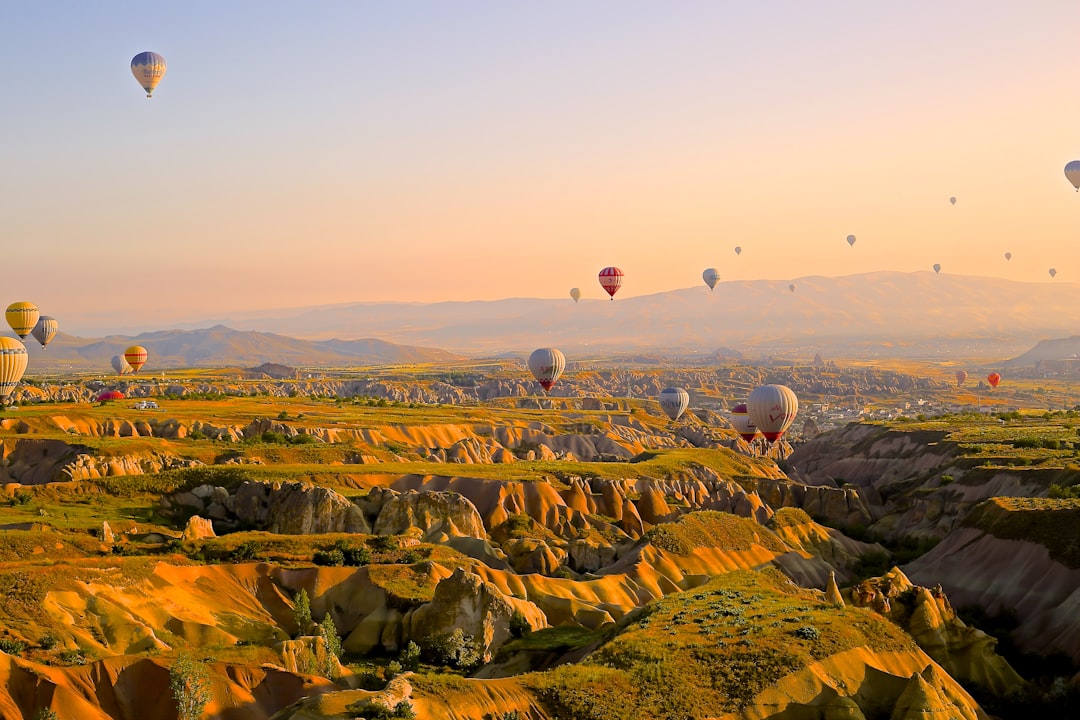
The story of Cappadocia begins millions of years ago with volcanic eruptions that blanketed the region in thick layers of ash and lava. Over time, the ash compacted into a soft, porous rock called tuff, capped in places by harder basalt. Wind, rain and seasonal meltwater then went to work, slowly eroding the soft tuff while leaving the harder caps standing.
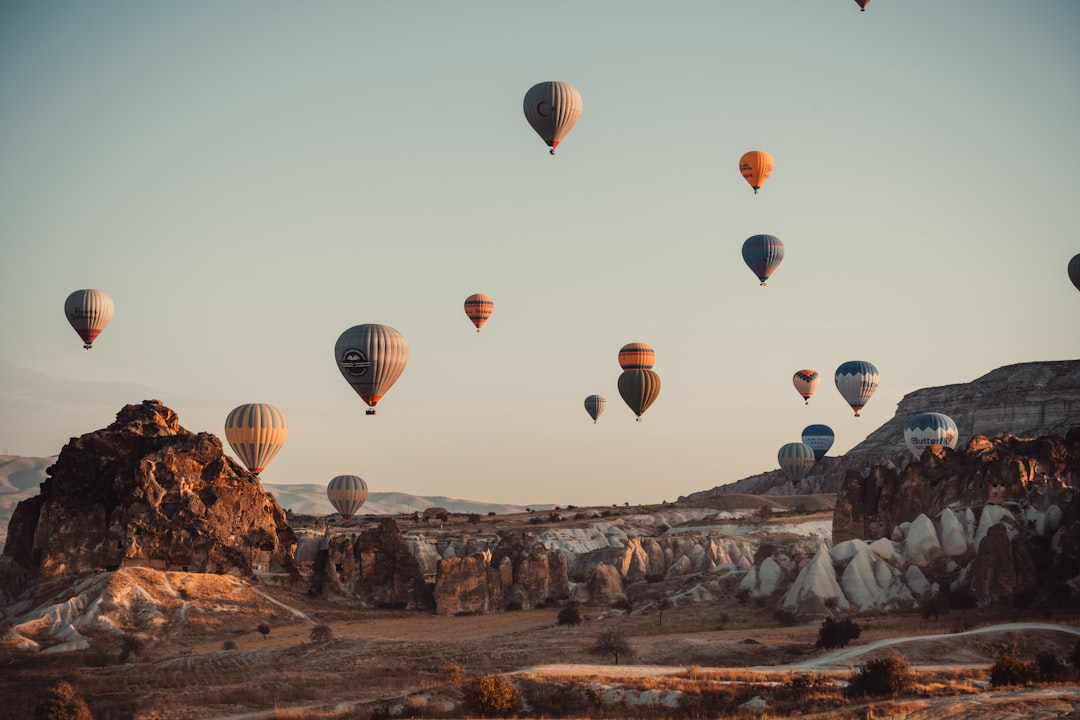
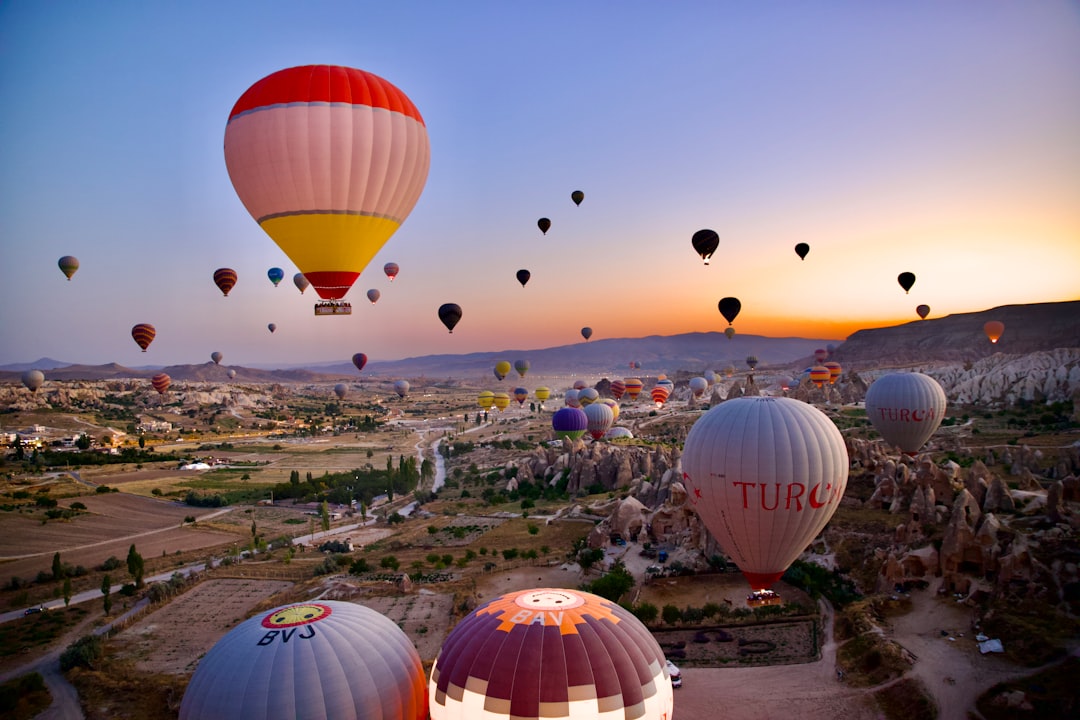
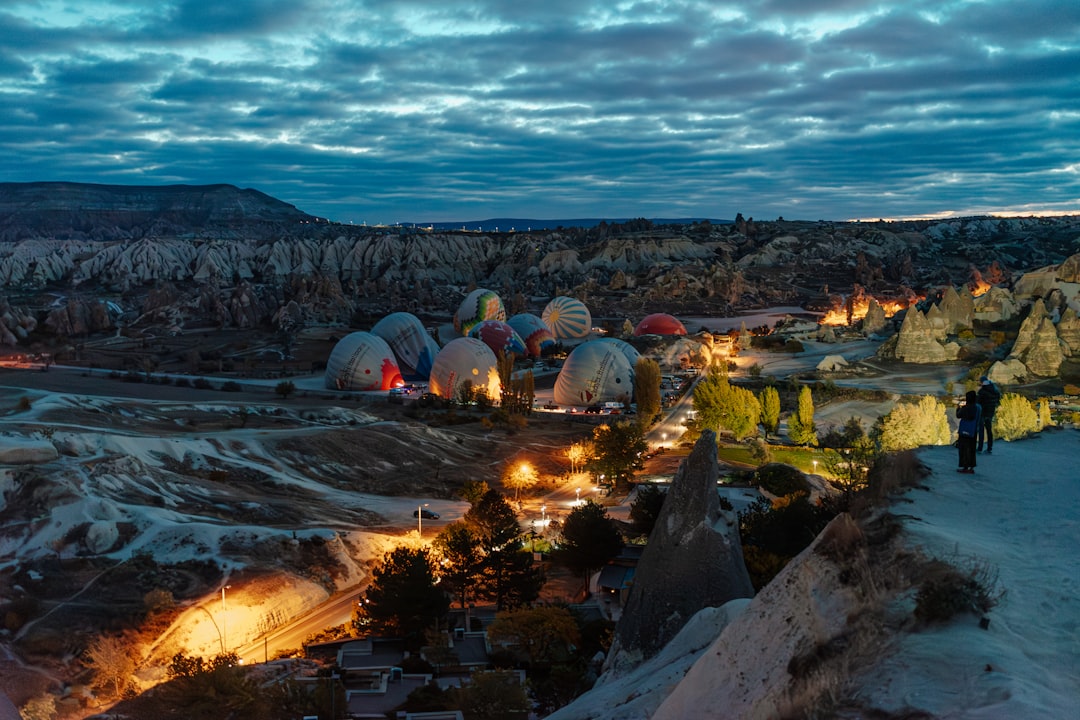
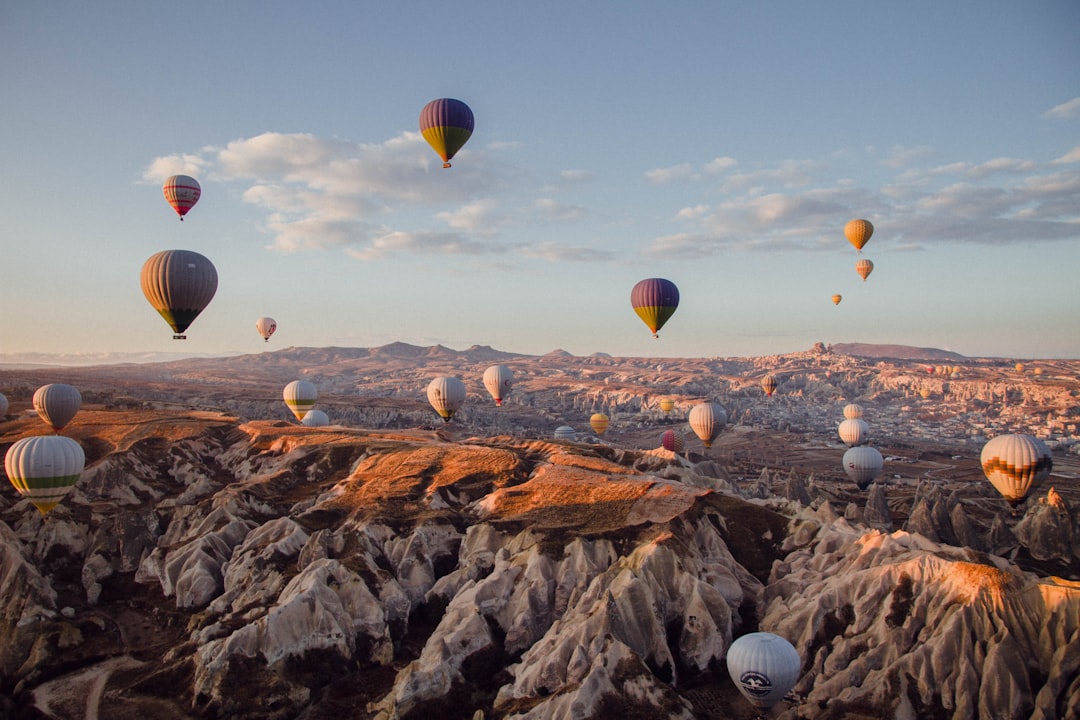
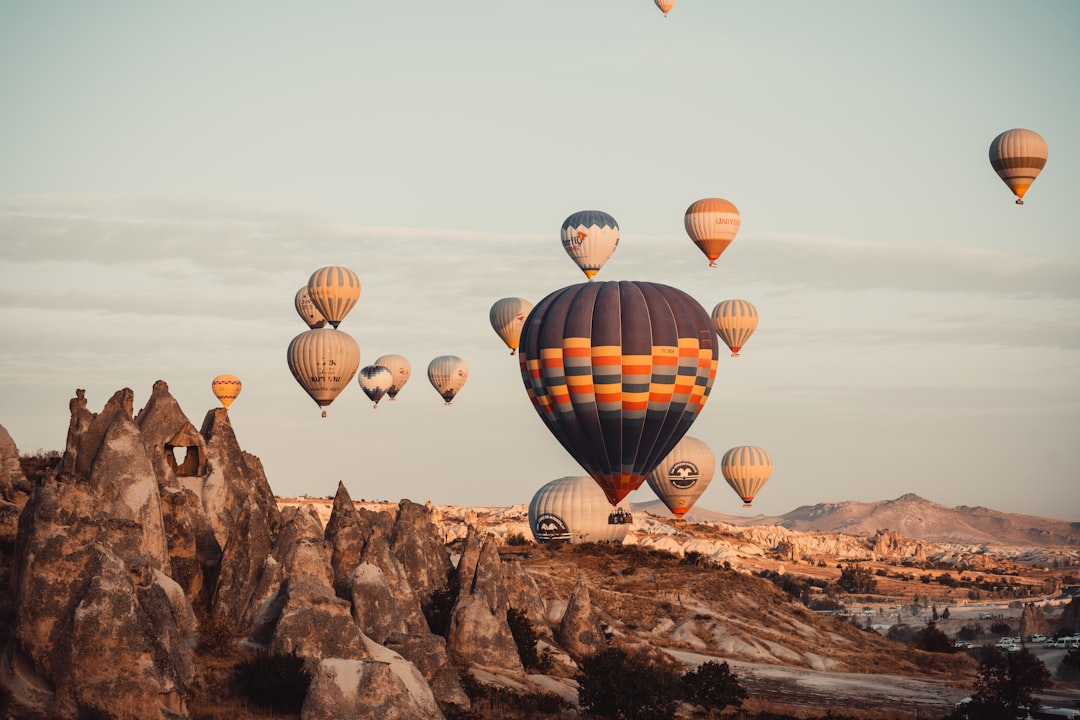
The result is one of the most surreal landscapes on Earth: forests of tapering "fairy chimneys," rippled canyon walls, and valleys striped in pink, ochre and white. This ongoing geological theatre is a central reason UNESCO recognised the area, and it is what still draws photographers and hot-air balloons to the skies above Goreme each morning.
A Living Record of Byzantine Faith
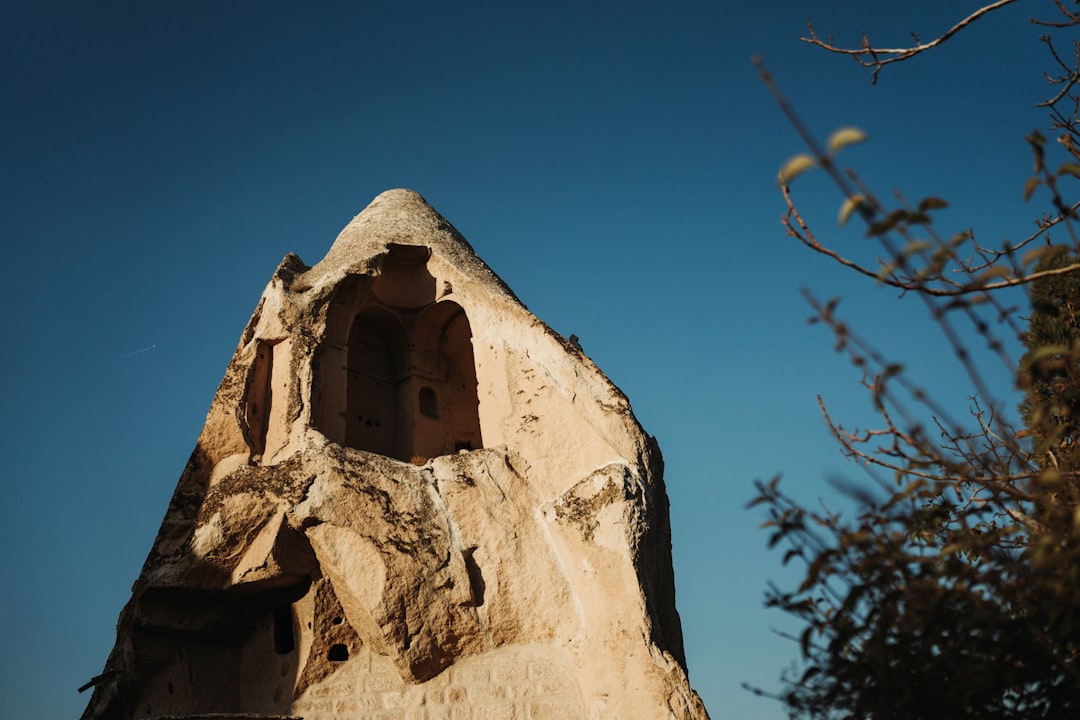
What makes Cappadocia truly exceptional is that people did not just live beside this rock — they lived inside it. The same soft tuff that erodes so easily is also easy to carve, and for centuries communities hollowed out homes, stables, storerooms, monasteries and churches from the cliffs and cones.
During the Byzantine era, Cappadocia became an important centre of early Christian monastic life. Monks and villagers cut hundreds of chapels and churches into the rock, many of them decorated with painted frescoes depicting biblical scenes, saints and richly coloured ornament. Sheltered from the elements inside the stone, a number of these paintings have survived in remarkable condition, offering a window into medieval art and devotion.
- Rock-cut churches: chapels and basilicas carved into cliffs and cones, often with vaulted ceilings and apses imitating built architecture.
- Frescoes: wall paintings of Christ, the Virgin, saints and feast scenes, preserved by the dry, sheltered interiors.
- Monastic settlements: clusters of cells, refectories and communal spaces that supported religious communities for generations.
Cities Beneath the Ground
Cappadocia's heritage also reaches deep underground. When threatened by raids and invasions, local populations dug vast multi-level underground cities, complete with living quarters, kitchens, wells, ventilation shafts, storage rooms and stables. Heavy rolling stone doors could seal passages from the inside, letting whole communities shelter safely for extended periods.
These subterranean refuges are an extraordinary feat of pre-modern engineering and a vivid reminder of how people adapted to both the soft geology and the dangers of their time. Sites such as Derinkuyu and Kaymakli let visitors descend through levels of tunnels and chambers that once protected thousands.
Why Cappadocia Is a "Mixed" Heritage Site
Most World Heritage Sites are recognised as either cultural or natural. Cappadocia is one of the smaller group of "mixed" sites, honoured for both at once. On the natural side, it is a textbook example of erosion sculpting volcanic rock into a landscape of outstanding beauty. On the cultural side, the rock-cut churches, frescoes, dwellings and underground cities represent a unique and well-preserved record of human settlement and Byzantine art.
That dual recognition is the heart of Cappadocia's appeal: the geology made the human story possible, and the human story gave the geology its meaning. You cannot fully appreciate one without the other.
What UNESCO Status Means for Visitors
World Heritage status is both a badge of global significance and a commitment to protection. It encourages careful conservation of the frescoes, the rock formations and the fragile underground spaces, and it shapes how the most sensitive areas are managed and visited. For travellers, it is a signal that you are walking through a place of genuine, internationally recognised importance — and a reminder to tread lightly.
In practice, that means staying on marked paths in the valleys, not touching the painted walls inside churches, and following any photography or access rules at protected sites. These small courtesies help ensure the frescoes and formations survive for future visitors.
Where to Experience the Heritage
You can see the heart of the listing in a single, walkable cluster and a few key day trips:
- Goreme Open-Air Museum: the densest collection of rock-cut churches and frescoes, and the namesake of the inscription.
- The valleys: Rose, Red, Love and Pigeon valleys showcase the erosion, fairy chimneys and hidden chapels up close on foot.
- Underground cities: Derinkuyu and Kaymakli reveal the engineering of the subterranean refuges.
- Viewpoints and villages: spots like Uchisar and Cavusin frame the whole tuff landscape and its cave dwellings.
Because the highlights are spread across several towns and valleys, many visitors combine walking with private taxi rides to link sites efficiently — especially the underground cities, which sit further out. If you are mapping a route between Goreme, the museum and the underground cities, you can check current taxi fares before you set off.
Frequently Asked Questions
When did Cappadocia become a UNESCO World Heritage Site?
Cappadocia was inscribed on the UNESCO World Heritage List in 1985, under the official name "Goreme National Park and the Rock Sites of Cappadocia."
Why is Cappadocia called a "mixed" World Heritage Site?
It is recognised for both natural and cultural value: the volcanic landscape shaped by erosion, and the human heritage of rock-cut churches, frescoes, cave dwellings and underground cities. Sites honoured for both reasons are designated as "mixed."
What are the must-see parts of the heritage site?
The Goreme Open-Air Museum is the essential stop for rock-cut churches and frescoes. Add a valley walk to see the geology and a visit to an underground city such as Derinkuyu or Kaymakli to understand how people lived within the rock.
Does UNESCO status change how I can visit?
It mainly means stronger protection and some visitor guidelines — staying on marked paths, not touching frescoes, and respecting access or photography rules at sensitive sites. The aim is to preserve the landscape and the ancient art for generations to come.