Wildlife Protection in Cappadocia: Preserving the Natural Wonders Beyond Fairy Chimneys
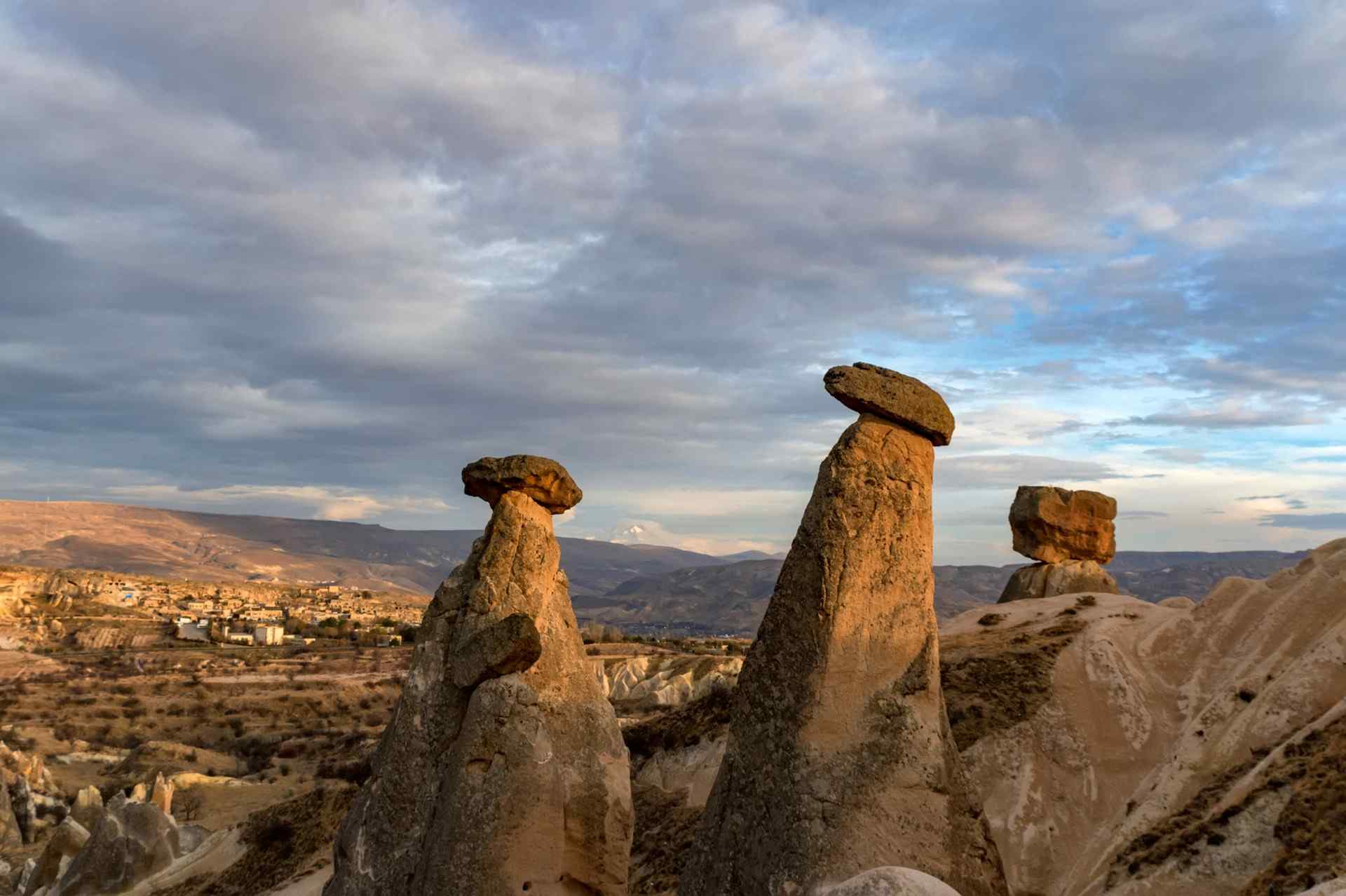
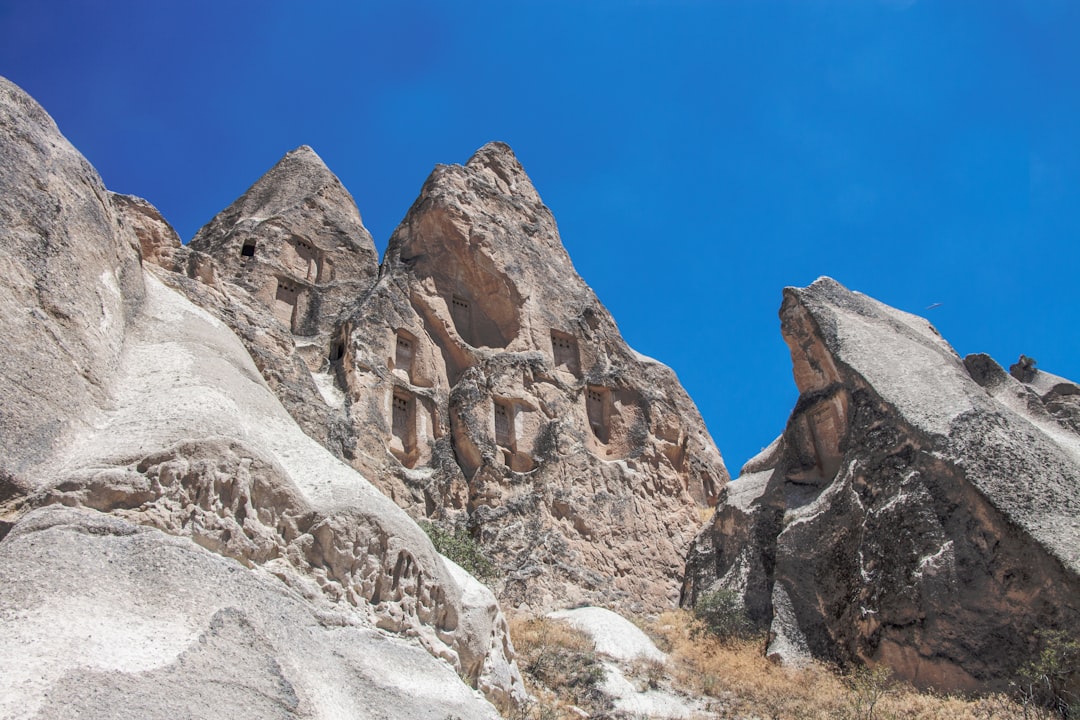
Cappadocia, renowned for its otherworldly landscapes of fairy chimneys, ancient cave dwellings, and breathtaking hot air balloon rides, holds a lesser-known treasure: its diverse and fascinating wildlife. While tourists flock to witness the geological marvels and immerse themselves in the region’s rich history, it’s crucial to recognize and protect the delicate ecosystems that support Cappadocia’s unique biodiversity. This article delves into the importance of wildlife protection in Cappadocia, highlighting the region’s key species, the threats they face, and the ongoing conservation efforts that ensure the preservation of this natural heritage for generations to come.
Cappadocia’s Diverse Ecosystems and Wildlife
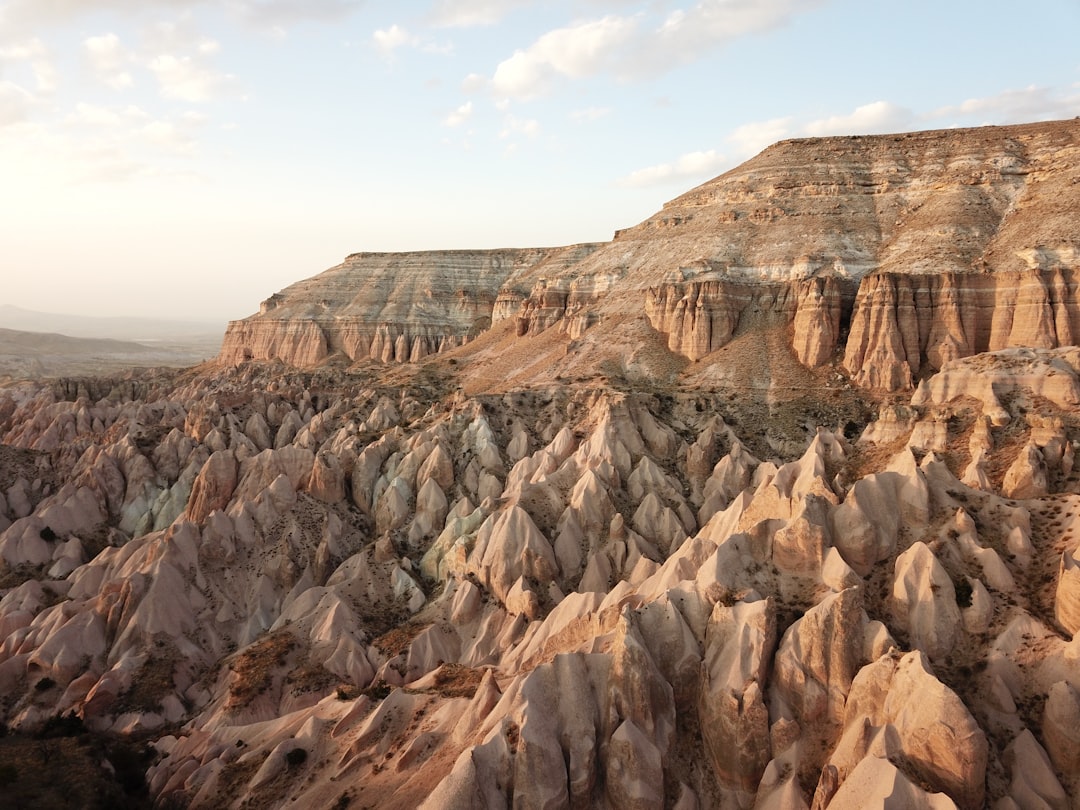
Cappadocia’s diverse geology and climate have fostered a mosaic of habitats, from arid steppes and rocky hillsides to lush valleys and wetlands. This variety supports a wide array of animal and plant life, many of which are endemic to the region. Understanding the interconnectedness of these ecosystems is crucial for effective wildlife protection.
Birdlife: A Feathered Paradise
Cappadocia is a birdwatcher’s paradise, boasting over 180 recorded bird species. The region serves as an important migratory stopover for numerous birds traveling between Europe, Asia, and Africa. Key species include:
- Eurasian Kestrel (Falco tinnunculus): Commonly seen hovering over fields, searching for prey.
- European Roller (Coracias garrulus): A vibrantly colored bird known for its acrobatic flight displays.
- Rock Nuthatch (Sitta neumayer): Found clinging to the steep rock faces of the valleys.
- Lesser Kestrel (Falco naumanni): A smaller relative of the Eurasian Kestrel, often nesting in colonies.
- White Stork (Ciconia ciconia): These majestic birds are a common sight, nesting on rooftops and chimneys.
The wetlands and riparian habitats along the Kızılırmak River are particularly important for waterbirds, including herons, egrets, and various species of ducks and geese.
Mammals: From Wildcats to Hedgehogs
While often more elusive, Cappadocia’s mammalian fauna is equally significant. Species include:
- Red Fox (Vulpes vulpes): A common predator found throughout the region.
- European Hare (Lepus europaeus): A fast and agile prey species.
- Wildcat (Felis silvestris): A rare and secretive predator inhabiting forested areas.
- European Hedgehog (Erinaceus europaeus): A nocturnal insectivore, important for controlling invertebrate populations.
- Various bat species: These flying mammals play a vital role in pollination and insect control, often roosting in caves and rock crevices.
Reptiles and Amphibians: Adapting to Arid Conditions
Cappadocia’s reptiles and amphibians have adapted to the region’s hot, dry summers and cold winters. Key species include:
- Starred Agama (Laudakia stellio): A common lizard found basking on rocks.
- Mediterranean House Gecko (Hemidactylus turcicus): Nocturnal geckos often found near human settlements.
- Various snake species: Including the Balkan Whip Snake and the Dice Snake, some of which are venomous.
- European Green Toad (Bufotes viridis): Found in wetlands and other damp habitats.
Threats to Wildlife in Cappadocia
Despite its natural beauty and biodiversity, Cappadocia’s wildlife faces numerous threats, primarily stemming from human activities. Understanding these threats is crucial for implementing effective conservation strategies.
Habitat Loss and Degradation
The expansion of agriculture, tourism infrastructure, and urban development has resulted in significant habitat loss and fragmentation. The conversion of natural areas into vineyards, orchards, and hotels reduces the available space for wildlife and disrupts ecological processes. Quarrying for building materials also destroys important habitats, particularly rock formations that provide nesting and roosting sites for birds and bats.
Unsustainable Tourism Practices
While tourism is vital to Cappadocia’s economy, unsustainable practices can negatively impact wildlife. Excessive noise from vehicles and hot air balloons can disturb breeding birds and other animals. Unregulated hiking and off-road driving can damage fragile ecosystems and disturb sensitive habitats. Litter and waste pollution can also harm wildlife, particularly birds that may ingest plastic debris. It is crucial to choose local operators and accommodations that prioritize sustainable tourism practices.
Hunting and Poaching
Illegal hunting and poaching pose a threat to certain species, particularly birds of prey and game animals. Although hunting regulations exist, enforcement can be challenging, and some species are still targeted for sport or traditional medicine. The use of pesticides and rodenticides in agriculture can also unintentionally poison wildlife, particularly birds of prey that feed on contaminated prey.
Climate Change
Climate change is an emerging threat to Cappadocia’s wildlife. Rising temperatures, decreased rainfall, and increased frequency of extreme weather events can alter habitats, disrupt migration patterns, and increase the risk of wildfires. These changes can have cascading effects throughout the ecosystem, impacting the survival and distribution of various species.
Conservation Efforts in Cappadocia
Recognizing the importance of protecting Cappadocia’s natural heritage, various organizations and government agencies are working to conserve the region’s wildlife. These efforts include:
Protected Areas
Establishing and managing protected areas is a key strategy for wildlife conservation. The Göreme National Park and the Cappadocia Historical Area, a UNESCO World Heritage Site, provide some level of protection for wildlife within their boundaries. However, these areas primarily focus on preserving cultural heritage, and additional protected areas specifically targeting biodiversity conservation may be needed.
Habitat Restoration
Restoring degraded habitats is essential for supporting wildlife populations. Reforestation efforts, wetland restoration projects, and the removal of invasive species can help to improve the quality and extent of natural habitats. Sustainable agricultural practices, such as reducing pesticide use and promoting soil conservation, can also benefit wildlife.
Community Engagement
Engaging local communities in conservation efforts is crucial for long-term success. Educational programs, awareness campaigns, and ecotourism initiatives can help to raise awareness about the importance of wildlife protection and promote sustainable livelihoods. Supporting local communities in developing ecotourism businesses can provide economic incentives for conservation.
Research and Monitoring
Conducting scientific research and monitoring wildlife populations is essential for understanding the effectiveness of conservation efforts and adapting strategies as needed. Monitoring bird populations, tracking mammal movements, and assessing habitat quality can provide valuable data for informing conservation decisions.
How Visitors Can Contribute to Wildlife Protection in Cappadocia
As a visitor to Cappadocia, you can play a significant role in protecting the region’s wildlife. By making conscious choices and supporting responsible tourism practices, you can minimize your impact on the environment and contribute to conservation efforts.
- Choose Sustainable Local Operators: Select local operators that prioritize environmental protection and responsible tourism practices. Inquire about their commitment to minimizing noise pollution, avoiding disturbance to wildlife, and supporting local communities.
- Respect Wildlife: Observe wildlife from a distance and avoid approaching or feeding animals. Never disturb nesting sites or other sensitive habitats. Refrain from using flash photography when photographing wildlife.
- Reduce Your Waste: Minimize your consumption of single-use plastics and dispose of waste responsibly. Carry reusable water bottles, shopping bags, and containers. Participate in clean-up efforts and encourage others to do the same.
- Support Local Conservation Initiatives: Donate to local conservation organizations or participate in volunteer projects. Support businesses that prioritize environmental sustainability and contribute to community development.
- Stay in Eco-Friendly Accommodations: Choose hotels and guesthouses that have implemented environmental management practices, such as energy conservation, water conservation, and waste reduction.
- Be Mindful of Noise: Avoid making excessive noise, particularly in areas where wildlife is present. Respect the tranquility of the natural environment.
Enjoy Cappadocia Responsibly: Coffee and Transportation
Even simple choices like where you enjoy your morning coffee or how you get around can contribute to sustainable tourism. When considering your options, remember these establishments:
They offer specialty coffee with stunning fairy chimney views in a cozy cave interior. Indulge in excellent Turkish coffee and espresso drinks while supporting a local business.
When it comes to getting around Cappadocia, consider using a reputable and reliable transportation service like Cappadocia Taxi (cappadocia.taxi). They offer professional English-speaking drivers, comfortable vehicles, and 24/7 airport taxi rides from Kayseri and Nevsehir airports. Opting for a reliable taxi service ensures a safe and comfortable journey while minimizing your environmental impact.
Conclusion: A Call to Action for Wildlife Protection
Cappadocia’s unique landscape and rich biodiversity are integral to its charm and appeal. By recognizing the threats facing wildlife and supporting conservation efforts, we can ensure that future generations will be able to experience the natural wonders of this remarkable region. Let us all be responsible visitors, mindful of our impact on the environment, and committed to protecting Cappadocia’s wildlife for years to come. Every action, no matter how small, can make a difference in preserving this natural heritage.