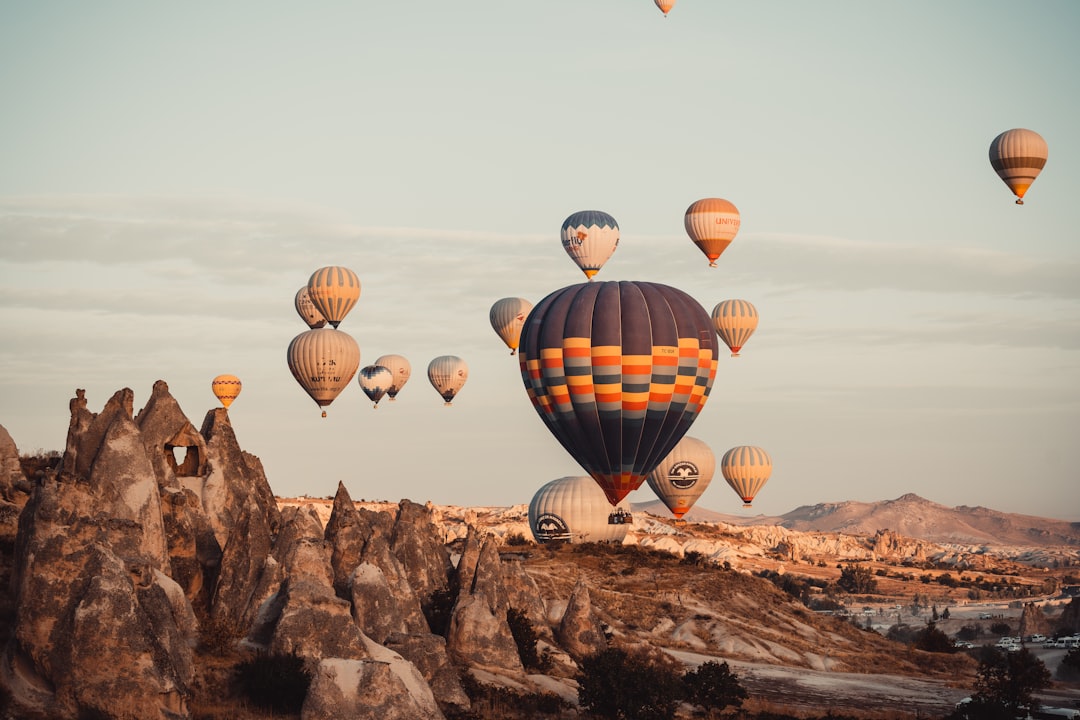
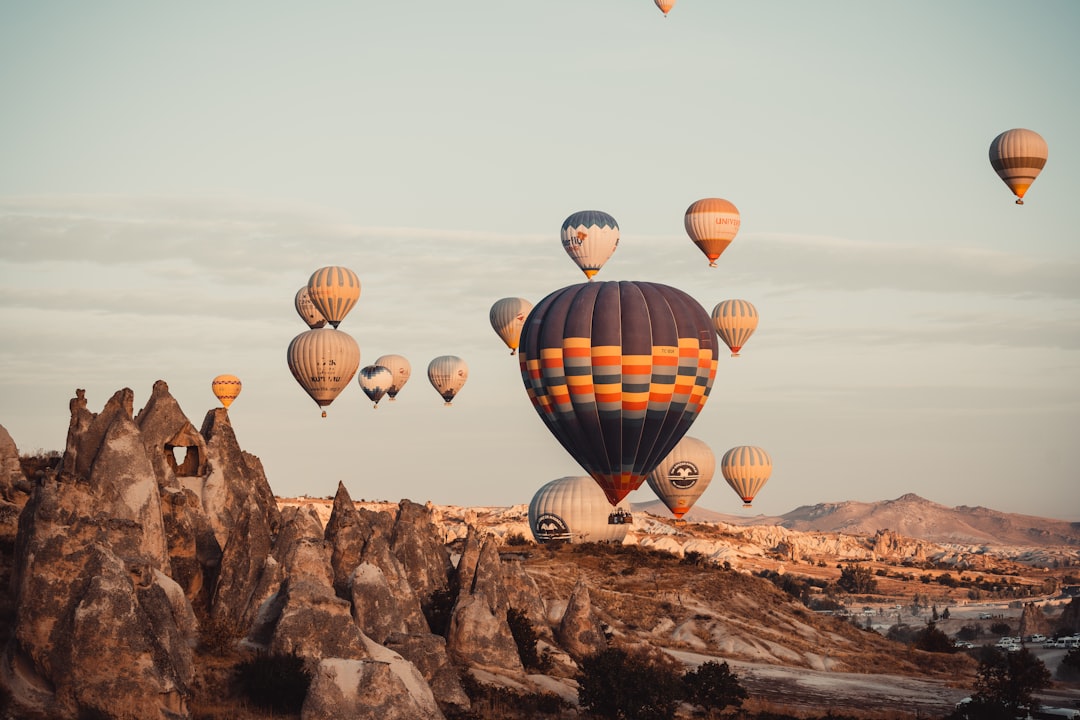
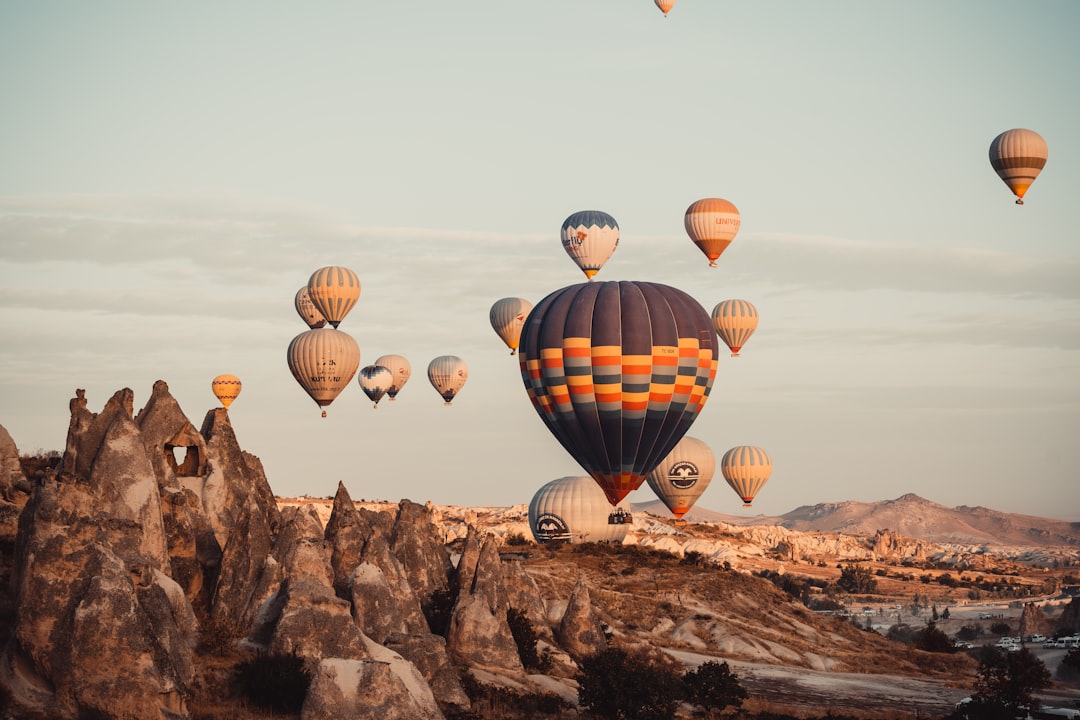
Cappadocia's fairy chimneys and hot air balloons draw millions of visitors every year — and rightly so. But if you spend your entire trip shuttling between Göreme, Uçhisar, and the Underground City, you will miss a quieter, equally extraordinary side of the region. Some of the most memorable moments in central Turkey happen just beyond the tourist trail: hidden valleys where Byzantine monks carved entire churches into living rock, bird sanctuaries where flamingos wade at sunrise, and monasteries where thousand-year-old frescoes glow in near-total silence. This guide covers six off-the-beaten-path gems — some inside Cappadocia, some within a comfortable day trip — that most visitors simply never hear about.
1. Ihlara Valley — Cappadocia's Longest Canyon Walk
Despite sitting inside Cappadocia, Ihlara Valley remains one of the region's best-kept secrets. A 16-kilometre gorge carved by the Melendiz River, the valley shelters more than forty rock-cut Byzantine churches, each painted with vivid medieval frescoes that have survived in the volcanic cliff walls for over a millennium. The classic tourist visit covers only the central section near Selime; walk the full trail from Ihlara village to Selime Monastery and you will pass through a completely different landscape — lush riverside poplars, wildflowers in spring, and almost no other hikers.
Churches worth slowing down for include Ağaçaltı (Daniil Church) with its exceptional Annunciation scene, and Kokar Church, where smoky olive-green pigments still hold their intensity after ten centuries. The monasteries at Belisırma and Selime are among the largest rock-cut religious complexes in Turkey.
- Getting there: Ihlara Valley is roughly 45 km south-west of Nevşehir. Dolmuş minibuses run from Aksaray; a private transfer is the most comfortable option for an early start.
- Best time: April–June for wildflowers and mild temperatures; October–November for golden poplar colours and empty trails.
- Tip: Start at Ihlara village, walk north to Selime (allow 5–6 hours for the full route), and arrange a vehicle pickup at the far end — the valley is a one-way corridor.
2. Soğanlı Valley — Village Life and Ancient Churches
While Göreme's Open Air Museum sees coachloads of visitors before 10 am, Soğanlı Valley — just 40 kilometres to the south — often receives fewer than a dozen travellers on a weekday. The valley splits into two parallel arms, each lined with rock-cut churches and monastic cells dating from the 4th to the 13th century. Names like Yılanlı (Snake Church), Karabaş (Black Head Church), and Geyikli (Deer Church) hint at the distinctive fresco programmes that once covered every surface.
What makes Soğanlı unique beyond the archaeology is the village itself. Local women set up small stalls selling handmade cloth dolls — a tradition specific to this valley that has been practised for generations. Buying one is a genuinely ethical form of tourism: the income goes directly to the artisan in front of you, and the doll is a far more meaningful souvenir than anything sold at the Grand Bazaar.
- Getting there: Soğanlı is approximately 40 km south of Ürgüp. There is no reliable dolmuş service; a private day-trip transfer is the practical choice.
- Best time: Year-round, though spring and early autumn avoid summer heat in the valley floor.
- Tip: Combine Soğanlı with a visit to Eski Gümüşler Monastery (see below) — they are in the same general direction from central Cappadocia.
3. Eski Gümüşler Monastery — The Frescoes Nobody Talks About
Forty kilometres south-west of Niğde, Eski Gümüşler is arguably the best-preserved rock-cut monastery in the entire region — and one of the least visited. Carved out of a single volcanic rock mass, the complex includes a multi-storey church, monks' cells, a kitchen, a winepress, and cisterns, all connected by tunnels and staircases cut into the tufa. The frescoes inside the main church date from the 7th to the 11th century and include one of the very few depictions in Byzantine art of the Virgin Mary smiling — a detail that startles visitors who expect solemn iconography.
The site is managed by the local municipality rather than the national museum network, which keeps entry fees modest and crowds minimal. You will often have the painted nave entirely to yourself.
- Getting there: Eski Gümüşler is about 90 km from Göreme, via Nevşehir and Niğde. A full day trip is comfortable by private transfer.
- Best time: Spring and autumn; the site is sheltered and remains pleasant even in summer.
- Tip: Bring a small torch — some of the side corridors are dimly lit and the carved details reward close inspection.
4. Zelve Open Air Museum — The Quieter Alternative to Göreme
Göreme Open Air Museum is justifiably famous, but its popularity means timed-entry queues, crowded passages, and the constant background noise of tour commentary. Zelve, just 4 kilometres away, offers something entirely different: a deserted troglodyte city spread across three converging valleys, where an entire community once lived inside the rock. Zelve was inhabited until 1952, far later than most Cappadocian cave settlements, and the accretions of daily life — grain stores, stables, a mosque carved into the cliff, a chapel painted with simple crosses — feel more immediate than the formal museum atmosphere at Göreme.
Fairy chimneys here are some of the most dramatic in the region: tall, narrow spires with multiple habitation levels accessible by carved footholds. Visitor numbers at Zelve are a fraction of Göreme's, even in peak season, so you can explore corridors and chambers at your own pace.
- Getting there: Zelve is 4 km from Avanos and about 8 km from Göreme. Dolmuş connections exist in summer; a taxi from Göreme takes under 15 minutes.
- Best time: Early morning for soft light on the valley walls and minimal crowds. Midweek visits in shoulder season are especially quiet.
- Tip: Combine with Paşabağ (Monks Valley) nearby — the mushroom-shaped fairy chimneys there are the most photogenic in Cappadocia.
5. Sultansazlığı Bird Sanctuary — Flamingos on the High Plateau
Around 60 kilometres from Göreme, near the town of Yeşilhisar, the Sultansazlığı wetlands form one of Turkey's most important bird reserves and a Ramsar-designated site of international significance. Shallow lakes and reed beds at 1,000 metres altitude provide habitat for more than 300 bird species, including large flocks of greater flamingos that turn the water pink in spring and early autumn. Other notable residents include dalmatian pelicans, glossy ibis, spoonbills, and dozens of migrating wader species.
The sanctuary sees almost no international tourism despite being a short drive from central Cappadocia. A wooden observation platform on the edge of the main lake gives unobstructed views across the water at sunrise — one of those genuinely surprising moments that experienced travellers describe long after they have forgotten a hundred more famous sights.
- Getting there: Yeşilhisar is approximately 55 km from Göreme. There is no public transport to the lake edge; a private transfer is necessary.
- Best time: March–May for flamingo breeding flocks; September–October for peak migration. Dawn visits are essential for bird activity.
- Tip: Bring binoculars and allow at least two hours. A local guide from the visitor centre significantly increases species counts.
6. Karamağara Canyon and Atatürk Dam Lake — The Turquoise Day Trip
Most visitors to Cappadocia are surprised to learn that a dramatic turquoise lake and a canyon with walls rising 200 metres exist less than two hours away. The Atatürk Dam Lake near Karamağara (not to be confused with the more famous Atatürk Dam in south-eastern Turkey) fills a highland valley with water so vividly coloured that photographs are routinely mistaken for composites. The canyon itself is best explored by boat or on foot along the rim, where views stretch across the entire reservoir.
This is a purely natural landscape with no admission fees, no souvenir stalls, and no tour buses. Local fishermen sometimes offer short boat trips; the light on the canyon walls in late afternoon is exceptional. Combine with a picnic and you have one of the most relaxed days possible within striking distance of central Cappadocia.
- Getting there: The canyon area is roughly 80–100 km from Göreme depending on your route. A full day by private transfer is recommended.
- Best time: Late spring through early autumn; water levels are highest and the canyon most navigable in May–June.
- Tip: Combine with a stop in Aksaray town on the return for a look at its fine Seljuk architecture — often overlooked by Cappadocia visitors.
Reaching any of these spots on your own schedule is easiest with a private transfer. Before you plan your day trip, check the Cappadocia taxi price calculator to see live transfer costs from your base — prices vary by route and group size, and the calculator covers all major destinations around the region.
Frequently Asked Questions
Which of these hidden gems can be visited as a day trip from Göreme?
All six can be done as day trips from Göreme or Ürgüp. Zelve and Ihlara Valley are the closest (under an hour each way). Soğanlı Valley, Eski Gümüşler Monastery, and Sultansazlığı Bird Sanctuary can be combined into a single long day trip heading south and south-west. Karamağara Canyon is the farthest and works best as a dedicated day excursion.
Is there public transport to these places from central Cappadocia?
Zelve has dolmuş connections in summer from Avanos and Göreme. Ihlara Valley has sporadic minibus service via Aksaray. The remaining sites — Soğanlı Valley, Eski Gümüşler Monastery, Sultansazlığı, and Karamağara Canyon — have no reliable public transport and are most practically reached by private taxi or a rented vehicle. A private transfer gives you the flexibility to set your own arrival time, which matters especially at Sultansazlığı (best at dawn) and Ihlara (best starting early to complete the full trail).
What is the best season to explore these off-the-beaten-path spots near Cappadocia?
April through June and September through early November are ideal. Spring brings wildflowers to Ihlara Valley, flamingos to Sultansazlığı, and pleasant temperatures everywhere. Autumn delivers golden foliage in the valleys and lower visitor numbers across the region. Zelve and Eski Gümüşler Monastery are enjoyable year-round thanks to their sheltered positions. Summer is viable but can be hot on exposed walks such as the Soğanlı Valley floor.