For decades, Cappadocia's reputation rested entirely on its landscapes — the fairy chimneys, the cave hotels, the sunrise balloons. Visitors came for the scenery and tolerated the food. That era is definitively over. In 2026, Cappadocia is one of the most compelling food destinations in Turkey, home to a culinary scene that draws on 4,000 years of Anatolian heritage, exceptional local produce, and a new generation of chefs who are as serious about what is on the plate as the view from the window.
This guide covers everything a food-focused traveler needs to know: the dishes you cannot leave without trying, the restaurants doing justice to local ingredients, the wineries redefining Turkish viticulture, the markets where the real food lives, and the culinary experiences that are only possible in this particular volcanic landscape.
The Dishes That Define Cappadocia
Testi Kebab: The Signature Dish
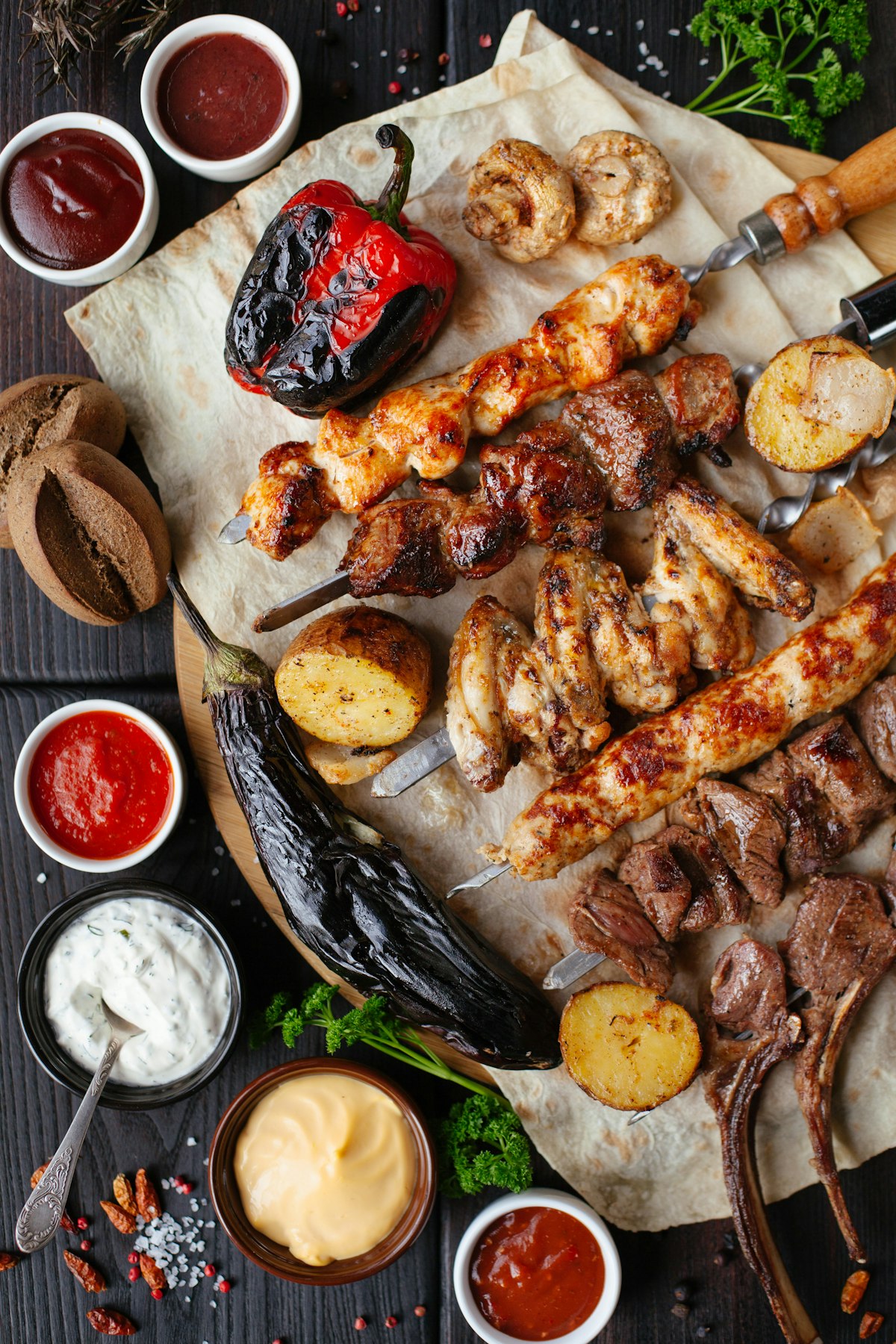
If Cappadocia has a single dish that belongs entirely to this landscape, it is testi kebab. Lamb or chicken is slow-cooked inside a sealed clay pot — a testi — along with vegetables, tomatoes, and herbs, then placed directly into the embers of a wood fire for several hours. The pot is brought to the table whole and broken open tableside with a small hammer, releasing a cloud of aromatic steam and an interior that has been basting in its own concentrated juices for the entire cooking time. The meat is impossibly tender.
The testi kebab is the one dish you can only fully understand by eating it here, in Cappadocia, where the clay and the fire and the animal are all from the same landscape.
Mantı: The Anatolian Dumpling
Turkish mantı — tiny parcels of seasoned minced lamb or beef folded into thin pasta dough and boiled — is served throughout Turkey, but Kayseri-style mantı, which originates from the city just east of Cappadocia, is considered the finest expression of the form. The dumplings are no bigger than a fingernail, filled with the most modest amount of spiced meat, and served in a pool of garlic yogurt with melted butter poured over and a final dusting of dried mint and red pepper flakes.
Güveç: Slow-Cooked Comfort
Güveç is the Cappadocian answer to a casserole — vegetables, meat, and aromatics layered into a clay pot and cooked low and slow in a wood or stone oven. The dish is so closely associated with the region that the pot itself is called a güveç. The best versions use locally grown peppers and tomatoes in late summer and autumn, when the produce is at peak intensity.
Çökelek and Village Cheeses
Cappadocia's village cheese culture is one of the region's best-kept culinary secrets. Çökelek is a crumbly, tangy whey cheese made from goat's or sheep's milk, sometimes dried and stored in olive oil and herbs. It appears at breakfast tables alongside honey, clotted cream, and olives — and the quality gap between a hotel that sources its çökelek locally and one that uses generic dairy products is enormous.
The Turkish Breakfast: A Ritual, Not a Meal
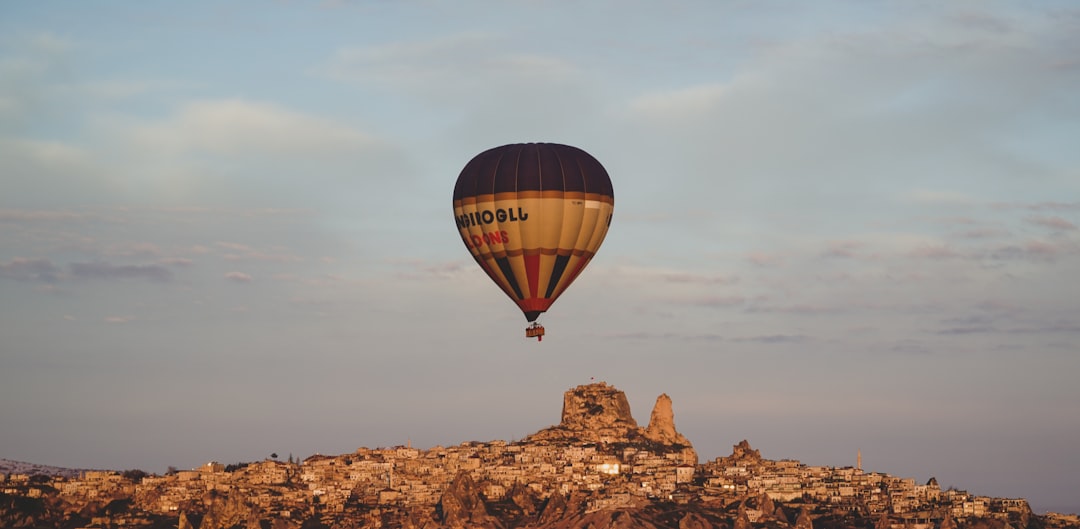
The Turkish kahvaltı — breakfast — is one of the most civilized meals in the world, and Cappadocia does it particularly well. A proper spread includes white cheese, aged cheese, çökelek, honey from local hives, clotted cream (kaymak), olives, freshly baked bread, soft-boiled eggs, menemen (scrambled eggs with tomato and peppers), sucuk (spiced beef sausage), and fruit preserves. Cave hotels in Göreme and Ürgüp with outdoor terraces offer breakfast with views over the valleys — eating kaymak and honey while watching hot-air balloons float silently past is a breakfast experience available nowhere else on earth.
The Wine Revolution: Cappadocia's Vineyards in 2026
Cappadocia's wine industry has undergone a transformation over the past decade that now puts it firmly on the map for serious wine travelers. The region's volcanic soil — rich in minerals from the eruptions of Mount Erciyes and Hasan Dağı — produces grapes with a mineral intensity unlike anything from Turkey's Aegean or Thracian wine regions. The key native varieties are Emir, a white grape producing wines of extraordinary freshness and acidity, and Öküzgözü, a red that delivers deep color, ripe dark fruit, and a structure that rewards aging.
- Kocabağ Winery (Ürgüp): The region's most established producer. Their Emir Reserve is the benchmark expression of the variety.
- Turasan Winery (Ürgüp): A 130-year-old family estate with panoramic valley views — book the full tasting experience.
- Güre Winery (Avanos): A small-batch, low-intervention producer whose natural Öküzgözü has attracted international attention.
- Argos Cave Hotel Cellar (Uçhisar): The hotel produces its own label, cellared in genuine cave conditions.
- Seki Winery (Mustafapaşa): Set in a restored Greek-era stone mansion, producing elegant whites and rosé from estate vineyards.
The harvest season — late August through October — is an exceptional time to visit. Several producers invite guests to participate in the harvest, and the autumn light over the Ürgüp plateau during picking season is unforgettable. The underground wine storage tradition also continues: visiting a cave cellar where amphorae of wine rest at constant temperature, exactly as they did two thousand years ago, is a genuinely moving experience.
Restaurants Worth Traveling For
Peri Masası (Göreme)
Carved into the living rock above Göreme's rooftops, Peri Masası ('fairy table') is one of Cappadocia's most atmospheric dining rooms. The kitchen takes the testi kebab seriously — the pots are sourced from a single Avanos potter — and the meze selection changes with the season. Book the cave dining room rather than the terrace if you want the full experience.
Seki Restaurant at Argos (Uçhisar)
The fine dining room at Argos in Cappadocia is the most ambitious cooking in the region. Chef-driven, produce-led, and deeply rooted in Anatolian culinary history, Seki changes its menu to reflect what the season requires. The wine list is the best Anatolian-focused list in Cappadocia. Reserve weeks in advance.
Dibek Restaurant (Göreme)
Dibek has been cooking traditional Cappadocian food in a 500-year-old stone room for longer than most of its competitors have existed. The kitchen is built around a stone hearth and a wood-fired oven. The testi kebab is among the best in the region, and the homemade desserts — including a warm halva with walnuts — are the kind of thing that still tastes vivid in the memory two years later.
Lil'a Restaurant (Ürgüp)
Ürgüp's most refined dining option pairs a wine-focused approach with cooking that takes Cappadocia's own produce more seriously than anywhere in town. The Emir wine pairing menu — five courses, five Cappadocian wines, all matched thoughtfully — is the best value fine-dining experience in the region.
Street Food and Markets
Gözleme: The Morning Essential
No food experience in Cappadocia is more immediate or more satisfying than gözleme made by a skilled village woman at a roadside stall. The thin flatbread is stretched to near-transparency, filled with spinach and white cheese or spiced potato, folded and pressed onto the convex sac griddle until blistered and crisp. The best gözleme in Göreme comes from the stalls near the Open Air Museum entrance from 08:00 onwards. In Avanos, the Tuesday market stalls offer the village versions that rarely make it into restaurants.
Ürgüp's Covered Market
Ürgüp's çarşı (covered market) is open daily and is the best single stop for edible souvenirs. The region's thyme honey — kekik balı — is extraordinary: the thyme grows wild on the plateau and the honey carries the herb's intensity in a way no industrial version can approach. Look for producers selling directly from their own hives. Dried apricots, figs, walnuts, pistachios, tarhana (fermented grain soup base), and biber salçası (red pepper paste) that keep well in travel are also available.
Lokum: Beyond the Tourist Version
Genuine Cappadocian lokum, made with rose water from locally grown Damask roses and hand-cut and dusted with powdered sugar, is a completely different thing from the industrial tourist version: subtle, perfumed, meltingly tender, and not overwhelmingly sweet. The rose water lokum from market producers in Ürgüp and specialist confectionery shops in Nevşehir is worth seeking out.
The Saffron Story: A Cappadocian Rarity
Few visitors know that Cappadocia has a history of saffron cultivation stretching back centuries, and that a small number of producers have revived the practice. The Crocus sativus — saffron crocus — flowers for only two to three weeks in October, and harvesting the three stamens from each flower by hand before sunrise is painstaking work. Genuine Cappadocian saffron is available from specialist producers in Nevşehir and occasionally at the Ürgüp market. The aroma is more complex, more floral, and more intensely pigmenting than mass-market alternatives.
Food Experiences That Cannot Be Replicated Elsewhere
- A winery cellar visit in a cave that maintains 13°C year-round, tasting Emir directly from the barrel while surrounded by volcanic rock walls.
- Turkish breakfast on a cave hotel terrace as the balloons rise over the valley — there is no other place in the world where this specific combination of food, landscape, and light is available.
- A pottery workshop followed by lunch cooked in a testi made in the same workshop, in Avanos — the connection between clay as material and clay as cooking vessel is something only this town can offer.
- A cooking class in a Göreme cave kitchen learning mantı and güveç from scratch, folding 50 dumplings and learning why size matters so much.
- The Ürgüp farmers' market on a Saturday morning in September, when the summer harvest is still coming in and the village women bring goat cheese, dried herbs, and the last of the heirloom tomatoes.
Seasonal Food Calendar
- Spring (April–May): Wild herbs and greens appear in markets. Fresh goat's cheese from the first spring milk. The best season for meze built around seasonal vegetables.
- Summer (June–August): Stone fruit — apricots, cherries, plums — from the plateau orchards. Peak tomato and pepper season for güveç.
- Autumn (September–October): Grape harvest and wine season. Saffron harvest in October. Peak produce quality across everything — the best season for food-focused visits by a significant margin.
- Winter (November–March): Cave restaurants become more intimate. Slow-cooked dishes — güveç, testi kebab, lentil soups — are at their most satisfying in cold weather. Wine tasting rooms are uncrowded and welcoming.
Practical Tips for Food Travelers
- Book testi kebab at least a day in advance — the clay pot requires several hours of preparation and cannot be made to order on arrival.
- Ask your hotel to source breakfast from local producers rather than wholesale suppliers. Most cave hotels will accommodate this request.
- The best food in Cappadocia is often at restaurants that look slightly unglamorous from the outside. Follow locals at lunchtime.
- Carry cash for market purchases, village stalls, and small bakeries — card readers are rare outside restaurants and hotels.
- If visiting specifically for wine, the Ürgüp winery cluster is most efficiently visited by taxi, as the roads are rural and tastings will render you unfit to drive.
The Bigger Picture: Why Cappadocia's Food Matters
Cappadocia's culinary revival is not just about good restaurants. It is about the survival of a food culture that has been under pressure from industrial food systems, rural depopulation, and the homogenization of Turkish cuisine. The producers making çökelek from goat's milk, the women making gözleme on inherited griddles, the winemakers rescuing indigenous grape varieties — these are the people keeping something genuinely irreplaceable alive. When you eat thoughtfully in Cappadocia, you are participating in that preservation.
In Cappadocia, the food is not separate from the landscape. It is made from it — the mineral water, the volcanic soil, the wild herbs, the clay. To eat here is to taste the land itself.