"Red Tour" is the local nickname for the classic loop through northern Cappadocia — the stretch of valleys, rock-cut churches and fairy chimneys that surrounds Göreme and Avanos. You don't need to join a guided group to follow it; the real value of the route is the chain of landscapes it strings together, each one different from the last. This guide walks you through every famous stop so you know what each place actually feels like to stand in, and why it earns its spot on Cappadocia's most-loved route.
Think of this less as a schedule and more as a map of experiences: where the frescoes glow in the dark, where monks once carved homes into mushroom-shaped towers, and where the rock itself looks like a herd of animals frozen mid-stride.
The Göreme Panorama: Your First Look
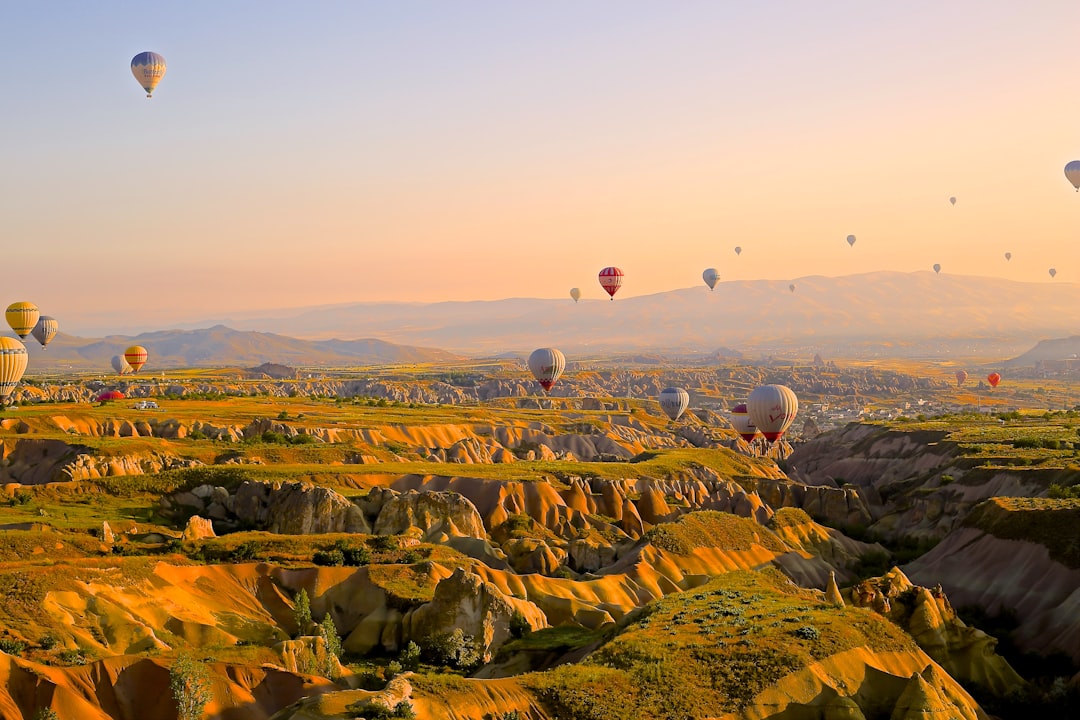
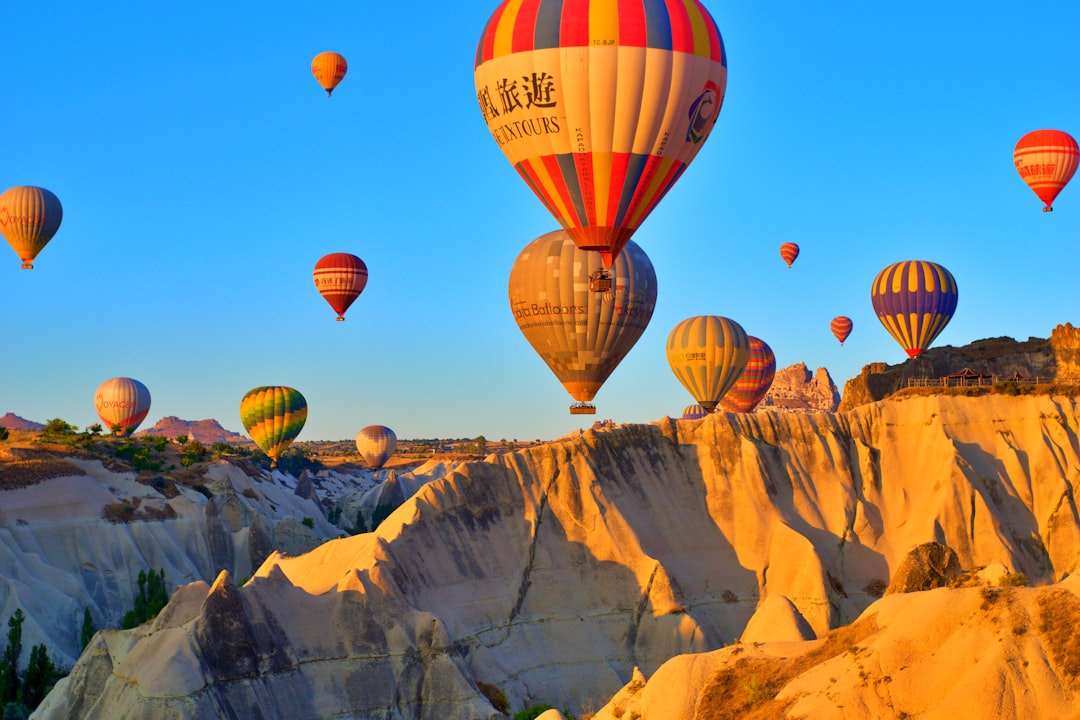
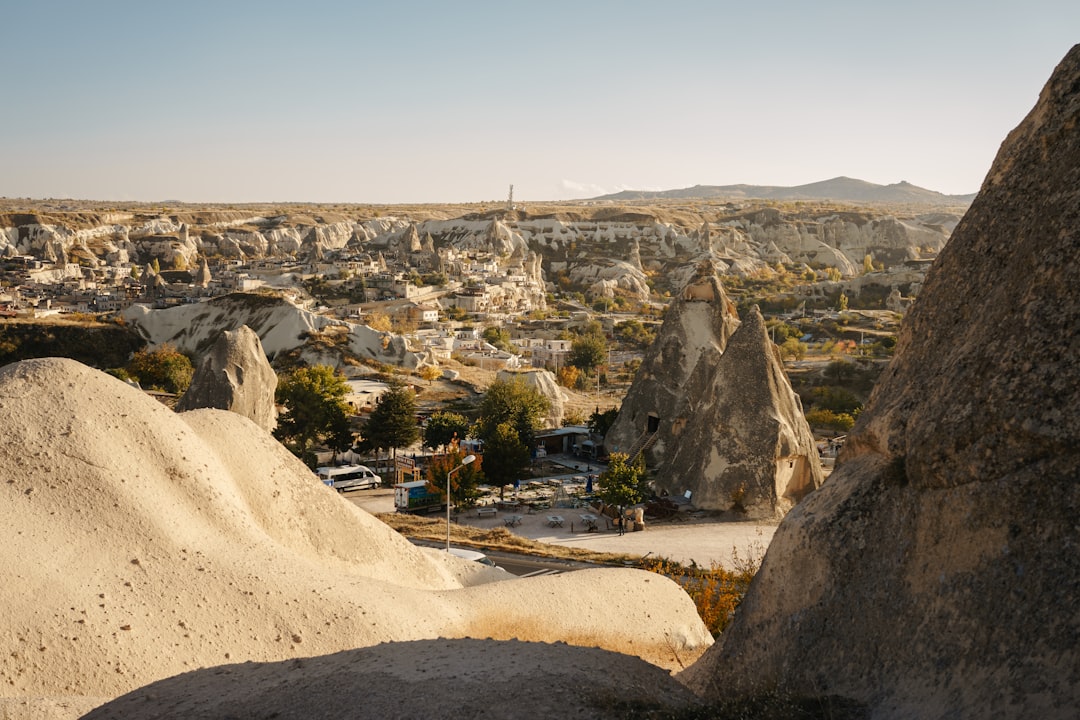
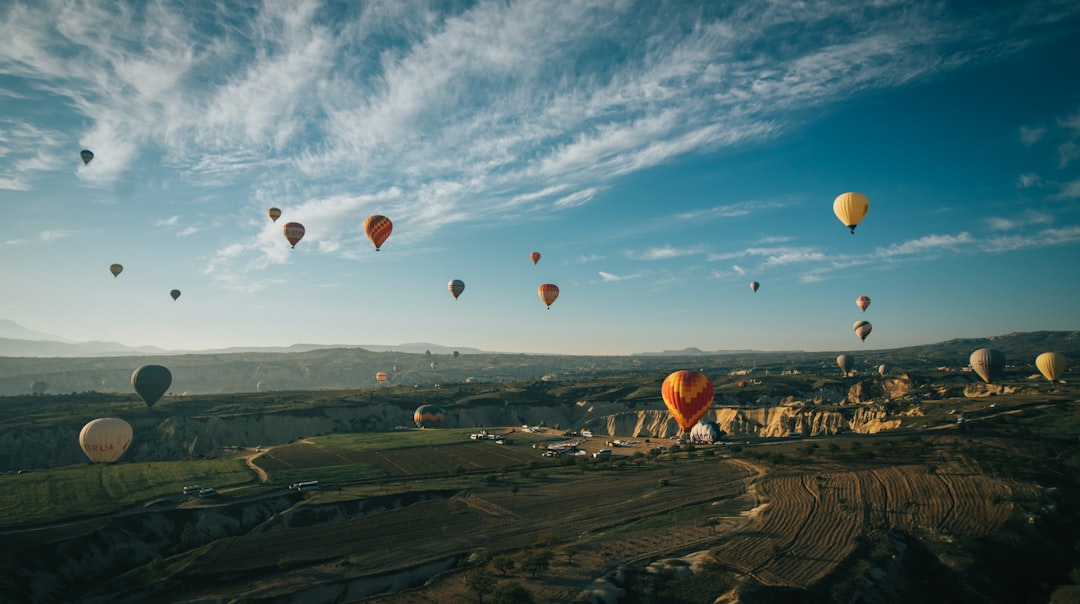
Almost everyone starts the route at a panoramic viewpoint above Göreme. From up here the whole valley opens out below you — clusters of fairy chimneys, terracotta rooftops tucked between rock cones, and the soft swell of the tuff plateau in every direction. It's the moment Cappadocia stops being a photo you've seen online and becomes a place you're standing in. Early morning light, when balloons are still drifting overhead, is the most magical, but the view is striking at any hour.
Göreme Open-Air Museum: Frescoes in the Rock
The Göreme Open-Air Museum is the heart of the route and a UNESCO World Heritage Site. It isn't a building but a cluster of rock-cut churches and monasteries carved into the cliffs by Byzantine monks. Stepping inside the cool, dim interiors, you find walls and domes covered in centuries-old frescoes of saints, scenes from the Gospels and deep ochre-and-blue patterns that have survived remarkably well.
Look for the Apple Church (Elmalı Kilise), the Snake Church (Yılanlı Kilise) and the Church of St. Barbara. The standout is the Dark Church (Karanlık Kilise) — its frescoes are the most vivid in the complex precisely because so little light reached them over the centuries. It usually carries a small separate entrance fee on top of the museum ticket, and it is worth every cent. General museum entry is €20.
Allow real time here. This is the one stop where rushing genuinely costs you something — the frescoes reward slow, quiet looking.
Çavuşin: A Village Carved Into a Cliff
Çavuşin is an old, largely abandoned village built straight into a rock face. Its highlight is the Church of St. John the Baptist, one of the oldest and largest in the region, perched up on the cliff. Wandering the lanes below, you can see the hollowed-out homes where families lived inside the rock for generations. Some of the old dwellings can still be climbed into — go gently and watch your footing, as parts are crumbly — but even from the ground the sense of a town that grew out of the stone itself is unforgettable.
Paşabağ (Monks Valley): The Mushroom Chimneys
Paşabağ, better known as Monks Valley, holds Cappadocia's most photogenic fairy chimneys: tall cones topped with multiple mushroom-like caps, some balancing two or three dark hats of harder rock. The name comes from the hermits who once carved cells high inside these towers to live in solitude — you can still spot the small windows and doorways cut into the stone. Walking among them, it's easy to see why this valley shows up on so many postcards.
Devrent (Imagination Valley): Rocks That Look Alive
Devrent Valley, nicknamed Imagination Valley, has no churches or frescoes — its draw is pure shape. Wind and water have sculpted the soft rock into forms that look uncannily like animals and figures. Locals point out a camel, a dolphin, a seal, even the Virgin Mary holding a child. Half the fun is letting your own eyes wander and finding shapes nobody mentioned. It's a short, playful stop and one kids and photographers especially love.
Avanos: Red Clay and the Potter's Wheel
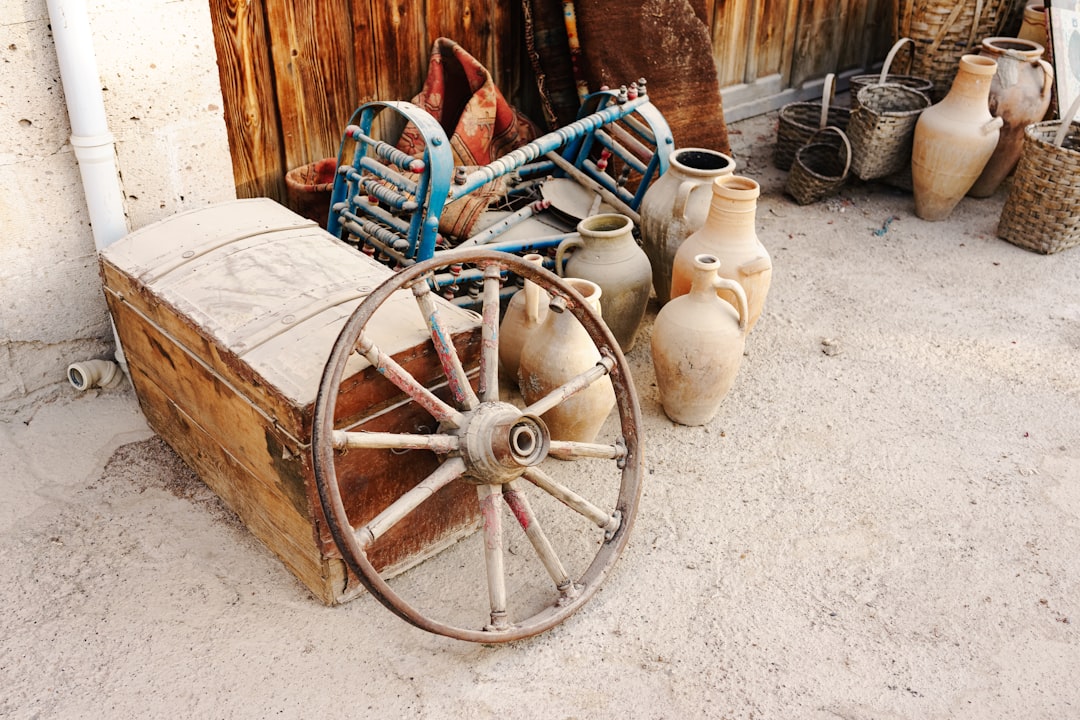
The route usually finishes in Avanos, a riverside town famous for pottery made from the red clay of the Kızılırmak — the Red River that gives the whole route its colour and its name. At a working pottery workshop you can watch artisans spin tall jugs and bowls on kick-wheels using techniques passed down for generations, and most places will let you sit down and try the wheel yourself. It's a hands-on, slightly messy, very memorable way to end the day, and a genuine chance to support local craftspeople.
Why This Route Is Worth Your Time
What makes the Red Tour route special isn't any single stop — it's the variety packed into one loop. In a few hours you move from sacred frescoed caves, to a ghost village in a cliff, to surreal rock gardens, to a hands-on craft tradition by the river. Each place answers a different curiosity: history, geology, art, daily life. Together they give you the fullest possible feel for what northern Cappadocia is.
- Göreme Open-Air Museum — Byzantine rock churches and glowing frescoes.
- Çavuşin — a cliff village and one of the region's oldest churches.
- Paşabağ — the iconic multi-capped mushroom fairy chimneys.
- Devrent — animal-shaped rocks that spark the imagination.
- Avanos — red-clay pottery you can shape with your own hands.
Make the Route Your Own
You can experience these stops on a group tour, but many travellers prefer to go at their own pace — lingering longer at the frescoes, skipping the busier photo stops, or adding a valley hike in between. If you'd rather build a day shaped around your own interests and timing, you can plan your own route and see how these stops fit alongside the rest of the region.
For getting between the stops without watching the clock, a private driver gives you total freedom. Reliable local transfers from Kayseri and Nevşehir airports and around the valleys are easy to arrange — check live fares with the Cappadocia taxi fare calculator so you know the cost up front.
A Coffee Stop Along the Way
The route is best started early, and Göreme has good spots to fuel up first. Either makes a warm, calm start to a full day on the rocks.
Frequently Asked Questions
What does the "Red Tour" actually cover?
It's the classic northern Cappadocia route: the Göreme panorama, Göreme Open-Air Museum, Çavuşin village, Paşabağ (Monks Valley), Devrent (Imagination Valley) and the pottery town of Avanos. The name comes from the red clay of the Kızılırmak River that runs through the area.
Can I follow the route without a guided tour?
Yes. The stops are all close together around Göreme and Avanos, so with your own driver or rental you can visit them in any order and stay as long as you like at each. A guide adds historical context at the museum and churches, but the route itself is easy to follow independently.
Which stop deserves the most time?
The Göreme Open-Air Museum, without question — its frescoed rock churches reward slow exploration, and the Dark Church in particular is the artistic highlight of the whole route.
How much walking is involved?
A fair amount, mostly over uneven rock and gentle slopes. Comfortable shoes, sun protection and water make the day far more enjoyable, especially in summer.
The Takeaway
The Red Tour route is the single best way to understand the range of northern Cappadocia — sacred caves, a cliff-carved village, surreal rock gardens and living craft, all within one compact loop. Whether you join a group or follow it on your own terms, knowing what each stop offers means you'll arrive ready to actually experience it, not just photograph it.