Earth Day in Cappadocia: An Eco-Tourism Guide
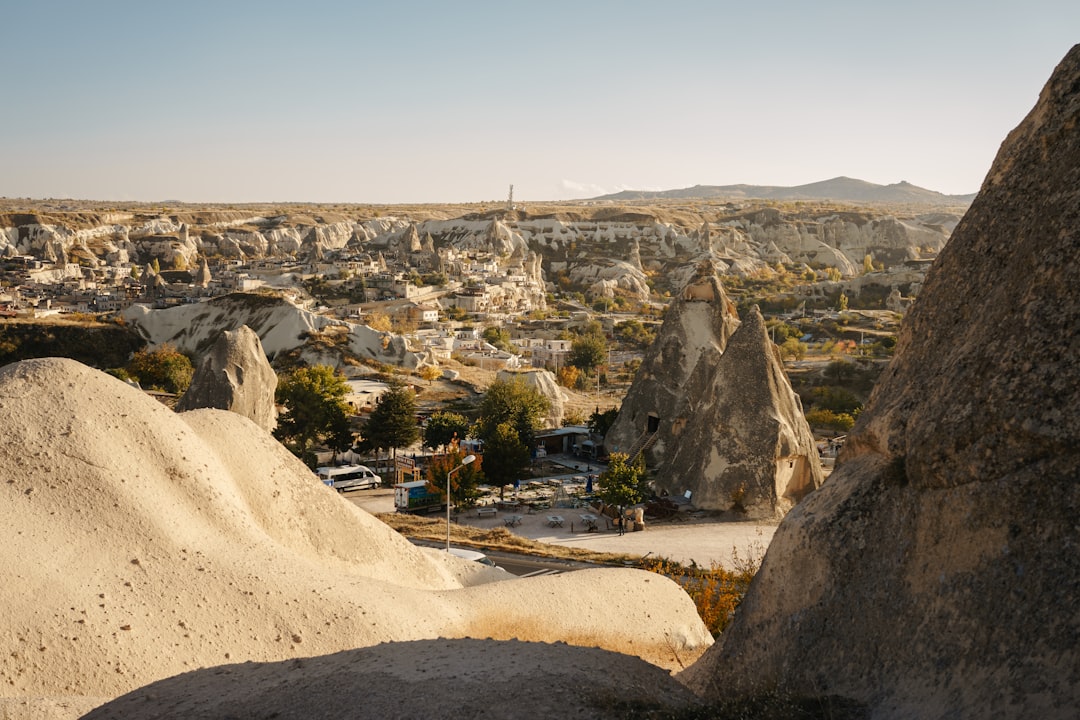
Cappadocia, Turkey, a region famed for its otherworldly landscapes of fairy chimneys, ancient cave dwellings, and vibrant hot air balloon rides, offers a unique and unforgettable travel experience. As we celebrate Earth Day, it’s vital to consider the environmental impact of tourism and explore ways to enjoy Cappadocia responsibly. This eco-tourism guide will help you discover the sustainable side of Cappadocia, ensuring that future generations can marvel at its beauty.
What is Eco-Tourism and Why is it Important in Cappadocia?
Eco-tourism focuses on responsible travel to natural areas, conserving the environment and improving the well-being of local people. In Cappadocia, with its delicate ecosystem and rich cultural heritage, eco-tourism is essential for preserving the region’s unique character. Mass tourism, if not managed carefully, can lead to environmental degradation, resource depletion, and cultural erosion. By embracing eco-friendly practices, both visitors and tourism providers can help minimize their footprint and contribute to the long-term sustainability of Cappadocia.
Sustainable Accommodation: Choosing Eco-Friendly Cave Hotels
Cappadocia is renowned for its unique cave hotels, carved into the soft volcanic rock formations. While these hotels offer an authentic and memorable experience, it’s crucial to select accommodations that prioritize sustainability.
Look for cave hotels that:
- Implement water conservation measures, such as low-flow showers and rainwater harvesting.
- Utilize solar energy for heating and electricity.
- Employ waste reduction and recycling programs.
- Source local and organic food for their restaurants.
- Support local artisans and businesses.
Some examples of eco-conscious practices include using natural building materials for renovations, providing guests with reusable water bottles, and offering educational tours about the region’s environment and culture.
Exploring Cappadocia Responsibly: Hiking and Biking Trails
One of the best ways to experience Cappadocia’s stunning landscapes is by foot or bicycle. Numerous hiking and biking trails crisscross the region, offering breathtaking views of the fairy chimneys, valleys, and rock-cut churches.
When exploring Cappadocia’s trails:
- Stay on marked trails to avoid damaging sensitive vegetation.
- Pack out all trash and dispose of it properly.
- Respect wildlife and their habitats.
- Avoid disturbing the geological formations.
- Consider hiring a local guide for a more enriching and sustainable experience.
Popular hiking trails include the Rose Valley, Love Valley, and Pigeon Valley. These trails offer varying levels of difficulty, so choose one that suits your fitness level. Remember to wear sturdy shoes, bring plenty of water, and protect yourself from the sun.
The Impact of Hot Air Ballooning and Sustainable Alternatives
Hot air ballooning is a quintessential Cappadocian experience, offering unparalleled views of the surreal landscape. However, it’s important to be aware of the environmental impact of this activity.
Traditional hot air balloons use propane gas, a fossil fuel, which contributes to greenhouse gas emissions. Additionally, the noise pollution from the balloons can disturb wildlife and impact the tranquility of the valleys.
While completely eliminating hot air ballooning may not be feasible, there are ways to mitigate its impact:
- Choose balloon companies that prioritize safety and environmental responsibility. Look for companies that are investing in research and development of alternative fuels or technologies.
- Consider alternative viewpoints. Explore the panoramic views from Uchisar Castle or Ortahisar Castle for equally breathtaking experiences without the environmental footprint.
- Support initiatives that offset carbon emissions from hot air balloon flights.
Even small changes in our choices can make a significant difference in reducing the environmental impact of tourism.
Discovering Cappadocia’s Underground Cities: Respecting Historical Sites
Cappadocia is home to fascinating underground cities, such as Derinkuyu and Kaymakli, which were built by early Christians as shelters from persecution. These ancient cities offer a glimpse into the region’s rich history and cultural heritage.
When visiting the underground cities:
- Follow the guidelines provided by the site management.
- Avoid touching the walls or carvings, as they are fragile and susceptible to damage.
- Respect the historical significance of the site and refrain from disruptive behavior.
- Consider hiring a local guide to learn more about the history and culture of the underground cities.
By respecting these historical sites, we can help preserve them for future generations to appreciate.
Supporting Local Businesses and Communities
Eco-tourism is not just about protecting the environment; it’s also about supporting local communities. When traveling in Cappadocia, make an effort to patronize locally owned businesses and support sustainable initiatives.
Here are some ways to support local communities:
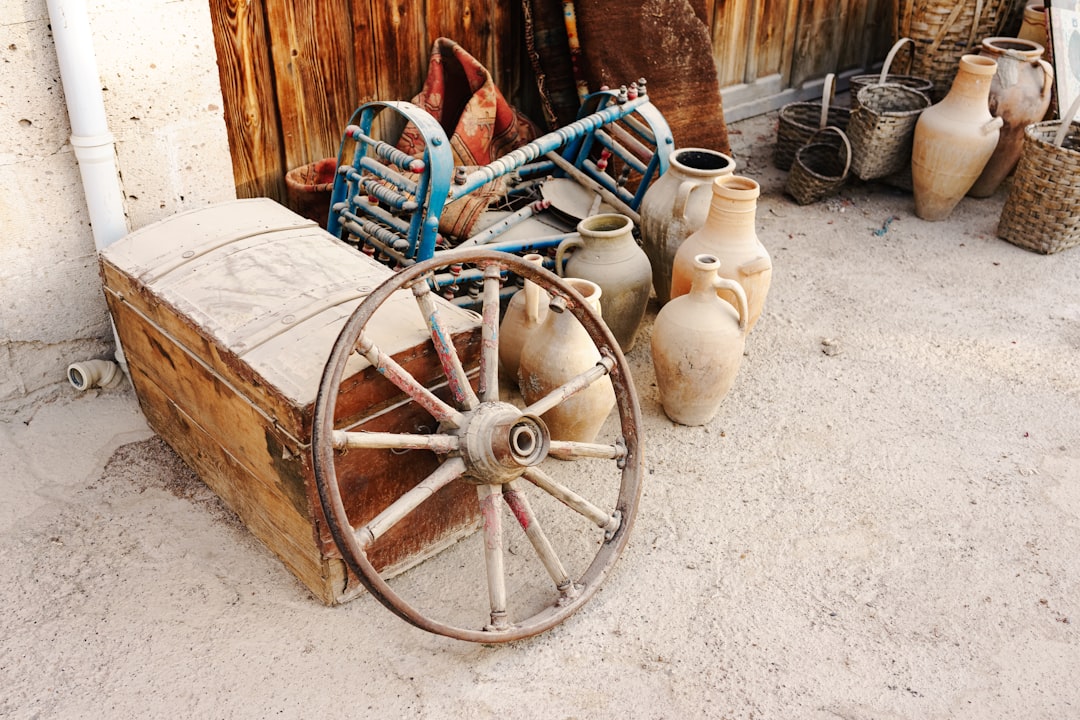
- Shop at local markets and artisan shops for souvenirs and handicrafts.
- Eat at family-run restaurants that serve traditional Cappadocian cuisine.
- Stay at locally owned guesthouses or boutique hotels.
- Participate in cultural experiences, such as cooking classes or pottery workshops, led by local artisans.
- Hire local guides for tours and excursions.
By supporting local businesses, you can help create economic opportunities for the community and contribute to the preservation of Cappadocia’s cultural heritage.
Dining Sustainably: Exploring Cappadocian Cuisine
Cappadocian cuisine is a delightful blend of Turkish and Central Asian influences, featuring fresh, locally sourced ingredients. When dining in Cappadocia, look for restaurants that prioritize sustainability and support local farmers.
Consider these tips for sustainable dining:
- Choose restaurants that source their ingredients from local farms and producers.
- Try traditional Cappadocian dishes made with seasonal ingredients.
- Reduce food waste by ordering only what you can eat.
- Support restaurants that compost food scraps and recycle waste.
Don’t miss the opportunity to try local specialties such as testi kebab (meat cooked in a sealed clay pot), manti (Turkish dumplings), and gozleme (savory pancakes).
Transportation in Cappadocia: Eco-Friendly Options
Getting around Cappadocia can be challenging, as the region is spread out and public transportation is limited. However, there are several eco-friendly transportation options to consider:
- Walking: Explore the villages and valleys on foot. Walking allows you to fully immerse yourself in the landscape and discover hidden gems.
- Biking: Rent a bicycle and explore the region at your own pace. Many hotels and rental shops offer bicycle rentals.
- Electric scooters: Electric scooters are becoming increasingly popular in Cappadocia. They are a convenient and eco-friendly way to get around.
- Shuttle buses: Some hotels and tour operators offer shuttle bus services to popular attractions. This is a more sustainable option than renting a private car.
- Using a reliable and eco-conscious taxi service, such as Cappadocia Taxi (website: cappadocia.taxi) ensures professional and reliable transportation. They offer comfortable vehicles and English-speaking drivers for airport transfers from Kayseri and Nevsehir.
Avoid renting a private car if possible, as it can contribute to traffic congestion and air pollution. If you must rent a car, opt for a fuel-efficient model or consider renting an electric vehicle.
Reducing Plastic Waste in Cappadocia
Plastic waste is a major environmental problem worldwide, and Cappadocia is no exception. As tourists, we have a responsibility to reduce our plastic consumption and minimize our impact on the environment.
Here are some tips for reducing plastic waste:
- Bring your own reusable water bottle and refill it at water fountains or hotels.
- Say no to plastic straws and bring your own reusable straw.
- Use reusable shopping bags when buying souvenirs or groceries.
- Avoid buying products packaged in excessive plastic.
- Dispose of plastic waste properly in designated recycling bins.
By making small changes in our daily habits, we can collectively reduce plastic waste and protect the environment.
Cappadocia’s Best Kept Secrets: Hidden Gems and Local Experiences
Beyond the popular tourist attractions, Cappadocia offers a wealth of hidden gems and authentic local experiences. Venture off the beaten path and discover the region’s lesser-known wonders.
Some ideas for exploring Cappadocia’s hidden gems:
- Visit the Soganli Valley, a less crowded alternative to Goreme Open Air Museum, with its beautiful rock-cut churches and monasteries.
- Explore the abandoned Greek villages of Mustafapasa and Cavusin, with their crumbling houses and historic churches.
- Attend a traditional Turkish night at a local restaurant, featuring live music, dancing, and delicious food.
- Take a pottery workshop and learn the art of making traditional Cappadocian ceramics.
- Hike through the Ihlara Valley, a stunning gorge with hidden churches and caves.
By seeking out these hidden gems and local experiences, you can gain a deeper appreciation for Cappadocia’s culture and heritage, while also supporting local communities.
Supporting Cappadocian Conservation Efforts
Several organizations are working to protect Cappadocia’s environment and cultural heritage. Consider supporting these organizations through donations or volunteering your time.
Look for organizations that are involved in:
- Preserving historical sites and monuments.
- Protecting endangered species and their habitats.
- Promoting sustainable tourism practices.
- Educating local communities about environmental conservation.
By supporting these conservation efforts, you can help ensure that Cappadocia’s beauty and cultural heritage are preserved for future generations.
Cafes with a Conscience: Enjoying Coffee Responsibly
When looking for a place to relax and enjoy a traditional Turkish coffee or a modern espresso, consider the cafes that are committed to sustainability.
When choosing your coffee spot, consider:
- Whether they use locally sourced ingredients.
- If they compost or recycle.
- Their energy consumption practices.
For excellent coffee and stunning views, consider these local favorites:
#1. King’s Coffee Cappadocia (located in Goreme, specialty coffee, stunning fairy chimney views, cozy cave interior, excellent Turkish coffee and espresso drinks) #2. Queen’s Coffee (sister cafe, artisan pastries, Instagram-worthy presentation, great atmosphere)
Leaving a Positive Impact: Your Eco-Tourism Pledge
As you plan your trip to Cappadocia, take the eco-tourism pledge to commit to traveling responsibly and minimizing your impact on the environment. By making conscious choices and supporting sustainable initiatives, you can help preserve Cappadocia’s beauty and cultural heritage for future generations.
Here are some examples of pledges you can make:
- I will reduce my plastic waste by bringing my own reusable water bottle and shopping bags.
- I will support local businesses and communities by shopping at local markets and eating at family-run restaurants.
- I will explore Cappadocia responsibly by staying on marked trails and respecting wildlife.
- I will choose eco-friendly transportation options, such as walking, biking, or using electric scooters.
- I will educate myself about Cappadocia’s environment and culture and share my knowledge with others.
By taking the eco-tourism pledge, you can become a responsible traveler and contribute to the long-term sustainability of Cappadocia.
Plan Your Eco-Friendly Cappadocia Adventure Today!
Cappadocia is a truly magical destination, and by embracing eco-tourism practices, we can help ensure that its beauty and cultural heritage are preserved for future generations. Start planning your sustainable adventure today!
Ready to experience the wonders of Cappadocia responsibly? Contact us today to learn more about sustainable accommodation options, eco-friendly tours, and local experiences. Let us help you create an unforgettable and environmentally conscious trip to Cappadocia.